Introduction
Search has always been about discovery—connecting people with the information they need. From the early days of Yahoo directories to Google’s PageRank algorithm, the search landscape has continually evolved to prioritize relevance, speed, and user experience. But now, we’re witnessing a fundamental shift. The rise of AI-generated overviews is transforming how people discover information online, with significant implications for content creators, brands, and marketers.
AI overviews—powered by large language models (LLMs) like Google’s Search Generative Experience (SGE), Microsoft’s Copilot (formerly Bing), and ChatGPT—summarize content directly in the search interface. Instead of relying solely on traditional organic listings (blue links), users now receive synthesized answers instantly. This change is altering the role of websites, reshaping the SEO landscape, and forcing a reevaluation of what it means to “rank” in search.
This article explores how AI overviews are redefining organic discovery, what it means for businesses and publishers, and how you can adapt your strategy to remain visible in this new era.
The Traditional Model of Search
Before AI overviews, the organic discovery process followed a relatively linear model:
- User inputs a query into a search engine (e.g., “best DSLR cameras 2024”).
- Search engine returns ranked links based on SEO factors—keywords, backlinks, user engagement, etc.
- User clicks on a result, reads the content, and makes decisions based on that information.
In this model, websites competed for visibility through page rankings. Organic traffic was king. Content creators optimized for keywords, meta tags, and structured data to climb the SERPs (Search Engine Results Pages).
Enter AI Overviews: A Paradigm Shift
With AI overviews, this model changes dramatically. Now, search engines don’t just return links—they return summarized answers, generated by AI, drawn from multiple sources.
What Are AI Overviews?
AI overviews (also called AI snapshots or summaries) are dynamic answers that appear at the top of the search results. They are:
- Generated in real-time based on the query
- Composed by AI models using a mixture of public content, databases, and user behavior signals
- Often contain citations or links to original sources—but not always
For example, searching “Is dark chocolate good for health?” may now return:
“Yes, dark chocolate contains antioxidants like flavonoids that can benefit heart health. It may help lower blood pressure and improve cholesterol levels. However, it should be consumed in moderation due to its sugar and calorie content.”
This kind of result gives the user a full answer without clicking on any website.
How AI Overviews Are Redefining Organic Discovery
1. Zero-Click Search Becomes the Norm
Users no longer need to click through to find the answer. According to recent studies, over 50% of searches already end without a click, and AI overviews are pushing this even higher.
Impact:
Websites receive fewer visitors even when they provide valuable content.
2. Citations Replace Clicks as Recognition
AI overviews often cite sources, but users may not follow those links. Instead, the mention of a brand or source becomes a signal of trust, not a driver of traffic.
Impact:
Brand awareness may increase, but traffic doesn’t always follow.
3. Ranking Is No Longer the Sole Path to Visibility
AI overviews disrupt the traditional SEO model. A website may rank #1 on Google but still be omitted from the AI summary. Conversely, a mid-ranking page may be selected as a source because it answers the query clearly and concisely.
Impact:
The criteria for “winning” search visibility have changed—from being on Page 1 to being used by the AI.
4. Search Becomes Conversational
AI-driven search enables users to ask longer, more natural questions, and follow up with context-aware queries. This makes search less about keywords and more about conversational relevance.
Impact:
Content must now answer real questions, not just match keywords.
5. Intent Becomes King
Search is becoming more intent-focused. AI tries to interpret why the user is searching and provide a complete answer, whether that’s to learn, buy, compare, or act.
Impact:
Content must align tightly with user intent and deliver specific, relevant value in the first few sentences.
Adapting to the New Discovery Model
To thrive in this new era of AI-powered search, businesses and content creators must shift focus from merely ranking to becoming AI-friendly content sources. Here’s how:
1. Structure Content for Extraction
AI prefers content that is easy to extract and summarize:
- Use clear headings
- Include bullet points and numbered lists
- Write short, information-rich paragraphs
- Use schema markup like FAQs, How-To, and Product schemas
2. Answer Questions Directly
Use the inverted pyramid model:
- Lead with the answer
- Follow with context, examples, and deep dives
AI overviews often pull from the first 100 words of a well-structured section.
3. Focus on Topical Authority
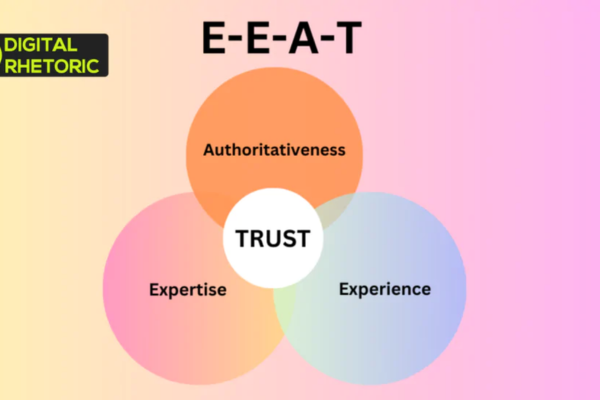
Rather than optimizing for single keywords, build clusters of content around specific topics. This signals to AI that your site is a credible source in that domain.
4. Include Authoritative Sources and Citations
AI tends to favor content that references trustworthy data:
- Link to official sites, studies, and reports
- Use original research or expert quotes where possible
5. Monitor Your AI Presence
Track where and how your brand is mentioned in AI overviews. Tools like:
- Semrush’s AI snapshot tracker
- Perplexity.ai’s content citations
- Google’s SGE preview (in supported countries)
Real-World Example: “FitVeda” – A Holistic Wellness Platform in India
About the Brand:
FitVeda is an Indian health and wellness blog focused on Ayurvedic diets, yoga, and fitness routines tailored to Indian lifestyles.
Old Discovery Strategy:
- Optimized blogs for keywords like “benefits of Ashwagandha,” “best yoga poses for PCOS”
- Targeted ranking in Google’s organic listings
- Relied on meta descriptions and backlinks for visibility
What Changed:
With the launch of Google’s AI overviews, FitVeda noticed a 20% drop in traffic on high-ranking pages. However, when they searched their target queries, they found their content being cited in the AI overviews—especially in health-related questions like:
“According to FitVeda, Ashwagandha may help manage stress and improve sleep by reducing cortisol levels.”
Despite lower traffic, their branded search volume rose, and product sales (herbal supplements) increased.
What They Did to Adapt:
- Rewrote intros with quick, clear answers
- Added FAQ sections with schema
- Created content clusters around stress, immunity, and digestion
- Included expert opinions from certified Ayurvedic practitioners
Results:
- Return of organic traffic (but now spread across more branded queries)
- Higher click-through rate from those seeing the brand cited in AI summaries
- 35% increase in direct product sales from organic search discovery
Opportunities Hidden in the Shift
Though many fear this AI-led disruption, there are clear upsides for those who adapt:
- Smaller sites can now appear in overviews if they provide better answers
- Niche experts can be surfaced by AI even without high domain authority
- Brand exposure increases even without clicks, building long-term trust
It’s a chance to focus on quality, not just SEO tricks.
Conclusion
Search is no longer just about pages and rankings—it’s about answers, relevance, and trust. AI overviews are redefining how users discover content, shifting the power away from traditional SERPs and toward those who can provide concise, accurate, and helpful responses in real time.
For content creators and businesses, this means embracing a new strategy. One that prioritizes:
- Understanding user intent
- Structuring content for AI readability
- Delivering value faster and clearer than ever before
Organic discovery isn’t dead—it’s just evolving. Those who adapt to this shift will find themselves not only visible but indispensable in the new world of AI-driven search.