Introduction: The Death of the Blue Link Monopoly
For decades, the success of digital marketing strategies—especially in SEO—relied on one goal: ranking high on Google’s blue links. These traditional organic search listings represented the gateway to visibility, clicks, traffic, and conversions. But in 2023, everything began to change with the introduction of Google’s Search Generative Experience (SGE), a feature that integrates Generative AI summaries directly into the Search Engine Results Page (SERP).
In this new era, being “ranked number one” is no longer a guarantee of traffic. Instead, the new goldmine is appearing within the AI-generated overview box that dominates the top of the SERP.
This article explores how brands, publishers, and creators can maximize their exposure within Google’s generative AI features. We’ll cover how SGE works, the impact on traditional search, new optimization strategies, and end with a real-world example that illustrates how to thrive beyond the blue links.
What Is Google’s Search Generative Experience (SGE)?
Google’s SGE uses large language models (LLMs) to summarize answers directly in the search results. Instead of relying solely on the “10 blue links” model, it now presents AI-generated responses that:
- Appear at the very top of the SERP
- Answer the user’s question in full sentences
- Include a carousel of cited sources
- May feature follow-up prompts, images, or calls to action
Here’s an example of a typical SGE experience:
Search Query: “How to start a business in India?”
SGE Response:
“To start a business in India, choose your business structure (like sole proprietorship or private limited), register the business with the Ministry of Corporate Affairs (MCA), get a PAN and GSTIN, and open a bank account. You’ll also need to comply with labor and environmental laws depending on your industry.”
Below this summary, Google shows 3–5 links as citations, pulled from websites deemed credible and informative. These are the new prime real estate of search visibility.
How SGE Is Changing the Search Landscape
1. Displacement of Traditional Listings
SGE pushes organic search results down the page. Even the #1 ranked page might now appear below a large block of AI-generated content.
2. Rise of “Zero-Click” Search
Users get their answer directly in the SGE box, without needing to click. This leads to:
- Decreased CTR (Click-Through Rate)
- Higher importance on brand visibility over raw traffic
3. New Discovery Paths
SGE offers conversational follow-up queries, creating a dialogue-driven experience. Brands can now be discovered through multi-step interactions, not just initial searches.
Maximizing Exposure in Generative AI: Key Strategies
To thrive in this new environment, content creators must optimize not just for Google’s algorithms, but for how AI interprets, synthesizes, and cites information.
Here’s how to position your content for inclusion in SGE responses:
1. Optimize for User Intent, Not Just Keywords
SGE is trained to answer questions, not just match keyword patterns. This means your content must align with search intent.
✅ Action:
- Use tools like AlsoAsked, AnswerThePublic, and Google’s “People Also Ask” box to discover user queries.
- Organize content by question + concise answer + detailed explanation.
2. Write in an AI-Readable Format
AI models extract summaries from content that is structured, clear, and logically ordered.
✅ Use:
- H2/H3 headings that mirror search questions
- Bullet points and numbered lists
- Short, direct introductory sentences
- Schema markup (FAQ, HowTo, Article) to aid parsing
Example:
Instead of a 300-word intro about the history of GST, start with:
“To register for GST in India, visit the GST portal, create an account, fill Form REG-01, and submit required documents like PAN, Aadhaar, and bank details.”
3. Build Topical Authority
SGE pulls from sources that Google trusts within a specific domain. This requires a consistent, in-depth content strategy.
✅ Action:
- Create content clusters around specific topics (e.g., “Startup India”, “Tax Filing”, “Fitness for Women Over 40”)
- Interlink articles and update them regularly
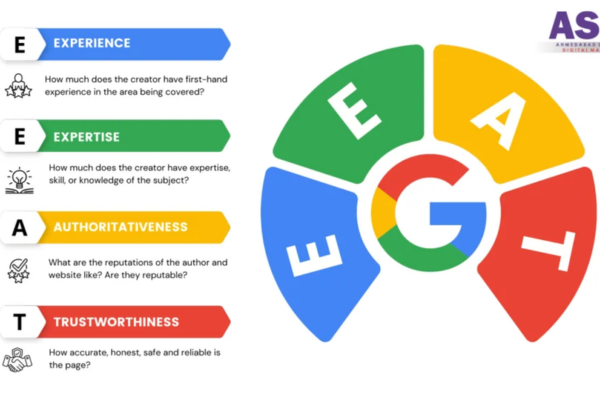
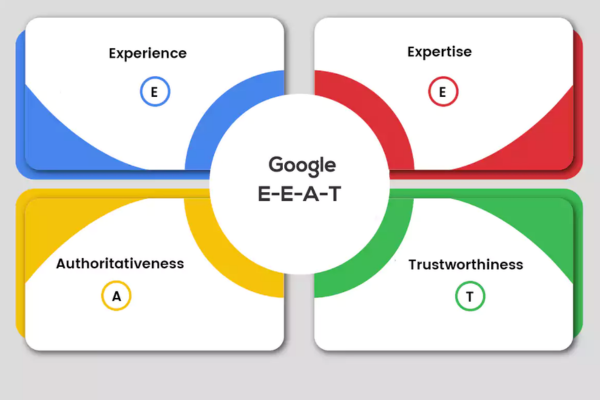
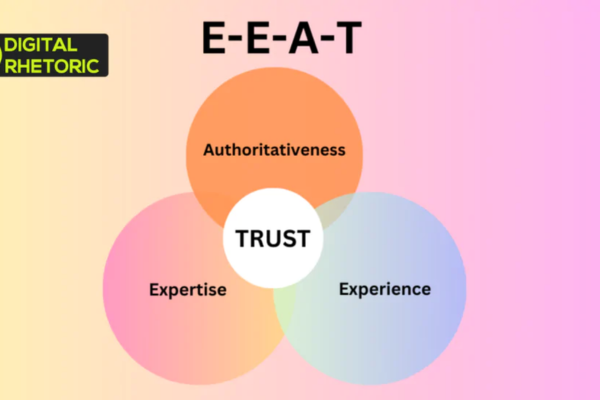
- Establish E-E-A-T: Experience, Expertise, Authoritativeness, and Trust
4. Get Featured in Citation Cards
In the SGE interface, cited sources appear as link cards next to the summary. Getting featured here brings visibility—even without top SERP rankings.
✅ To increase citation likelihood:
- Use exact phrasing to answer common questions
- Include data, statistics, or original insights
- Reference reputable sources
- Keep your brand identity and author credentials clear
5. Optimize for Conversational Queries
SGE encourages follow-up interactions like:
- “What is the cost to register a business?”
- “Can foreigners own a business in India?”
These follow-ups allow multiple exposure opportunities for your content.
✅ Strategy:
- Include follow-up questions within your article
- Build FAQ sections at the end of each post
- Use conversational subheadings like “Is it expensive to start a business in India?”
6. Use Brand Mentions to Build Trust
Even if users don’t click your link, seeing your brand cited in an SGE box builds authority, awareness, and credibility.
✅ Include:
- Brief author bios (especially in YMYL niches: finance, health, law)
- Testimonials or expert quotes
- Consistent NAP (name-address-phone) and branding across your site
7. Track SGE Mentions and Performance
Since traffic may decline even while visibility increases, it’s important to track:
- When your site is cited in AI overviews
- Brand impressions and mentions
- Engagement on follow-up queries
Use:
- Google Search Console (with emphasis on impressions)
- Semrush or Ahrefs (for zero-click keyword tracking)
- Brand monitoring tools like Mention or Brand24
Real-World Example: “StartupGuru” – A Business Advisory Blog in India
About the Brand:
StartupGuru is a niche blog that helps first-time entrepreneurs in India with startup guides, tax tips, and compliance advice.
Old Strategy:
- Ranked #1 for “how to register a private limited company in India”
- Received ~15,000 organic visits/month from this keyword
Problem:
After the launch of SGE in India’s pilot rollout, traffic dropped by 30%. The blue link was still #1, but now appeared below a generative summary with 4 citations.
Opportunity Discovered:
One of the sources cited in the SGE box was StartupGuru’s page!
New Strategy:
- Restructured Content:
- Added a concise summary box with a TL;DR at the top
- Included a step-by-step numbered guide using short, clear sentences
- Added Schema Markup:
- Used
HowToandFAQschema on all procedural pages
- Used
- Created Content Clusters:
- Around related topics like “Startup India Benefits,” “MSME Registration,” and “GST for Startups”
- Optimized for Follow-Up Queries:
- Added in-article FAQs like:
- “What is the cost of Pvt Ltd registration in India?”
- “Do I need a CA to register a company?”
- Added in-article FAQs like:
Results:
- Though total clicks declined, brand mentions in search grew by 48%
- Users began searching for “StartupGuru company registration guide”
- Their free guide downloads increased by 62%
- They began appearing in follow-up question citations, multiplying visibility
Conclusion:
Even without click dominance, StartupGuru became a trusted brand in the AI-driven discovery layer.
Conclusion: It’s Not Just About Clicks Anymore
The introduction of Google’s generative AI features marks a foundational shift in how we think about search visibility and content success. The traditional metric of ranking #1 is being replaced with earning a spot in AI-curated knowledge boxes.
To succeed in this new environment, businesses and content creators must:
- Understand how AI summarizes content
- Structure content for clarity and intent
- Build topical authority and trustworthiness
- Adapt KPIs to include impressions, citations, and brand lift
In short, to thrive beyond the blue links, you must create content that AI wants to showcase.