Introduction: AI Search Is Redefining Visibility
Digital search is undergoing one of its most transformative periods. Gone are the days when organic discovery relied solely on blue links; AI-powered search experiences—like Google’s SGE, Bing Copilot, ChatGPT’s browsing mode, and more—now deliver AI-generated answers directly within search results, often eliminating the need for clicks.
For brands, this shift means that traditional SEO tactics—keyword optimization, link-building, meta tags—are no longer sufficient on their own. A new paradigm has emerged: brands must optimize for AI readability, authority, and discoverability. This involves rethinking not just what you produce, but how you format it to align with AI-driven relevance.
This guide explores the essential strategies brands need to adopt as AI search takes center stage in 2025, followed by a real-world example from the e-commerce wellness industry.
1. Understand the AI Search Ecosystem
AI search blends traditional indexing with generative intelligence. Search engines now:
- Parse and summarize content in real time
- Provide answer boxes and “AI summaries” rich with citations
- Support conversational follow-ups, creating deeper query chains
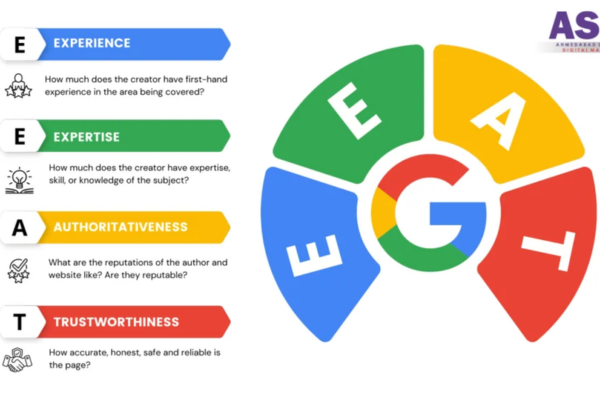
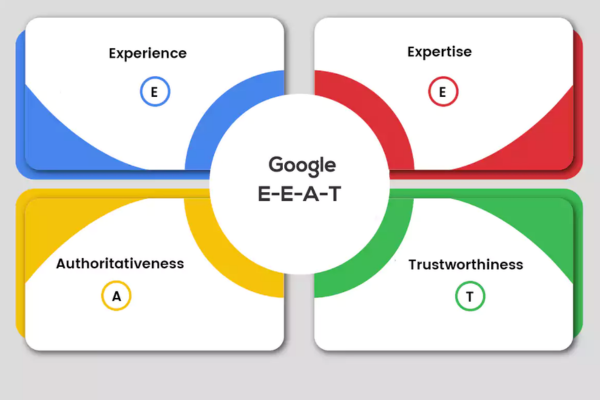
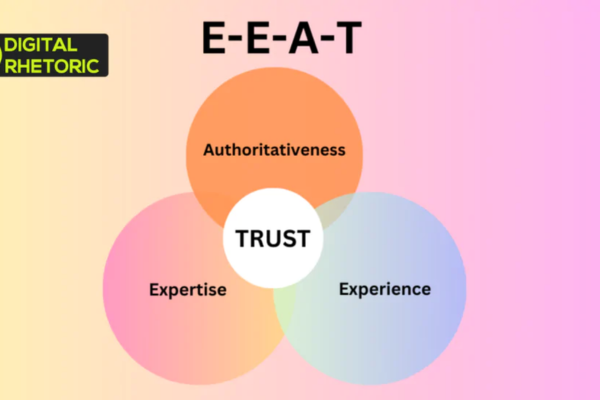
- Use E-E-A-T (Experience, Expertise, Authoritativeness, Trustworthiness) to rate brand credibility
These systems require content that’s clear, structured, and authoritative—so it can be correctly ingested and repurposed.
2. Optimize For Highest-Value Snippet Positions
Rank #1 organically? That no longer guarantees visibility. Now you must:
- Appear in the AI summary/answer box or within the citation carousel
- Ensure your brand and content are directly quoted, not just linked
Strategic Actions:
- Lead with a concise 2–3 sentence summary answering common queries
- Use FAQ and HowTo schema to structure content for AI interpretation
- Include the brand name and author credentials visibly in clear information sections
3. Align Content With User Intent
Understanding why people search is as critical as what they search:
- Informational intent: “What are the benefits of vitamin C capsules?”
- Transactional intent: “Buy vitamin C capsules online India”
- Comparative intent: “Vitamin C vs Vitamin D for immunity”
Adapting content structure to satisfy intent means:
- Using question–answer formats for informational queries
- Clear product benefits and CTAs for transactional searches
- Comparison tables or feature lists for comparative intent
4. Structure Content for AI Consumption
How AI “sees” your content matters:
| Use Case | Content Style | Benefit for AI Retrieval |
|---|---|---|
| TL;DR Section | Short summary at top | Strong candidate for AI answer boxes |
| Headings | H2/H3 questions like user queries | Easier segmentation and understanding of content |
| Lists & Steps | Bullet points or numbered lists | Ideal for how-to instructions |
| Tables | Comparisons with stats and features | Machine-readable accuracy |
| FAQ Sections | Q&A format with schema | Aligns with conversational AI and voice search |
This boosts your visibility in AI-generated overlays and follow-up queries.
5. Build Topical Authority
AI algorithms favor sources that demonstrate depth and consistency within a subject:
Strategy:
- Create content hubs around your key themes (wellness, supplements, mental health)
- Link supporting articles back to core “pillar” content
- Regularly update content to reflect new data or insights
- Demonstrate E-E-A-T: author bios, expert quotes, data citations, trust signals, and external references
6. Safeguard Brand Mentions and Citations
Even without clicks, conditional citations in AI summaries elevate brand recall:
Tips for prominence:
- Use your brand name, product name, or solution in answer-first lines
- Ensure author name and credentials are visible
- Include brand signals like logos, brand-accredited data, or quotes
- Maintain structured markup (schema) around branded sections
7. Prepare for Conversation Flow
AI interfaces often present follow-up questions. Your content should anticipate and address these, e.g.:
Follow-ups to: “How to build muscle fast?”
- When to take protein supplements?
- Best time to workout in India?
- How much protein do I need per day?
How to prepare:
- Dedicate sections or sub-headings for relevant FAQs
- Use schema markup to label them clearly
- Answer conversationally yet succinctly
8. Embrace Voice & Multimodal Search
AI search is often used by voice assistants and integrated devices:
- Conversational voice tone: Write like you’re speaking to a human
- Audio-friendly phrasing: Use rhetorical questions or direct address (“Let’s walk through it…”)
- Image support: Use infographics or visuals that express core insights
These help your content shine when summarized or used in voice responses.
9. Prioritize Trust Signals and Freshness
AI systems prioritize content that is current and reliable:
- Display author credentials and update timestamps
- Link to authoritative sources (e.g., WHO, government bodies)
- Highlight original research or quotes from experts
- Refresh evergreen content annually to stay relevant
10. Develop New Metrics Beyond Clicks
Success in the AI search era isn’t defined by traffic alone. Focus on:
- AI visibility: monitor AI snippet/carousel placements
- Branded impressions: growth in brand-related queries
- Conversion lift: contact forms, downloads, purchases
- Retention metrics: brand recall from first exposure to AI summary
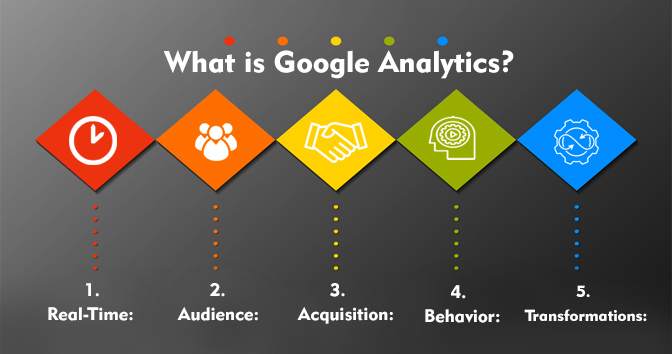
Track using tools like brand-monitoring platforms, search console insights, and internal analytics.
Real-World Example: “FitSprout” – A Wellness Brand in India
Background:
FitSprout offers plant-based supplement powders and holistic wellness guides targeting urban consumers.
Challenge:
Post-launch of Google SGE, FitSprout saw organic traffic drop by ~25%, though brand awareness remained stable.
Strategic Overhaul:
- Answer-First Summaries:
- ID key questions like “How much pea protein daily?”
- Top of article TL;DR answers: “Daily pea protein requirement is 0.8–1.2 g/kg body weight, so a 60 kg adult needs 48–72 g daily.”
- Structured Content & Schema:
- HowTo steps for “Mixing plant-based protein shakes”
- Comparative tables between pea, soy, and whey proteins
- FAQs on digestion, allergies, timing
- Topical Content Hub:
- Clustered articles on high-protein vegetarian diets, supplements for women, recovery after workouts
- Brand Visibility:
- Explicit brand mention in each summary (“FitSprout recommends…”)
- Bio section: “Dr. Meera Singh, Sports Nutritionist, RTM India”
- Conversion Funnels:
- Embedded “Download protein calculator” PDF
- Chatbot triggered by AI discovery for personalized plans
Results (Six Months):
- FitSprout was cited in SGE for queries like “plant protein benefit women,” improving brand reach
- Guide downloads rose 38%, while free trial sign-ups for their online workout app doubled
- Organic click-throughs remained stable; however, conversion per visit increased by 22%
Conclusion: AI Search Demands Smarter Content
Preparing for the AI-powered search future requires more than tweaks—it calls for an entirely new content architecture. Brands must:
- Format for quick readability and AI extraction
- Optimize for multi-step conversational queries
- Build trust through credentials, freshness, and usability
- Measure success through visibility and conversion—not just traffic
In 2025 and beyond, brands that embrace AI search formats will win the visibility game by being both discoverable and trusted—even when users never click through. If you’d like help auditing your site, optimizing your content, or mapping AI visibility improvements, I’d be happy to assist!