Introduction
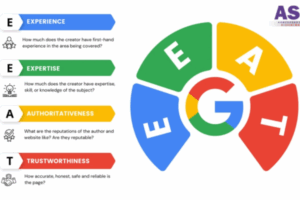
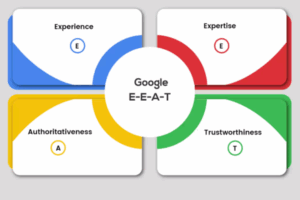
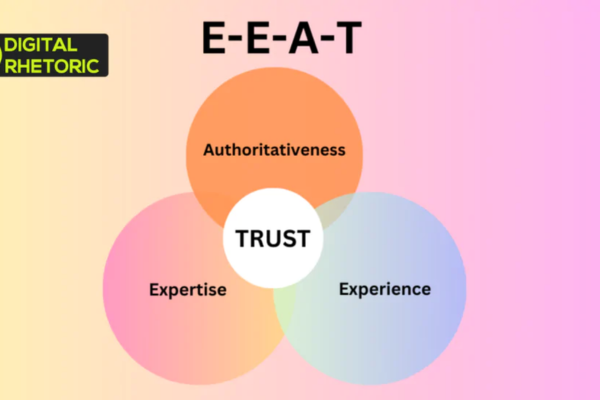
In 2025, delivering exceptional search performance has become synonymous with demonstrating Experience, Expertise, Authoritativeness, and Trustworthiness (E‑E‑A‑T). Originally E‑A‑T, Google added “Experience” in 2022, signaling the value of firsthand knowledge in the eyes of both search algorithms and human evaluators (v9digital.com).
Today, E‑E‑A‑T is more than just a best practice—it’s a cornerstone of content strategy, especially for YMYL (Your Money or Life) topics like finance, health, law, and consumer tech. Establishing E‑E‑A‑T requires a holistic approach encompassing deep domain experience, verifiable expert authority, a strong web presence, and transparent trust signals.
1. Experience: Why Firsthand Knowledge Outranks Rehashed Advice
Why it matters:
Google’s updated quality guidelines value content from authors with lived experience (v9digital.com). Content that includes real examples, personal insights, case studies, or tutorials showcases that the author knows their field—not just researched it.
Action Steps:
- Share first‑hand stories, like personal outcomes from financial decisions or hands‑on product tests.
- Use media evidence (e.g., images, walkthroughs, screenshots) to underscore authenticity .
- Create case studies or customer testimonials with quantifiable results.
2. Expertise: Verifying Skill and Knowledge
Why it matters:
Expertise is a core component of E‑E‑A‑T. Google wants to see authors with proven credentials—education, certifications, or industry history (123articleonline.com).
Action Steps:
- Publish detailed author bios with qualifications and background.
- Link authors to professional profiles (like LinkedIn) or portfolio sites (junhammer.com).
- Let certified experts create or review YMYL content, and note their role visibly on the page (aalamrohile.in).
3. Authoritativeness: Building Industry Credibility
Why it matters:
Authoritativeness signals how others view your content. Google measures this via citations, backlinks, brand mentions, and your media presence (singlegrain.com).
Action Steps:
- Produce original research or proprietary data (e.g., survey findings). These earn more backlinks and engagement (junhammer.com).
- Pursue high‑quality backlinks from credible industry or media outlets .
- Collaborate with thought leaders—via quotes, interviews, or joint content—to gain visibility and credibility .
- Establish a consistent media presence—podcasts, webinars, and guest blogs—to amplify authority (singlegrain.com).
4. Trustworthiness: Building Reader Confidence
Why it matters:
Trust underpins all search quality. Google checks for technical security, transparent attribution, accurate citations, and user-focused site structure (akashtimes.com).
Action Steps:
- Ensure HTTPS and SSL encryption across your site .
- Provide clear contact pages, privacy policies, and TOS (123articleonline.com).
- Include customer reviews, testimonials, and ratings to show real-world trust (boostability.com).
- Keep information accurate, well‑cited, and updated continuously (aalamrohile.in).
5. Synthesizing E‑E‑A‑T Across Content Types
To fully implement E‑E‑A‑T:
- Experience: Integrate real-life use, analysis, or case studies.
- Expertise: Showcase author credentials and editorial oversight.
- Authoritativeness: Back your content with referral traffic, link depth, and expert collaboration.
- Trustworthiness: Build a secure, transparent, and verifiable content environment.
Practical Example: “HealthTrack India” – Diabetes Care Hub
Background:
HealthTrack India is a niche platform offering resources on diabetes management, nutrition, and diabetic technology tools (e.g., glucose monitors).
Challenge:
While ranking on Page 1 for “best glucometers in India,” health content wasn’t included in AI summaries or showing strong engagement—indicating E‑E‑A‑T gaps.
E‑E‑A‑T Implementation:
- Experience:
- Including author’s real‑world testing of glucometers with photographs and readings.
- Publishing monthly case studies from patient volunteers covering HbA1c trends.
- Expertise:
- All articles authored or reviewed by a certified endocrinologist, Dr. Nidhi Mehta MD, whose bio highlights over 10 years’ clinic experience.
- Her credentials and affiliation (All India Institute of Medical Sciences) featured on every health article.
- Authoritativeness:
- Commissioned a nationwide survey on glucometer accuracy, shared via an exclusive report.
- Quoted in health magazines and diabetes forums, earning backlinks and recognition as a referral source.
- Trustworthiness:
- Secure site with HTTPS and explicit data privacy policies.
- Clear contact info and waiver statements for medical content.
- User reviews (5-star ratings) from glucose monitor buyers featured prominently.
- Content refreshed quarterly to reflect changing tech and guidelines.
Results (after 6 months):
- HealthTrack India’s glucometer review guide began appearing in AI summary boxes, citing survey data and specialist insights.
- Backlinks increased by 45%, including mentions in prominent health publications.
- Organic traffic rose 30%, with a 25% improvement in session duration and 18% lower bounce rates—indicating enhanced user trust.
- Affiliate conversions (glucometer purchases) grew by 35%, aided by clear demonstrations, endorsements, and authority credentials.
Tools and Techniques to Enhance E‑E‑A‑T
- Frase, Surfer, Semrush: Structure content around commonly asked questions, ensuring coverage and relevance (plangphalla.com, v9digital.com, 123articleonline.com).
- Author Bio Plugins: Create robust author profiles linking to expertise and credentials.
- Schema Markup: Use Article, Author, Review structured data.
- Link Analysis: Monitor backlinks, outreach success, and domain authority.
- Content Audits & Refresh: Regularly check and update for relevancy and accuracy.
Conclusion
E‑E‑A‑T isn’t a static checklist—it’s a content philosophy for 2025. It requires more than well-written text; it demands authentic experience, verifiable knowledge, industry-driven credibility, and consistent transparency. In an era of AI-driven search and increasingly discerning evaluators, these qualities separate content truly trusted by users—and algorithms—from the rest.
Brands that weave E‑E‑A‑T into every layer—from content strategy and author identity to data-backed reporting and site technicals—will not only rank higher but also:
- Earn richer placements in AI overviews,
- Attract more meaningful backlinks and citations,
- And generate real-world engagement and conversions.