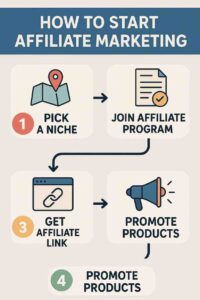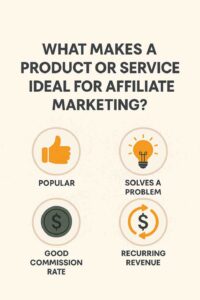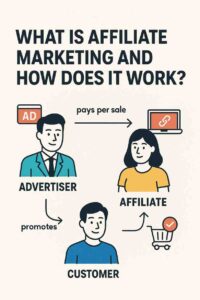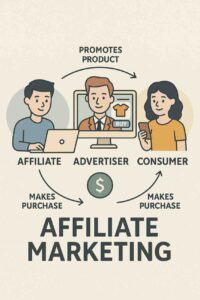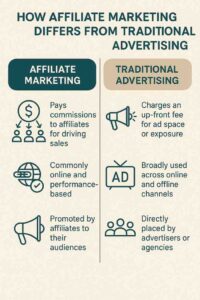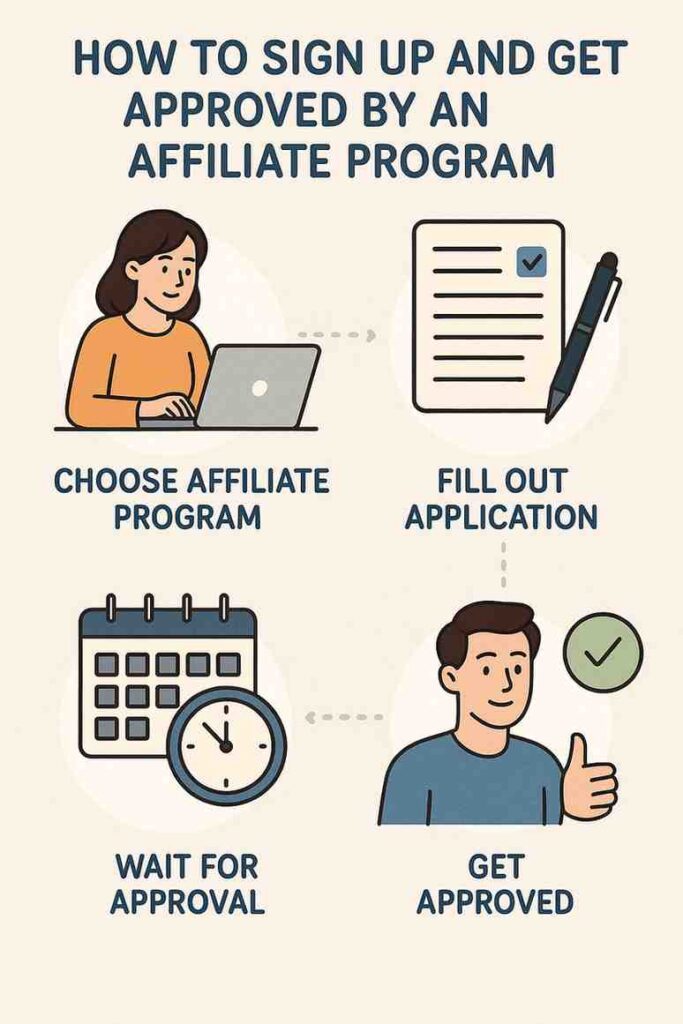
Affiliate marketing is a performance-based strategy where individuals promote products or services through unique referral links, earning commissions for driving sales or traffic. In 2025, the global affiliate marketing industry is valued at over $17 billion, with a 25% growth rate in emerging markets like India (Statista, 2025). Signing up and getting approved by an affiliate program is a critical first step for beginners and seasoned marketers alike, requiring careful selection, preparation, and adherence to program requirements. This process involves researching programs, meeting eligibility criteria, crafting a compelling application, and optimizing post-approval strategies. This essay provides a detailed guide on how to sign up and secure approval for an affiliate program, addressing key steps, challenges, and best practices, and includes a real-world example to illustrate the process.
Step-by-Step Guide to Signing Up and Getting Approved
Step 1: Research Affiliate Programs
Choosing the right affiliate program is foundational to success, aligning with your niche, audience, and goals:
-
Mechanism: Affiliate programs are offered by merchants (e.g., Amazon, NordVPN) or networks (e.g., ShareASale, CJ Affiliate). Research programs that match your niche—health, tech, finance, or lifestyle—using criteria like commission rates (10–50% is ideal), cookie duration (30–90 days), and product relevance.
-
Action: Use Google searches (e.g., “fitness affiliate programs 2025”), X posts, or directories like AffiliatesDirectory.com to identify programs. Evaluate:
-
Commission Structure: High payouts (e.g., Bluehost’s $65–$200 per signup) or recurring commissions (e.g., ConvertKit’s 30% recurring).
-
Product Quality: Trusted brands with strong reviews (e.g., Amazon’s 4-star products).
-
Support: Programs offering banners, tracking tools, and dedicated managers.
-
Reputation: Check X or Trustpilot for affiliate feedback on payouts and reliability.
-
-
Popular Programs: Amazon Associates (1–10% commissions), ClickBank (20–75%), ShareASale (diverse niches), and in India, Flipkart Affiliate (2–12% commissions).
-
Challenges: Oversaturated programs (e.g., Amazon) have low commissions, while niche programs may require established platforms for approval.
-
Example: A beginner in the fitness niche finds Amazon Associates for workout gear and NordicTrack’s program (8% commissions) via Google and X searches.
Step 2: Build a Platform or Online Presence
Most affiliate programs require a platform—blog, website, YouTube channel, or social media account—to evaluate your ability to drive traffic:
-
Mechanism: Programs assess platforms for quality, audience engagement, and relevance. A basic website or social media profile with 500–1,000 followers can suffice for beginner-friendly programs like Amazon Associates or ClickBank.
-
Action:
-
Website/Blog: Purchase a domain ($10–$15/year via Namecheap) and hosting ($5–$10/month via Hostinger). Install WordPress with a free theme (e.g., Astra) and create 5–10 niche-specific posts (e.g., “Best Yoga Mats for Beginners”). Ensure a professional design with an “About” page and contact form.
-
YouTube: Start a channel with 3–5 videos (e.g., “Top Fitness Gadgets 2025”). Use a $50 microphone for quality audio and optimize descriptions with keywords.
-
Social Media: Build an Instagram or TikTok account with 10–20 posts in your niche (e.g., fitness tips with #HomeWorkout). Engage followers via comments and stories.
-
Content Quality: Include a privacy policy and affiliate disclosure to comply with FTC guidelines and India’s DPDPA (fines up to ₹250 crore for non-compliance, 2025).
-
-
Tools: Use Canva for visuals, Yoast for SEO, and Linktree for social media links.
-
Challenges: Building a platform takes 1–3 months, and low-quality content risks rejection. Programs like ShareASale may require 1,000+ monthly visitors.
-
Example: The beginner launches “FitHomeVibes.com” with 8 blog posts reviewing fitness gear, an Instagram account with 600 followers, and a YouTube channel with 3 videos.
Step 3: Select and Apply to Affiliate Programs
Once a platform is established, apply to programs that align with your niche and audience:
-
Mechanism: Applications typically require your name, contact details, platform URL, traffic sources, and promotional methods (e.g., content marketing, social media). Some programs auto-approve (e.g., Amazon), while others (e.g., ShareASale merchants) review manually.
-
Action:
-
Find Application Links: Visit merchant websites (e.g., amazon.com/associates) or network dashboards (e.g., shareasale.com). Search “affiliate program” on the merchant’s site or check footer links.
-
Complete Application:
-
Provide accurate platform details (e.g., FitHomeVibes.com, Instagram handle).
-
Describe your audience (e.g., “Fitness enthusiasts, 18–35, interested in home workouts”).
-
Outline promotion plans (e.g., “Blog reviews, YouTube tutorials, Instagram Reels”).
-
Be honest about traffic (e.g., “100 monthly visitors, growing via SEO”).
-
-
Apply to Multiple Programs: Start with 3–5 programs to diversify (e.g., Amazon, NordicTrack, Decathlon). Beginner-friendly programs like ClickBank require minimal traffic.
-
Compliance: Disclose promotional methods and adhere to program terms (e.g., no paid ads for Amazon Associates).
-
-
Challenges: Manual reviews may reject new platforms with low traffic or poor content. Some programs require tax forms (e.g., W-9 for U.S.-based programs).
-
Example: The beginner applies to Amazon Associates (auto-approved) and NordicTrack (manual review), submitting FitHomeVibes.com and Instagram details, emphasizing fitness content.
Step 4: Optimize Your Application for Approval
Crafting a compelling application increases approval chances, especially for selective programs:
-
Mechanism: Programs evaluate platform quality, niche relevance, and compliance with guidelines. A professional, niche-focused platform with consistent content signals reliability.
-
Action:
-
Enhance Platform: Ensure 5–10 high-quality posts with images, SEO optimization, and affiliate disclosures. Avoid placeholder text or broken links.
-
Demonstrate Relevance: Tailor applications to the program’s niche (e.g., highlight fitness content for NordicTrack). Show audience engagement via comments or analytics.
-
Be Transparent: Disclose traffic sources (e.g., organic search, social media) and promotional methods. Avoid spammy tactics (e.g., cloaking links).
-
Follow Up: If rejected, email the affiliate manager for feedback, improve your platform, and reapply after 1–2 months.
-
-
Best Practices: Use a professional email (e.g., contact@fithomevibes.com), proofread applications, and align content with the merchant’s brand (e.g., health-focused for NordicTrack).
-
Challenges: Low traffic or generic content leads to rejections. Programs like Rakuten require 1,000+ followers or established sites.
-
Example: The beginner optimizes FitHomeVibes.com with 10 SEO-optimized fitness posts, a privacy policy, and engagement stats (50 comments/month on Instagram), securing NordicTrack approval.
Step 5: Set Up Tracking and Compliance Post-Approval
After approval, configure tracking and ensure compliance to maintain good standing:
-
Mechanism: Programs provide unique affiliate links or codes via dashboards. Tracking cookies (e.g., 30-day duration) record clicks and conversions. Compliance with FTC, GDPR, and DPDPA ensures transparency.
-
Action:
-
Access Dashboard: Log into the program’s portal (e.g., Amazon Associates Central) to retrieve links, banners, or widgets.
-
Integrate Links: Embed links in content (e.g., blog posts, YouTube descriptions) using tools like Pretty Links for short URLs. Test links to ensure tracking works.
-
Disclose Affiliations: Add “This post contains affiliate links” to content, per FTC and DPDPA guidelines. Use clear, visible disclosures to avoid penalties.
-
Monitor Performance: Use program analytics to track clicks, conversions (1–5% average, Impact, 2024), and earnings. Adjust strategies based on high-performing links.
-
-
Tools: Google Analytics for traffic insights, Bitly for link tracking, and Yoast for SEO compliance.
-
Challenges: Incorrect link setup leads to lost commissions. Non-compliance risks program termination or fines (e.g., ₹250 crore under DPDPA).
-
Example: The beginner embeds Amazon and NordicTrack links in blog posts and YouTube descriptions, adds disclosures, and tracks clicks via Amazon’s dashboard.
Step 6: Create Content and Drive Traffic
Post-approval, focus on content creation and traffic generation to maximize earnings:
-
Mechanism: High-quality content (e.g., reviews, tutorials, listicles) drives clicks and conversions. Traffic sources include SEO, social media, and email marketing.
-
Action:
-
Content: Publish 2–3 weekly pieces (e.g., “Top 5 Treadmills for Home Use”) with natural link placement. Use visuals (Canva) and CTAs (e.g., “Check Price”).
-
Traffic: Optimize for SEO using Google Keyword Planner (e.g., “best fitness gear 2025”). Share content on Instagram, X, and niche forums (e.g., Reddit’s r/Fitness). Build an email list with Mailchimp for newsletters.
-
Engagement: Respond to comments and join X fitness groups to boost visibility.
-
-
Challenges: Building traffic takes 3–6 months. Low-quality content or spammy promotion risks program bans.
-
Example: The beginner publishes “Best Home Gym Equipment” on FitHomeVibes.com, shares Reels on Instagram (#FitnessIndia), and joins X fitness discussions, driving 1,000 monthly visits.
Step 7: Maintain and Scale
Sustain program approval and scale efforts for long-term success:
-
Mechanism: Adhere to program rules (e.g., no incentivized clicks) and optimize based on performance data. Scale by joining more programs or expanding platforms.
-
Action:
-
Compliance: Regularly review program terms and update disclosures. Avoid prohibited tactics (e.g., Amazon bans direct email links).
-
Optimization: Analyze dashboard data to focus on high-converting products (e.g., NordicTrack’s 3% conversion vs. Amazon’s 1%). Test new content formats (e.g., YouTube Shorts).
-
Scaling: Apply to additional programs (e.g., Fitbit, Peloton) and add platforms (e.g., TikTok). Invest earnings in ads ($5–$10/day) or tools (SEMrush, $120/year).
-
-
Challenges: Scaling too fast risks quality decline. Regulatory changes (e.g., DPDPA enforcement) require ongoing compliance.
-
Example: The beginner maintains Amazon and NordicTrack compliance, joins Fitbit’s program, and earns ₹10,000/month after 6 months by scaling to TikTok.
Challenges in Signing Up and Getting Approved
-
Platform Requirements: Selective programs reject new sites with low traffic or poor content.
-
Competition: Saturated niches require unique platforms to stand out.
-
Compliance: FTC, GDPR, and DPDPA mandate transparent disclosures, with non-compliance risking fines.
-
Learning Curve: Understanding program terms and tracking takes time.
-
Rejections: Manual reviews may delay or deny approval, requiring persistence.
Case Study: Joining Amazon Associates
An Indian beginner, Arjun, successfully joined Amazon Associates in 2024, with lessons applicable to 2025.
Background
Arjun, a tech enthusiast, launched a blog, “TechBit,” targeting budget gadgets, leveraging India’s $100 billion e-commerce market (Statista, 2025).
Steps Taken
-
Research: Arjun found Amazon Associates via Google and X, noting 2–10% commissions and beginner-friendly auto-approval.
-
Platform: He built TechBit.com ($12/year domain, $7/month hosting) with 8 posts (e.g., “Best Earbuds Under ₹5,000”). He started an Instagram account (@TechBitIndia) with 500 followers.
-
Application: Arjun applied via amazon.in/associates, submitting TechBit.com, describing his audience (tech-savvy youth), and outlining SEO and social media promotion. He was auto-approved within hours.
-
Optimization: He added a privacy policy, affiliate disclosure, and 5 more SEO-optimized posts. Amazon required 3 sales within 180 days for full approval, which Arjun met with earbud reviews.
-
Tracking: He embedded links in blog posts and Instagram bio, using Amazon’s dashboard to track 2% conversions.
-
Content/Traffic: Arjun posted weekly reviews, shared Reels with #TechIndia, and joined X tech groups, reaching 2,000 monthly visitors in 4 months.
-
Scaling: He joined Flipkart Affiliate (5–12% commissions), earning ₹8,000/month by month 6.
Impact and Lessons
-
Earnings: Arjun earned ₹96,000 annually, reinvesting in ads.
-
Audience: TechBit.com gained 5,000 monthly visitors, with 1,200 Instagram followers.
-
Lessons: A niche-focused platform, compliance, and SEO drove approval and success.
-
Relevance: Amazon’s accessibility suits India’s growing affiliate market (25% CAGR, X posts, 2025).
Conclusion
Signing up and getting approved by an affiliate program involves researching programs, building a niche-focused platform, applying strategically, optimizing for approval, setting up tracking, creating content, and scaling efforts. These steps, while time-intensive (3–6 months for traction), leverage low-cost tools and digital platforms. Arjun’s success with Amazon Associates demonstrates the effectiveness of a professional platform and compliance in India’s booming e-commerce landscape. In 2025, beginners must navigate competition, regulatory requirements (e.g., DPDPA), and program rules to succeed. With persistence and strategic execution, affiliate marketing offers a viable path to generating income in the digital economy.