Introduction
Facebook is one of the most powerful social media platforms in the world, with billions of users logging in every day to browse, engage, and connect. But have you ever wondered how Facebook decides what content appears on your News Feed? With millions of posts shared every hour, the platform relies on complex algorithms to curate a personalized feed for each user.
Facebook’s algorithm is designed to show you the most relevant, engaging, and timely content based on your behavior, preferences, and interactions. This algorithm constantly evolves, but its core purpose remains the same: to keep users engaged by showing them content they’re most likely to care about.
In this article, we will explore how Facebook’s algorithms work, what factors influence what you see on your feed, and how these systems shape your experience. We’ll also provide a real-world example to demonstrate the algorithm in action.
1. What Is the Facebook Algorithm?
At its core, the Facebook algorithm is a set of rules and machine learning models that determine what content appears in a user’s News Feed, in what order, and why. It filters through the thousands of potential posts you could see and ranks them based on relevance.
The algorithm analyzes:
- Your interactions (likes, comments, shares)
- Who you interact with most
- The type of content you engage with (videos, photos, articles)
- How recent a post is
- The popularity of a post among your network
It’s not a single algorithm but a combination of multiple systems and ranking models, all designed to predict what content will matter most to you.
2. The History and Evolution of the Facebook Algorithm
Over the years, Facebook has significantly evolved its algorithm to prioritize different types of content:
- 2009: Introduced the concept of showing “top stories” instead of everything chronologically.
- 2015: Prioritized content from friends and family over publishers.
- 2016–2017: Focused more on reactions (like, love, angry, etc.) and video content.
- 2018: Made a major shift to encourage “meaningful social interactions,” downranking passive content.
- 2021 onwards: Increased transparency and user control over what’s shown, while enhancing AI-driven content recommendations.
Each update reflects Facebook’s ongoing goal of keeping users more engaged while balancing ethical concerns such as misinformation and mental well-being.
3. Key Ranking Signals in the Facebook Algorithm
The current Facebook algorithm considers four key elements to determine what appears in your feed:
1. Inventory
This is the pool of all available posts Facebook could show you at any moment. It includes:
- Posts from friends
- Pages you follow
- Groups you’ve joined
- Sponsored (advertised) content
- Suggested posts
2. Signals
Signals are the data points Facebook uses to assess each post. These include:
- Who posted it (friend, group, page)
- Type of content (photo, video, link, status)
- Recency of the post
- Your previous interactions with that person/page
- Engagement on the post (likes, comments, shares)
- Time spent viewing similar content
3. Predictions
The algorithm makes predictions about how likely you are to engage with a post:
- Will you like it?
- Will you comment on it?
- Will you share it?
- Will you spend time reading or watching it?
These predictions are based on your past behavior.
4. Score
Each piece of content receives a relevance score, and the highest-scoring posts are shown first. Lower-scoring content is pushed further down or omitted altogether.
4. How the Algorithm Shapes Your Feed
Let’s look at an example to illustrate how Facebook decides what you see.
🧍Example: Jane’s Personalized Feed
Jane is a 30-year-old teacher who logs into Facebook every evening.
Her typical activity:
- Likes and comments on posts from her close friends
- Follows a few education pages
- Shares funny cat videos from a viral animal page
- Occasionally browses parenting groups
When Jane logs in tonight, Facebook has over 2,000 potential posts it could show her. The algorithm quickly evaluates this inventory.
Here’s what it prioritizes:
- A recent status update from her best friend, who she comments on frequently.
- A new video from the animal page that she shares from time to time.
- A post in the parenting group she visited last week, with lots of comments from others.
- A suggested post from a new teacher’s community, based on her interests.
What it deprioritizes:
- A news article from a page she liked three years ago but hasn’t engaged with since.
- A post from a distant friend she never interacts with.
- A meme with poor engagement that many users are hiding.
As a result, Jane’s feed feels relevant, entertaining, and personal—even though it’s been heavily filtered and ranked by the algorithm.
5. Facebook’s Algorithm for Video and Reels
Facebook has made video content, especially Reels and live videos, a core focus of its algorithm. Videos are ranked based on:
- Watch time: Longer engagement means higher rank.
- Originality: Unique videos rank better than re-shared or plagiarized ones.
- Replays: If users rewatch, the content gets a boost.
- Engagement: Shares and comments matter more than passive likes.
Reels, in particular, are shown not only from people you follow but also from AI-powered suggestions, like TikTok. This helps Facebook increase time spent on the app.
6. Advertising and Sponsored Content
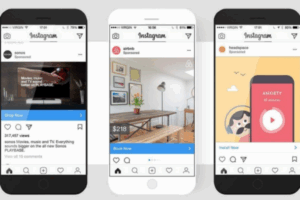
Facebook also uses its algorithm to determine which sponsored posts or ads to show. These are based on:
- Your browsing and shopping history (on and off Facebook)
- Page likes and interactions
- Demographics and location
- Interests you’ve shown through behavior
Facebook’s ad algorithm is separate but integrated with the News Feed, meaning ads are personalized and ranked similarly to organic content.
7. User Control and Customization
In response to criticism about echo chambers and misinformation, Facebook has added more controls:
- Favorites: You can mark up to 30 friends and pages as “favorites” so their content shows higher in your feed.
- Snooze/Unfollow: Temporarily mute or permanently stop seeing posts from a person, page, or group.
- Why am I seeing this?: A transparency feature explaining why a particular post or ad appeared.
- News Feed Preferences: Customize who and what you want prioritized.
These tools help users fine-tune their experience and teach the algorithm what matters to them.
8. Algorithm Criticism and Ethical Considerations
While Facebook’s algorithm improves engagement, it also faces serious criticism, such as:
- Filter bubbles: Users are only exposed to content that reinforces existing beliefs.
- Misinformation: Viral content, even if false, can be boosted based on engagement.
- Mental health impacts: Over-curated feeds may affect self-esteem or create unrealistic comparisons.
- Privacy concerns: Many feel uneasy about how much personal data is used to power these algorithms.
In response, Facebook (and its parent company Meta) has made moves toward greater algorithm transparency and ethical AI design.
9. How You Can Influence What You See
Although the algorithm plays a major role, users can actively shape their feed:
- Engage more with the people and pages you care about
- Hide or report irrelevant or harmful content
- Use the “favorites” feature to prioritize preferred sources
- Join groups and communities aligned with your interests
The more you interact, the better Facebook’s algorithm understands your preferences.
Conclusion
Facebook’s algorithm is a powerful system that drives the content experience of billions of users every day. By analyzing your behavior, preferences, and network interactions, it decides what content shows up in your feed—and in what order.
Though it’s often criticized for its influence, the algorithm is also what makes Facebook feel personal, timely, and relevant. Whether it’s showing a post from a close friend, a viral video, or a recommended group, the algorithm plays an invisible but crucial role in shaping your online experience.
Understanding how it works gives you the power to take control of your feed, engage more intentionally, and be aware of how your digital behavior shapes what you see.