Introduction
In the modern digital age, education is no longer confined to traditional classrooms. Social media platforms, once seen solely as distractions, have increasingly found a place in educational settings. One of the most prominent of these platforms is Facebook.
With over two billion active users worldwide, Facebook is a powerful tool that, when used strategically, can serve as a hub for collaboration, communication, content sharing, and learning. Educators and students alike are discovering ways to leverage Facebook not just for social interaction but also as a platform for learning enhancement.
In this article, we will explore how Facebook can be used for educational purposes, its features that support learning, best practices for educators, and a real-world example of its successful application in education.
1. Why Facebook in Education?
At first glance, Facebook might not appear to be an obvious choice for education. However, its core features—groups, pages, messaging, events, and content sharing—make it a surprisingly effective educational tool. Since most students are already familiar with Facebook’s interface, integrating it into learning is accessible and low-cost.
Some of the benefits of using Facebook for education include:
- Increased student engagement
- Real-time communication
- Access to a wide range of learning resources
- Easy collaboration on group projects
- Community-building within classes
Rather than discouraging its use, many educators are now finding ways to incorporate Facebook into academic environments meaningfully and responsibly.
2. Facebook Features That Support Education
A. Facebook Groups
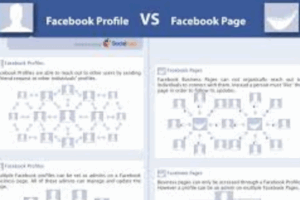
Groups are perhaps the most valuable feature for educators. Teachers can create closed or private groups for their classes where only invited students can join.
In these groups, members can:
- Share files and links
- Post announcements
- Ask and answer questions
- Submit assignments
- Organize discussions
Groups can also be tailored for specific subjects, project teams, extracurricular clubs, or school-wide communities.
B. Facebook Pages
Educational institutions, instructors, and departments can set up Facebook Pages to:
- Share updates
- Post learning materials
- Livestream lessons
- Promote events or programs
Unlike groups, pages are public-facing, so they’re ideal for broadcasting information to a wider audience, including parents and alumni.
C. Facebook Messenger
Messenger allows instant communication between teachers and students or among peers. Group chats can help with:
- Quick Q&A sessions
- Team project coordination
- Virtual tutoring or peer support
For remote learning or hybrid classes, Messenger offers a familiar way to stay connected outside scheduled sessions.
D. Facebook Live
Facebook Live allows educators to:
- Stream lessons or Q&A sessions
- Host guest speakers
- Deliver virtual workshops
Live videos can be saved and revisited by students at any time, making it a flexible tool for asynchronous learning.
E. Events
Teachers and administrators can use the Events feature to:
- Schedule assignment due dates
- Set up exam reminders
- Organize study groups or webinars
Students can RSVP, ask questions, and get automatic reminders.
3. Ways Facebook Supports Learning
1. Encouraging Active Participation
Facebook enables students to engage beyond the classroom, encouraging discussions and interactions. Unlike traditional lecture formats, Facebook invites students to ask questions, post resources, and exchange ideas at any time.
This 24/7 learning environment fosters curiosity and continuous engagement.
2. Peer-to-Peer Learning
Students often feel more comfortable discussing topics with peers. Facebook groups and Messenger chats allow them to:
- Review difficult concepts together
- Exchange notes
- Share helpful content like videos, articles, or infographics
Peer collaboration builds deeper understanding and reinforces classroom learning.
3. Resource Sharing
Facebook makes it easy to share:
- YouTube educational videos
- Academic articles and PDFs
- Online quizzes or educational games
- Real-world examples from current news
This creates a dynamic and multimedia-rich learning experience, far more engaging than textbook-only methods.
4. Creating a Learning Community
Facebook groups can become strong learning communities where:
- Students support one another
- Teachers are accessible outside class
- Everyone shares updates, achievements, or tips
Such communities foster a sense of belonging, which is linked to improved academic performance and motivation.
4. Real-World Example: Facebook in a High School Literature Class
👩🏫 Case Study: Ms. Taylor’s 11th Grade English Class
Ms. Taylor, a high school English teacher in California, decided to integrate Facebook into her classroom. She created a private Facebook Group called “Ms. Taylor’s Literature Circle.”
Objectives:
- Improve student engagement with assigned readings
- Encourage peer-to-peer discussion
- Share supplementary materials (videos, articles, podcasts)
Activities:
- Weekly discussion posts: Students responded to prompts like “What would you have done in the protagonist’s place?”
- Live sessions: Ms. Taylor hosted Facebook Live Q&A sessions before major essays or exams.
- Multimedia posts: She shared videos analyzing Shakespearean themes and TED Talks on storytelling.
- Peer reviews: Students uploaded essays and gave each other feedback in the comments section.
- Event reminders: Due dates for reading logs and essay submissions were posted as Events.
Outcome:
- Student participation increased by 40%
- Even shy students contributed regularly online
- Students reported feeling more confident in their literary analysis
This example shows how a teacher used Facebook’s familiar and interactive environment to deepen student engagement and build a supportive learning space.
5. Best Practices for Educators Using Facebook
To ensure that Facebook is used effectively and responsibly, here are some best practices:
✅ Establish Clear Rules
- Define what’s appropriate and what isn’t
- Set expectations for respectful communication
- Specify assignment deadlines and submission formats
✅ Maintain Professional Boundaries
- Use a separate teacher account or page for classroom interaction
- Avoid friending students on personal profiles
- Keep communication focused on academics
✅ Monitor Group Activity
- Regularly check posts and comments
- Remove spam or inappropriate content
- Engage with students by liking or commenting on posts
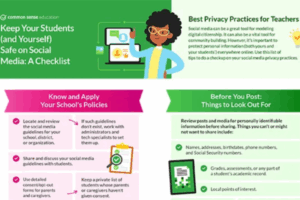
✅ Address Privacy Concerns
- Use private or closed groups to control access
- Educate students about online safety and digital citizenship
- Avoid sharing personal or sensitive information
✅ Balance Facebook with Other Platforms
While Facebook is powerful, it should complement rather than replace official learning management systems (LMS) like Google Classroom, Moodle, or Microsoft Teams.
6. Limitations and Considerations
While Facebook offers many advantages for education, it’s not without limitations:
- Not all students use Facebook, particularly younger students or those concerned with privacy.
- Facebook may be blocked or restricted in some schools or countries.
- The platform includes distractions like memes, ads, and non-academic content.
- Educators need to be mindful of screen time and avoid over-relying on social media.
As such, Facebook should be seen as one tool among many in the digital learning toolkit.
Conclusion
Facebook is much more than a social media site—it’s a versatile platform that, when used intentionally, can become a powerful asset for education. From enhancing communication and collaboration to creating vibrant learning communities, Facebook offers numerous tools that align with the goals of 21st-century education.
Whether through private groups for class discussions, pages to distribute learning content, or Messenger chats for peer support, Facebook allows educators and students to connect, share, and grow.
However, successful use of Facebook for education depends on clear guidelines, responsible usage, and integration with broader teaching strategies. Educators must balance innovation with caution to ensure that Facebook enhances learning rather than distracts from it.
As Ms. Taylor’s literature class demonstrates, even a simple Facebook group can turn a traditional classroom into a more engaging, interactive, and inclusive learning space. In a world where digital literacy is essential, platforms like Facebook can help bridge the gap between formal education and real-world skills.