In affiliate marketing, where individuals or businesses earn commissions by promoting products or services through unique tracking links, the authenticity and credibility of promotions are critical to success. Promoting products that an affiliate has not personally used or tested introduces significant risks that can undermine trust, reduce conversions, and jeopardize long-term viability. While it may be tempting to promote untested products to expand revenue streams or capitalize on trending offers, the consequences can outweigh the benefits. This comprehensive explanation, spanning at least 1,200 words, will explore the risks associated with promoting products you haven’t used, covering ethical, financial, legal, and operational impacts, and provide a practical example to illustrate these challenges.
Understanding the Practice of Promoting Untested Products
Affiliate marketers often rely on content—such as blog posts, reviews, videos, or social media posts—to drive traffic to affiliate links and generate conversions (e.g., sales, leads, or clicks). To create compelling content, affiliates typically draw on personal experience, research, or merchant-provided materials. However, some affiliates promote products they haven’t used, relying solely on:
- Merchant Descriptions: Copying product details, benefits, or claims from the merchant’s website or promotional materials.
- Third-Party Reviews: Aggregating information from other reviews or testimonials without verifying their accuracy.
- Hype or Trends: Capitalizing on popular products or niches without firsthand knowledge, often to chase high commissions.
While this approach may save time or allow affiliates to promote a broader range of products, it introduces significant risks that can harm their business and reputation.
Risks of Promoting Products You Haven’t Used
Promoting untested products can lead to a cascade of negative outcomes, affecting credibility, revenue, legal standing, and operational efficiency. Below are the key risks:
1. Loss of Audience Trust and Credibility
Trust is the cornerstone of affiliate marketing, as audiences rely on affiliates for honest, reliable recommendations. Promoting products without personal experience undermines this trust:
- Inauthentic Recommendations: Audiences can often detect when reviews or endorsements lack genuine insight. Generic or overly promotional content based on secondhand information fails to resonate, reducing engagement and conversions.
- Exposure of Inexperience: If readers or viewers discover the affiliate hasn’t used the product, they may feel misled, damaging the affiliate’s credibility. For example, a blog post praising a fitness tracker’s accuracy without testing it may be called out if users experience issues the affiliate didn’t address.
- Negative Feedback: Dissatisfied customers who purchase based on the affiliate’s recommendation may leave negative comments or reviews, amplifying distrust across the affiliate’s platform (e.g., blog, YouTube channel, or social media).
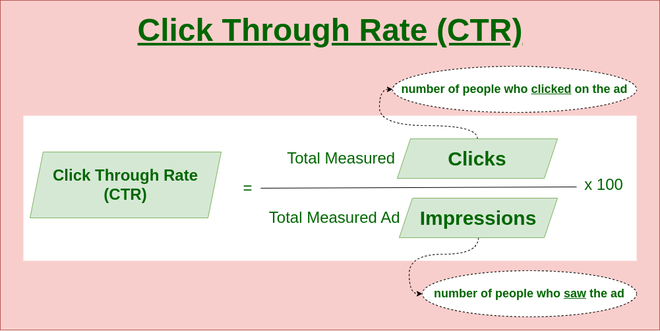
Lost trust can lead to declining traffic, lower click-through rates, and reduced conversions, directly impacting revenue.
2. Reduced Conversion Rates
Effective affiliate marketing relies on persuasive content that convinces audiences to act. Promoting untested products often results in lower conversions due to:
- Lack of Personal Insights: Personal anecdotes, real-world testing, or unique perspectives make recommendations compelling. Without these, content feels generic and fails to connect with audiences. For instance, a review of a software tool that merely rehashes the merchant’s claims lacks the depth to persuade skeptical buyers.
- Inaccurate Claims: Affiliates relying on unverified information may promote benefits that don’t hold up in practice, leading to disappointed customers who abandon purchases or return products.
- Mismatched Audience Needs: Without using the product, affiliates may misjudge whether it suits their audience’s needs, resulting in irrelevant recommendations that fail to convert.
Lower conversions mean fewer commissions, undermining the affiliate’s financial success.
3. Legal and Regulatory Risks
Promoting untested products can expose affiliates to legal and regulatory issues, particularly under consumer protection laws:
- False or Misleading Claims: In the U.S., the Federal Trade Commission (FTC) requires endorsements to reflect the affiliate’s honest opinion and be substantiated by evidence. Promoting a product without using it risks violating these guidelines if claims are inaccurate or exaggerated. For example, claiming a supplement “boosts energy” without testing it could lead to FTC scrutiny if the claim is unsubstantiated.
- GDPR Compliance (EU): If targeting EU residents, affiliates must comply with the General Data Protection Regulation (GDPR). Promoting untested products may involve collecting personal data (e.g., via lead magnets) without fully understanding the product’s data practices, risking non-compliance if the merchant mishandles user data.
- Copyright Issues: Affiliates often use merchant-provided content (e.g., images, descriptions) to promote untested products. Without permission or customization, this can lead to copyright infringement claims.
Legal violations can result in fines, lawsuits, or bans from affiliate programs, draining resources and damaging reputation.
4. Damage to Merchant and Network Relationships
Affiliate programs and merchants expect affiliates to represent their brand professionally. Promoting untested products can strain these relationships:
- Program Termination: Many affiliate programs require affiliates to promote products ethically and accurately. Promoting untested products that lead to customer complaints or high return rates may result in account suspension or termination.
- Withheld Commissions: If an affiliate’s promotions generate low-quality traffic or fraudulent conversions (e.g., due to misleading claims), merchants may withhold commissions or reverse payments.
- Brand Misrepresentation: Inaccurate or uninformed promotions can misalign with the merchant’s messaging, harming their reputation. For instance, promoting a skincare product as “hypoallergenic” without testing it could mislead sensitive-skinned customers, reflecting poorly on the merchant.
Losing access to affiliate programs limits revenue opportunities and partnerships.
5. Increased Refunds and Chargebacks
Untested products may not meet customer expectations, leading to:
- High Return Rates: If the product underperforms compared to the affiliate’s claims, customers may return it, triggering commission reversals. For example, promoting a gadget as “easy to use” without testing it could lead to returns if users find it complex.
- Chargebacks: Customers who feel misled may dispute charges with their credit card providers, resulting in chargebacks that nullify the affiliate’s commissions.
- Customer Complaints: Dissatisfied buyers may contact the affiliate or merchant, creating additional workload and reputational damage.
High refunds and chargebacks reduce earnings and signal to merchants that the affiliate’s traffic is low-quality.
6. Search Engine Optimization (SEO) Challenges
Search engines like Google prioritize high-quality, original content. Promoting untested products often leads to:
- Thin Content: Reviews or posts based on merchant descriptions or third-party sources tend to be generic, lacking the depth and uniqueness that search engines reward. This results in lower rankings and reduced organic traffic.
- Duplicate Content Risks: Copying or closely paraphrasing existing content (e.g., from the merchant’s site) can trigger duplicate content penalties, further harming visibility.
- Lack of Authority: Affiliates who haven’t used a product struggle to create authoritative content, limiting their ability to rank for competitive keywords.
Reduced SEO performance translates to less traffic and fewer opportunities to earn commissions.
7. Missed Opportunities for Long-Term Success
Promoting untested products can hinder an affiliate’s long-term growth:
- Failure to Build Authority: Affiliates who rely on authentic, experiential content establish themselves as trusted experts in their niche. Promoting untested products undermines this authority, limiting opportunities for partnerships, sponsorships, or loyal audiences.
- Inability to Scale: Building a sustainable affiliate business requires a reputation for reliability. Affiliates associated with poor recommendations struggle to expand into new niches or platforms.
- Competitive Disadvantage: Affiliates who test products and share genuine insights differentiate themselves in crowded markets, attracting more engaged audiences than those relying on unverified claims.
8. Ethical Considerations
Promoting untested products raises ethical concerns:
- Misleading Audiences: Recommending products without firsthand knowledge risks misleading consumers, violating the principle of honesty in marketing.
- Harm to Consumers: In niches like health or finance, untested products could lead to harmful outcomes, such as ineffective supplements or risky investments.
- Industry Reputation: Widespread promotion of untested products contributes to the perception of affiliate marketing as spammy or untrustworthy, making it harder for ethical affiliates to succeed.
Strategies to Mitigate Risks
To avoid the risks of promoting untested products, affiliates can:
- Test Products: Purchase or request samples from merchants to gain firsthand experience. Many affiliate programs offer free or discounted products for review.
- Conduct Thorough Research: If testing isn’t feasible, research the product extensively through user reviews, case studies, or trusted sources, and disclose the lack of personal use.
- Use Transparent Disclosures: Include disclaimers like, “I haven’t personally used this product, but based on research, here’s what I found,” to maintain honesty.
- Focus on Quality Over Quantity: Promote fewer products with in-depth, authentic content rather than many untested ones.
- Leverage Merchant Resources: Use affiliate program materials (e.g., demos, tutorials) to inform promotions, but customize them with unique insights.
- Build Trust: Prioritize audience needs by recommending only products that align with their interests and have verifiable quality.
Example of the Risks of Promoting Untested Products
Scenario
Liam, an affiliate marketer, runs a blog, “FitLifeHacks,” targeting fitness enthusiasts. He joins an affiliate program for a new fitness supplement, “EnergyBoost,” which claims to enhance workout performance and pays $15 per sale. Eager to capitalize on the product’s hype, Liam promotes it without testing, relying on the merchant’s website and a few online reviews for content.
Step 1: Promotion Strategy
Liam writes a blog post, “Why EnergyBoost Is the Ultimate Workout Supplement,” copying benefits like “increases stamina by 30%” and “accelerates muscle recovery” from the merchant’s site. He also creates a YouTube video echoing these claims and posts on Instagram with affiliate links. His content drives 100 sales in a month, earning $1,500 in commissions.
Step 2: Consequences Emerge
Several issues arise:
- Customer Complaints: Users who purchased EnergyBoost report no noticeable effects and complain about side effects like nausea, which Liam didn’t mention because he hadn’t tested the product. Negative comments flood his blog and social media, accusing him of misleading promotions.
- High Return Rates: 40% of buyers return the supplement, triggering commission reversals. Liam loses $600 of his earnings.
- FTC Scrutiny: A customer files a complaint with the FTC, alleging false claims in Liam’s content. The FTC investigates, as Liam didn’t disclose that his review was based on untested claims, risking a fine.
- SEO Impact: Google detects that Liam’s blog post closely mirrors the merchant’s content, flagging it as duplicate. The post drops from page 1 to page 10 in search results, reducing traffic by 70%.
- Program Termination: EnergyBoost’s affiliate manager discovers Liam’s inaccurate promotions and high return rates. They terminate his account, withholding $900 in pending commissions and banning him from the program.
- Reputation Damage: Negative feedback spreads on fitness forums, labeling FitLifeHacks as untrustworthy. Liam’s email open rates drop from 35% to 15%, and his Instagram followers decline by 20%.
Step 3: Long-Term Impact
Liam’s blog suffers:
- Revenue Loss: Reduced traffic and conversions cut his monthly affiliate income from $3,000 to $800.
- Rebuilding Trust: Liam spends months responding to comments and rebuilding his reputation, delaying new campaigns.
- Missed Partnerships: Other supplement brands avoid partnering with Liam due to his tarnished reputation.
- Legal Costs: Addressing the FTC complaint requires legal consultation, costing $2,000.
Step 4: Recovery Efforts
Liam takes corrective actions:
- Testing Products: He purchases EnergyBoost and other supplements to test, creating authentic reviews based on his experience.
- Disclosures: He adds disclaimers to his content, such as, “This review is based on my personal use and research.”
- Original Content: He rewrites his blog posts with unique insights, improving SEO and engagement.
- Audience Engagement: Liam hosts a Q&A video apologizing for the oversight and explaining his new testing process, regaining some trust.
Why This Example Matters
Liam’s case highlights how promoting an untested product led to financial losses, legal risks, and reputational damage. His reliance on unverified claims alienated his audience, triggered merchant penalties, and hurt his SEO performance. By shifting to authentic, tested promotions, Liam begins to recover, underscoring the importance of firsthand experience.
Conclusion
Promoting products you haven’t used in affiliate marketing carries significant risks, including loss of trust, reduced conversions, legal liabilities, and damaged merchant relationships. These consequences can cripple an affiliate’s revenue, reputation, and long-term prospects. The example of Liam’s FitLifeHacks illustrates how untested promotions can lead to customer backlash, commission reversals, and industry penalties, while highlighting the value of authenticity and transparency. By testing products, conducting thorough research, and using clear disclosures, affiliates can mitigate these risks, build trust, and create sustainable success. In an industry where credibility drives conversions, promoting only products you understand and believe in is not just ethical—it’s essential for thriving in the competitive affiliate marketing landscape.