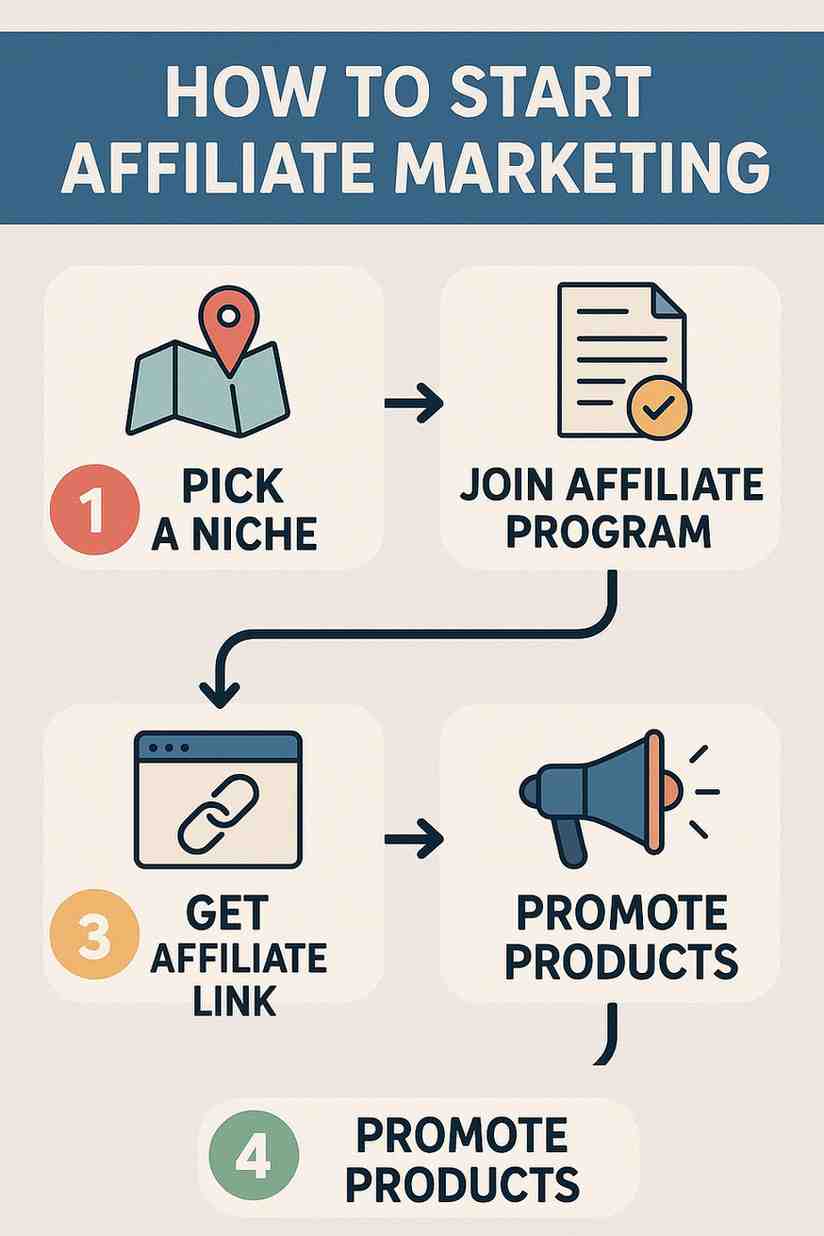
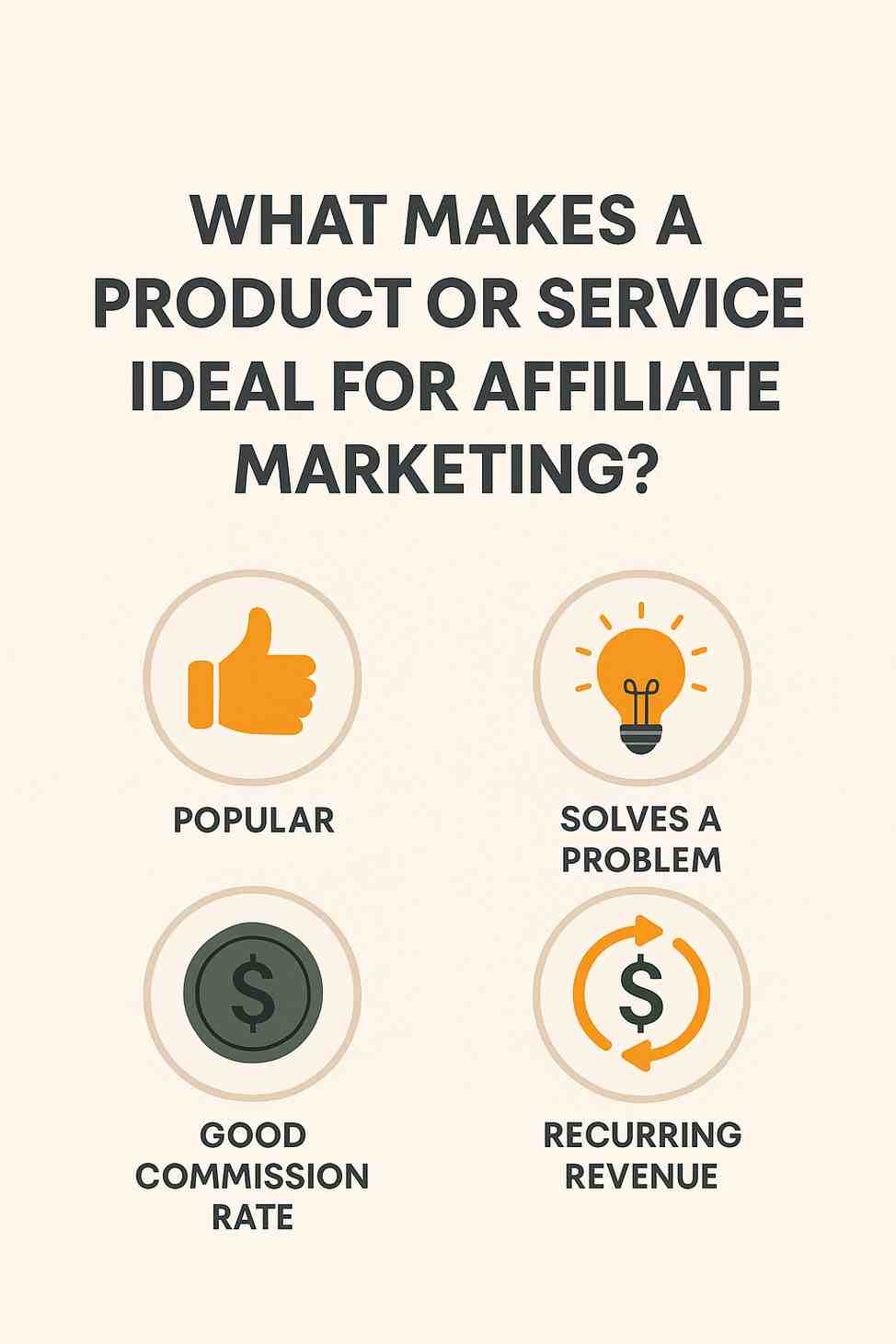
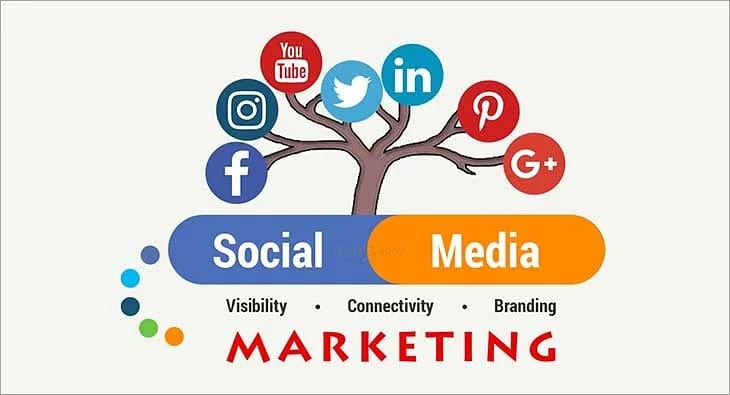
Affiliate marketing, a performance-driven strategy where individuals or businesses earn commissions by promoting products or services through unique tracking links, relies heavily on content creation, audience engagement, and campaign optimization to succeed. In 2025, artificial intelligence (AI) tools, including ChatGPT and other advanced platforms, have become indispensable for affiliates, revolutionizing how they operate in a $16 billion industry. These tools, powered by natural language processing (NLP), machine learning, and data analytics, enable affiliates to automate tasks, generate high-quality content, optimize strategies, and enhance audience interactions while maintaining efficiency and scalability. This comprehensive explanation, spanning at least 1,200 words, will explore how affiliates leverage ChatGPT and other AI tools, their specific applications, benefits, and challenges, and provide a practical example to illustrate their impact in affiliate marketing.
Understanding AI Tools in Affiliate Marketing
AI tools encompass a range of software and platforms that use algorithms to process data, generate content, or automate tasks. ChatGPT, developed by OpenAI, is a conversational AI model that excels in generating human-like text, answering questions, and performing tasks like content creation or keyword research. Other AI tools relevant to affiliate marketing include content generators (e.g., Jasper), SEO optimizers (e.g., SEMrush), analytics platforms (e.g., Voluum), and automation suites (e.g., Scaleo). These tools address key affiliate needs:
- Content Creation: Producing blog posts, social media captions, or email copy.
- SEO and Keyword Research: Optimizing content for search engines.
- Audience Insights: Analyzing user behavior to tailor promotions.
- Automation: Streamlining link management, tracking, and campaigns.
- Personalization: Delivering targeted content to specific audience segments.
In 2025, AI tools are more accessible, with free and affordable plans (e.g., ChatGPT’s free tier, Grammarly’s basic plan), making them viable for affiliates of all levels. Their integration with affiliate platforms like CJ Affiliate or ShareASale enhances their utility, enabling data-driven, efficient campaigns.
How Affiliates Use ChatGPT and Other AI Tools
Affiliates leverage ChatGPT and other AI tools across multiple facets of their operations, from content development to performance optimization. Below are the key applications:
1. Content Creation and Ideation
Content is the backbone of affiliate marketing, driving traffic and conversions through blogs, social media, videos, and emails. ChatGPT and similar tools streamline content production:
- Blog Post Drafts: ChatGPT generates outlines, introductions, or full drafts for reviews, guides, or listicles (e.g., “Top 10 Fitness Trackers for 2025”). Affiliates refine these drafts with personal insights for authenticity.
- Social Media Captions: Tools like Jasper or Copy.ai create engaging Instagram, TikTok, or Twitter captions, incorporating affiliate links or discount codes.
- Email Copy: ChatGPT crafts compelling email sequences, such as welcome emails or product promotions, optimized for open rates.
- Headline Generation: AI tools suggest click-worthy headlines (e.g., “Why This Gadget Is a Game-Changer”) based on audience trends.
- Product Descriptions: Affiliates use AI to rewrite merchant-provided descriptions, avoiding duplicate content penalties while adding unique value.
Other Tools: Grammarly ensures error-free, polished content, while Canva’s AI-driven templates create visuals for blog headers or social posts.
Impact: AI reduces content creation time by 50–70%, enabling affiliates to produce more material and target diverse platforms, increasing traffic and clicks.
2. SEO and Keyword Research
Search engine optimization (SEO) is critical for driving organic traffic to affiliate content. AI tools enhance SEO strategies:
- Keyword Identification: SEMrush’s Magic Keyword Tool, powered by AI, suggests high-volume, low-competition keywords (e.g., “best budget laptop 2025”) for blog posts or YouTube titles.
- Content Optimization: ChatGPT recommends keyword placement, meta descriptions, and internal linking strategies to boost rankings.
- Competitor Analysis: Ahrefs uses AI to analyze competitors’ backlinks and content, helping affiliates identify gaps (e.g., underserved niches).
- Trend Forecasting: AI tools predict trending topics (e.g., sustainable fashion) based on search data, guiding content creation.
Impact: AI-driven SEO increases organic traffic by 20–50%, as affiliates rank higher for relevant keywords, driving more affiliate link clicks.
3. Audience Research and Personalization
Understanding audience needs is essential for effective promotions. AI tools provide insights and enable tailored content:
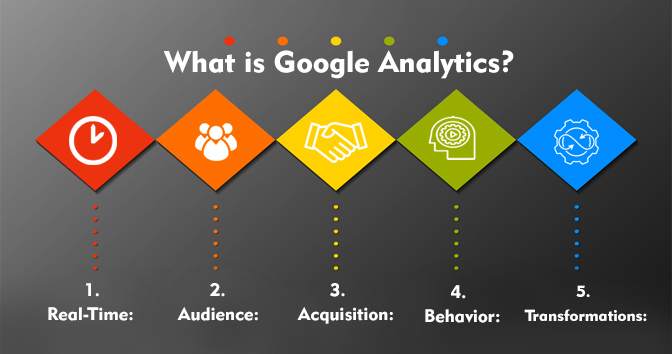
- Audience Insights: Google Analytics, enhanced by AI, analyzes user demographics, behavior, and interests, helping affiliates target specific segments (e.g., tech-savvy millennials).
- Content Personalization: ChatGPT generates audience-specific content, such as a fitness guide for beginners vs. advanced users.
- Email Segmentation: ConvertKit’s AI segments subscribers based on actions (e.g., clicked a link, purchased), delivering personalized affiliate promotions.
- Behavioral Targeting: Voluum’s AI tracks user journeys, suggesting promotions for users likely to convert (e.g., frequent blog visitors).
Impact: Personalized content boosts conversion rates by 10–30%, as affiliates deliver relevant recommendations that resonate with audiences.
4. Campaign Automation and Optimization
Automation is a hallmark of AI, streamlining affiliate workflows and optimizing performance:
- Link Management: ThirstyAffiliates, with AI enhancements, automates link cloaking, geolocation redirects, and 404 error detection, ensuring accurate tracking.
- Ad Optimization: Voluum’s AI pauses low-performing ads and reallocates budgets to high-ROI campaigns (e.g., TikTok vs. Google Ads).
- Content Scheduling: Hootsuite’s AI suggests optimal posting times based on audience engagement, automating social media distribution.
- Performance Analytics: Scaleo’s AI dashboard tracks clicks, conversions, and revenue, providing real-time recommendations to improve campaigns.
Impact: Automation saves 10–20 hours weekly, allowing affiliates to scale multiple campaigns while maximizing ROI through data-driven adjustments.
5. Social Media and Influencer Strategies
Social media platforms like Instagram, TikTok are key traffic sources for affiliates, and AI tools enhance their effectiveness:
- Content Ideas: ChatGPT suggests viral video concepts (e.g., “5 Ways to Use This Gadget”) or hashtag strategies for TikTok.
- Engagement Automation: Tools like Later use AI to auto-respond to comments, maintaining audience interaction.
- Influencer Collaboration: MagicLinks’ AI matches affiliates with brands for affiliate-influencer campaigns, streamlining partnerships.
- Ad Creation: Canva’s AI generates mobile-optimized ad visuals, increasing click-through rates on Instagram Stories.
Impact: AI-driven social strategies increase engagement by 15–40%, driving more mobile traffic to affiliate links.
6. Compliance and Legal Adherence
Affiliates must comply with regulations like FTC guidelines (for disclosures) and GDPR (for data privacy). AI tools simplify compliance:
- Disclosure Automation: ThirstyAffiliates adds FTC-compliant disclosures (e.g., “This post contains affiliate links”) to every link.
- Plagiarism Checks: Grammarly’s AI detects unintentional duplication, preventing copyright issues.
- GDPR Compliance: CookieBot’s AI automates cookie consent banners for EU users, ensuring legal data collection.
- Claim Verification: ChatGPT cross-references product claims with reliable sources, helping affiliates avoid false advertising.
Impact: Automated compliance reduces legal risks, protecting affiliates from fines or account terminations while maintaining audience trust.
7. Customer Support and Engagement
AI tools enhance audience interactions, fostering loyalty and trust:
- Chatbots: Tidio’s AI-powered chatbots answer visitor questions (e.g., “Does this product ship to Canada?”) on affiliate sites, linking to affiliate offers.
- Q&A Content: ChatGPT generates FAQ sections for blog posts, addressing common audience concerns.
- Email Responses: ConvertKit’s AI drafts personalized replies to subscriber inquiries, saving time.
Impact: Improved engagement increases audience retention, boosting long-term conversion potential.
Benefits of AI Tools for Affiliates
- Time Efficiency: AI reduces content creation and campaign management time, enabling affiliates to focus on strategy.
- Cost Savings: Free or low-cost tools (e.g., ChatGPT, Google Analytics) make AI accessible to beginners.
- Higher Conversions: Personalized, optimized content and ads increase click-through and conversion rates.
- Scalability: Automation allows affiliates to manage multiple campaigns across niches and platforms.
- Data-Driven Decisions: AI analytics provide actionable insights, maximizing ROI.
- Compliance: Automated disclosures and consent tools ensure legal adherence, protecting affiliate accounts.
Challenges and Considerations
- Over-Reliance on AI: Generic AI content can lack authenticity, requiring human oversight to add personal insights.
- Learning Curve: Tools like Voluum or SEMrush require setup and training, demanding initial effort.
- Costs: Premium plans (e.g., Scaleo at $299/month) may strain budgets for new affiliates.
- Algorithm Dependence: Over-optimization for AI-suggested keywords can harm content quality if not balanced with user value.
- Ethical Concerns: Affiliates must disclose AI-generated content if required by platforms or regulations to maintain transparency.
Mitigation: Use AI as a starting point, refine outputs with personal expertise, start with free tools, and prioritize audience value over algorithm gaming.
Example of Using ChatGPT and AI Tools in Affiliate Marketing
Scenario
Sophie, an affiliate marketer, runs a blog, “TechTrove,” promoting productivity software. She joins the affiliate program for a task management tool, “PlanEasy,” via CJ Affiliate, earning $30 per paid sign-up. Sophie uses ChatGPT and other AI tools to create, optimize, and scale her campaign.
Step 1: Content Creation with ChatGPT
Sophie uses ChatGPT to generate a blog post outline for “PlanEasy Review: The Best Task Manager for 2025,” including sections like “Features,” “Pros and Cons,” and “Who It’s For.” She prompts ChatGPT to draft an 800-word post, which she refines with her experience testing PlanEasy’s AI task prioritization and mobile app. Grammarly’s AI polishes the post, ensuring clarity and no plagiarism. ChatGPT also suggests 10 Instagram captions, like “Boost productivity with PlanEasy! 📅 #affiliate,” which Sophie uses for Reels.
Step 2: SEO Optimization
Sophie uses SEMrush’s AI-driven Magic Keyword Tool to identify keywords like “best task management software 2025” (1,500 monthly searches, low competition). ChatGPT recommends keyword placement (e.g., title, headings) and a meta description: “Discover why PlanEasy is the top task manager for 2025 in our in-depth review.” Ahrefs’ AI analyzes competitors, suggesting Sophie add a comparison table with Trello and Asana, increasing content value.
Step 3: Social Media and Visuals
Sophie creates a 15-second Instagram Reel showcasing PlanEasy’s app, using Canva’s AI templates for mobile-optimized visuals with bold text overlays. ChatGPT generates hashtags (#ProductivityTools, #WorkSmart) to boost reach. She schedules the Reel and related Twitter posts with Hootsuite’s AI, which suggests posting at 7 PM for maximum engagement.
Step 4: Email Campaign and Lead Capture
Sophie creates a lead magnet, “10 Productivity Hacks,” using ChatGPT to draft the eBook and Canva for design. She embeds a mobile-friendly signup form with OptinMonster’s AI, which triggers an exit-intent pop-up, capturing 600 leads monthly. ConvertKit’s AI segments subscribers who engage with PlanEasy content, sending a 4-email sequence with affiliate links, personalized with subscriber names. ChatGPT crafts the emails, achieving a 35% open rate.
Step 5: Campaign Tracking and Optimization
Sophie uses Voluum’s AI to track clicks and conversions, noting that Instagram drives 50% of her 100 monthly sign-ups ($3,000 in commissions). Voluum’s AI suggests increasing TikTok ad spend, which Sophie automates. Scaleo’s AI dashboard centralizes analytics across her PlanEasy and other campaigns, recommending she target freelancers with tailored content.
Step 6: Compliance and Engagement
Sophie uses ThirstyAffiliates’ AI to cloak links and add FTC disclosures automatically. CookieBot’s AI ensures GDPR-compliant cookie consent on her blog. She uses Tidio’s AI chatbot to answer visitor questions (e.g., “Does PlanEasy have a free trial?”), linking to her review, increasing dwell time by 20%.
Outcomes
- Efficiency: AI tools save Sophie 12 hours weekly, allowing her to launch two additional campaigns.
- Conversions: The campaign drives 100 sign-ups ($3,000) monthly, with 60% from mobile traffic.
- Traffic Growth: Her blog ranks on Google’s first page, attracting 4,000 organic visitors monthly.
- Audience Loyalty: The eBook grows her email list by 1,500, boosting future earnings.
- Merchant Trust: PlanEasy offers Sophie a 10% commission increase for her data-driven results.
Why This Example Matters
Sophie’s campaign showcases how ChatGPT and AI tools—SEMrush, Ahrefs, Grammarly, Canva, Hootsuite, OptinMonster, ConvertKit, Voluum, Scaleo, ThirstyAffiliates, CookieBot, and Tidio—streamline content creation, SEO, social media, email marketing, tracking, and compliance. By leveraging AI, Sophie scales her campaign, maximizes conversions, and maintains authenticity, demonstrating the transformative power of AI in affiliate marketing.
Conclusion
In 2025, ChatGPT and other AI tools are game-changers for affiliate marketers, enabling efficient content creation, SEO optimization, audience personalization, campaign automation, social media strategies, compliance, and engagement. Tools like SEMrush, Voluum, ConvertKit, and Grammarly complement ChatGPT’s versatility, helping affiliates save time, boost conversions, and scale in a $16 billion industry. While challenges like over-reliance or costs exist, strategic use with human oversight ensures success. The example of Sophie’s PlanEasy campaign illustrates how AI tools create a cohesive, high-performing strategy, driving traffic, revenue, and trust. By embracing AI, affiliates can stay competitive, deliver value, and thrive in the evolving affiliate marketing landscape.