Affiliate marketing — a strategy where individuals earn commissions by promoting products or services — has long thrived in the digital world through blogs, websites, email marketing, and social media platforms. However, as the internet transitions into its next phase — the Metaverse — a revolutionary transformation is taking place. This virtual, immersive ecosystem is changing how people interact, shop, work, and experience the digital world. Naturally, affiliate marketing is evolving within the Metaverse in innovative and unprecedented ways.
This essay explores how affiliate marketing is adapting and growing within the Metaverse, including the technologies enabling this shift, the benefits and challenges it presents, and how creators, brands, and consumers are all being reshaped by this evolution. A real-world example is also included to demonstrate the current practical applications of affiliate marketing in this new digital frontier.
Understanding the Metaverse
Before diving into affiliate marketing’s role, it’s important to understand what the Metaverse is.
The Metaverse refers to a collective virtual space made possible through a convergence of technologies, such as:
-
Virtual Reality (VR)
-
Augmented Reality (AR)
-
Blockchain and NFTs (Non-Fungible Tokens)
-
3D social platforms
-
Decentralized economies and digital avatars
In this immersive digital universe, users can socialize, attend concerts, work, shop, play games, and even own virtual property — all using digital identities (avatars). Platforms like Decentraland, The Sandbox, Roblox, Meta Horizon Worlds, and even parts of Fortnite and Minecraft are early examples of the Metaverse in action.
Affiliate Marketing: A Quick Refresher
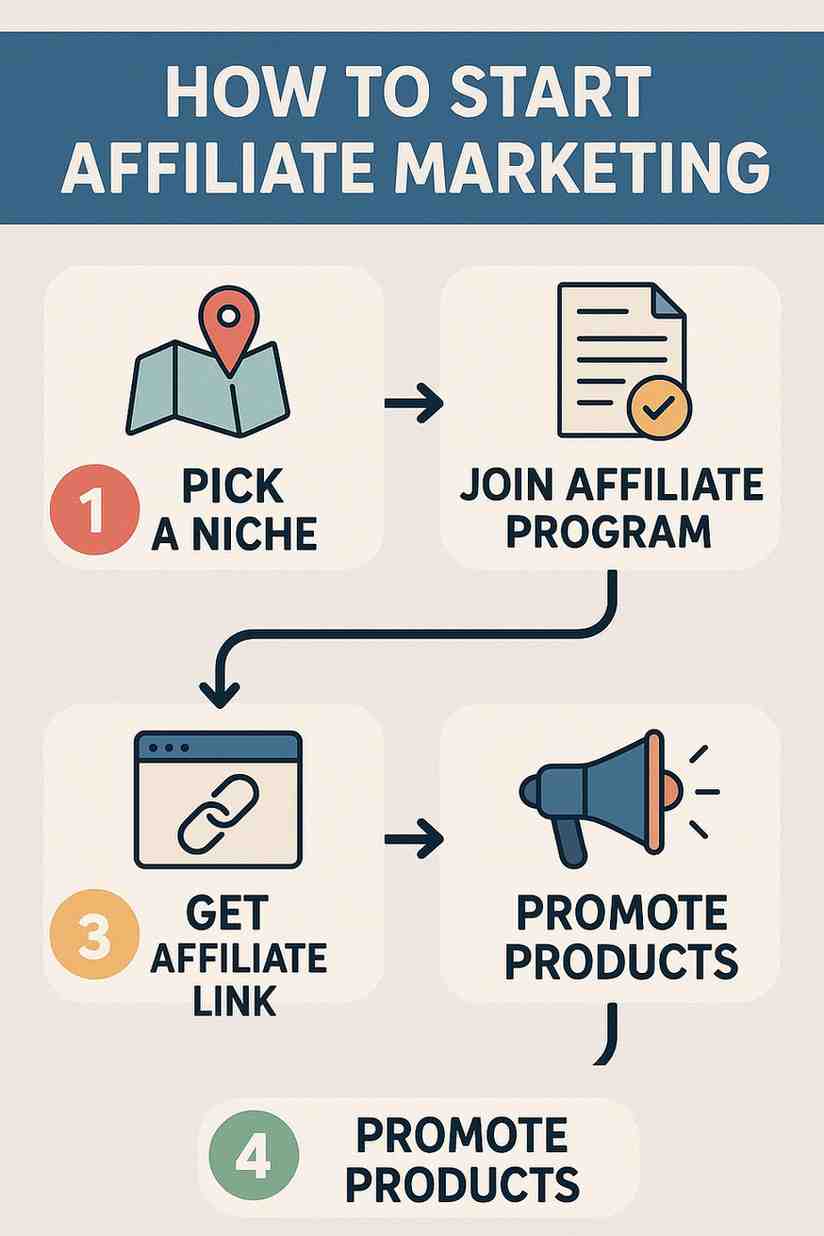
Traditional affiliate marketing relies on:
-
A publisher (affiliate) who promotes a product or service.
-
A consumer who clicks on a unique affiliate link or uses a code.
-
A merchant (brand) who sells the product and pays a commission on resulting sales.
The process has been dominated by:
-
Blogs and product reviews
-
Influencer shoutouts
-
YouTube tutorials
-
Email newsletters
-
Coupon and cashback websites
The Metaverse, however, introduces a whole new dimension of interaction, environment, and opportunity — leading to Affiliate Marketing 3.0.
How Affiliate Marketing Is Evolving in the Metaverse
1. Virtual Product Placement and Brand Integration
In the Metaverse, users don’t just view content — they live in it. This makes virtual product placement more immersive than ever.
For example:
-
A fashion brand might offer virtual outfits for avatars.
-
A beverage company could place a branded drink on a virtual concert stage.
-
A sneaker brand could create digital collectibles that users can wear in-game.
Affiliates (like digital influencers or event hosts) can embed affiliate links or codes into these environments, earning commissions when users interact with the brand, purchase items, or link back to e-commerce stores.
How it works:
-
The affiliate promotes or uses the virtual product.
-
Interested users click through or scan a code (via AR glasses or popups).
-
The real-world or digital product is purchased, and the affiliate is credited.
This blend of experiential marketing and affiliate commerce is redefining product discovery in virtual spaces.
2. NFT-Driven Affiliate Marketing
The rise of NFTs (Non-Fungible Tokens) in the Metaverse opens up new affiliate opportunities.
NFTs can represent:
-
Digital art
-
Music
-
Fashion
-
Game assets
-
Event tickets
-
Educational material
Affiliate marketers can:
-
Promote NFT drops through social or in-game content.
-
Earn commissions when users mint, buy, or trade these assets.
-
Offer exclusive content or benefits tied to NFT ownership (e.g., gated communities, VIP events).
Some platforms even allow resale royalties, meaning affiliates earn a commission each time the NFT is resold — a recurring passive income stream.
3. Virtual Events and Influencer Partnerships
Virtual events in the Metaverse — such as conferences, concerts, or product launches — are becoming common. Creators and influencers now host or participate in Metaverse-based events and can promote affiliate products within these immersive experiences.
Examples include:
-
Hosting a virtual fashion show with wearable NFTs.
-
Holding a panel in a VR conference and recommending tools or subscriptions.
-
Using branded stages or backdrops that link to affiliate products.
This method allows for real-time audience engagement, similar to livestreaming, but in a 3D interactive world. Affiliates can share codes, link digital tokens to real-world discounts, or even provide attendees with free virtual products linked to affiliate stores.
4. Gamification and Quest-Based Affiliate Campaigns
Gamification is a key component of the Metaverse. By turning affiliate marketing into interactive quests, creators can boost user engagement.
Imagine a scenario where:
-
A user enters a Metaverse world.
-
They participate in a scavenger hunt that features clues sponsored by brands.
-
Completing tasks (like visiting a virtual store or watching a branded clip) earns tokens or unlocks affiliate products.
Affiliates who create or host these games receive commission from every action that results in conversions, purchases, or leads.
This immersive affiliate model turns users into active participants, not just passive consumers.
5. Affiliate Commerce in Virtual Real Estate
One of the most talked-about aspects of the Metaverse is virtual real estate. Users can buy land, build experiences, and host stores or exhibitions.
Affiliates can:
-
Purchase or rent space in virtual worlds like Decentraland or The Sandbox.
-
Set up affiliate-powered stores that display real-world or digital goods.
-
Allow users to preview products on avatars and click through to buy.
Some creators have even developed “Metaverse malls”, where each digital store is tied to an affiliate program. Users can browse, interact, and purchase — all while affiliates track sales in real time.
Benefits of Affiliate Marketing in the Metaverse
1. Immersive Engagement
Users can interact with products in 3D or AR/VR environments, creating deeper connections with brands.
2. Global, Borderless Reach
Anyone in the Metaverse can participate, removing geographic limitations of traditional affiliate marketing.
3. Digital Ownership and Reward Sharing
Blockchain enables secure tracking of affiliate activities, commission distribution, and even resale royalties.
4. Creator Empowerment
Micro and nano-creators gain direct access to monetization in the Metaverse, bypassing centralized ad networks.
5. Passive and Scalable Income
Once digital content is created in the Metaverse (e.g., a branded game or virtual billboard), it can generate recurring revenue over time.
Challenges and Considerations
Despite the potential, affiliate marketing in the Metaverse faces several hurdles:
1. Technological Accessibility
VR headsets and high-speed internet are not yet universal, limiting widespread adoption.
2. Lack of Standardized Platforms
The Metaverse is fragmented. Not all virtual worlds support affiliate commerce yet.
3. Regulation and Disclosure
How should affiliate links be disclosed in a virtual space? As the FTC and global regulators catch up, clear guidelines will be essential.
4. Fraud and Tracking Concerns
Tracking affiliate performance across decentralized worlds and protecting user data poses technical challenges.
5. Learning Curve for Creators
Traditional affiliates need new skills (e.g., 3D design, blockchain knowledge) to compete in this evolving space.
Real-World Example: Boson Protocol and Decentraland
Boson Protocol is a platform that connects physical and digital commerce using blockchain technology. They partnered with Decentraland to create the first virtual shopping mall powered by NFT vouchers.
Here’s how affiliate marketing fits:
-
A fashion affiliate can build a virtual store in Decentraland using Boson Protocol.
-
Users browse digital products (e.g., shoes, clothing) worn by avatars.
-
Each item is linked to a smart contract-backed affiliate link or NFT voucher.
-
When a user purchases an item in the Metaverse, they can redeem it for a real-world product.
-
The affiliate earns a commission instantly — tracked via blockchain.
This is a live example of how affiliate marketing is merging the digital and physical economies using Metaverse technology.
The Future: What’s Next for Affiliate Marketing in the Metaverse?
Looking ahead, the fusion of affiliate marketing with the Metaverse will become:
-
Personalized: AI-driven avatars may suggest affiliate products based on user behavior.
-
Decentralized: Affiliate campaigns may use smart contracts to auto-pay commissions transparently.
-
Cross-platform: NFTs and affiliate links will work seamlessly across different virtual worlds and platforms.
-
Augmented: In AR-powered Metaverse experiences (e.g., Apple Vision Pro), users will see affiliate product info overlaid in the real world.
Affiliate marketing will no longer be confined to web pages or email — it will live within experiences, making every interaction a potential revenue stream.
Conclusion: The Immersive Revolution of Affiliate Marketing
The evolution of affiliate marketing in the Metaverse is not just a trend — it’s a paradigm shift. As the digital world becomes more immersive, interactive, and decentralized, affiliate marketing is following suit, moving from simple links to experiential engagement. Brands are partnering with creators to offer not just products, but full digital experiences. Affiliates are becoming experience designers, gamifiers, virtual store owners, and digital event hosts.
As the infrastructure matures, early adopters of Metaverse affiliate marketing will reap significant benefits — from increased engagement to multiple streams of income, all within a borderless and immersive digital economy.
In this new era, affiliate marketing isn’t just about products. It’s about creating interactive, memorable, and profitable virtual experiences — and those who understand this shift will lead the future of digital entrepreneurship.