Introduction
In today’s digital age, social media has revolutionized the way people connect, communicate, and consume information. Two of the most influential social media platforms are Facebook and Instagram, both owned by the parent company Meta Platforms Inc. While they may appear similar—each enabling users to share content, build social networks, and engage with communities—they are fundamentally different in design, purpose, and user experience.
This essay explores what Instagram is, how it works, and how it differs from Facebook in terms of core functionality, user demographics, engagement style, content format, and business strategy. An illustrative example will further highlight these distinctions.
What is Instagram?
Instagram is a photo and video sharing social media platform launched in October 2010 by Kevin Systrom and Mike Krieger. Its initial concept was simple: allow users to upload photos, apply filters, and share them with followers. In 2012, Facebook acquired Instagram for approximately $1 billion, recognizing its explosive growth and potential.
Over time, Instagram evolved into a highly visual platform that emphasizes aesthetics, creativity, and real-time sharing. It is designed primarily for mobile use and centers around a clean, image-first interface. Its major features include:
- Posts (images/videos on your profile)
- Stories (24-hour disappearing content)
- Reels (short-form videos similar to TikTok)
- IGTV (long-form video content)
- Live streaming
- Shopping (in-app e-commerce)
- Direct Messaging (DMs)
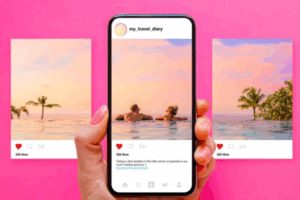
Instagram thrives on visual storytelling, where images and videos convey messages more than text. Influencers, brands, and individuals use it to build aesthetic profiles, promote products, and share moments visually.
What is Facebook?
Facebook, launched in 2004 by Mark Zuckerberg and his college peers at Harvard, started as a campus-based networking site. It quickly expanded to become a global social network connecting billions. Unlike Instagram’s visual-first approach, Facebook offers a broader range of features designed to support text-based posts, social networking, community building, event planning, and discussion.
Key Facebook features include:
- Status updates and posts
- Groups and pages
- Events and birthdays
- Marketplace for buying/selling
- Video sharing (including Facebook Watch)
- News Feed
- Messenger (its standalone messaging app)
Facebook’s strength lies in its comprehensive communication ecosystem, combining messaging, news, events, and social discovery into one platform. It is more information-heavy and diverse in the types of content it supports.
Key Differences Between Instagram and Facebook
1. Content Type and Presentation
- Instagram is visual-centric. Photos, videos, and Stories are the main content types. Even captions are secondary to the imagery.
- Facebook offers a wider array of content: long-form posts, links, shared articles, videos, polls, and event invites. Textual engagement is more common and encouraged.
Example: A restaurant might use Instagram to post a high-quality image of a new dish with minimal caption, while on Facebook, it might post a full review, customer comments, menu updates, and event details.
2. User Interface and Experience
- Instagram’s interface is minimalistic, sleek, and optimized for smartphones. It emphasizes scrolling through visual posts in a grid or full-screen format.
- Facebook’s interface is busier and more feature-rich, designed for both desktop and mobile use. It includes sidebars, menus, and a customizable News Feed.
3. Target Audience and Demographics
- Instagram is particularly popular among younger users, especially Gen Z (ages 10–25) and younger millennials. It is a platform for trendsetters, influencers, and creatives.
- Facebook has a more diverse age demographic, with strong adoption among users aged 30 and above. It is widely used for community groups, family connections, and broader social communication.
Stat Snapshot (as of 2024):
- Instagram: 71% of users under age 35
- Facebook: Most active user group aged 25–44, with growing use among seniors
4. Purpose and Communication Style
- Instagram is used to share moments visually, promote brands, and discover trends. Its communication is indirect and visual—users show rather than tell.
- Facebook is more conversational and informational. Users share opinions, news, events, and have longer interactions via comments and discussions.
Example: A user might share a meme or opinion article on Facebook and invite discussion, whereas on Instagram, they’d likely post a selfie or video clip with a short caption.
5. Content Longevity
- Instagram content, especially Stories and Reels, is often short-lived or ephemeral. Stories disappear in 24 hours unless saved in Highlights.
- Facebook posts remain on timelines indefinitely unless deleted, making it easier to revisit and reshare older content.
6. Business Tools and Advertising
Both platforms support advertising and commerce, but in different ways:
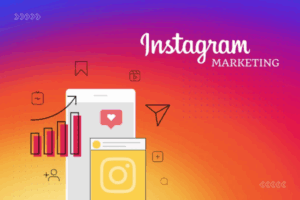
- Instagram’s advertising is integrated visually with posts and Stories, often using influencer marketing. The Instagram Shop allows users to buy products directly in-app.
- Facebook’s business tools are broader: Facebook Pages, Marketplace, targeted advertising via Meta Ads Manager, and deep user analytics.
Example: A fashion brand may use Instagram to launch a new clothing line with aesthetic product shots and link directly to purchase pages. On Facebook, the same brand may host a launch event, run a contest, or create a group for VIP customers.
7. Algorithm and Discovery
- Instagram’s algorithm emphasizes engagement, recency, and relevance. It favors content that users interact with most (likes, saves, shares).
- Facebook’s algorithm prioritizes meaningful interactions, such as comments and shares, especially among friends and family. It also serves more news and article content, depending on the user’s activity.
8. Community and Group Dynamics
- Instagram has limited group functionality. Most interactions happen through followers and DMs.
- Facebook has robust group and event features, allowing users to join communities based on interests, local areas, or professions.
Example: A local hiking club might organize meetups and discussions on Facebook, while members individually post hike photos on Instagram.
A Real-World Example: Coffee Shop Marketing Strategy
Imagine a local coffee shop called “Brew & Bean” trying to market itself using both Instagram and Facebook.
- On Instagram, Brew & Bean posts daily photos of latte art, behind-the-scenes barista videos, Reels of seasonal drinks, and polls through Stories (“Which flavor should we try next?”). Their goal is to build a visually appealing brand and attract younger foot traffic.
- On Facebook, Brew & Bean creates an event for a live music night, shares customer reviews, posts community updates, and joins local groups to promote its presence. Here, the goal is to build community engagement, drive event attendance, and foster longer-term customer relationships.
This dual approach shows how Instagram and Facebook serve complementary roles—one prioritizing visual branding and reach, the other fostering interaction and deeper connection.
Conclusion
Instagram and Facebook, though part of the same Meta ecosystem, serve different purposes and appeal to distinct user behaviors. Instagram excels as a visual storytelling platform, ideal for influencers, creatives, and brand-building. Facebook, on the other hand, is a social utility tool offering broader content diversity, deeper discussions, and community-based features.
Understanding the distinction is essential for users, businesses, and creators. Where Instagram captures attention through aesthetics and trends, Facebook offers tools for conversation, coordination, and information. Together, they represent two sides of modern digital communication—seeing versus saying, aesthetic versus functional, and brief connection versus deeper interaction.
As Meta continues to evolve these platforms with AI, AR, and the metaverse, their core differences will likely remain. Each platform plays a unique role in how we navigate the digital world, connect with others, and express ourselves.