Introduction
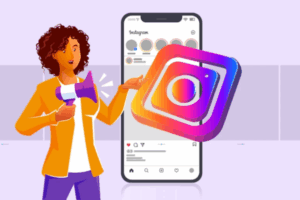
Instagram has evolved from a simple photo-sharing app into a powerful platform for businesses and marketers worldwide. One of its core strengths lies in its advertising capabilities, allowing brands to reach highly specific audiences with tailored messages. Instagram ads have become an indispensable part of modern digital marketing strategies due to their visual appeal, integration with Facebook’s vast advertising infrastructure, and advanced targeting options.
This essay will explore how Instagram ads work, the mechanisms behind user targeting, and why these methods are effective. An appropriate example will illustrate the process in a real-world context.
1. What Are Instagram Ads?
Instagram ads are paid promotional content displayed to users within the app. These ads can take various formats, including:
- Photo Ads: Single images with captions.
- Video Ads: Short videos up to 60 seconds.
- Carousel Ads: Multiple images or videos users can swipe through.
- Stories Ads: Full-screen vertical ads shown between users’ Stories.
- Reels Ads: Ads embedded within the Reels feed.
- Shopping Ads: Interactive posts that allow users to buy products directly.
Ads appear naturally within the Instagram feed, Stories, Explore tab, or Reels, making them feel less intrusive than traditional ads.
2. How Do Instagram Ads Work?
Instagram ads operate through Facebook’s Ads Manager, which controls both Facebook and Instagram advertising due to their shared ownership by Meta Platforms, Inc. This integration allows advertisers to run campaigns across both platforms simultaneously with unified targeting and analytics.
A. Creating an Ad Campaign
Advertisers start by defining campaign objectives within Ads Manager, choosing goals such as:
- Brand awareness
- Reach
- Traffic (to websites or apps)
- Engagement (likes, comments, shares)
- App installs
- Video views
- Lead generation
- Conversions (sales or sign-ups)
Based on the goal, advertisers design ads that align with user behavior and desired actions.
B. Ad Placement
Advertisers can select automatic placements, allowing Meta’s algorithm to decide where the ads perform best (Instagram feed, Stories, Explore, Reels, Facebook News Feed, etc.). Alternatively, advertisers can manually select specific placements.
C. Budgeting and Scheduling
Advertisers set a daily or lifetime budget and decide the campaign duration. Ads are then delivered within these constraints, optimized to maximize the campaign goal.
D. Ad Auction and Delivery
When Instagram users scroll through content, an auction system decides which ads to show them. This auction considers:
- Bid: How much the advertiser is willing to pay.
- Estimated action rates: Likelihood that the user will take the desired action.
- Ad quality and relevance: Instagram favors ads that resonate with users.
The highest “total value” wins the auction, balancing cost and user experience.
3. How Are Users Targeted on Instagram?
Targeting is the backbone of Instagram’s advertising power. Instagram uses the extensive data Facebook collects across its platforms, combined with user activity on Instagram itself, to deliver highly relevant ads to the right people.
A. Types of Targeting
1. Demographic Targeting
Advertisers can target users based on:
- Age
- Gender
- Location (country, region, city, or even zip code)
- Language
- Education level
- Job title or industry
For example, a local boutique might target women aged 25-40 in a specific city.
2. Interest Targeting
Based on users’ activities, pages liked, and content interacted with, Instagram infers interests such as:
- Fitness and wellness
- Travel
- Fashion and beauty
- Technology
- Food and dining
A sportswear brand, for instance, can target users interested in running or yoga.
3. Behavior Targeting
Instagram tracks online behavior such as:
- Purchase history
- Device usage
- Travel habits
- Engagement with similar content or ads
This helps show ads to users likely to respond based on previous actions.
4. Custom Audiences
Advertisers can upload their own lists (emails, phone numbers) to target existing customers directly. They can also retarget users who have visited their websites or used their apps through Facebook Pixel or SDK tracking.
5. Lookalike Audiences
Meta’s machine learning can create audiences similar to a brand’s existing customers or followers, expanding reach to users with similar profiles who might be interested in the brand.
B. Advanced Targeting Techniques
- Layered Targeting: Combining multiple criteria (e.g., women aged 18-25 interested in sustainable fashion living in New York) to narrow down the audience.
- Exclusion: Excluding existing customers from awareness campaigns to avoid redundancy.
- Dynamic Ads: Personalized ads that automatically show products users have browsed or might like based on their online activity.
4. Why Is Instagram Ad Targeting Effective?
Instagram’s effectiveness lies in its ability to deliver highly relevant ads that resonate with users’ interests and behaviors. This reduces ad fatigue and improves ROI for advertisers.
- Personalization: Ads feel tailored, increasing user engagement.
- Visual Impact: Instagram’s focus on high-quality visual content maximizes attention.
- Mobile-First Experience: Designed for smartphones, Instagram ads fit naturally into users’ scrolling behavior.
- Data-Driven Optimization: Continuous learning algorithms improve ad delivery over time, ensuring maximum impact.
5. Example: How a New Fitness Brand Uses Instagram Ads and Targeting
Consider “FitPulse,” a startup selling innovative fitness trackers aimed at young adults passionate about health and technology.
Step 1: Campaign Objective
FitPulse wants to drive traffic to its website for product pre-orders, so it chooses the “Traffic” objective in Ads Manager.
Step 2: Audience Targeting
- Demographics: Ages 18-35, both men and women, located in urban areas in the U.S.
- Interests: Fitness, wearable technology, healthy lifestyle, running, yoga.
- Behaviors: Users who have purchased fitness accessories online in the past six months.
- Custom Audience: Retarget users who visited FitPulse’s website but didn’t purchase.
- Lookalike Audience: Based on existing customers from email lists.
Step 3: Ad Format
FitPulse creates a video ad demonstrating the fitness tracker’s unique features, showing people using it in various workouts. The video is short, visually appealing, with a clear call-to-action button: “Shop Now.”
Step 4: Placement
They select automatic placements, allowing Instagram and Facebook to show ads where they perform best.
Step 5: Budget and Schedule
FitPulse sets a $50 daily budget for one month, ensuring steady exposure.
Step 6: Monitoring and Optimization
Using Ads Manager, FitPulse tracks:
- Click-through rates (CTR)
- Cost per click (CPC)
- Website traffic from Instagram
- Conversion rates
They notice that video ads in Instagram Stories generate higher engagement, so they increase the budget allocation there.
Outcome
Within weeks, FitPulse’s website traffic increases significantly, with a 30% rise in pre-orders attributed directly to Instagram ads. The targeted approach ensures ads reach motivated users, improving marketing efficiency and reducing wasted spend.
6. Conclusion
Instagram ads work by blending creative visual content with highly advanced targeting capabilities. Through the Facebook Ads Manager ecosystem, advertisers can design campaigns tailored to specific goals and reach carefully selected audiences based on demographics, interests, behaviors, and more.
This precision targeting, combined with Instagram’s visual and mobile-first nature, makes advertising on the platform highly effective. Whether a small startup like FitPulse or a global brand, Instagram ads offer scalable solutions to grow brand awareness, engage users, and drive conversions.
Understanding how Instagram ads work and leveraging sophisticated targeting methods enables marketers to maximize their return on investment while providing users with relevant, meaningful content — a win-win in today’s competitive digital landscape.