LinkedIn is a professional networking platform designed to help individuals connect with colleagues, recruiters, businesses, and industry leaders. Launched in 2003, LinkedIn has grown to become the world’s largest professional network, boasting over 1 billion users across 200+ countries as of 2025. Unlike other social media platforms that focus primarily on entertainment, lifestyle, or casual communication, LinkedIn’s primary goal is to foster professional connections and career development.
In this essay, we will explore what LinkedIn is, how it works, what makes it unique compared to other social media platforms like Facebook, Instagram, or Twitter, and how users — from students to CEOs — benefit from its features. We will also provide a real-world example of how someone used LinkedIn to grow professionally.
1. Understanding LinkedIn: A Professional Network
LinkedIn is often referred to as “Facebook for professionals,” but this comparison only scratches the surface. The platform serves as a digital resume, networking tool, job board, and publishing platform — all rolled into one. LinkedIn helps users achieve various professional goals:
- Create a personal brand or digital resume
- Connect with professionals in the same industry
- Search and apply for jobs
- Receive and give professional endorsements
- Stay informed through industry-related news
- Learn new skills via LinkedIn Learning
The platform is used by job seekers, recruiters, students, freelancers, entrepreneurs, companies, and even educators to share knowledge, showcase experience, or build professional communities.
2. Key Features of LinkedIn
a. Profile Creation
Users create a profile that resembles a digital CV. This includes their photo, headline, experience, education, skills, endorsements, recommendations, certifications, volunteer work, and interests.
b. Networking
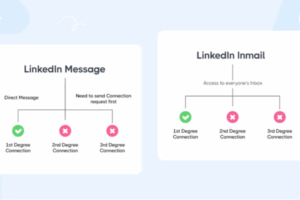
Users can “connect” with others, send messages, and engage with posts. These connections are categorized as 1st-degree (direct), 2nd-degree (friends of friends), and 3rd-degree connections.
c. Newsfeed and Content Sharing
Similar to Facebook, LinkedIn has a newsfeed where users can post updates, share articles, or write original content. However, the focus is professional — people share job updates, work achievements, career advice, and thought leadership content.
d. Job Search and Recruitment
LinkedIn is a powerful job search engine. Users can search for jobs by title, company, location, or keyword, and apply directly. Recruiters use LinkedIn to scout potential candidates by viewing profiles and reaching out with offers.
e. LinkedIn Learning
This feature offers thousands of courses on topics like leadership, coding, marketing, and more. Many users use LinkedIn Learning to upskill and earn certificates that appear on their profile.
3. How LinkedIn Differs from Other Social Media Platforms
While LinkedIn shares some common features with platforms like Facebook, Twitter, or Instagram, it has several defining differences:
a. Purpose and Tone
- LinkedIn: Focused on careers, networking, and professional growth. The tone is formal and respectful.
- Facebook/Instagram: Focused on social interaction, entertainment, and personal life. The tone is casual and friendly.
Example: On Instagram, someone might post a vacation photo or a meme. On LinkedIn, they’d share a blog post about productivity or a milestone like a job promotion.
b. Audience
- LinkedIn users include job seekers, entrepreneurs, business owners, and professionals from all industries.
- Platforms like TikTok and Snapchat cater more to casual users, younger demographics, and creators focused on entertainment or lifestyle content.
c. Content Types
- LinkedIn posts include career advice, company updates, hiring announcements, industry news, and educational articles.
- Facebook or Twitter posts are typically personal updates, memes, political opinions, or news from various sources.
d. Professional Branding
- LinkedIn is a space where users curate their professional identity. Every post, comment, or like reflects on one’s professional image.
- Other platforms are often used for personal identity, humor, or community engagement without a professional consequence.
e. Networking Value
While all social media platforms allow some form of connection, LinkedIn’s entire structure is built around strategic networking — not just following, but building mutual professional value.
4. Why LinkedIn Matters in Today’s World
a. Career Advancement
LinkedIn allows users to showcase their achievements and build a professional brand that is visible to recruiters and peers. A well-optimized profile can attract job offers, freelance gigs, or speaking invitations.
b. Global Opportunities
Because LinkedIn is international, users can connect with professionals from all over the world, enabling remote work, global collaborations, or international recruitment.
c. Learning and Thought Leadership
Through posts, blogs (LinkedIn Articles), and videos, users can establish themselves as thought leaders. Meanwhile, LinkedIn Learning helps users develop new skills to stay competitive.
d. Company Branding
Companies use LinkedIn to build employer branding. They post job openings, share company culture updates, or publish whitepapers. It’s a critical space for organizations to attract top talent.
5. Drawbacks or Limitations of LinkedIn
While LinkedIn is powerful, it is not without criticism:
a. Over-Professionalization
Some users complain about the platform becoming overly curated or “performative,” where people exaggerate achievements or post inauthentic content to impress others.
b. Spammy Messaging
As with all platforms, LinkedIn has its share of spam, especially in messages from people trying to sell services or promote irrelevant content.
c. Algorithm Challenges
LinkedIn’s algorithm promotes high-engagement content, which sometimes favors viral or emotionally charged stories over truly insightful professional content.
6. A Real-World Example: How a Student Used LinkedIn to Start a Career
Name: Riya Sharma
Hobby/Talent: Graphic Design
Background: Riya, a final-year design student from India, started using LinkedIn to showcase her college projects and freelance work.
Step 1: Building a Strong Profile
Riya updated her LinkedIn profile with:
- A professional headshot
- A catchy headline: “Graphic Design Student | UI/UX Enthusiast | Freelance Visual Artist”
- A detailed summary showcasing her design interests and software skills
- Uploaded portfolio links via Behance and PDF attachments
Step 2: Content Creation
She started sharing:
- Before/after design transformations
- Tutorials on using Adobe tools
- Lessons learned from freelance clients
- Student-friendly tips for building a portfolio
Her content was professional but approachable, gaining traction among fellow students and design professionals.
Step 3: Networking
Riya began connecting with alumni, designers from top agencies, and startup founders. She commented thoughtfully on their posts and participated in design-related LinkedIn groups.
Step 4: Opportunities
One of her carousel posts showcasing a website redesign went viral within the design community. A hiring manager from a startup noticed her work and offered her a paid internship, which later turned into a full-time role.
Result:
Within a year, Riya had built a strong network, a personal brand, and a thriving career — all starting from consistent, strategic use of LinkedIn.
7. LinkedIn for Students and Freshers
LinkedIn is especially useful for students looking to enter the job market. Key steps for students include:
- Follow companies you admire to get updates on job openings and industry trends.
- Connect with alumni from your college for mentorship or job referrals.
- Join LinkedIn groups relevant to your career interests.
- Engage with posts by industry leaders to gain visibility.
Conclusion
LinkedIn stands apart from other social media platforms because of its professional focus, networking opportunities, and potential for career development. While platforms like Instagram or Facebook are great for personal storytelling or entertainment, LinkedIn is where people build their professional stories, share achievements, learn new skills, and connect with others who can influence their careers.
Whether you’re a student trying to land your first job, a freelancer looking for clients, or a professional building thought leadership, LinkedIn provides a powerful toolkit. What makes it truly different is its ability to combine digital visibility with real-world opportunity — turning posts and profiles into job offers, collaborations, and lasting professional relationships.