Introduction
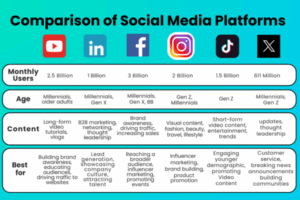
In today’s fast-paced, digitally connected professional world, networking has become more vital than ever. The old adage, “It’s not what you know, but who you know,” has evolved into a fundamental truth of career growth and business success. Among the various platforms available for professional networking, LinkedIn stands out as the preeminent digital hub. Launched in 2003, LinkedIn has transformed from a simple online resume repository into a powerful global professional community with over one billion users.
Building a professional network on LinkedIn is no longer optional; it’s essential. A well-curated network can unlock job opportunities, foster career development, encourage knowledge sharing, and even enable business growth. This essay explores the importance of building a professional network on LinkedIn, detailing its many benefits and explaining how strategic networking can elevate your career or business. The discussion concludes with an illustrative example to highlight the practical advantages of a strong LinkedIn network.
1. What Does “Building a Professional Network” Mean on LinkedIn?
Before diving into the importance, it’s crucial to define what professional networking on LinkedIn entails. It means:
- Connecting with professionals in your industry, alumni, colleagues, mentors, clients, and even potential employers.
- Engaging through comments, messages, posts, and participation in groups.
- Sharing knowledge, achievements, and relevant industry content.
- Expanding relationships beyond physical meetings, allowing a global reach.
In essence, building a professional network on LinkedIn is creating and nurturing relationships that can support your career or business ambitions.
2. Why Is Building a Professional Network on LinkedIn Important?
2.1. Access to Opportunities
One of the primary reasons professionals use LinkedIn is to gain access to job openings, freelance projects, collaborations, and partnerships. Many recruiters and hiring managers use LinkedIn as their first tool to find candidates through keyword searches and profile reviews. Having a broad, active network:
- Increases visibility: Your profile and posts appear in the feeds and searches of your connections and their networks.
- Creates referrals: Many jobs and projects are filled through referrals. A strong network increases the chances someone will recommend you.
- Provides early information: You can learn about openings or industry trends before they become public knowledge.
2.2. Building and Strengthening Your Personal Brand
Your LinkedIn network plays a significant role in shaping your personal brand. Through your interactions and content shared, your connections develop an impression of your professionalism, expertise, and values. This visibility can:
- Help establish you as a thought leader or expert in your niche.
- Increase trust among peers and potential clients.
- Support career advancement by showcasing your achievements and insights.
2.3. Knowledge Sharing and Professional Development
LinkedIn is a rich platform for learning and exchanging ideas. Being connected to a diverse set of professionals exposes you to:
- Industry news and trends.
- Innovative practices and tools.
- Opportunities for mentorship and collaboration.
- Discussions and expert opinions in LinkedIn Groups and comment sections.
This continual flow of knowledge helps you stay relevant and adaptable in a competitive job market.
2.4. Expanding Global Reach and Diversity
Unlike traditional networking that depends on geographic proximity, LinkedIn allows you to build a global network. This diversity is critical in today’s interconnected world as it:
- Broadens your understanding of different markets and cultures.
- Creates opportunities for international collaborations or remote jobs.
- Connects you with professionals across industries, fostering innovation through diverse perspectives.
2.5. Support and Confidence Boost
A strong network is a source of emotional and professional support. Engaging with your connections allows you to:
- Seek advice during career transitions or challenging projects.
- Gain feedback on your ideas or work.
- Celebrate successes and milestones.
This social capital can enhance your confidence and motivation.
3. How to Build a Professional Network on LinkedIn Effectively
Building a network is not just about adding connections indiscriminately. The quality and engagement of your network matter most.
3.1. Start with People You Know
Begin by connecting with:
- Current and former colleagues.
- Classmates and alumni.
- Clients and business partners.
These people are more likely to accept your request and engage with your content.
3.2. Personalize Connection Requests
Always send a personalized note explaining why you want to connect. This increases acceptance rates and establishes a positive first impression.
3.3. Engage Consistently
Regularly post relevant content, comment on others’ posts, and participate in LinkedIn groups related to your field. Engagement keeps you visible and strengthens relationships.
3.4. Offer Value
Share insights, articles, or helpful resources. Help others by endorsing skills or writing recommendations. Networking is reciprocal.
3.5. Expand Thoughtfully
Gradually expand your network by connecting with:
- Industry leaders.
- Influencers.
- Professionals you admire or want to collaborate with.
Always aim for meaningful connections.
4. Example: How Building a LinkedIn Network Helped James Advance His Career
James Patel, a mid-level software engineer, illustrates the power of a well-built LinkedIn network.
Situation
James had been working at a mid-sized company for five years and wanted to move into a senior role at a larger tech firm. Despite his skills and experience, he struggled to get noticed by recruiters and often felt stuck.
Action
James committed to actively building his LinkedIn network and personal brand:
- He connected with colleagues, university alumni, and industry professionals.
- He posted weekly about his projects, coding tips, and emerging tech trends.
- He joined LinkedIn groups for software developers and participated in discussions.
- He reached out personally to recruiters and hiring managers, providing a customized introduction.
- He sought and gave endorsements and recommendations to build credibility.
Result
Within six months:
- His profile views tripled.
- He was contacted by multiple recruiters about senior roles.
- He was invited to speak on a webinar for an industry group.
- He landed a senior developer role at a large tech company, citing LinkedIn connections as key influencers in the hiring process.
James’ example shows how strategic networking can transform career prospects by opening doors that might otherwise remain closed.
5. Challenges and Best Practices
5.1. Avoiding Network Overload
Having thousands of irrelevant connections dilutes value. Focus on quality over quantity.
5.2. Maintaining Relationships
Networking is ongoing. Stay in touch through messaging or engagement.
5.3. Privacy and Professionalism
Maintain professional etiquette and respect privacy when reaching out or sharing content.
Conclusion
Building a professional network on LinkedIn is one of the most strategic moves a professional or business owner can make in today’s digital economy. It grants access to opportunities, enhances your personal brand, facilitates learning, and connects you to a global, diverse community. By cultivating meaningful connections and engaging thoughtfully, you can transform LinkedIn from a static profile into a dynamic career and business growth engine.
James Patel’s journey underscores the tangible benefits that result from dedication to LinkedIn networking—more visibility, credibility, and ultimately, success. Whether you are a job seeker, entrepreneur, freelancer, or seasoned executive, investing in your LinkedIn network is a smart, forward-thinking career strategy.