In the world of professional networking and job searching, LinkedIn stands out as the foremost platform where millions of individuals showcase their skills, experiences, and professional journeys. Among all the components of a LinkedIn profile, the summary section—sometimes called the “About” section—plays a pivotal role in creating a strong first impression and effectively communicating one’s personal brand.
This essay discusses why writing a good summary on LinkedIn is critical, the key elements of an effective summary, the benefits it provides, and concludes with an example of a well-crafted summary to illustrate the concepts.
1. What is the LinkedIn Summary?
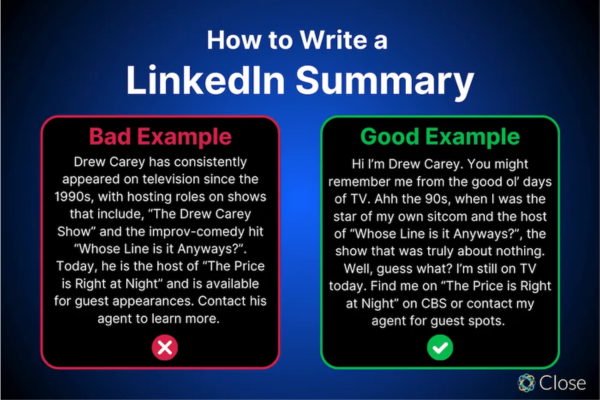
The LinkedIn summary is a section near the top of the profile where users can write a brief narrative about who they are professionally. Unlike a resume’s bullet points, the summary offers a chance to tell a story, express passion, highlight unique strengths, and connect with profile visitors on a more personal level.
Typically, the summary can be up to 2,600 characters long, giving ample room to craft a compelling overview of a professional identity.
2. Why is a Good LinkedIn Summary Important?
a. First Impression Matters
When someone visits your LinkedIn profile—be it a recruiter, potential employer, client, or collaborator—the summary is often one of the first things they read. It sets the tone for the rest of the profile. A poorly written or empty summary can create confusion, reduce interest, or give the impression of a lack of professionalism.
b. Storytelling to Stand Out
The job market and professional world are highly competitive. Many candidates may have similar skills or education. A well-written summary helps you stand out by telling your story: what motivates you, what unique value you bring, and what your career goals are.
c. Showcases Personality and Soft Skills
Resumes typically focus on hard skills and accomplishments. The LinkedIn summary allows you to reveal your personality, work style, values, and interpersonal skills. This humanizes your profile and makes you memorable.
d. Search Optimization
LinkedIn’s search algorithm uses keywords from your profile, including the summary, to match you with relevant opportunities and connections. A summary with well-chosen keywords improves your chances of appearing in search results.
e. Calls to Action
You can use the summary to invite specific actions—whether it’s connecting, viewing your portfolio, or contacting you for collaboration—making the profile interactive and goal-oriented.
3. Key Elements of an Effective LinkedIn Summary
To write a compelling LinkedIn summary, consider including the following elements:
a. Clear Introduction
Start with a brief introduction of who you are professionally. For example, your current role, industry, or area of expertise.
b. Professional Passion and Motivation
Explain what drives you. This could include your passion for the industry, a personal mission, or the impact you want to make.
c. Key Skills and Achievements
Highlight your core skills and major accomplishments that define your professional value.
d. Career Goals or Aspirations
Share your short- or long-term career objectives, showing ambition and focus.
e. Personal Touch
Add something unique about your personality or interests that may resonate with your audience.
f. Keywords
Use industry-relevant keywords to improve visibility in LinkedIn searches.
g. Call to Action
Invite readers to connect, message, or view your work.
4. Benefits of a Well-Written LinkedIn Summary
a. Attracts Recruiters and Hiring Managers
Recruiters often skim through profiles quickly. A concise, engaging summary grabs attention and motivates them to read further or reach out.
b. Builds Professional Brand
Your summary is your digital elevator pitch. It communicates your brand clearly and consistently across professional interactions.
c. Enhances Networking Opportunities
A good summary encourages connections and conversations by showing you as approachable and engaging.
d. Provides Context
For career changers, students, or those with diverse experiences, the summary helps explain your background and how your skills transfer.
e. Supports Job Search and Career Growth
By incorporating keywords and showcasing aspirations, the summary helps you align with roles and industries you want to pursue.
5. Common Mistakes to Avoid
- Being Too Vague: Avoid generic phrases like “hardworking” or “team player” without examples.
- Overloading with Buzzwords: Use keywords but don’t sound robotic.
- Too Long or Too Short: Aim for clarity and impact within a reasonable length.
- Ignoring the Audience: Tailor your summary for who you want to attract.
- Neglecting Proofreading: Spelling or grammar errors reduce professionalism.
6. Example of a Good LinkedIn Summary
Let’s consider the example of Maya, a marketing professional aiming to transition into digital marketing leadership roles:
Example Summary:
“As a passionate marketing strategist with over 5 years of experience driving brand growth and digital engagement, I thrive at the intersection of creativity and data. My expertise lies in crafting innovative campaigns that increase customer acquisition and retention across diverse industries including tech and retail.
I specialize in SEO, content marketing, and social media analytics, leveraging data-driven insights to optimize campaigns and deliver measurable ROI. During my tenure at XYZ Corp, I led a digital campaign that boosted website traffic by 60% and increased lead generation by 35% in under a year.
What excites me most is the ever-evolving landscape of digital marketing and the opportunity to harness emerging technologies to tell compelling brand stories. Currently, I am pursuing advanced certifications in Google Analytics and HubSpot to sharpen my skills further.
Outside of work, I enjoy mentoring aspiring marketers and volunteering with nonprofit organizations focused on digital literacy.
If you’re interested in discussing innovative marketing strategies or potential collaborations, feel free to connect or message me!”
This summary is:
- Clear and concise.
- Highlights key skills and achievements.
- Shows passion and motivation.
- Includes a personal touch.
- Ends with a call to action.
7. Conclusion
A well-written LinkedIn summary is a powerful tool that enhances your profile, attracts opportunities, and establishes your professional identity. For students, job seekers, or seasoned professionals alike, investing time and effort into crafting a compelling summary can make a significant difference in how you are perceived and the connections you build.
By telling your unique story, showcasing your skills and goals, and inviting meaningful interaction, your LinkedIn summary becomes the gateway to professional success.