🎯 1. Pinterest as a Career Discovery Engine
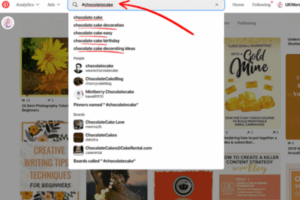
Unlike social media focused on personal updates, Pinterest operates as a visual search engine and idea-curation platform—making it perfect for career exploration. Students can search vague career ideas—e.g. “careers in psychology,” “day in the life of a UX designer,” or “women in engineering”—and instantly discover infographics, videos, interviews, and career journey boards. This offers a visually engaging, low-pressure way to connect interests with real-world professions (psychologytoday.com).
📚 2. Building Career Boards as Digital Resumes & Learning Hubs
a. Career Interest Boards
Students should create public boards per field—e.g. “Careers in Psychology,” “Product Design,” or “Data Science Journey.” Pin items like:
- “What it’s really like to work at XYZ company”
- “10 skills every data analyst needs”
- “Day in the life: UX Designer” videos
These boards effectively serve as a digital portfolio and research tool that reflects evolving interests (psychologytoday.com).
b. Academic & Skill-Building Boards
Pin resources like skill guides, certification info, relevant workshops, and industry-standard tools (e.g. coding bootcamp tips, Figma tutorials, writing for psychologists), and group them under boards like “Skill-Building” or “Certifications.” This helps academically shape the path toward a career .
c. Project & Portfolio Showcases
Students can make boards like “My UX Projects” or “Research Methodology Projects” and pin their own work—slides, sketches, reports—creating a visual resume that’s more impressive than a simple document (christasathish.com).
🤝 3. Networking, Mentorship & Employer Insight
a. Follow Thought Leaders & Organizations
Follow professionals, university career services, or firms in fields of interest. Their Pins (articles, interviews, infographics) appear in the feed, revealing insider perspectives .
b. Research Employers
Many companies have Pinterest pages. Students can follow these to learn about corporate culture, recruiting processes, employee benefits, and visual branding—useful for interview prep and tailoring application materials .
c. Engage Politely
Repinning or engaging with content from employers can subtly put you on their radar—sharing mutual interests and showing early engagement (salary.com).
🔎 4. Job Search & Interview Preparation
Pinterest isn’t just for inspiration—it’s a practical job hunt resource.
- Search terms like “resume tips,” “behavioral interview questions,” or “nurse interview answers” to uncover checklists, templates, and articles (psychologytoday.com).
- Create boards like “Interview Prep” or “Resume Templates” pinning useful infographics and professional advice (studyian.com).
Many university career centers maintain Pinterest boards; following them ensures tailored guidance (psychologytoday.com).
🧭 5. Visual Planning & Goal Setting
By visually pinning career goals and milestones—like degrees, portfolio pieces, networking events, and certifications—students create a visual roadmap of their career journey.
- A board called “5-Year Career Plan” can include Pins like “UX Researcher Path,” “LinkedIn Profile Tips,” “Internship application timeline.”
- These visual cues help students stay motivated, track progress, and adjust goals as they evolve.
🌟 6. Inspiration from Role Model Paths
Pinterest enables students to learn from others’ career trajectories:
- Search “women in AI,” “first-gen college students in finance,” or “product managers under 30.”
- Students might encounter Pinboards documenting someone’s first job, resume evolution, interview experience, or life balance—offering real-world examples to guide them.
🛠️ 7. Skill-Building via Visual Tutorials
Career readiness is more than theory—it’s practical skills. Pinterest provides tutorials that:
- Teach industry skills like video editing, UI design, public speaking, or resume crafting.
- Offer visual step-by-step guides that are more digestible than academic texts .
Students can pin tutorials to their academic boards like “UI Design Practice,” helping them apply skills concretely.
🧩 8. Career Projects & Collaborative Learning
Group boards are ideal for team projects: students pin designs, research articles, branding palettes, or pitch videos on a board dedicated to a class assignment or competition, facilitating visual collaboration and peer feedback .
📅 9. Career Preparation Milestones
Students can visually structure their journey:
- First semester: “Skill Development—Python course”
- Second semester: “Portfolio Project—App UI mockups”
- Next summer: “Internship hunt—targeted companies”
- Final year: “Job Interview Materials—typical questions, LinkedIn layout”
Visualizing these steps helps maintain momentum and gives clear direction.
✅ Practical Example: Emma’s Tech-Design Journey
Meet Emma, a tech-focused product design major seeking a tech-industry career.
Step 1: Create focused boards
- “Product Design Careers” – UX/UI roles with Pins about day-in-the-life, portfolios, industry paths
- “Skill Tutorials” – Figma, Adobe XD, design-thinking processes
- “Company Research” – Tiles for Google/Meta design culture, team-building processes
- “Job Prep” – UX portfolio layout ideas, hiring process visuals, LinkedIn customization
Step 2: Pin thoughtfully
- She pins free Figma UX kit tutorials, UX portfolio reviews, and “How to land FAANG UX internship” infographics
- Her “Company Research” board includes articles like “Working as a PM at Google” and “Design culture at startup vs big tech”
Step 3: Follow & engage
- She follows top designers, UX thought leaders, and university career pages
- Occasionally repins helpful advice like “Common product design case study prompts”
Step 4: Research & job prep
- She searches “UX design interview questions” to find actionable tips and adds them to “Job Prep”
- Uses pins to craft her own portfolio, referencing aesthetic and storytelling best practices
Step 5: Use group and project boards
- She joins “UX Portfolio Peer Review” group board, adding portfolio mockups and receiving feedback
Step 6: Reflect and apply
- By senior year, Emma’s journey is visualized. Publicly sharing her boards with LinkedIn and educators showcases her journey, skills, and professional identity
🎓 Benefits Summary
| Feature | How It Helps Students |
|---|---|
| Discovery & Career Exploration | Learn about roles, lifestyles, and paths visually without overwhelm |
| Skill Curation & Tutorials | Visually bookmark skill-building materials and resources |
| Personal Portfolio Boards | Create a shareable visual resume demonstrating projects and soft capabilities |
| Employer Insights & Networking | Follow and interact with companies and thought leaders for real-world context |
| Job Prep Resources | Collect interview tips, resume guides, and psychometric insights in one place |
| Collaborative Learning | Group boards support shared pinning and critique for projects and study groups |
| Visual Goals & Milestones | Use visuals to map out career steps and keep motivated over time |
🧭 Getting Started: How Students Should Use Pinterest
- Sign up for a Business account—needed for Analytics and professional use.
- Create targeted boards with professional names and actionable descriptions.
- Pin from credible sources—industry publications, verified professionals, reputable universities.
- Upload personal work properly—add context, describe goals, and link to your broader portfolio.
- Follow professionals & organizations to learn about current industry trends and practices.
- Engage safely—like, repin, and comment thoughtfully. Avoid oversharing.
- Incorporate group boards for projects, peers, and shared learning.
- Use Analytics to measure pin engagement and refine career-relevant content over time.
Conclusion
Pinterest is far more than a hobby site—it’s a powerful visual tool for career exploration, skill development, personal branding, and networking. For students, it becomes:
- A visual map of possible career trajectories
- A learning hub for skills and accreditation
- A personal portfolio displaying real work and accomplishments
- A research space for companies and job prep
- A collaborative educational canvas for projects and peer learning
When used intentionally, Pinterest allows students to design and own their future, turning visual inspiration into real-world career outcomes.