Conversion Rate is a key performance metric in Google Ads (and digital marketing overall) that measures how effectively your ad traffic is turning into valuable actions. A conversion could be a sale, sign-up, form submission, app install, or any other action that you define as a goal for your campaign.
The conversion rate is calculated using the following formula:
Conversion Rate (%) = (Total Conversions ÷ Total Clicks) × 100
This metric shows the percentage of users who clicked your ad and then completed the desired action. It helps you understand how well your landing page, offer, and overall marketing funnel are performing.
Example 1 – Zara (Fashion Brand)
Zara is running a Google Ads campaign to promote its new Spring Collection. In a week, their ad receives 10,000 clicks, and 700 users make a purchase.
Conversion Rate = (700 ÷ 10,000) × 100 = 7%
This means 7% of people who clicked Zara’s ad ended up buying something. A 7% conversion rate is considered very strong in retail.
Example 2 – Zomato (Food Delivery App)
Zomato promotes a new “Flat ₹100 Off” offer using Search Ads. The ad gets 5,000 clicks, and 800 users place an order.
Conversion Rate = (800 ÷ 5,000) × 100 = 16%
Here, Zomato’s conversion rate is 16%, which is high for a food delivery campaign, suggesting that the offer is relevant and persuasive.
Factors Affecting Conversion Rate:
-
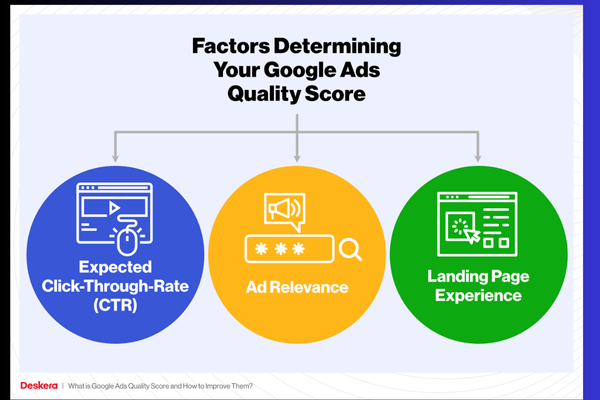
Ad Relevance – Are your keywords aligned with your ad copy and user intent?
-
Landing Page Quality – Is your landing page mobile-friendly, fast, and persuasive?
-
Offer Strength – Are you giving users a compelling reason to take action?
-
Call to Action (CTA) – Is the CTA clear and strong (e.g., “Buy Now,” “Order Today”)?
-
User Experience – Does your site load fast? Is it easy to navigate?
-
Device and Timing – Desktop users may convert differently from mobile users. Weekends may outperform weekdays depending on industry.
Why Conversion Rate is Important
It shows how efficiently your ad budget is being used
It highlights the effectiveness of your landing page and user experience
It helps you compare performance across keywords, campaigns, or audiences
It guides your optimization strategy—higher conversion rates usually mean better ROI
Factors That Affect Conversion Rate
Ad relevance – If your ad copy matches user intent, users are more likely to convert
Landing page quality – Fast loading, mobile-friendly, and well-designed pages convert better
Offer strength – Discounts, limited-time offers, and strong value propositions increase conversions
Audience targeting – Ads shown to the right users at the right time improve performance
Device – Mobile users may behave differently than desktop users
How to Improve Conversion Rate
Write compelling, relevant ad copy
Use strong calls-to-action (e.g., Buy Now, Sign Up Today, Get 20% Off)
Test different headlines and descriptions (A/B testing)
Ensure your landing page is fast and matches your ad
Use remarketing to target users who didn’t convert the first time
Make checkout or signup forms short and simple
Conclusion
Conversion Rate is a critical metric that helps advertisers measure how effective their ads and landing pages are at driving actions. A high conversion rate means your traffic is turning into results—sales, leads, or sign-ups. Brands like Zara and Zomato monitor this closely to evaluate the success of their campaigns and improve their return on investment. By continuously optimizing your ads, offers, and landing pages, you can steadily increase your conversion rate and get more value from every click.