Introduction
In a world increasingly shaped by digital communication, few platforms have played as significant a role in global connectivity as Facebook. Launched in 2004, Facebook has evolved into more than just a social networking site—it is a powerful global tool for communication, collaboration, and community-building. With over 2.9 billion monthly active users, Facebook transcends geographical, cultural, and linguistic boundaries, offering individuals and organizations the ability to connect across continents in real time.
In this article, we’ll explore how Facebook helps in connecting people globally, looking at its features, societal impact, and a real-world example that illustrates its power to unite people across the world.
Facebook as a Global Connector
From its inception, Facebook’s core mission has been to “give people the power to build community and bring the world closer together.” Over the years, the platform has developed a wide range of tools and services that facilitate connection, regardless of location or background. Here’s how Facebook achieves this:
1. Bridging Geographic Barriers
One of Facebook’s most transformative impacts has been its ability to eliminate physical distance in communication. People separated by thousands of miles can now stay in touch through:
- Instant Messaging via Facebook Messenger
- Video Calls and Voice Chats
- Status Updates and Photo Sharing
- Live Streams for Real-Time Interaction
Whether it’s a student studying abroad, a migrant worker away from family, or friends living in different countries, Facebook provides a virtual space for real-time interaction and emotional connection.
Example:
A mother in the Philippines can video chat with her daughter working in Canada using Facebook Messenger every night. They can share updates, photos, and even celebrate birthdays virtually through Facebook’s tools—maintaining a strong family bond despite the distance.
2. Multilingual Accessibility
Facebook is available in over 100 languages, making it truly global in scope. The platform’s language settings allow users to switch between their native language and others, and its automatic translation feature helps break language barriers. This multilingual support enables cross-cultural communication in ways previously unimaginable.
For instance, an English-speaking user in the United States can interact with a Spanish-speaking user in Argentina, as Facebook automatically translates posts and comments, making dialogue seamless and inclusive.
3. Connecting Diaspora Communities
Facebook has become a vital tool for diaspora communities who want to stay connected to their culture, traditions, and hometown networks. Many immigrants use Facebook to follow news from their home countries, join groups based on ethnicity or regional origin, and participate in community discussions.
These groups serve as digital villages—supporting cultural preservation, offering advice, and even organizing real-world events in foreign countries. Examples include groups for Nigerian professionals in the UK, Indian students in the U.S., or Filipino workers in the Middle East.
4. Building Communities Through Groups
Facebook Groups are among the platform’s most powerful features for fostering connection. With millions of groups covering virtually every interest, hobby, profession, and cause, users can find like-minded individuals anywhere in the world.
Whether it’s a group for amateur photographers, cancer survivors, remote workers, or language learners, Facebook provides a sense of belonging that isn’t bound by geography.
Example:
A group called “Expats in Berlin” connects thousands of foreign nationals living in Berlin. Members share local tips, job opportunities, housing options, and support each other emotionally. A newcomer moving to the city can instantly feel less isolated by joining this vibrant online community.
5. Facilitating Social Movements and Awareness
Facebook has played a crucial role in global social movements and humanitarian campaigns. Activists, NGOs, and concerned citizens use Facebook to spread awareness, raise funds, and organize protests or events. Through features like Facebook Events, Live Video, and Fundraisers, users can mobilize support from around the world.
For example, global movements like Black Lives Matter, Fridays for Future, and #MeToo gained momentum through Facebook, drawing international participation and solidarity. Facebook made it possible for individuals in remote parts of the world to contribute to causes that affect humanity on a global scale.
6. Emergency and Crisis Response
In times of natural disasters, conflict, or public health emergencies, Facebook helps users stay safe and informed. The Facebook Crisis Response feature enables users in affected areas to mark themselves as safe, request or offer help, and access verified information.
This tool was particularly valuable during events like the Nepal Earthquake (2015), Hurricane Harvey (2017), and the COVID-19 pandemic. It facilitated rapid communication, resource sharing, and emotional support across borders.
7. Enabling Cross-Border Business and Networking
Facebook has empowered businesses of all sizes to connect with international customers. Through Facebook Pages, Marketplace, and Business Manager, entrepreneurs can advertise and sell globally. Many small businesses in developing countries use Facebook as their primary digital storefront, reaching markets far beyond their local reach.
Additionally, Facebook provides a platform for professional networking and collaboration. Artists, freelancers, educators, and developers frequently connect with peers and clients from around the world via Facebook.
Real-World Example: Facebook’s Role in Refugee Integration
A compelling example of Facebook’s power to connect people globally can be seen in its role during the Syrian refugee crisis. As millions of Syrians fled civil war and sought asylum in Europe and elsewhere, many turned to Facebook for help.
Refugees used Facebook to:
- Find safe migration routes
- Connect with family members lost during the journey
- Join community groups in host countries
- Learn the local language through peer-led Facebook Groups
- Share their stories with the world to gain empathy and support
On the other side, citizens in host countries used Facebook to offer shelter, clothing, legal aid, and employment opportunities. Several Facebook Groups emerged across Germany, Sweden, and Canada where local residents and refugees engaged directly, breaking down cultural barriers and building lasting friendships.
This real-world example demonstrates how Facebook not only facilitated basic survival for many refugees but also enabled long-term integration and global solidarity.
The Role of Facebook in Cultural Exchange
Another often overlooked benefit is Facebook’s contribution to cultural exchange. Users are constantly exposed to different traditions, languages, music, cuisines, and ideas through their global connections.
For example, during cultural festivals like Diwali, Ramadan, Christmas, or Chinese New Year, users share photos, traditions, and greetings that help others understand and appreciate different cultures. This fosters empathy, learning, and mutual respect among global citizens.
Challenges and Ethical Concerns
While Facebook’s role in global connectivity is undeniable, it also faces criticism:
- Misinformation and Fake News: The rapid spread of false information can lead to confusion, especially in global crises.
- Language Bias in Moderation: Content moderation may be less effective in non-English languages, leading to uneven enforcement of rules.
- Privacy Issues: In some regions, especially those with authoritarian regimes, Facebook usage can pose risks to users’ privacy and safety.
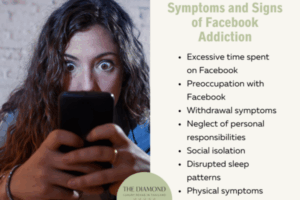
Despite these challenges, Facebook has implemented tools to flag misinformation, enhance security, and improve moderation in multiple languages.
Conclusion
Facebook has fundamentally changed how humans connect across borders. By enabling real-time communication, creating communities, supporting social movements, and fostering cultural exchange, it has brought the world closer together in ways once only imagined.
Its role as a global connector continues to evolve, especially as it integrates with new technologies under the broader Meta vision of the future. Whether through a video call between long-lost friends, a refugee finding a safe home, or strangers uniting for a global cause, Facebook remains a powerful symbol of digital human connection.
As we move into an even more interconnected world, Facebook’s ability to connect people globally will continue to shape our shared human experience—for better or worse—and that responsibility will be crucial to its future legacy.