Pinterest, known as a visual discovery and planning platform, is often associated with crafts, recipes, and home decor. However, its potential goes far beyond lifestyle inspiration. For students, Pinterest can be a powerful educational tool that supports research, planning, organization, and collaboration for school projects. With its image-based interface, link-sharing capabilities, and easy-to-use boards and pins, Pinterest offers a unique way to manage academic assignments creatively and effectively.
This essay explores the ways students can leverage Pinterest to plan and execute school projects—whether they’re working on history presentations, science fair models, group assignments, or creative writing portfolios. An example is also included to show how Pinterest can be applied in a real academic context.
1. Understanding Pinterest as a Planning Tool
Pinterest functions like a digital pinboard where users “pin” images, links, or videos they find interesting, useful, or inspiring. Each pin can link to a website, article, infographic, YouTube video, PDF, or blog, making it ideal for collecting information and resources.
The two main features students need to understand are:
a. Pins
- Pins are visual bookmarks that can be saved from around the internet or uploaded by users.
- Each pin can include a short description and a clickable link to the original source.
- Pins make it easy to visually organize information by topics.
b. Boards
- Boards are digital folders where students can save and organize pins by topic.
- For school projects, boards can be categorized by subject (e.g., “Civil War Project” or “Science Fair Ideas”).
- Boards can be public (shared with classmates or teachers) or secret (for private research and notes).
2. Why Use Pinterest for School Projects?
a. Visual Learning
Many students are visual learners. Pinterest’s image-based format helps them quickly absorb ideas, designs, and key facts.
b. Idea Generation
Pinterest can spark inspiration for project themes, layouts, and creative presentation techniques by showing what others have done.
c. Organization
Pinterest allows students to organize their research, ideas, and sources in one place, reducing clutter and increasing productivity.
d. Collaboration
With group boards, students working in teams can share research and updates, making group work more efficient and interactive.
e. Resource Curation
Instead of bookmarking multiple websites in a browser, students can pin all their helpful resources to a single board for easy reference.
3. Step-by-Step: Using Pinterest to Plan a School Project
Step 1: Create an Account
Students sign up for a free Pinterest account using their email. They can also log in through Google or Facebook.
Step 2: Define the Project Goal
Before jumping into Pinterest, the student should clearly define:
- The subject of the project
- The objective or research question
- The format (poster, essay, slide show, model, etc.)
Step 3: Create a Board
Give the board a relevant name, such as:
- “Solar System Science Fair”
- “Civil Rights Movement Presentation”
- “Literature Character Analysis – Hamlet”
Boards can be secret or public depending on preference or teacher instructions.
Step 4: Start Pinning
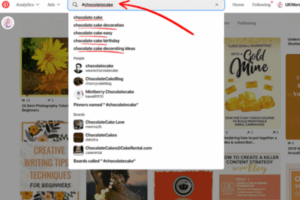
Search Pinterest using keywords like:
- “Photosynthesis infographic”
- “Revolutionary War timeline”
- “Creative history project ideas”
- “Biology model project high school”
Each useful pin can be saved to the board. Students can also pin:
- YouTube tutorials
- Templates
- Printable worksheets
- Diagrams and charts
Step 5: Organize Pins
Add sections within a board to categorize pins. For example:
- A “Biology Project” board can have sections for “Research,” “Experiment Ideas,” “Diagrams,” and “Presentation Tips.”
Step 6: Add Notes and Descriptions
Students can edit each pin’s description to include why it’s useful, what part of the project it applies to, or a to-do note.
Step 7: Collaborate (Optional)
For group assignments, students can invite team members to the board. Everyone can add pins, leave comments, and stay aligned.
Step 8: Use the Pins
Once the planning phase is complete, students use the saved resources and ideas to write their report, build their model, or create their presentation.
4. Real-Life Example: “Emma’s Environmental Science Project”
Background:
Emma, a 10th-grade student, is assigned an environmental science project about renewable energy sources. She must present a 10-minute slideshow and build a small model or demonstration.
Using Pinterest:
a. Creating a Board:
Emma names her board “Renewable Energy School Project.”
b. Research and Idea Collection:
She searches Pinterest using terms like:
- “Wind turbine model school project”
- “Solar energy facts”
- “Infographics on clean energy”
- “Climate change statistics for teens”
She finds a pin showing how to make a miniature windmill with household items and another pin linking to a government website with renewable energy data.
c. Organizing Pins:
Emma creates board sections:
- Research and Facts
- Model Ideas
- Presentation Design
- Infographics
d. Pinning from Other Websites:
Emma also finds useful charts on NASA’s and National Geographic’s websites. She pins these directly to her Pinterest board using the browser extension.
e. Collaboration:
She invites her class partner to the board. Together, they add project ideas, comment on pins, and decide on how to divide the work.
f. Final Outcome:
Emma uses the saved infographics in her slide presentation. The DIY windmill pin helps them build a functioning model for class. They present confidently, using Pinterest as a reference and inspiration throughout the process.
Result:
Their teacher praises their organization, visual aids, and originality. They earn an A on the project—and they’ve learned how to use a digital tool for academic planning.
5. Advanced Tips for Students Using Pinterest
a. Use Descriptive Pin Titles
Change pin titles to make them easier to understand during revision. Instead of “great idea,” rename it “DIY Water Cycle Model with Cotton Balls.”
b. Use Pinterest Lens
Take a photo of a textbook image or classroom poster to find related pins and ideas using Pinterest’s visual search tool.
c. Look for Templates
Pinterest is full of free templates for poster boards, essays, and PowerPoint slides.
d. Explore “Pinterest for Education”
Search for teacher accounts or educational influencers who curate content for students. Many educators share project ideas tailored to school subjects.
e. Follow Educational Boards
Follow boards or creators in your subject area to stay updated on new ideas and trending topics.
6. Educational Benefits of Pinterest
- Enhances Creativity: Pinterest offers design inspiration, helping students present their projects more creatively.
- Improves Research Skills: Students learn to search, filter, and evaluate resources visually.
- Encourages Organization: Having a digital, centralized resource board helps students stay focused and plan effectively.
- Supports Collaboration: Group boards foster real-time teamwork and discussion.
- Makes Learning Enjoyable: The colorful, visual platform engages students more than traditional tools.
7. Conclusion
Pinterest is more than a hobbyist’s tool—it is a powerful educational resource for students of all ages. By using pins and boards, students can brainstorm ideas, research content, organize materials, and collaborate with peers. From science fairs to English projects, Pinterest provides the visual clarity, structure, and creative spark that students need to plan successful school assignments.
Through platforms like Pinterest, education becomes more interactive, organized, and engaging. As digital tools increasingly shape modern classrooms, students who learn to use Pinterest wisely are not only enhancing their schoolwork—they’re developing valuable planning and research skills for life.