📌 1. Purpose & User Intention
Pinterest is a visual discovery engine and idea-planning tool. Users turn to it to gather inspiration—DIYs, décor, recipes, style ideas—and organize content into boards they can revisit anytime (investopedia.com).
Instagram is primarily a social media platform focused on personal sharing, real-time updates, and building connections. Content is about authenticity and immediacy—moments, experiences, opinions—with visual appeal as a byproduct .
🖼️ 2. Content Format: Static vs. Dynamic
- Pinterest emphasizes static, vertical images (ratio 2:3, 1000×1500 px) and long-form visual content like infographics or step-by-step tutorials (katieharpcreative.com).
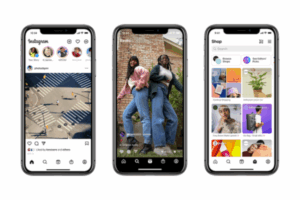
- Instagram offers diverse formats: square/portrait posts, multi-image carousels, Stories, Reels, and IGTV. It supports dynamic, narrative-driven content (productlondondesign.com).
In essence, Pinterest is for evergreen inspiration, while Instagram thrives on ephemeral engagement.
🔄 3. Content Lifespan & Discoverability
Pinterest content has a long tail—Pins can garner views, saves, and clicks months or years after posting due to its search-driven and repinnable nature (difbetween.com).
Instagram posts have a short window of visibility (24–48 hours), after which they quickly fade, unless boosted via Stories or promoted posts .
“Pinterest emphasizes more on long‑term engagement…The lifespan of Pins is much higher than that of Instagram posts.” (reddit.com)
🔍 4. Search & Discovery
- Pinterest operates like a search engine: users enter keywords or browse categories. The platform surfaces related and visually similar Pins via its robust algorithm and visual search tools (ratedsuccess.com).
- Instagram relies on Explore pages and hashtags. Discovery is semi-random and heavily based on social signals like engagement, but not via traditional search queries .
👍 5. Engagement Patterns
- Pinterest engagement is primarily passive—saving Pins, clicking links. Comments and messages are rare (braidenmckee.com).
- Instagram is highly interactive: likes, comments, shares, DMs, poll stickers. Engagement is immediate and encouraged by design (braidenmckee.com).
This means Instagram is better for conversations and relationship-building, while Pinterest is ideal for browsing and inspiration.
🛒 6. E-commerce & Monetization
- Pinterest integrates shoppable Pins, product catalogs, and Promoted Pins, making it a strong driver for intent-based shopping (difbetween.com).
- Instagram also offers shoppable content via tagged posts, Stories links, and Shop tabs, but the funnel often requires manual navigation (difbetween.com).
Pinterest excels in conversion-driven traffic, while Instagram leans into brand awareness and lifestyle marketing.
📊 7. Analytics & ROI
- Pinterest Analytics tracks impressions, saves, clicks, CTR, and content performance over time .
- Instagram Insights focuses on reach, engagement, follower demographics, and interaction metrics. It favors short-term performance evaluation (ocoya.com).
Pinterest drives steady, long-term growth, while Instagram delivers immediate engagement data.
🎯 8. Best Suited For…
| Feature | ||
|---|---|---|
| Content Goal | Inspiration, planning, evergreen ideas | Real-time sharing & personal branding |
| Ideal Formats | Pins, infographics, tutorials | Posts, Stories, Reels, Carousels |
| Discovery Mechanism | Search & algorithmic (long tail) | Hashtags, Explore, algorithmic (short tail) |
| Engagement Style | Saves, clicks (passive) | Likes, comments, DMs (active) |
| Content Longevity | Months to years | Days to weeks |
| Best for E-commerce | High intent shopping | Brand storytelling & discovery |
👥 Example: Launching a Lifestyle Brand
Scenario: You’re launching an eco-friendly homeware brand.
- On Pinterest:
Create vertical Pins featuring product lifestyle shots, tutorials (e.g., “DIY Upcycled Planter”), and guides.
Use SEO-style descriptions and target keywords like “sustainable kitchen decor,” to drive organic search traffic and repins. - On Instagram:
Post square lifestyle images, behind-the-scenes Stories/Reels showcasing production, and engage directly via comments.
Use shoppable tags to connect viewers with product listings; utilize influencer takeovers or collaborations.
Outcome:
- Pinterest Pins serve as a long-term funnel, bringing steady website traffic from search and inspiration-driven users.
- Instagram builds community and brand engagement, driving brand loyalty and immediate awareness.
🧭 Final Thoughts
While both platforms center around visuals, they cater to different user mindsets:
- Pinterest is about discovery, planning, and inspiration that lasts.
- Instagram is about social connection, story-telling, and immediacy.
For creators or brands, the best strategy is to use both platforms in complementary ways:
- Use Pinterest to capture long-term interest and drive discovery via search-driven content.
- Use Instagram to build community and brand identity through timely, interactive content.
By understanding the distinct strengths of each, you can tailor your visual content strategy for maximum reach, engagement, and growth—turning inspiration into action, and followers into customers.