Instagram, originally launched in 2010 as a photo-sharing app, has evolved into a powerful multimedia platform that influences how billions of people interact, express themselves, and stay informed. One of the most profound impacts Instagram has had in recent years is its role in reshaping how we consume information and news. What was once dominated by newspapers, television, and long-form journalism has now shifted — at least in part — to bite-sized, image-driven, and often opinion-rich content that appears on our screens in the form of stories, reels, and posts.
In this essay, we will explore the transformation of news consumption due to Instagram, including the platform’s strengths, weaknesses, and implications. We’ll also look at how different types of news — from global events to social causes — spread through Instagram, and we’ll close with a real-world example of how Instagram has played a role in raising awareness or changing perspectives.
1. The Visual Shift in News Consumption
Traditionally, news was consumed through text-heavy mediums: newspapers, magazines, and websites. Instagram flipped that model on its head by placing visuals — photos, videos, graphics — at the core of its experience. This shift has affected the format, speed, and engagement of news consumption.
a. Bite-sized Information
Instagram encourages short, concise messaging. Users are more likely to engage with a post that gets straight to the point in a few slides or under a minute. As a result, complex issues are often broken down into infographics, quick headlines, or short video explainers. This style makes information easier to digest but can oversimplify nuanced topics.
b. Infographics and Carousel Posts
Slide posts (carousel format) are often used to present news in a step-by-step manner. These make information more engaging and encourage users to swipe through, simulating a reading experience without overwhelming them with text.
2. News Through Influencers and Creators
Another major shift brought by Instagram is the decentralization of news sources. In the past, we relied on professional journalists and traditional media outlets. On Instagram, anyone — from influencers to activists to regular users — can share news, analysis, or opinions, and their content can go viral.
a. Citizen Journalism
With the help of smartphones, ordinary people can capture events in real-time and post them immediately. Videos of protests, natural disasters, or political events often appear on Instagram before they reach traditional newsrooms. This has empowered people to document truth, especially in places where free press is restricted.
b. Activists and Niche Voices
Social and political activists use Instagram to spread awareness about issues like climate change, gender equality, mental health, and racial justice. Their reach often exceeds that of traditional news channels, especially among younger audiences.
Example: During the Black Lives Matter movement in 2020, activists used Instagram to post educational resources, protest updates, and calls to action. The hashtag #BlackLivesMatter trended globally, and carousel posts about systemic racism were shared by millions.
3. Instagram Stories and Reels as News Platforms
a. Stories for Real-time Updates
Instagram Stories, which disappear after 24 hours, are ideal for breaking news and quick updates. News organizations, influencers, and individuals often use Stories to share updates on developing situations, polls, or user-submitted content. Their temporary nature encourages daily check-ins and high engagement.
b. Reels for Explainers
Reels, Instagram’s answer to TikTok, are widely used to deliver short, entertaining news explainers. Journalists and content creators simplify headlines or controversial topics into 30- to 60-second videos, often with graphics, voiceovers, and music. This caters especially to younger users who prefer watching over reading.
4. Algorithmic Influence on Information Exposure
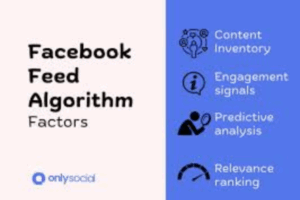
The Instagram algorithm decides what content appears on a user’s feed, Explore page, or Reels tab based on previous interactions. This means users are more likely to see content that aligns with their interests or beliefs — including news.
a. Echo Chambers and Filter Bubbles
While personalization can make content more relevant, it also creates echo chambers where users are exposed only to viewpoints similar to their own. This can reinforce biases and limit exposure to diverse perspectives, making it harder for users to understand complex or controversial issues fairly.
b. Virality Over Accuracy
The algorithm favors content with high engagement (likes, shares, comments), not necessarily content that is accurate or balanced. Sensational headlines, emotionally charged graphics, or polarizing opinions often outperform well-researched, nuanced posts. This can lead to the spread of misinformation.
5. Impact on Traditional News Outlets
Recognizing Instagram’s reach and influence, many traditional news organizations have created Instagram accounts to stay relevant and connect with younger audiences.
a. Adaptation of Content
Outlets like BBC, CNN, The New York Times, and Al Jazeera now create platform-specific content: short videos, quote graphics, and Instagram Lives with correspondents. This has led to a more interactive form of journalism where users can comment, ask questions, and share posts instantly.
b. Loss of Gatekeeping
Because Instagram allows anyone to share news, traditional media’s gatekeeping role — the filtering and fact-checking of information — has weakened. While this democratizes information, it also raises concerns about reliability and verification.
6. The Role of Hashtags and Viral Movements
Hashtags are central to how information spreads on Instagram. They make it easy to search for related content and amplify campaigns or movements.
a. Awareness Campaigns
Hashtags like #MeToo, #FridaysForFuture, #SaveTheAmazon, and #PrayForBeirut have helped raise global awareness about specific causes and events. These movements often gain traction through viral Instagram posts.
b. Calls to Action
Many of these campaigns lead to real-world action: protests, donations, petitions, or political pressure. Instagram, therefore, doesn’t just inform but also mobilizes.
7. The Psychological Impact of Instagram News
While Instagram makes news more accessible and engaging, it also brings emotional and cognitive challenges.
a. Information Overload
The constant stream of updates — especially during crises like wars, pandemics, or political turmoil — can lead to anxiety, fatigue, or a sense of helplessness among users.
b. Activism Burnout
Young users, in particular, may feel pressured to always stay informed or vocal on social issues, leading to burnout. Instagram’s visual nature amplifies this, as users see polished, emotionally intense content all the time.
Real-World Example: The 2020 Beirut Explosion
On August 4, 2020, a massive explosion devastated the port of Beirut, Lebanon. While global news outlets took time to report in full, Instagram users in Beirut shared firsthand videos and images within minutes. Hashtags like #BeirutBlast and #PrayForBeirut trended globally.
How Instagram Played a Role:
- Immediate Awareness: Graphic footage of the explosion was shared in real-time, alerting the world before traditional news broke the story.
- Fundraising: Influencers and NGOs used Stories and Reels to promote relief efforts. Donation links were added to bios or shared through swipe-up features.
- Accountability: Lebanese citizens used Instagram to call out government negligence, share testimonies, and demand political change.
- Global Solidarity: Users from around the world reshared visuals and messages of support, showing how Instagram enabled instant empathy and global reach.
This event highlighted Instagram’s role as a hybrid of journalism, community activism, and emotional storytelling.
Conclusion
Instagram has dramatically changed the way we consume information and news. It has made news more visual, accessible, and interactive, especially for younger generations. Users no longer rely solely on journalists or newsrooms; they turn to peers, creators, and influencers for updates and perspectives.
While this shift democratizes information and empowers voices previously unheard, it also presents challenges — including misinformation, algorithmic bias, and emotional overwhelm. Therefore, as consumers, we must learn to navigate Instagram critically: verify sources, diversify viewpoints, and balance digital engagement with offline reflection.
In a world where news can spread across the globe in seconds through a single Story or Reel, Instagram has emerged as not just a social media app, but a powerful information network that’s here to stay.