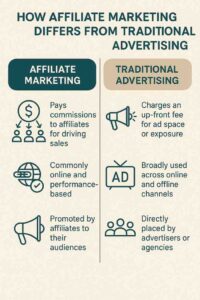
The digital landscape has shifted dramatically in the last decade, moving away from traditional advertising and toward a more decentralized, people-powered model driven by individuals — also known as the creator economy. This new ecosystem is fueled by content creators: YouTubers, TikTokers, bloggers, podcasters, Instagram influencers, and livestreamers who produce authentic, engaging content for niche audiences. With their growing influence, they have also become central to the evolution of affiliate marketing — a performance-based advertising model where individuals earn commissions by promoting products and services.
Affiliate marketing has become a perfect match for creators, enabling them to monetize their platforms while maintaining trust with their audiences. As both the creator economy and affiliate marketing mature, their convergence is forging new paths in how brands connect with consumers, how content is monetized, and how influence translates to revenue. This essay explores in depth the future of affiliate marketing in the creator economy, covering key trends, technological innovations, new monetization models, challenges, and a real-world example to illustrate these dynamics.
Understanding the Creator Economy
The creator economy is the collective ecosystem of independent content creators who generate revenue through platforms like YouTube, Instagram, TikTok, Twitch, Medium, Patreon, and Substack. These individuals build audiences around their passions — from travel and gaming to tech reviews and fashion advice.
Unlike traditional media, creators thrive on authenticity and engagement. Their followers often see them as peers or trusted friends, not as celebrities or corporate spokespeople. As a result, their endorsements tend to drive high-intent actions like clicks, subscriptions, and purchases.
According to SignalFire, there are over 50 million creators worldwide, and that number is growing rapidly. Many of these creators are now full-time entrepreneurs, relying on affiliate marketing, brand partnerships, digital product sales, and memberships as their primary income streams.
What is Affiliate Marketing?
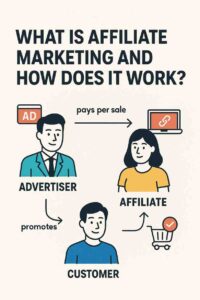
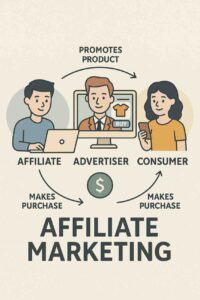
Affiliate marketing is a type of performance marketing where individuals (affiliates) promote a company’s products or services and earn a commission for each sale or lead they generate through their unique tracking link.
Affiliate marketing has evolved from simple link sharing to an integrated strategy within content, where creators seamlessly introduce products in the context of value-driven content — like tutorials, reviews, listicles, or lifestyle posts.
For creators, affiliate marketing offers:
-
Passive income from existing content
-
No need to create or store products
-
Monetization without disrupting user experience
-
An alternative to ads or platform-dependent income
Why Affiliate Marketing Fits Perfectly in the Creator Economy
1. Authentic Recommendations Drive Conversions
Creators often use the products they promote and offer first-hand experiences. Audiences trust their recommendations more than traditional ads, which is why affiliate links integrated into real content (e.g., “my favorite productivity tools”) drive higher conversion rates.
2. Scalability
Affiliate marketing is scalable — creators can continue earning long after publishing content, and as their audience grows, so does the potential revenue.
3. Control and Flexibility
Unlike brand sponsorships that may come with creative restrictions, affiliate marketing lets creators choose the products they love and promote them in their own voice.
The Future of Affiliate Marketing in the Creator Economy
As both sectors grow and evolve, several major trends and developments are shaping the future of affiliate marketing in the creator space.
1. Integrated “Shoppable” Experiences
Shoppable content is the future of commerce-driven content creation. Social platforms are investing heavily in features that allow creators to tag products in videos and images, letting viewers shop without leaving the platform.
-
Instagram Shopping allows influencers to tag products in Stories and Posts.
-
YouTube’s Product Shelf lets creators display affiliate products under their videos.
-
TikTok Shop integrates affiliate links into live streams and video posts.
In the near future, every content platform — from Instagram to Pinterest — will become a hybrid of media and marketplace, where discovery and purchase are unified.
Example:
A fitness creator on TikTok demonstrates a home workout using resistance bands. Viewers can instantly click the on-screen product tag and buy the bands through the creator’s affiliate link — without leaving the app.
2. Rise of Micro and Nano Influencers in Affiliate Programs
Large influencers have wide reach but often low engagement. The future of affiliate marketing belongs to micro (10k–100k followers) and nano (under 10k) influencers who have deep trust and engagement with niche audiences.
Brands are increasingly designing affiliate programs to cater to small creators with:
-
High commission rates
-
No minimum traffic requirements
-
User-friendly dashboards for performance tracking
This democratizes income generation for smaller creators and allows brands to scale outreach with many small, highly engaged voices.
3. Smarter Affiliate Tools and AI Integration
The affiliate platforms of the future will be AI-driven and creator-friendly, helping users make data-driven decisions.
Upcoming innovations include:
-
Smart affiliate link generators that suggest products based on a creator’s content.
-
AI-powered dashboards that identify top-performing products and recommend optimization strategies.
-
Auto-insertion tools that place affiliate links in older content, increasing long-term earnings.
With these tools, creators can run multi-platform affiliate campaigns with little manual effort, increasing efficiency and revenue.
4. Vertical-Specific Affiliate Marketplaces
Future affiliate networks will specialize by niche. We are already seeing the rise of:
-
LTK (LikeToKnowIt) for fashion and beauty creators.
-
RewardStyle for lifestyle influencers.
-
PartnerStack for SaaS and B2B creators.
These marketplaces offer curated experiences for both brands and affiliates, making it easier to find perfect-fit partnerships and optimize earnings.
Creators can expect future platforms to offer:
-
Personalized brand suggestions
-
Peer recommendations
-
Vertical-focused analytics
5. Diversification of Monetization: Affiliate + Community
Creators are moving beyond just affiliate links. In the future, affiliate marketing will be part of a multi-layered monetization strategy that includes:
-
Paid newsletters
-
Exclusive memberships (e.g., Patreon)
-
Online courses or workshops
-
Product collaborations (e.g., creator-branded merchandise)
Affiliate marketing will remain a key foundational income stream, but the most successful creators will combine it with community-building and owned platforms (like email lists or personal websites) to reduce dependency on social media algorithms.
6. Regulation and Transparency
As affiliate marketing grows, so does scrutiny. Governments and regulatory bodies like the FTC are enforcing stricter guidelines to protect consumers.
Future creators will need to:
-
Clearly disclose affiliate relationships
-
Avoid false claims
-
Ensure transparency in recommendations
Platforms may begin automating disclosure tagging, ensuring compliance without creators needing to manually insert disclaimers.
Real-World Example: Marques Brownlee (MKBHD)
Marques Brownlee, a tech YouTuber with over 18 million subscribers, is a shining example of affiliate marketing within the creator economy.
He reviews smartphones, laptops, cameras, and gadgets. Each video description includes affiliate links to Amazon or Best Buy, where viewers can buy the product he discusses.
Why his strategy works:
-
He offers unbiased, high-quality content.
-
His audience trusts his expertise.
-
He provides value before selling anything.
-
He combines brand sponsorships with affiliate links, maximizing revenue streams.
Marques doesn’t need to push sales — his influence and authority naturally drive purchases. As a result, he earns significant affiliate revenue passively from videos he uploaded years ago.
Challenges to Consider
While the future is promising, there are challenges creators and affiliate marketers must navigate:
-
Over-saturation – With so many creators promoting products, audiences may experience fatigue.
-
Platform dependency – Relying solely on platforms like Instagram or TikTok can be risky due to algorithm changes or bans.
-
Commission volatility – Brands may suddenly reduce commission rates (as Amazon did in 2020), affecting earnings.
-
High competition – As affiliate marketing grows, competition for attention increases.
To overcome these, creators must focus on providing consistent value, building owned audiences (email/newsletter), and diversifying income.
Conclusion: A Creator-Led, Affiliate-Powered Future
The future of affiliate marketing in the creator economy is bright, decentralized, and empowering. As creators gain more tools, independence, and control over their monetization, affiliate marketing will evolve from a side income to a main revenue engine for millions around the world.
We will see:
-
Smarter platforms that match creators with affiliate opportunities.
-
Greater transparency and regulation.
-
Deeper integration of commerce into content.
-
The rise of “contentpreneurs” — creators who combine content creation, commerce, and community.
Affiliate marketing offers a scalable, sustainable, and ethical monetization path for creators who focus on trust, authenticity, and value. As this new digital economy grows, those who adapt early, embrace innovation, and stay genuine will be the leaders of the next generation of digital entrepreneurs.
In short, the future of affiliate marketing is not just about selling — it’s about sharing, serving, and succeeding together with your audience.
You said:
ChatGPT said:
Title: What Are Micro-Influencers and How Do They Fit in Affiliate Marketing?
In today’s digital-first world, where consumer trust is hard-won and attention spans are fleeting, the marketing landscape is undergoing a major transformation. Among the most powerful shifts is the rise of micro-influencers — everyday individuals with modest but highly engaged followings on social media. Unlike traditional celebrities or large influencers who may have millions of followers, micro-influencers have built communities based on trust, authenticity, and niche interests. When combined with affiliate marketing, a performance-based advertising model, micro-influencers become an unstoppable force in brand promotion and consumer persuasion.
This essay explores in detail what micro-influencers are, why they matter, and how they fit into the affiliate marketing ecosystem. We’ll examine their advantages, roles, strategic benefits for brands, challenges, and offer a real-world example to illustrate their growing impact on modern marketing.
Who Are Micro-Influencers?
A micro-influencer is a social media content creator or online personality who typically has between 1,000 to 100,000 followers on platforms such as Instagram, YouTube, TikTok, X (formerly Twitter), or even a personal blog.
Unlike macro or mega-influencers (those with hundreds of thousands or millions of followers), micro-influencers:
-
Focus on niche topics (e.g., vegan recipes, indie beauty products, home workouts, tech accessories).
-
Build strong, interactive communities.
-
Have higher engagement rates (likes, shares, comments).
-
Are perceived as more genuine and relatable by their followers.
Key Traits of Micro-Influencers:
-
Passionate about a specific niche.
-
Engage consistently with followers.
-
Often create content as a side hobby or part-time activity.
-
Known for authentic storytelling and personal experiences.
-
Value long-term relationships over one-time promotions.
Micro-influencers typically operate at the intersection of passion and trust, which makes them incredibly effective at influencing purchasing decisions, especially when the product matches their audience’s interests.
What Is Affiliate Marketing?
Affiliate marketing is a revenue-sharing model where individuals (affiliates) earn commissions by promoting a brand’s product or service. When a consumer clicks the affiliate’s unique referral link and completes a predefined action (purchase, sign-up, download), the affiliate receives a payment.
This model is performance-based, meaning:
-
Brands pay only when results are achieved.
-
Affiliates are incentivized to create high-quality, persuasive content.
-
Affiliates do not need to carry inventory, manage shipping, or handle customer service.
Affiliate marketing includes various formats:
-
Blog posts with embedded affiliate links
-
YouTube video reviews or tutorials
-
Instagram stories with swipe-up affiliate links
-
Discount codes on TikTok or Twitter
-
Newsletter mentions with product links
This system is ideal for micro-influencers, who can authentically incorporate affiliate links into their content without overtly pushing sales.
Why Micro-Influencers Are Valuable in Affiliate Marketing
1. Higher Engagement Rates
While macro-influencers may have a wider reach, studies show that micro-influencers often enjoy 3–10 times higher engagement on average. This is crucial in affiliate marketing because:
-
Higher engagement leads to more clicks.
-
More clicks lead to higher conversion potential.
-
Better engagement increases trust and credibility.
For example, a micro-influencer with 10,000 followers may get 1,000 likes per post (10% engagement), while a macro-influencer with 500,000 followers may get 5,000 likes (1% engagement). The quality of attention matters more than quantity.
2. Authenticity and Trust
Consumers today are skeptical of traditional advertising and influencer endorsements that feel scripted or forced. Micro-influencers, however, are often seen as friends or peers by their followers. Their reviews and recommendations come across as honest and relatable.
Affiliate marketing works best when the audience trusts the recommender, and micro-influencers deliver that authenticity. Their product endorsements feel like personal suggestions, not advertisements.
3. Niche Audiences
Micro-influencers often serve specific communities — like eco-conscious travelers, minimalist home decorators, indie beauty lovers, or tech geeks. Brands can use affiliate marketing to tap into these targeted and highly interested segments.
This is especially useful for:
-
New product launches
-
Niche-specific brands
-
Direct-to-consumer (DTC) businesses
-
Local or regional markets
4. Cost-Effective for Brands
Compared to celebrity endorsements or large influencers who charge thousands per post, micro-influencers are:
-
Affordable (some promote for free products + affiliate commission).
-
Performance-driven (they earn only if results are achieved).
-
Scalable (brands can recruit many micro-influencers to create a network effect).
This makes affiliate marketing campaigns with micro-influencers low-risk and high-reward, especially for small businesses and startups.
How Micro-Influencers Fit into Affiliate Marketing Campaigns
Micro-influencers are an essential part of modern affiliate marketing strategies. Here’s how they are used effectively:
1. Product Reviews and Recommendations
They test and review products they genuinely use, integrating affiliate links into blog articles, Instagram captions, YouTube descriptions, or newsletters.
2. Unboxing and Tutorials
Creators walk through how to use a product, demonstrating value and results. They might share affiliate links in video descriptions or bios.
3. Lifestyle Integration
They showcase products in their day-to-day lives. For example, a fitness micro-influencer might wear and tag gym apparel while doing a workout routine, including a link to purchase with a discount code.
4. Exclusive Promo Codes
Brands provide personalized codes (e.g., “SHUBHLEEN10”) that offer discounts and track performance. Micro-influencers share these codes to boost urgency and clicks.
5. Email Campaigns
Bloggers or newsletter creators include affiliate links in curated emails, like “My Top 5 Summer Skincare Products,” giving audiences valuable recommendations and easy access to purchase.
Tools and Platforms Supporting Micro-Affiliates
Several platforms have emerged to support micro-influencers in affiliate marketing:
-
ShareASale: Offers access to a wide range of affiliate programs.
-
Rakuten Advertising: Includes tools for performance tracking and campaign management.
-
LTK (formerly LiketoKnow.it): Popular with fashion and beauty micro-influencers.
-
Amazon Associates: Ideal for beginners, allowing easy product linking.
-
Impact and Awin: Offer creator-focused interfaces and partnership opportunities.
These platforms typically provide:
-
Dashboards to track clicks, sales, and commissions
-
Link generation tools
-
Auto-updating affiliate links
-
Brand directories to apply for affiliate programs
Example: Real-World Success Story
Case Study: Julia, a Sustainable Fashion Blogger
Julia runs an Instagram page and blog focused on sustainable fashion and has 12,000 followers. She consistently posts about eco-friendly brands, minimalist wardrobe tips, and slow fashion.
Affiliate Strategy:
-
She joins affiliate programs through platforms like ShareASale and Awin.
-
She writes blog posts like “10 Ethical Clothing Brands Worth Supporting.”
-
Each brand she mentions includes her affiliate link.
-
On Instagram, she shares weekly outfits, tagging the brands and linking via her blog or Instagram bio.
-
She uses UTM codes and tracking tools to measure which posts drive the most sales.
Results:
-
Despite her relatively small following, her click-to-conversion ratio is high due to trust and niche relevance.
-
Brands report an average 8% conversion rate from her traffic.
-
Julia earns $500–$1,000/month in affiliate commissions, on top of gifted products.
This showcases how even modest-sized influencers can build sustainable income through affiliate marketing by focusing on quality content and loyal audience engagement.
Challenges Micro-Influencers May Face in Affiliate Marketing
While opportunities are abundant, micro-influencers must also navigate several challenges:
1. Low Initial Traffic
Affiliate marketing requires enough traffic or conversions to earn meaningful commissions. Creators must focus on growth and engagement strategies.
2. Product-Audience Mismatch
Choosing products that don’t align with the audience can damage trust and reduce conversions. Product selection must be strategic and relevant.
3. Commission Structures
Some programs offer low payouts, especially for inexpensive products (e.g., Amazon pays 1–10%). Diversifying programs can help mitigate this.
4. Platform Changes
Algorithm updates on Instagram, TikTok, or YouTube can affect visibility. Building an email list or blog can ensure more control over traffic sources.
Best Practices for Micro-Influencers in Affiliate Marketing
-
Be Transparent – Always disclose affiliate relationships (e.g., “This post contains affiliate links. I may earn a small commission if you buy through my link.”)
-
Focus on Value – Help your audience, don’t just sell to them.
-
Track Performance – Use affiliate dashboards and analytics to understand what works.
-
Diversify Programs – Don’t rely on one affiliate network. Explore multiple niches and partners.
-
Stay Authentic – Promote only what you truly love and believe in.
Conclusion: The Power of the “Small But Mighty” Influencer
Micro-influencers are reshaping the affiliate marketing industry by bringing authenticity, engagement, and niche targeting to the forefront of consumer decision-making. Unlike traditional advertising or macro-influencer campaigns, micro-influencers offer trust over reach, which is the currency that truly drives conversions in today’s digital economy.
As brands seek cost-effective, genuine partnerships and consumers demand more authentic recommendations, micro-influencers are perfectly positioned to lead the next phase of affiliate marketing. Their voices may be smaller, but their impact is more powerful, more personal, and more persuasive — making them the future of this performance-based, creator-led economy.
In a world where influence is measured not just in numbers, but in connection and credibility, micro-influencers and affiliate marketing make a perfect match.