Introduction: A Sea Change in Search
As we move into 2025, Google’s Search engine results page (SERP) is undergoing a dramatic transformation. No longer dominated solely by blue links, search results increasingly feature AI-generated overviews—concise summaries built by large language models like Google’s Search Generative Experience (SGE). These answers appear at the top or middle of the page, providing instant, synthesized insights from multiple sources.
This shift is more than stylistic—it alters user behavior, publisher strategies, and SEO fundamentals. To thrive in the AI-first era, businesses and content creators must rethink visibility, engagement, and brand presence on search results.
In this deep dive, we’ll explore:
- How SERP layout has evolved with AI overviews
- The implications for user behavior and clicks
- Strategic shifts needed for SEO and content
- A real‑world example illustrating the impact
- Key takeaways for 2025 and beyond
1. How SERP Layout Has Evolved with AI Overviews
Traditional vs Modern Layout:
- Pre‑2023:
- A featured snippet (or none) sat above the first ten blue links.
- Ads, local packs, images, news panels could appear, but the page was still link-heavy.
- Today (2025):
- AI Overview / Summary Box: Dominates the top or top-left.
- Often includes follow-up prompts, key excerpts, or bullet-pointed summaries.
- Citation carousel: Sources listed horizontally or vertically, frequently overshadowing link results.
- Blue links are pushed lower, slideshows appear even further down, and ads may be interspersed but are no longer the main focus.
Visual Example of New Layout:
- AI Summary Box (50–60% of viewport)
- Citation Links / Cards (sourced by the AI)
- Traditional Paid Ads (fewer in number)
- Organic Blue Links
- Rich Media Panels (images, videos, etc.)
The result: users often get their answers without clicking, reducing the prominence—and necessity—of ranking in first place.
2. How User Behavior Is Changing
A) Surge in Zero‑Click Searches
- Users see key facts in the AI summary and stop scrolling.
- Even when they continue scrolling, they often never reach organic results.
B) Shift from Clicks to Impressions
- Brand mentions in summaries build awareness without driving visits.
- Metrics like ‘impressions’ and ‘citation appearances’ now matter more than click volume.
C) New Discovery Pathways
- With SGE-style follow-up prompts, users can pivot from generalized answers to deeper queries without visiting any page.
- A single content asset may be cited across multiple panels and follow-up threads.
These changes demand rethinking how success is measured: it’s no longer just traffic-based, but influence and awareness centered.
3. Strategic Shifts for SEO & Content
To maintain relevance within this evolving landscape, your approach must adapt to three key areas:
A) Structural Formatting Over Traditional Keyword Density
Organic placement is still important—but visibility now depends on being AI-friendly. Use:
- TL;DR answer boxes at article start
- Question-based sub-headings (H2/H3 tags)
- Bullet lists, tables, and numbered steps
- FAQ and HowTo schema to enhance machine readability
B) Content Clusters & Authority
AI models draw from sources that show deep topical coverage. Build centralized content hubs and link them internally to signal expertise.
C) Brand Presence and Citability
- Use first-person brand mentions in answers.
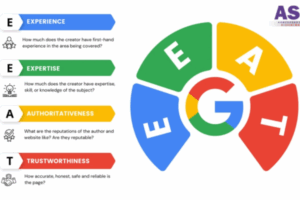
- Ensure author credentials are clear (E-E-A-T approach): e.g., “According to pediatrician Dr. Rao…”
- Keep content updated—AI prioritizes freshness and reliability.
4. Real-World Example: “TravelIndia Guru”
Before AI Overviews:
TravelIndia Guru ranked #1 organically for queries like “best time to visit Ladakh”. They earned consistent clicks and ad revenue. Their blog traffic was healthy.
After AI Overviews Rolled Out:
- Their pages were cited in AI summary boxes (“TravelIndia Guru recommends visiting Ladakh between June and September…”).
- Blue link clicks dropped 35%, yet branded impressions increased, and other monetization channels—like direct guide bookings—remained steady or grew.
Optimizations:
- Added a TL;DR at the top: “Best time to visit Ladakh is June–September due to clear skies and comfortable temperatures.”
- Introduced FAQ schema around altitude sickness, permit rules, and packing tips.
- Created a comparison table of months vs weather vs crowd levels vs costs.
- Added content clusters linking to Altitude Sickness Tips, Vehicle Permits Guide, and Budget Itineraries.
Results by End‑2025:
- AI citations nearly doubled across relevant queries.
- Organic traffic stabilized after an initial dip—but more importantly,
- Guide bookings rose 27%, attributed to increased visibility via AI overviews and heightened branded search behaviors.
5. Key Takeaways for 2025 and Beyond
| Aspect | What It Means | Action Item |
|---|---|---|
| SERP Real Estate Shift | AI summary box is the new prime position | Build content for summarization—quick answers, clear structure |
| Clicks ↓, Impressions ↑ | Zero-click search is on the rise | Optimize for brand presence in AI prompts & citation popularity |
| Follow-Up Prompts | Deeper conversational chains without site visits | Anticipate follow-ups via FAQ-rich sections and clusters |
| Authoritativeness Matters | AI picks from content that is credible & fresh | Use schema and author credentials, reference reputable sources |
| Metrics Changed | Traffic matters less than brand visibility and conversions | Track snippet appearances, branded search growth, and conversions |
Conclusion
The inclusion of AI-generated overviews in Google’s search results is more than a novelty—it’s a search paradigm shift. As the blue-link model recedes, visibility now relies on your content’s extractability, authoritativeness, and formatting readability. Brands that adapt by optimizing for AI summaries will benefit from improved discovery, brand trust, and conversions—even in a world of zero-click search.
If you’re ready to align your content strategy with the new search landscape, consider a full AI‑readiness audit: checking TL;DR presence, schema use, formatting, content clusters, and author credentials. Want help getting set up? Just let me know!