Introduction
In the digital age, learning is no longer confined to textbooks and lecture halls. Technology has opened doors to countless online tools that can enhance the educational experience in creative, visual, and interactive ways. One such platform that’s often overlooked in education but holds significant value is Pinterest.
Primarily known as a visual discovery tool used for inspiration in areas like fashion, cooking, and home decor, Pinterest is increasingly being embraced in educational contexts. Its ability to serve as a curated hub of knowledge and a personalized learning tool makes it particularly useful for students at all levels. This essay explores the educational value of Pinterest for students, its unique features that support learning, and offers a real-world example to illustrate its application in education.
1. What Is Pinterest? A Quick Overview
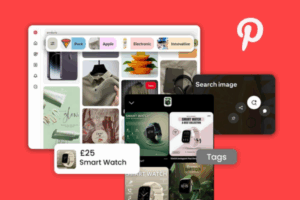
Pinterest is a visual bookmarking and discovery platform where users can find, collect, and organize content using “Pins” saved to “Boards.” Each Pin is a link to an image, article, video, or webpage that offers information, ideas, or how-tos.
Though Pinterest is often associated with lifestyle content, it also contains millions of resources related to:
- Study tips
- Educational infographics
- Subject-specific resources (e.g., science diagrams, math tricks)
- Academic tools (e.g., citation guides, writing prompts)
- Career planning (e.g., resume tips, interview strategies)
This makes Pinterest a searchable, visual, and student-friendly platform for learning.
2. Why Pinterest Works for Students
2.1 Visual Learning Style Support
A significant portion of students are visual learners. Pinterest thrives on visual content—infographics, diagrams, charts, and educational videos—that helps students understand complex topics more quickly than text alone.
For example, instead of reading a paragraph about photosynthesis, a student might find a colorful diagram that explains it in 30 seconds. This not only enhances comprehension but also aids memory retention.
2.2 Organization and Planning
Pinterest Boards allow students to organize content by subject, project, or interest:
- A student can create Boards like “Biology Notes,” “Essay Writing Tips,” or “SAT Prep.”
- This organization fosters self-directed learning and helps students manage their academic workflow visually.
This is especially valuable for high school and college students who juggle multiple subjects or projects at once.
2.3 Resource Discovery Beyond the Classroom
Pinterest acts like a visual search engine. Students can explore a wide range of educational blogs, teacher resources, video tutorials, and academic tips not always available through traditional educational platforms.
This provides access to diverse perspectives, encourages exploration, and promotes curiosity.
2.4 Creativity and Expression
For art students, language learners, and others in creative disciplines, Pinterest is a source of inspiration. They can use it to:
- Collect references for artwork
- Explore new styles or techniques
- Build vocabulary lists in new languages with visual flashcards
- Practice storytelling using visual cues
It’s a platform where education and creativity meet.
2.5 Study Motivation and Productivity
Pinterest offers hundreds of ideas related to:
- Study hacks (e.g., Pomodoro Technique)
- Desk organization for a better learning environment
- Motivational quotes and printable planners
These Pins help students stay organized, inspired, and productive, especially during exam seasons.
3. Educational Uses of Pinterest Across Subjects
3.1 Language Arts and Writing
- Writing prompts and story starters
- Grammar guides and infographics
- Essay structures and citation formats
- Reading lists by genre or academic level
3.2 Science and Math
- Periodic tables and formulas
- Lab experiment ideas and safety guides
- Step-by-step math problem-solving guides
- Physics concepts explained through visuals
3.3 History and Social Studies
- Historical timelines
- Maps and political cartoons
- Primary source visuals and documentary links
- Infographics about historical events or government systems
3.4 Art and Design
- Art history summaries
- Style inspirations from various movements
- How-to tutorials for different mediums
- Visual portfolios or mood boards
3.5 Career and College Prep
- Resume and cover letter templates
- Interview tips and dressing guides
- Study tips for standardized tests
- College application advice
4. Pinterest as a Collaboration and Sharing Tool
Pinterest also allows students to collaborate with peers or instructors by creating shared Boards. Group work can include:
- Collecting resources for a team project
- Organizing research material for joint presentations
- Sharing helpful study tools among classmates
This encourages collaborative learning and allows teachers to monitor student engagement in an organized, accessible way.
5. Real-Life Example: Using Pinterest for a High School History Project
Scenario:
Maria, a 17-year-old high school student, is assigned a project on the Civil Rights Movement in the United States. Her task is to present a timeline of key events, incorporate primary source documents, and connect the historical relevance to today’s world.
How Pinterest Helped:
- Initial Research:
Maria searched for “Civil Rights Movement timeline” on Pinterest. She found multiple infographics that outlined key events from the Montgomery Bus Boycott to the passing of the Civil Rights Act. - Visual Aids and Primary Sources:
She discovered Pins that included photos of protests, newspaper clippings, and Martin Luther King Jr.’s speeches. She pinned these to her “Civil Rights Project” Board. - Presentation Planning:
Maria used ideas from Pins to structure her PowerPoint presentation, including design tips for visual storytelling and formatting advice. - Reflection and Modern Connections:
She found resources that compared the Civil Rights Movement to modern social justice campaigns, which helped her draw parallels for her class discussion. - Collaboration:
Maria invited two classmates to the Board, allowing them to add Pins they found for the project. Together, they created a more comprehensive and engaging presentation.
Result:
Maria’s group earned an A on the project. The visuals kept the class engaged, and the historical content was accurate and well-researched—all thanks to the rich resources Pinterest provided.
6. Benefits for Teachers and Educators
While this essay focuses on students, it’s worth noting that educators also use Pinterest:
- To find teaching strategies
- Discover classroom decor ideas
- Share educational content
- Build visual lesson plans
This makes it a collaborative tool for both students and teachers, fostering a more dynamic classroom environment—even virtually.
7. Addressing Concerns and Limitations
Pinterest is not a traditional academic resource, so students should:
- Verify content accuracy from external sources
- Avoid using Pinterest as their sole research tool
- Be mindful of distractions from non-educational Pins (e.g., fashion or memes)
Despite these limitations, when used strategically, Pinterest is a powerful supplement to traditional study tools.
8. Conclusion
Pinterest’s role in education is often underestimated, but it offers immense value to students as a visual search engine, organizational tool, and creative outlet. Whether used for independent study, collaborative projects, or career planning, Pinterest can enhance learning, improve retention, and inspire academic success.
By integrating visuals with ideas and encouraging self-directed learning, Pinterest aligns with how many students engage best: through exploration, visualization, and interactivity. In today’s education landscape, where students are more tech-savvy and visually oriented than ever before, Pinterest deserves a spot in their academic toolkit.
Summary Example
Maria’s successful high school history project, built using Pinterest’s visual resources and collaborative features, illustrates how the platform empowers students to research, organize, and present complex information creatively and effectively.