What Role Does Mobile Traffic Play in Affiliate Marketing?
In the dynamic landscape of affiliate marketing, where individuals or businesses earn commissions by promoting products or services through unique tracking links, mobile traffic has emerged as a pivotal driver of success. Mobile traffic refers to the visits, clicks, and conversions generated from users accessing content via smartphones, tablets, or other mobile devices. As of 2025, with global mobile internet penetration exceeding 60% and over 5 billion mobile users worldwide, mobile devices dominate online activity, accounting for approximately 55% of global web traffic. This shift has profoundly influenced affiliate marketing strategies, requiring affiliates to optimize campaigns for mobile users to maximize reach, engagement, and conversions. This comprehensive explanation, spanning at least 1,200 words, will explore the critical role of mobile traffic in affiliate marketing, its impact on strategies and performance, the challenges it presents, and provide a practical example to illustrate its application.
Understanding Mobile Traffic in Affiliate Marketing
Mobile traffic encompasses user interactions with affiliate content—such as blog posts, social media ads, email links, or landing pages—accessed through mobile devices. Unlike desktop traffic, mobile traffic is characterized by:
- On-the-Go Behavior: Users access content during commutes, breaks, or casual browsing, often with shorter attention spans.
- Touch-Based Navigation: Interactions rely on taps, swipes, and scrolls, necessitating intuitive, mobile-friendly designs.
- Diverse Platforms: Mobile traffic spans apps (e.g., Instagram, TikTok), mobile browsers (e.g., Chrome, Safari), and in-app ads.
- Location-Based Opportunities: Mobile devices enable geolocation targeting, allowing affiliates to tailor promotions by region.
In affiliate marketing, mobile traffic drives key performance metrics like clicks (on affiliate links), conversions (e.g., sales, sign-ups), and revenue. Its role is amplified by trends in 2025, including:
- E-commerce Growth: Mobile commerce (m-commerce) accounts for over 70% of e-commerce sales, with users purchasing directly from smartphones.
- Social Media Dominance: Platforms like Instagram, TikTok, and YouTube, primarily accessed via mobile, are major traffic sources for affiliates.
- AI and Personalization: Mobile-specific tools leverage AI to deliver personalized ads and content, boosting engagement.
The Role of Mobile Traffic in Affiliate Marketing
Mobile traffic plays a multifaceted role in affiliate marketing, influencing strategy, performance, and audience engagement. Below are the key ways it impacts the industry:
1. Driving the Majority of Traffic
Mobile devices are the primary way users access the internet, making mobile traffic a dominant force in affiliate campaigns.
- High Volume: With 55% of global web traffic coming from mobile, affiliates who fail to target mobile users miss a significant audience.
- Social Media Reliance: Platforms like TikTok (1.5 billion monthly active users) and Instagram (2 billion) generate massive mobile traffic, as most users access them via apps.
- Search Behavior: Over 60% of Google searches occur on mobile, with users seeking quick answers or products, driving clicks to affiliate content.
Impact: Affiliates prioritizing mobile traffic tap into a vast audience, increasing clicks and conversions. For example, a mobile-optimized blog post ranking for “best running shoes” can attract thousands of mobile searchers monthly.
2. Enhancing Conversion Opportunities
Mobile traffic offers unique conversion opportunities due to its immediacy and accessibility.
- Impulse Purchases: Mobile users are prone to quick decisions, especially when encountering deals or limited-time offers in affiliate promotions.
- In-App Purchases: Apps like Amazon or Shopify stores enable seamless checkouts, reducing friction for mobile conversions.
- Click-to-Call or Messaging: Mobile campaigns can include call-to-action buttons for direct contact, ideal for lead-based affiliate programs (e.g., insurance or real estate).
Impact: Mobile-optimized campaigns achieve higher conversion rates, especially for low-cost or impulse-driven products. A well-placed affiliate link in a TikTok video can drive instant purchases.
3. Enabling Targeted and Personalized Promotions
Mobile devices provide rich data—such as location, device type, and browsing behavior—enabling affiliates to deliver hyper-targeted promotions.
- Geolocation Targeting: Tools like Geniuslink redirect mobile users to region-specific affiliate links (e.g., Amazon.de for German users), ensuring relevant offers.
- Behavioral Targeting: AI-driven platforms like Voluum analyze mobile user behavior to serve personalized ads (e.g., fitness gear for gym-goers).
- Push Notifications: Mobile apps send affiliate promotions via push notifications, re-engaging users with time-sensitive deals.
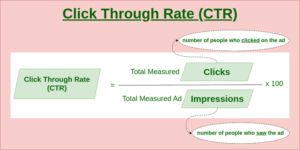
Impact: Personalized mobile promotions increase relevance, boosting click-through rates (CTR) and conversions. For instance, a geolocated ad for a local fitness class can achieve a 10% CTR compared to 2% for generic ads.
4. Supporting Multi-Channel Strategies
Mobile traffic integrates seamlessly with multi-channel affiliate campaigns, as users switch between apps, browsers, and emails on their devices.
- Social Media: Affiliates leverage Instagram Reels, TikTok videos, or YouTube Shorts to drive mobile traffic to affiliate links.
- Email Marketing: Mobile users open 50% of emails on smartphones, making mobile-optimized email campaigns (e.g., via ConvertKit) critical for affiliate promotions.
- Paid Ads: Mobile-specific ad formats, like in-feed ads on Facebook or TikTok, attract high engagement from mobile audiences.
Impact: Affiliates can reach users across touchpoints, increasing exposure and conversions. A campaign combining Instagram ads, email follow-ups, and a mobile-friendly blog post creates a cohesive funnel.
5. Requiring Mobile-Optimized Content and User Experience
Mobile traffic demands content and websites optimized for smaller screens and touch navigation.
- Responsive Design: Mobile-friendly websites (e.g., built with WordPress or Thrive Architect) ensure fast loading and easy navigation, reducing bounce rates.
- Simplified Landing Pages: Mobile users prefer concise, scannable content with clear calls-to-action (e.g., “Shop Now” buttons).
- App Integration: Affiliate links must work seamlessly in apps, avoiding redirects that disrupt user experience.
Impact: Mobile optimization lowers bounce rates (e.g., from 60% to 30%) and boosts conversions by ensuring a smooth journey from click to purchase.
6. Facilitating Micro-Moments
Google’s concept of “micro-moments”—when users turn to their devices for quick answers or actions—is central to mobile traffic’s role.
- I-Want-to-Know Moments: Users research products (e.g., “best noise-canceling headphones”), clicking affiliate blog posts or reviews.
- I-Want-to-Buy Moments: Users act on deals, such as clicking an affiliate link in a discount code post.
- I-Want-to-Do Moments: Users seek tutorials, driving traffic to affiliate-linked how-to videos.
Impact: Affiliates capturing micro-moments with mobile-optimized content gain a competitive edge, driving immediate conversions.
7. Challenges of Mobile Traffic
While mobile traffic is transformative, it presents challenges that affiliates must address:
- Smaller Screens: Limited space requires concise, visually appealing content.
- Shorter Attention Spans: Mobile users spend less time on pages, necessitating engaging, quick-loading content.
- Tracking Issues: Cookie-blocking browsers (e.g., Safari) and app-based tracking restrictions (e.g., Apple’s App Tracking Transparency) complicate attribution.
- Higher Competition: The popularity of mobile traffic increases ad costs and competition for top placements.
Mitigation: Use mobile-specific tools (e.g., OptinMonster for pop-ups, Voluum for tracking), optimize for speed, and focus on high-engagement platforms like TikTok.
Benefits of Leveraging Mobile Traffic
- Wider Reach: Mobile traffic accesses billions of users, expanding affiliate audiences globally.
- Higher Engagement: Mobile users interact frequently with social media and apps, increasing exposure to affiliate content.
- Faster Conversions: Mobile’s immediacy drives quick purchases, especially for low-cost or trending products.
- Cost Efficiency: Mobile ads (e.g., TikTok) often have lower costs per click than desktop campaigns, maximizing ROI.
- Data-Driven Targeting: Mobile data enables precise audience segmentation, improving campaign effectiveness.
Strategies to Optimize Mobile Traffic
- Mobile-Friendly Websites: Use responsive themes and test load times with Google’s PageSpeed Insights.
- Short, Engaging Content: Create concise blog posts, Reels, or Shorts with clear affiliate links.
- App-Specific Links: Use deep links to direct users to apps (e.g., Amazon app) for seamless conversions.
- Mobile Ad Formats: Leverage in-feed or Stories ads for high engagement.
- Analytics Tools: Use Voluum or Google Analytics to track mobile performance and optimize campaigns.
- Compliance: Ensure FTC disclosures (#ad) and GDPR-compliant consent banners for mobile users.
Example of Mobile Traffic in Affiliate Marketing
Scenario
Liam, an affiliate marketer, runs a fitness blog, “ActivePulse,” and promotes a smart fitness tracker, “FitTrack,” through the CJ Affiliate network, earning $20 per sale. Recognizing that 70% of his traffic comes from mobile devices, Liam designs a mobile-optimized campaign to maximize conversions.
Step 1: Campaign Planning
Liam uses SEMrush to research mobile search trends, identifying keywords like “best fitness tracker 2025” with high mobile volume. He analyzes his Google Analytics data, confirming that 65% of his blog visitors and 80% of Instagram followers use smartphones. He decides to focus on Instagram and his blog for mobile traffic.
Step 2: Mobile-Optimized Content
Liam creates a blog post, “FitTrack Review: Why It’s My Go-To Fitness Tracker,” using Thrive Architect to ensure a responsive, fast-loading design (under 2 seconds, per PageSpeed Insights). The post is concise (800 words), with scannable headings, bullet points, and a prominent “Buy Now” button linked to his FitTrack affiliate link via Geniuslink, which redirects UK users to Amazon.co.uk. He includes an FTC disclosure: “This post contains affiliate links, meaning I may earn a commission at no cost to you.”
On Instagram, Liam posts a 15-second Reel showing him using FitTrack during a workout, highlighting its heart rate accuracy. He adds “MAYA20” for 20% off and a swipe-up affiliate link, disclosing with #ad. The Reel is optimized for mobile with bold captions and vertical formatting.
Step 3: Lead Capture and Email
Liam uses OptinMonster to create a mobile-friendly pop-up offering a “Fitness Tracker Comparison Guide” eBook, capturing 500 email leads monthly. The form integrates with ConvertKit, which sends a mobile-optimized email sequence:
- Email 1: Delivers the eBook with a FitTrack link.
- Email 2: Shares Liam’s FitTrack experience, linking to his review.
- Email 3: Offers the “MAYA20” code, driving urgency.
ConvertKit’s responsive templates ensure emails render perfectly on smartphones.
Step 4: Paid Ads and Tracking
Liam runs a TikTok ad targeting fitness enthusiasts, using a 10-second clip from his Reel with a bio link to his blog. He tracks performance with Voluum, which shows a 6% conversion rate from TikTok compared to 3% from Instagram. Voluum’s AI suggests increasing TikTok ad spend, which Liam automates. Google Analytics confirms 75% of blog conversions occur on mobile, validating his strategy.
Step 5: Compliance and Optimization
Liam uses CookieBot for a GDPR-compliant consent banner on his blog, ensuring mobile users consent to cookies. He tests his blog and landing page with Google’s Mobile-Friendly Test, achieving a 100% score. Voluum’s data prompts Liam to shorten his blog’s call-to-action text for mobile users, increasing clicks by 20%.
Outcomes
- Conversions: Liam drives 150 sales ($3,000 in commissions) over a month, with 80% from mobile traffic (60% Instagram/TikTok, 20% blog/email).
- Traffic Growth: His blog attracts 5,000 mobile visitors monthly, and his Instagram Reels gain 10,000 views each.
- Audience Expansion: The eBook grows his email list by 1,500 subscribers, enhancing future campaigns.
- Merchant Trust: FitTrack’s affiliate manager offers Liam a 25% commission increase for his mobile-driven results.
- Efficiency: Mobile optimization reduces bounce rates from 50% to 25%, boosting SEO rankings.
Why This Example Matters
Liam’s campaign highlights mobile traffic’s role in driving traffic, conversions, and engagement. By optimizing content, ads, and emails for mobile users, using tools like Thrive Architect, Geniuslink, OptinMonster, ConvertKit, Voluum, and CookieBot, and targeting micro-moments on Instagram and TikTok, Liam maximizes his affiliate success.
Conclusion
Mobile traffic is a cornerstone of affiliate marketing in 2025, driving the majority of web visits, enabling quick conversions, and supporting targeted, multi-channel campaigns. Its role is amplified by mobile commerce growth, social media dominance, and AI-driven personalization, though challenges like small screens and tracking restrictions require strategic optimization. Affiliates leveraging mobile traffic with responsive designs, concise content, and tools like Voluum, ConvertKit, and SEMrush can reach vast audiences, boost conversions, and scale efficiently. The example of Liam’s FitTrack campaign illustrates how mobile-optimized strategies—spanning blogs, social ads, and emails—drive significant revenue while addressing user behavior and compliance. In a mobile-first world, prioritizing mobile traffic is not just an advantage—it’s essential for thriving in the $16 billion affiliate marketing industry.