Home Blog Page 40

How Do Storytelling Techniques Improve Email Engagement?

Introduction

In a world saturated with marketing messages, emails, notifications, and advertisements, standing out in a crowded inbox has never been more challenging. Whether you’re a student promoting your blog, an affiliate marketer pushing a product, or a small business owner nurturing leads, your email marketing efforts can either build strong, lasting relationships—or be completely ignored.

What separates high-performing emails from those that are deleted or marked as spam? The answer often lies in storytelling.

Storytelling is more than just stringing words together—it’s about connecting emotionally with your readers. Humans are naturally wired to respond to stories. According to neuroscience research, stories activate parts of the brain that make content more memorable, engaging, and persuasive.

This article explores how storytelling techniques can improve email engagement, including open rates, click-through rates, and conversions. We’ll delve into the psychology behind storytelling, practical techniques to incorporate stories into emails, and a real-life example that brings these concepts to life.


1. Why Storytelling Works in Email Marketing

A. Stories Activate the Brain

Scientific studies have shown that when we read or hear a story, multiple parts of our brain light up—not just the language centers but also those responsible for sensory experiences, emotions, and motor activity. This makes stories more memorable and persuasive than plain facts or bullet points.

B. Emotional Connection Increases Trust

In email marketing, empathy builds trust. Telling a personal story or sharing a customer journey makes your message feel more authentic, relatable, and trustworthy. People buy or subscribe not just because of what you’re offering but because of how you make them feel.

C. Stories Create Curiosity

A well-crafted story draws readers in. Instead of “selling” from the first sentence, storytelling pulls people into a narrative—making them want to read until the end, increasing time spent on email and the likelihood of clicking a link.

D. Storytelling Differentiates You

Most marketing emails are direct and salesy. Story-driven emails stand out as more personal and less intrusive. They differentiate your brand or voice from hundreds of others competing in the same inbox.


2. Storytelling Elements That Improve Email Engagement

To effectively use storytelling in your emails, it helps to understand the core elements of a good story and how to adapt them for email marketing.


✅ A. The Hook (Start with Intrigue)

Every good story starts with a hook—a sentence that grabs attention and sets the tone.

Example Hook:

“Last year, I nearly failed my accounting exam… until one mistake changed everything.”

This triggers curiosity and makes the reader want to know what happened next.


✅ B. The Conflict (Introduce a Problem)

All compelling stories involve some form of conflict, struggle, or obstacle.

Example Conflict:

“No matter how many hours I studied, my marks stayed average. I felt frustrated and started questioning my strategy.”

This humanizes the storyteller and mirrors the audience’s own pain points.


✅ C. The Turning Point (Moment of Change)

Introduce a solution, discovery, or shift in mindset that helped resolve the problem.

Example Turning Point:

“Then I found a simple Pomodoro-based planner created by another student—and it completely changed how I managed my time.”

This transition into the solution subtly introduces your product, affiliate link, or lead magnet without sounding salesy.


✅ D. The Outcome (Resolution)

Every story needs a satisfying ending or transformation.

Example Outcome:

“Within two weeks, my stress levels dropped and my marks improved. Today, I swear by this system—and I’m sharing it with you below.”


✅ E. The Call to Action (What Now?)

Now that you’ve earned attention and trust, offer a clear next step.

Example CTA:

“Want to try the same tool I used? Click here to download it free.”


3. Types of Stories to Use in Emails

You don’t need to be a novelist to tell great stories. In fact, everyday moments and real-life experiences are often the most powerful. Here are some types of stories you can weave into your emails:


📘 Personal Stories

Share your own challenges, lessons, or turning points.

Example: “How I overcame procrastination and improved my GPA in 30 days.”


📗 Customer or User Stories

Use testimonials or user experiences to illustrate value.

Example: “Meet Riya, a student who landed her first internship after using our resume template.”


📙 Behind-the-Scenes Stories

Pull back the curtain and let readers in on your process.

Example: “How we created our newest digital planner (and almost gave up halfway!)”


📕 Case Studies or Success Stories

Present a clear before-and-after narrative showing impact.

Example: “How 200 students used our 7-day study plan to score above 80%.”


📓 Fictional or Relatable Scenarios

Create a character your audience can see themselves in.

Example: “Imagine waking up one week before exams with no plan, no notes, and rising anxiety…”


4. Tips for Writing Engaging Story-Based Emails


✅ Keep It Conversational

Write like you’re talking to a friend. Use you, I, and we. Keep the tone relaxed but purposeful.


✅ Use Short Paragraphs and White Space

People skim emails. Break your story into bite-sized paragraphs and use formatting (bold, italics) to emphasize key points.


✅ Make the Reader the Hero

Even when sharing your story, make sure the takeaway is relevant to the reader’s journey. They should see themselves in your struggle and success.


✅ Include Sensory Details

The more vivid your descriptions, the more engaging your email becomes.

Example:

“My palms were sweaty, eyes glued to the ticking clock, and I had five pages left to revise.”


✅ Don’t Forget the CTA

End with a compelling call to action, tied to the story’s solution or moral.


5. Real-Life Example: Storytelling in a Student Affiliate Email

Scenario:

Meera is a final-year psychology student who promotes productivity tools via affiliate links. Her audience is made up of college students struggling with stress and time management.


Subject Line:

“I used to fail my exams—until this changed everything.”


Email Body:

Hi there,

Two years ago, I almost dropped out of college.

I was overwhelmed, burnt out, and stuck in a cycle of late nights and failed exams. My confidence was at an all-time low, and no matter how hard I tried, nothing worked.

Then something unexpected happened. My senior shared a simple PDF planner she’d designed using the Pomodoro technique. It looked basic—but I decided to give it a try.

That was the turning point.

I began studying in 25-minute blocks, tracking my progress, and rewarding myself with breaks. Within two weeks, my focus improved. By the next semester, I passed all my exams—and even topped one subject!

Today, I’m sharing that same tool with you.

👉 Download the free planner here

If you’re feeling stuck, maybe this is your turning point too.

  • Meera 💛


Results:

  • Open rate: 41%

  • CTR: 14%

  • Replies: Dozens of students responded thanking her

  • Affiliate earnings: ₹3,500 in one week


6. Benefits of Using Storytelling in Email Marketing


🌟 Higher Open Rates

Story-style subject lines create curiosity, encouraging recipients to open the email.


🌟 Stronger Emotional Connection

Stories humanize your brand and make readers feel understood, increasing loyalty.


🌟 Increased Engagement

More people click on links and respond to emails that feel personal and authentic.


🌟 Improved Retention

Subscribers are less likely to unsubscribe when emails consistently offer emotional value through storytelling.


🌟 Better Conversions

By framing your product or service as a natural solution to a real problem, stories make your offer more persuasive.


7. Common Mistakes to Avoid

  • Being overly dramatic or dishonest – Be authentic; don’t fabricate experiences.

  • Forgetting the CTA – Every story should lead to a takeaway or action.

  • Writing too long – Keep stories concise and focused.

  • Not testing story formats – Try different structures (success stories, failures, lessons learned).


Conclusion

In a world where attention is scarce and competition is fierce, storytelling can transform your email marketing strategy from average to exceptional. Stories captivate, connect, and convert. Whether you’re a student affiliate, a creator, or a marketer, using storytelling techniques can elevate your communication and deepen your relationship with subscribers.

When done right, storytelling doesn’t just sell—it inspires, educates, and builds lasting trust.


✅ Final Checklist: Using Storytelling in Emails

Element Description
🎯 Hook Start with an attention-grabbing sentence
💔 Conflict Show the problem your audience relates to
🔁 Turning Point Reveal a discovery or change
🎉 Resolution Share the outcome or lesson
📣 CTA Invite the reader to take action

Want a free template for writing story-based emails that convert? Just ask, and I’ll send you a ready-to-use version tailored to your niche!

Content Calendar: Definition, Role, and Application in Email Marketing

Email marketing is a powerful and cost-effective strategy for businesses, creators, and students to engage with their audience, build relationships, and achieve goals such as driving traffic, promoting products, or fostering community. However, successful email campaigns require careful planning and consistency to deliver relevant, timely, and engaging content. This is where a content calendar becomes indispensable. A content calendar is a structured schedule that outlines what content will be created, when it will be sent, and how it aligns with marketing objectives. In email marketing, it serves as a roadmap to ensure campaigns are organized, strategic, and impactful. This essay explores the concept of a content calendar, its importance in email marketing, how it is used, key components, benefits, challenges, and provides a practical example tailored for a student context.

What is a Content Calendar?

A content calendar, also known as an editorial calendar or marketing calendar, is a planning tool that organizes content creation and distribution across various channels, including email, social media, blogs, or websites. In the context of email marketing, it is a schedule that details:

  • What: The type of email content to be sent (e.g., newsletter, promotional email, welcome series).
  • When: The date and time emails will be sent.
  • Who: The target audience or segment (e.g., new subscribers, engaged users).
  • Why: The purpose or goal of each email (e.g., drive blog traffic, promote a product).
  • How: The platform, tools, or tactics used (e.g., Mailchimp, automation).

Content calendars can be created using simple tools like Google Sheets, Trello, or Notion, or through advanced platforms like CoSchedule or HubSpot, which integrate with email marketing tools. For students or beginners, free tools are often sufficient to plan and execute effective campaigns.

The calendar ensures consistency, aligns content with audience needs and campaign goals, and streamlines workflows, especially for those managing multiple responsibilities, such as students balancing academics and side projects.

Why is a Content Calendar Important in Email Marketing?

Email marketing thrives on delivering the right message to the right audience at the right time. Without a plan, campaigns risk becoming haphazard, inconsistent, or misaligned with objectives, leading to subscriber disengagement or wasted effort. A content calendar addresses these challenges by providing structure and foresight. Its importance includes:

  1. Ensures Consistency: Regular emails keep your brand top-of-mind. A calendar helps maintain a predictable schedule (e.g., weekly newsletters every Tuesday), reducing the likelihood of missed opportunities or long gaps that cause subscribers to forget you.
  2. Aligns with Goals: By mapping emails to specific objectives (e.g., driving blog traffic, promoting a webinar), the calendar ensures every email serves a purpose, maximizing ROI.
  3. Enhances Relevance: Planning allows you to tailor content to seasonal events, holidays, or audience milestones (e.g., back-to-school tips for students in August), increasing engagement.
  4. Streamlines Workflows: For students with limited time, batching content creation (e.g., writing four newsletters in one session) and scheduling emails saves effort and reduces last-minute stress.
  5. Supports Segmentation: The calendar can specify which segments receive which emails, ensuring personalized and targeted content (e.g., welcome series for new subscribers, re-engagement for inactives).
  6. Improves Collaboration: For students working in teams (e.g., for a club or startup), a shared calendar clarifies roles and deadlines, enhancing coordination.
  7. Facilitates Testing: Planning allows for A/B testing (e.g., subject lines, send times) to optimize performance, with results tracked over time.

How is a Content Calendar Used in Email Marketing?

Creating and using a content calendar involves several steps, from defining goals to monitoring outcomes. Below is a detailed process tailored for email marketing, with considerations for students or beginners:

1. Define Goals and Audience

Start by clarifying your email marketing objectives and target audience. Common student goals include:

  • Driving traffic to a blog or portfolio.
  • Promoting a side hustle (e.g., tutoring, freelance services).
  • Building a personal brand or network.
  • Engaging a campus community (e.g., for a club or event).

Identify your audience’s needs, preferences, and behaviors. For example, college students may value career tips or study hacks, while professionals might seek industry insights. Use signup forms or surveys to gather data for segmentation.

2. Choose a Calendar Tool

Select a tool that fits your needs and budget:

  • Google Sheets/Excel: Free, customizable, and ideal for simple schedules.
  • Trello: Free boards for visual planning, with cards for each email.
  • Notion: Free for students, offering templates for calendars and task tracking.
  • Email Platforms: Mailchimp or MailerLite include built-in scheduling features.
  • Premium Tools: CoSchedule or Asana for advanced integration (less relevant for students).

Students can start with Google Sheets for its accessibility and ease of use.

3. Determine Email Frequency and Types

Decide how often to send emails based on audience expectations and goals:

  • Weekly: Common for newsletters, balancing engagement and consistency.
  • Biweekly/Monthly: Suitable for less frequent updates (e.g., campus club news).
  • Event-Based: Triggered emails (e.g., welcome series, abandoned cart) sent as needed.

Identify email types, such as:

  • Newsletters: Regular updates with tips, news, or content.
  • Promotional: Offers for products, services, or affiliate links.
  • Welcome Series: Onboarding emails for new subscribers.
  • Re-Engagement: Emails to reconnect with inactive subscribers.
  • Transactional: Order confirmations or event registrations.

4. Create the Calendar Structure

Design a calendar with columns for key details, such as:

  • Date/Time: When the email will be sent (e.g., “June 24, 2025, 10 AM IST”).
  • Email Type: Newsletter, welcome, promotional, etc.
  • Subject Line: Draft or placeholder (e.g., “5 Study Tips for Finals”).
  • Audience Segment: Who receives it (e.g., “all subscribers,” “new subscribers”).
  • Goal: Purpose (e.g., “drive blog traffic”).
  • Content Outline: Key points, CTA, or lead magnet (e.g., “link to blog post, CTA: Read Now”).
  • Status: Draft, scheduled, sent, or needs review.
  • Owner: For teams, who’s responsible (e.g., “Ava” for content creation).

Plan at least 1-3 months ahead to align with seasonal or academic events (e.g., exams, holidays).

5. Plan Content Themes

Map content to audience needs and timely events. For example:

  • Seasonal: Back-to-school tips in August, holiday gift guides in December.
  • Academic: Exam prep in April, internship advice in January.
  • Promotional: Course launches, affiliate offers, or event registrations.
  • Evergreen: Timeless content like “How to Build a Portfolio.”

Balance value-driven content (80%) with promotional emails (20%) to maintain engagement.

6. Schedule and Automate

Use your email platform to schedule emails in advance or set up automated workflows:

  • Scheduled Emails: Newsletters or promotional emails sent on specific dates.
  • Automated Workflows: Welcome series triggered by signups, re-engagement emails for inactive subscribers, or abandoned cart reminders.

Automation saves time, especially for students juggling academics.

7. Monitor and Adjust

Track key metrics (e.g., open rates: 20-30%, click-through rates: 5-10%, unsubscribes: <0.5%) to assess performance. Use insights to refine the calendar:

  • Low open rates? Test subject lines or send times.
  • High unsubscribes? Reduce frequency or adjust content.
  • Strong engagement? Replicate successful themes.

Update the calendar monthly to incorporate new ideas, events, or test results.

Benefits of a Content Calendar in Email Marketing

  1. Organization: Prevents missed emails or rushed content, ensuring a polished subscriber experience.
  2. Time Efficiency: Batching tasks reduces workload, critical for students with tight schedules.
  3. Strategic Alignment: Ensures emails support goals, maximizing impact.
  4. Consistency: Builds trust and keeps subscribers engaged with regular communication.
  5. Proactivity: Anticipates events or trends, allowing timely content creation.
  6. Data-Driven Optimization: Facilitates testing and tracking, improving performance over time.

Challenges for Students

  • Time Constraints: Balancing academics and content creation can be tough. Batching and automation mitigate this.
  • Limited Experience: Beginners may struggle with planning. Start with a simple calendar and refine over time.
  • Content Ideas: Generating fresh content can be challenging. Use audience feedback or trending topics for inspiration.
  • Tool Access: Premium tools may be costly. Free options like Google Sheets or MailerLite suffice for students.
  • Metric Analysis: Interpreting data requires learning. Focus on open rates, CTRs, and unsubscribes initially.

Example of a Content Calendar in Email Marketing

Scenario:

Ava, a third-year marketing student, runs a blog, “Career Compass,” sharing job search and internship tips for college students. She uses MailerLite’s free plan to manage her email list and wants to create a content calendar to organize her campaigns, drive blog traffic, and promote a planned career coaching service. Ava designs a 1-month calendar for July 2025, aligning with summer internship season.

Implementation:

  1. Goals and Audience:
    • Goals: Increase blog traffic by 20%, grow list by 2% monthly, pre-promote coaching service.
    • Audience: College students and recent graduates seeking career advice.
  2. Tool: Ava uses Google Sheets for her content calendar, with columns for Date, Email Type, Subject Line, Segment, Goal, Content Outline, Status, and Notes.
  3. Email Frequency and Types:
    • Weekly Newsletter: Every Tuesday at 10 AM IST, sharing a career tip and blog link.
    • Welcome Series: 3 emails over 10 days for new subscribers.
    • Promotional Email: Once in July to soft-launch coaching service.
    • Re-Engagement: Mid-July for inactive subscribers.
  4. Calendar Structure (July 2025):

Date Email Type Subject Line Segment Goal Content Outline Status Notes
July 1, 10 AM Welcome Email 1 “[Name], Your Job Search Starts Here!” New Subscribers Build trust, deliver lead magnet Deliver “Interview Prep Checklist,” introduce Ava, CTA: Download Checklist Scheduled Personalize with name
July 4 Welcome Email 2 “Avoid These Resume Mistakes, [Name]” New Subscribers Drive blog traffic Link to blog post “5 Resume Errors,” CTA: Read Now Draft Track blog clicks
July 8, 10 AM Newsletter “Nail Your Internship Interview” All Subscribers Drive blog traffic Tip: Research company, link to blog post, CTA: Read Now Scheduled Test subject line
July 10 Welcome Email 3 “[Name], Ready for LinkedIn?” New Subscribers Promote webinar Invite to free LinkedIn webinar, CTA: Register Now Draft Track webinar signups
July 15, 10 AM Newsletter “3 Secrets to a Standout Cover Letter” All Subscribers Drive blog traffic Tip: Tailor cover letter, link to blog post, CTA: Read Now Draft Include Q&A invitation
July 17, 10 AM Re-Engagement “[Name], Miss Our Career Tips?” Inactive (60+ days) Reconnect or clean list Offer new lead magnet “Career Goal Worksheet,” CTA: Download, preference center link Draft Monitor reactivation rate
July 22, 10 AM Newsletter “How to Network Like a Pro” All Subscribers Drive blog traffic Tip: Follow up after events, link to blog post, CTA: Read Now Draft Test send time (10 AM vs. 2 PM)
July 29, 10 AM Promotional “[Name], Unlock Your Career Potential” Engaged Subscribers Pre-sell coaching Soft-launch coaching service, share benefits, CTA: Join Waitlist Draft Limit to engaged segment
  1. Content Planning:
    • Themes: Focus on summer internship prep (e.g., interviews, resumes, networking) to align with audience needs.
    • Lead Magnet: “Interview Prep Checklist” for new subscribers, delivered in welcome email.
    • Balance: 3 value-driven newsletters, 1 promotional email to maintain 80/20 ratio.
    • Personalization: Use [Name] in subject lines and segment-specific content (e.g., webinar invite for new subscribers).
  2. Scheduling and Automation:
    • Ava schedules newsletters and promotional emails in MailerLite, setting them to send at 10 AM IST for optimal open rates.
    • The welcome series is automated, triggered by new signups.
    • Re-engagement email is scheduled manually to target inactives.
  3. Promotion:
    • Ava promotes her signup form on her blog, Instagram, and university career center, emphasizing the checklist lead magnet.
    • She shares a QR code at a campus job fair to attract subscribers.
  4. Monitoring:
    • Ava tracks open rates (target: 25%), click-through rates (target: 8%), unsubscribes (target: <0.5%), and list growth (target: 2%) via MailerLite.
    • She tests subject lines (e.g., “Nail Your Interview” vs. “[Name], Interview Tips”) and send times, finding 10 AM outperforms 2 PM by 12%.
    • After July, she reviews metrics to plan August, focusing on back-to-school themes.

Outcome:

  • Ava grows her list by 60 subscribers (3% growth) to 2,000, exceeding her goal.
  • Newsletters achieve a 28% open rate and 10% CTR, driving 25% more blog traffic.
  • The welcome series converts 15% of new subscribers to webinar registrants.
  • The promotional email generates 20 coaching waitlist signups, laying the groundwork for her launch.
  • Zero spam complaints and a 0.3% unsubscribe rate reflect high engagement.
Email Content Calendar Example.md
markdown

Conclusion

A content calendar is a vital tool in email marketing, providing structure, ensuring consistency, and aligning content with audience needs and goals. By planning email types, frequency, and themes in advance, it streamlines workflows, enhances relevance, and supports data-driven optimization. For students like Ava, a content calendar simplifies campaign management, making it feasible to balance academics and marketing efforts. Despite challenges like time constraints or limited experience, free tools and strategic planning make it accessible. Ava’s example demonstrates how a student can use a content calendar to grow an engaged audience and achieve objectives, highlighting its role as a cornerstone of effective email marketing. As campaigns evolve, a well-maintained calendar ensures sustained success and adaptability.

How Can You Test and Improve Email Subject Lines?

Introduction

In the fast-paced world of email marketing, the subject line plays a critical role—it is the first impression and the deciding factor between your email being opened or ignored. According to studies, nearly 47% of recipients decide whether to open an email based solely on the subject line, and over 69% may mark it as spam based on a poorly written one.

For students, bloggers, small business owners, or affiliate marketers, mastering subject lines can dramatically improve open rates, engagement, click-through rates (CTR), and ultimately, conversions.

But how do you know which subject lines are effective? And how can you consistently improve them?

The answer lies in testing and optimization. In this article, we’ll explore:

  • Why subject lines matter

  • How to test subject lines effectively

  • Key principles for writing compelling subject lines

  • Tools and techniques for improvement

  • Real-life examples to illustrate the process


1. Why Email Subject Lines Matter

The subject line is like a headline for your email—it must capture attention instantly. If your subject line fails, it doesn’t matter how good the content inside your email is, because no one will see it.

Subject Line Affects:

  • Open rates (do they open the email?)

  • Deliverability (does it end up in spam?)

  • Engagement (do they click on content inside?)

  • Conversions (do they take the desired action?)

For example, if you’re promoting a free webinar for exam preparation, the subject line “Join Our Free Webinar” is less compelling than “3 Exam Hacks Every Topper Uses (Free Webinar Inside!)”.


2. The Importance of A/B Testing (Split Testing)

What is A/B Testing?

A/B testing, also known as split testing, is the process of comparing two (or more) versions of a subject line to see which one performs better. It involves sending version A to one segment of your audience and version B to another, and then analyzing the results.

Metrics to Measure:

  • Open Rate – the percentage of people who open the email

  • Click-Through Rate (CTR) – how many click on links inside the email

  • Conversion Rate – how many complete the desired action (like buying, registering, or downloading)

  • Unsubscribe Rate – how many opt out of your list

Goal: To identify which subject lines drive higher engagement and adjust future campaigns accordingly.


How A/B Testing Works:

  1. Choose the subject line as your variable
    e.g., Version A: “Free Study Plan for CA Students”
    Version B: “Want to Ace Your CA Exams? Grab This Free Plan”

  2. Send to a small test segment
    20% of your list (10% see A, 10% see B)

  3. Measure the results over 24–48 hours
    Let your ESP (email service provider) determine the winner based on open rates.

  4. Send the winning subject line to the remaining 80% of your list.


Popular ESPs That Support A/B Testing:

  • MailerLite

  • ConvertKit

  • Mailchimp

  • Brevo (Sendinblue)

  • ActiveCampaign

Most modern email tools allow you to test:

  • Subject lines

  • Sender names

  • Content inside the email

  • Send time


3. Elements of a High-Performing Subject Line

Crafting subject lines isn’t just about creativity—it’s about psychology, strategy, and testing. Here are key principles:


✅ A. Clarity over Cleverness

Make sure your subject line clearly conveys the email’s value. Avoid being vague.

Poor: “Check this out!”
Better: “New Exam Timetable Template for Students – Download Free”


✅ B. Use Action-Oriented Language

Verbs create urgency and drive.
Example: “Download Your Free Marketing Guide Now”


✅ C. Add Personalization

Including the subscriber’s name or location can increase engagement.

Example: “Hey Arjun, here’s your free AI tool list!”


✅ D. Create Curiosity

Curiosity encourages opens—just don’t be clickbait.

Example: “This One Study Trick Boosted My Grades Overnight”


✅ E. Use Numbers and Lists

Numbers imply value and structure.

Example: “5 Mistakes You’re Making in Your Study Routine”


✅ F. Keep It Short and Sweet

Ideal length: 40–60 characters or 5–7 words
Long subject lines get cut off, especially on mobile.


✅ G. Avoid Spam Trigger Words

Words like “Free!!!”, “100% Guarantee”, “Make money fast” can land you in spam.


4. Subject Line Testing Strategies

If you’re just starting out, here’s a systematic approach to testing and improving:


Step 1: Create Variations

Instead of writing one subject line, write at least 3–5 variations using different tactics:

  • Urgency

  • Curiosity

  • Numbers

  • Questions

  • Personalization


Step 2: Use a Testing Schedule

Test one variable at a time. For example:

  • Week 1: Test curiosity-based vs. clarity-based subject lines

  • Week 2: Test with vs. without personalization

  • Week 3: Test different emoji usage or punctuation


Step 3: Track and Record Results

Maintain a spreadsheet or use built-in analytics to track:

  • Subject line tested

  • Open rate

  • CTR

  • Outcome (winner)

This helps you build a subject line swipe file—a list of top performers for future reference.


Step 4: Analyze Patterns

Over time, you’ll notice patterns:

  • Maybe your audience prefers short subject lines

  • Maybe they respond well to emojis or urgency

Use these insights to improve every new campaign.


5. Tools to Help You Optimize Subject Lines

Here are some useful tools for testing and improving your subject lines:


Subject Line Testers:

  • CoSchedule Headline Analyzer
    Rates your subject line on readability, sentiment, and structure

  • Mailmeteor Subject Line Tester
    Predicts whether your subject line might be spammy or ineffective

  • SendCheckIt
    Offers spam score and tips for improvement


AI Copywriting Tools:

  • ChatGPT
    Generate multiple variations of a subject line based on audience or tone

  • Copy.ai or Jasper.ai
    Great for generating emotional or urgency-based headlines


6. Real-Life Example: Testing Subject Lines for a Student Affiliate Email

Scenario:

Rahul, a final-year B.Com student, is promoting a free downloadable Excel budget planner for students through his email list of 3,000 subscribers.


Email Goal:

Encourage students to download the free planner (affiliate links included in the PDF).


Subject Line Test:

Version A Version B
“Free Excel Budget Template for Students” “Struggling with Money? Try This Free Tool”

Testing Plan:

  • Sent to 600 subscribers (300 got A, 300 got B)

  • Tracked over 24 hours


Results:

  • Version A:

    • Open Rate: 28%

    • CTR: 6.5%

  • Version B:

    • Open Rate: 34%

    • CTR: 8.9%


Winner: Version B

Why? Version B used curiosity + problem-solving language. “Struggling with Money?” immediately connects with student pain points.


What Rahul Did Next:

  • Used Version B for the remaining 2,400 subscribers

  • Tracked final results:

    • Overall Open Rate: 36%

    • Clicks: 215

    • Downloads: 180

    • Affiliate earnings: ₹3,200 in one week


Takeaway:

A/B testing subject lines directly impacted open rates and revenue.


Conclusion

Subject lines are the gateway to email engagement. Even the most beautifully designed and content-rich emails will fail if the subject line doesn’t grab attention. The secret to mastering subject lines lies in testing, analyzing, and repeating what works.

By using A/B testing, writing with proven techniques (like clarity, curiosity, and personalization), and using smart tools, you can consistently boost your email open rates and connect better with your audience.

Whether you’re promoting a course, an affiliate product, or a newsletter, your subject line is the key that unlocks success.


✅ Final Summary: Checklist to Improve Subject Lines

Task Description
✍️ Write multiple variations Test clarity, curiosity, urgency
🧪 Run A/B tests Use ESP features to test subject lines
📈 Track performance Open rate, CTR, unsubscribes
⚙️ Use tools Subject line analyzers, AI writers
❌ Avoid spam triggers “Free!!!”, “Make money fast”, etc.
📉 Learn from low performers Tweak and re-test
📚 Build a swipe file Save best-performing subject lines

Want a ready-to-use A/B test template and 20 subject line ideas tailored to your niche (study tips, affiliate marketing, etc.)? Let me know—I’ll generate one based on your specific goals.

Email Personalization: Definition, Mechanisms, and Impact

Email marketing remains a cornerstone of digital communication, offering businesses, creators, and individuals a direct and cost-effective way to engage with their audience. However, in an era of information overload, generic emails often fail to capture attention or drive action. This is where email personalization comes into play. Email personalization involves tailoring email content to individual subscribers based on their data, preferences, behaviors, or interactions, making messages more relevant and engaging. For students, small business owners, or creators with limited resources, personalization is a powerful strategy to stand out, foster connections, and achieve campaign goals. This essay explores the concept of email personalization, how it works, its benefits, challenges, best practices, and provides a practical example to illustrate its application.

What is Email Personalization?

Email personalization is the process of customizing email content to align with the unique characteristics, interests, or behaviors of individual subscribers. Unlike mass email blasts that deliver the same message to everyone, personalized emails use data to create a tailored experience, making recipients feel valued and understood. Personalization can range from simple tactics, like including a subscriber’s name in the subject line, to advanced strategies, such as recommending products based on past purchases or sending emails triggered by specific actions.

Personalization leverages data collected from subscribers, such as:

  • Demographic Data: Name, age, location, or occupation.
  • Behavioral Data: Website visits, purchase history, email opens, or link clicks.
  • Preference Data: Interests or content types selected during signup.
  • Lifecycle Data: Stage in the customer journey (e.g., new subscriber, loyal customer).

By integrating this data into email campaigns, marketers can deliver content that resonates, increasing engagement and conversions. For example, a student blogger might send a personalized email with study tips tailored to a subscriber’s major, while an e-commerce brand might recommend products based on a customer’s browsing history.

How Does Email Personalization Work?

Email personalization relies on a combination of data collection, segmentation, automation, and email marketing platforms. Below is a step-by-step explanation of how it works:

1. Data Collection

Personalization begins with gathering relevant data about subscribers. Common methods include:

  • Signup Forms: Collect basic information like name, email, and preferences (e.g., “What topics interest you?”). For example, a student might ask subscribers to select “coding” or “design” as interests.
  • Website Tracking: Use cookies or pixels to track user behavior, such as pages visited or items added to a cart. Tools like Google Analytics or email platforms like Mailchimp integrate this data.
  • Purchase or Interaction History: Record past purchases, email opens, or link clicks to understand subscriber behavior.
  • Surveys or Quizzes: Ask subscribers to share preferences or goals (e.g., “What’s your biggest career challenge?”) to refine personalization.
  • CRM Integration: Sync data from Customer Relationship Management (CRM) systems to include details like purchase frequency or customer status.

For compliance with regulations like GDPR, CAN-SPAM, and CASL, data collection must be transparent, with explicit consent obtained via double opt-in or clear privacy statements.

2. Segmentation

Segmentation divides the email list into smaller groups based on shared characteristics or behaviors. This ensures personalized content is sent to the right audience. Common segments include:

  • Demographic: Age, gender, location (e.g., “students in California”).
  • Behavioral: Engaged subscribers, inactive users, or recent purchasers.
  • Interest-Based: Topics selected during signup (e.g., “Python learners” vs. “data science enthusiasts”).
  • Lifecycle Stage: New subscribers, active users, or lapsed customers.

For example, a student running a blog might segment subscribers into “new subscribers” for a welcome series and “engaged readers” for weekly newsletters.

3. Dynamic Content

Dynamic content allows emails to display different elements based on subscriber data. Most email marketing platforms (e.g., Mailchimp, ConvertKit, Klaviyo) support dynamic fields or content blocks. Examples include:

  • Personalized Fields: Inserting the subscriber’s name (e.g., “Hi [Name]”).
  • Tailored Recommendations: Showing products or content based on past behavior (e.g., “Since you liked our Python tutorial…”).
  • Location-Based Content: Adjusting offers by geography (e.g., “Events near [City]”).
  • Conditional Content: Displaying different images or text based on segments (e.g., a discount for frequent buyers vs. a guide for new subscribers).

Dynamic content is coded into email templates using placeholders (e.g., {{FirstName}}) that pull data from the subscriber database.

4. Automation

Automation enables personalized emails to be sent at scale, triggered by specific actions or schedules. Common automated workflows include:

  • Welcome Series: A sequence of emails for new subscribers, personalized with their name and interests.
  • Abandoned Cart Emails: Sent to users who leave items in their cart, recommending those products.
  • Behavioral Triggers: Emails triggered by actions like website visits, link clicks, or birthdays.
  • Drip Campaigns: A series of emails nurturing leads over time, tailored to their lifecycle stage.

Automation platforms like MailerLite or ConvertKit use rules (e.g., “If subscriber clicks link X, send email Y”) to deliver personalized content at the right moment.

5. Testing and Optimization

To ensure personalization is effective, marketers test and refine their approach:

  • A/B Testing: Compare personalized subject lines (e.g., “[Name], Your Study Guide” vs. “Your Study Guide”) or content variations to identify what drives higher engagement.
  • Analytics: Track metrics like open rates (target: 20-30%), click-through rates (target: 5-10%), and conversions (target: 2-5%) to measure personalization impact.
  • Feedback: Use surveys or preference centers to update subscriber data and refine personalization.

Benefits of Email Personalization

Personalization significantly enhances email marketing performance. Key benefits include:

  1. Increased Engagement: Personalized emails have a 26% higher open rate and 14% higher click-through rate, per Campaign Monitor. Relevant content encourages subscribers to interact.
  2. Higher Conversions: Tailored CTAs and offers drive actions, with personalized emails boosting conversions by 10%, per HubSpot.
  3. Improved Retention: By addressing subscriber needs, personalization reduces unsubscribe rates (target: <0.5%) and fosters loyalty.
  4. Enhanced Deliverability: Relevant emails are less likely to be marked as spam, maintaining a low complaint rate (<0.1%) and strong sender reputation.
  5. Better ROI: Personalized campaigns yield higher returns, with email marketing averaging $36 per $1 spent (Litmus, 2024).
  6. Trust and Connection: Addressing subscribers by name or referencing their interests builds rapport, making them feel valued.

Challenges of Email Personalization

While powerful, personalization presents challenges, especially for students or beginners:

  • Data Quality: Inaccurate or incomplete data (e.g., wrong names) can lead to errors, like addressing “John” as “Jane,” undermining trust.
  • Time and Effort: Setting up segments, automation, and dynamic content requires initial investment, which can be daunting for busy students.
  • Technical Complexity: Advanced personalization (e.g., behavioral triggers) may require coding knowledge or premium platform features.
  • Privacy Concerns: Over-personalization (e.g., referencing specific purchases) can feel intrusive if not handled transparently. Compliance with GDPR, CAN-SPAM, and CASL is critical.
  • Resource Constraints: Free plans (e.g., Mailchimp’s 500-subscriber limit) may restrict advanced personalization features like dynamic content.

Best Practices for Email Personalization

To maximize impact, students should follow these best practices:

  1. Start Simple: Begin with basic personalization, like using first names or segmenting by interest.
  2. Collect Relevant Data: Use signup forms, surveys, or tracking to gather actionable data, ensuring consent via double opt-in.
  3. Segment Strategically: Create segments based on behavior, interests, or lifecycle stage for targeted content.
  4. Use Dynamic Content Sparingly: Focus on meaningful personalization (e.g., tailored recommendations) rather than overusing fields.
  5. Test and Refine: A/B test personalized elements and monitor metrics to optimize performance.
  6. Ensure Compliance: Include privacy statements, unsubscribe links, and a physical address to meet regulatory requirements.
  7. Leverage Free Tools: Platforms like MailerLite or ConvertKit offer personalization features on free plans, ideal for students.

Example of Email Personalization in Action

Scenario:

Liam, a junior computer science student, runs a blog, “TechBit,” sharing coding tutorials for beginners. He wants to grow his email list to drive blog traffic and promote affiliate coding courses. Using ConvertKit’s free plan (up to 10,000 subscribers), Liam implements personalization to engage his audience of students and aspiring developers.

Implementation:

  1. Audience and Goals:
    • Audience: College students, career switchers, and coding beginners.
    • Goals: Increase blog traffic, boost affiliate conversions, and maintain engagement.
  2. Data Collection:
    • Signup Form: Liam’s blog features a form with the headline: “Join TechBit for Weekly Coding Tips!” It collects name, email, and interest (e.g., “Python,” “JavaScript,” “Web Development”).
    • Double Opt-In: Ensures consent, with a confirmation email: “Confirm Your TechBit Subscription!”
    • Behavioral Tracking: ConvertKit tracks which blog posts subscribers visit and which links they click.
    • Survey: Liam sends a survey after 30 days asking, “What’s your coding goal?” to refine segments.
  3. Segmentation:
    • New Subscribers: Receive a welcome series.
    • Interest-Based: Tagged as “Python,” “JavaScript,” or “Web Development” based on signup form.
    • Engaged Subscribers: High open/click rates, receive weekly newsletters.
    • Inactive Subscribers: No opens for 60 days, receive re-engagement emails.
  4. Personalized Emails:
    • Welcome Series (3 emails over 10 days):
      • Email 1 (Immediate):
        • Subject: “[Name], Your Free Python Cheat Sheet Awaits!”
        • Body: “Hi [Name], I’m Liam, a student coder like you. Thanks for joining TechBit! Since you chose [Interest], here’s your free Python Cheat Sheet to kickstart your journey. [Download Now] Expect weekly tips every Tuesday. Reply with your biggest coding challenge—I’d love to help!”
        • Personalization: Uses first name and selected interest.
      • Email 2 (Day 5):
        • Subject: “[Name], Loved [Blog Post]? Try This!”
        • Body: References a blog post they viewed (e.g., “Since you checked out my Python Loops tutorial, here’s a bonus tip…”), with a CTA to watch a related YouTube video.
        • Personalization: Dynamic content based on tracked blog visits.
      • Email 3 (Day 10):
        • Subject: “Ready to Level Up, [Name]?”
        • Body: Promotes an affiliate Python course: “Since you’re into [Interest], this course helped me master coding fast. Check it out! [Learn More]”
        • Personalization: Tailored course recommendation by interest.
    • Weekly Newsletter:
      • Subject: “[Name], This [Interest] Tip Rocks!”
      • Body: “Hey [Name], here’s your weekly [Interest] tip: [specific tip, e.g., ‘Use list comprehensions for cleaner Python code’]. Watch my latest video for more! [Watch Now] Reply with your coding questions—I’m here to help.”
      • Personalization: Name, interest-based tip, and video tailored to segment.
    • Re-Engagement Email:
      • Subject: “[Name], Miss Our Coding Tips?”
      • Body: “Hi [Name], it’s been a while! Since you showed interest in [Interest], here’s a new guide: ‘Top 5 Coding Mistakes to Avoid.’ [Download Now] Want fewer emails? Update preferences [here] or [unsubscribe].”
      • Personalization: Name, interest, and preference center link.
  5. Technical Setup:
    • Liam uses ConvertKit’s tag-based system to manage segments and dynamic content (e.g., {{FirstName}}, {{Interest}}).
    • He configures SPF and DKIM for deliverability and tests emails across Gmail and Outlook.
    • Automation triggers welcome series and re-engagement emails based on subscriber actions.
  6. Monitoring and Optimization:
    • Liam tracks open rates (target: 25%), click-through rates (target: 8%), and conversions (target: 3%) via ConvertKit’s analytics.
    • A/B tests subject lines (e.g., “[Name], Python Tip” vs. “Python Hack for [Name]”), boosting opens by 10%.
    • Conversion rate for affiliate links reaches 4%, generating $200 in commissions over two months.

Outcome:

  • Liam grows his list to 500 subscribers, with a 30% open rate and 10% click-through rate.
  • The welcome series achieves a 40% open rate and 15% CTR, driving 25% more blog traffic.
  • Personalized course recommendations convert 20 subscribers into course signups, earning $200.
  • Zero spam complaints and a 0.3% unsubscribe rate reflect high engagement and compliance.

Conclusion

Email personalization transforms generic campaigns into tailored experiences, leveraging data, segmentation, and automation to deliver relevant content. By addressing subscribers’ unique needs, it boosts engagement, conversions, and retention while ensuring compliance and deliverability. Despite challenges like data quality or technical complexity, students can use free tools like ConvertKit to implement effective personalization. Liam’s example demonstrates how a student can apply personalization to grow an engaged audience and achieve monetization goals. As email marketing evolves, personalization will remain a critical strategy for building meaningful connections and maximizing campaign success.

How Can You Avoid Being Marked as Spam in Email Marketing?

Introduction

Email marketing is one of the most powerful tools in digital communication. Whether you’re a student affiliate marketer, content creator, or small business owner, email lets you directly connect with your audience. However, one of the biggest obstacles marketers face is ensuring that their emails actually land in the inbox—not the spam folder.

Being marked as spam not only reduces your visibility and engagement but also affects your sender reputation, email deliverability, and, in some cases, your legal standing. Spam filters have become increasingly sophisticated, and recipients are quick to report unwanted emails. As a result, email marketers must be proactive in building trust, maintaining compliance, and optimizing content.

In this article, we’ll discuss why emails get marked as spam, how spam filters work, and provide detailed strategies to avoid being labeled as spam. We’ll also include a real-world example to illustrate these best practices in action.


Understanding What Spam Is

Spam emails are unsolicited or irrelevant emails, often sent in bulk, that users did not explicitly agree to receive. While many spam emails come from bad actors or scammers, even legitimate senders can be marked as spam due to poor practices.

Why You Should Care About Spam Filters

  • Emails in the spam folder have 0% impact unless recovered.

  • Too many spam reports can get your domain blacklisted.

  • Spam complaints hurt your sender reputation, reducing future deliverability.

  • Poor practices can lead to legal action under laws like CAN-SPAM, GDPR, and India’s DPDPA 2023.


1. Why Emails Get Marked as Spam

To avoid spam filters, you must first understand what triggers them. Common causes include:

A. Sending Without Permission

  • Adding people without their consent

  • Buying or scraping email lists

B. Misleading or Clickbait Subject Lines

  • “Get Rich in 24 Hours!”

  • “Urgent: You Won a Prize!”
    Spam filters flag these phrases due to their aggressive and manipulative tone.

C. Poor Email Design or Formatting

  • All capital letters or too many exclamation marks

  • Excessive use of bold and red text

  • Unbalanced image-to-text ratio

D. Using Spam Trigger Words

Words like “Free!!!”, “100% Guaranteed”, “Make money fast”, and “Act Now” are often flagged.

E. Lack of Unsubscribe Option

Emails without an easy-to-find unsubscribe link are not only unethical but also illegal under many data protection laws.

F. Sending from Free Email Domains

Using Gmail, Yahoo, or Hotmail to send bulk marketing emails is frowned upon. These domains don’t verify your identity.

G. Low Engagement Rates

If people don’t open, click, or engage with your emails—or worse, they delete them or mark them as spam—your sender reputation declines.


2. Technical Factors That Affect Spam Filtering

Apart from content and user behavior, technical factors also play a role in whether your emails get delivered or filtered.

A. Sender Reputation

This is a score assigned to your email domain or IP based on user feedback, spam reports, bounce rates, and engagement.

B. Email Authentication

Set up these authentication protocols:

  • SPF (Sender Policy Framework): Confirms the email was sent from your domain.

  • DKIM (DomainKeys Identified Mail): Ensures the message wasn’t altered during transit.

  • DMARC (Domain-based Message Authentication Reporting and Conformance): Aligns SPF and DKIM to protect your domain.

C. Blacklisted IP or Domain

If your domain or IP is blacklisted, your emails will go straight to spam—no matter how good the content is.


3. Best Practices to Avoid Being Marked as Spam

Now that we know the pitfalls, let’s explore proactive strategies you can use to stay out of the spam folder and maximize your email marketing success.


✅ 1. Always Get Explicit Permission

Use opt-in forms that clearly explain what people are signing up for. Avoid adding emails without consent, even from friends, WhatsApp contacts, or classmates.

Better Practice: Use double opt-in—the subscriber confirms their intent via email before being added to your list.


✅ 2. Use a Professional Email Marketing Service

Platforms like MailerLite, ConvertKit, Brevo, and Mailchimp:

  • Automatically handle authentication protocols (SPF, DKIM)

  • Help manage unsubscribes and bounces

  • Offer spam testing tools

Avoid: Sending bulk emails from Gmail or Yahoo accounts.


✅ 3. Write Honest, Relevant Subject Lines

Don’t try to trick people into opening your email. Use subject lines that:

  • Reflect the content of your email

  • Use natural language

  • Create curiosity without exaggeration

Examples of good subject lines:

  • “Your 7-Day Study Plan is Ready”

  • “Top 3 Tips for Exam Success (No Cramming Required)”

  • “Just for You: Our Best Affiliate Tools Round-Up”


✅ 4. Craft High-Quality Content

Keep your content:

  • Well-structured and scannable

  • With a 60:40 ratio of text to images

  • Clear and professional, with no typos or excessive punctuation

Avoid overuse of spam trigger words like:

  • “Make money fast”

  • “Act now”

  • “Risk-free”

  • “100% guaranteed”


✅ 5. Include a Visible Unsubscribe Link

Every email must give users a clear way to unsubscribe. Not only is this legally required, but it also:

  • Reduces spam complaints

  • Improves list quality

  • Shows respect for your audience

Bonus: Offer list management options. “Want fewer emails? Click here to receive monthly updates instead.”


✅ 6. Personalize Your Emails

Use the subscriber’s first name, interests, or past behavior to customize the message.

Example:

Hi Ankit,
We noticed you downloaded our “Productivity Planner.” Here are 3 tools to help you use it better.

Personalized emails are less likely to be marked as spam and have much higher open rates.


✅ 7. Maintain a Clean List

Remove:

  • Inactive subscribers (haven’t opened emails in 60–90 days)

  • Invalid or bounced emails

  • Unengaged users who never click

How: Run a re-engagement campaign before deleting them. Example subject line: “Still Want to Hear From Us?”


✅ 8. Test Before Sending

Most professional platforms offer a spam test tool that checks your content against known spam filters.

You can also send test emails to different inboxes (Gmail, Outlook, etc.) to see where they land.


✅ 9. Authenticate Your Domain

Setting up SPF, DKIM, and DMARC records tells email servers that you are a verified sender. This significantly improves deliverability.

Ask your email provider or domain registrar for help—they often provide simple guides or support.


✅ 10. Monitor Your Email Metrics

Track:

  • Open rates: Are people opening your emails?

  • CTR (Click-through rate): Are they clicking links?

  • Bounce rate: Are emails being rejected?

  • Spam complaints: Are people flagging your messages?

Adjust your strategy based on data. Low engagement = high spam risk.


Real-Life Example: A Student Affiliate Marketer Avoids Spam Trouble

Name: Karan, B.Tech Student from Mumbai

Niche: Online tools for productivity and student success

Platform Used: ConvertKit

Goal: Promote affiliate links ethically via email


Karan’s Strategy:

  1. Created a lead magnet: “Free 7-Day Productivity Challenge PDF”

  2. Used double opt-in: Subscribers confirmed via email

  3. Set up a welcome email sequence:

    • Day 1: Welcome + download PDF

    • Day 3: Tools for managing time

    • Day 5: Personal story of improvement

    • Day 7: Soft affiliate pitch for a paid study planner

  4. Wrote ethical subject lines:

    • “Boost Your Focus in 3 Easy Steps”

    • “Don’t Miss These Study Hacks”

  5. Personalized each email: Used first names and segmented by year of study

  6. Used ConvertKit to:

    • Add unsubscribe links

    • Authenticate domain

    • Clean the list every month

  7. Engagement Results (Month 1):

    • 2,300 subscribers

    • 45% open rate

    • 15% CTR

    • 0.1% spam complaints

    • ₹6,500 affiliate earnings


Why Karan Avoided the Spam Folder:

  • He respected consent

  • Sent valuable content consistently

  • Avoided spammy language

  • Used technical best practices


Conclusion

Avoiding the spam folder in email marketing is part art, part science. It requires a combination of ethical list-building, valuable content, and technical optimization. By following these practices, you build trust, maintain a clean sender reputation, and increase your chances of success.


✅ Final Checklist to Stay Out of Spam Folders:

Do Don’t
Use double opt-in Buy or rent email lists
Authenticate your domain (SPF/DKIM/DMARC) Send emails from Gmail or Yahoo
Use clear, honest subject lines Use clickbait or fake urgency
Include unsubscribe links Hide or omit unsubscribe option
Personalize content Send generic bulk emails
Test for spam Ignore deliverability stats
Clean your list regularly Email inactive users endlessly

Would you like a downloadable PDF of this anti-spam checklist + a ready-to-use welcome email template? Just let me know, and I’ll customize one for your niche or project.

The Most Important Metrics in Email Marketing

Email marketing remains one of the most effective digital marketing strategies, offering businesses, creators, and individuals a direct channel to engage with their audience, build relationships, and drive conversions. However, the success of an email campaign hinges on the ability to measure and optimize its performance. This is where email marketing metrics come into play. Metrics provide actionable insights into how subscribers interact with emails, allowing marketers to assess campaign effectiveness, identify areas for improvement, and align strategies with goals. For students, small business owners, or creators with limited resources, understanding the most important metrics is crucial for maximizing impact without wasting time or budget. This essay explores the key email marketing metrics, their significance, how to interpret and act on them, challenges in tracking, and provides a practical example to illustrate their application.

Why Email Marketing Metrics Matter

Email marketing metrics are quantitative measures that reflect the performance of email campaigns. They help answer critical questions, such as:

  • Are subscribers opening emails?
  • Are they engaging with the content?
  • Are emails driving desired actions, like purchases or signups?
  • Are campaigns compliant and avoiding spam filters?

By tracking these metrics, marketers can:

  • Optimize Campaigns: Identify what works (e.g., compelling subject lines) and what doesn’t (e.g., low click-through rates).
  • Improve ROI: Email marketing yields an average ROI of $36 for every $1 spent (Litmus, 2024), but only with data-driven optimization.
  • Enhance Subscriber Experience: Tailor content to audience preferences, reducing churn and boosting engagement.
  • Ensure Compliance: Monitor spam complaints to maintain a positive sender reputation and adhere to regulations like GDPR and CAN-SPAM.

For students or beginners, focusing on the most impactful metrics simplifies the process, enabling effective campaigns even with free or low-cost tools like Mailchimp or MailerLite.

The Most Important Email Marketing Metrics

Below are the key email marketing metrics, their definitions, significance, and target benchmarks based on industry standards (e.g., Mailchimp, Campaign Monitor, 2024).

1. Open Rate

  • Definition: The percentage of recipients who open an email, calculated as (Unique Opens ÷ Emails Delivered) × 100.
  • Significance: The open rate indicates how compelling your subject line, sender name, and timing are. It reflects initial engagement and deliverability, as unopened emails can’t drive further actions. Low open rates may signal issues like poor subject lines, irrelevant content, or spam folder placement.
  • Benchmark: Average open rates range from 20-30% across industries, with higher rates (30-40%) for highly targeted lists.
  • Actionable Insights:
    • Test subject lines (e.g., “5 Study Tips” vs. “Ace Your Exams”) to boost opens.
    • Optimize send times based on audience behavior (e.g., Tuesday mornings for B2C).
    • Improve deliverability by cleaning lists and authenticating domains (SPF, DKIM, DMARC).

2. Click-Through Rate (CTR)

  • Definition: The percentage of recipients who click a link in the email, calculated as (Unique Clicks ÷ Emails Delivered) × 100.
  • Significance: CTR measures how engaging and relevant the email content is, reflecting the effectiveness of calls-to-action (CTAs), design, and messaging. A high CTR indicates subscribers are interested and taking action (e.g., visiting a blog or making a purchase).
  • Benchmark: Average CTRs range from 5-10%, with targeted campaigns achieving 10-15%.
  • Actionable Insights:
    • Use clear, action-oriented CTAs (e.g., “Read Now” vs. “Click Here”).
    • Enhance content relevance through segmentation and personalization.
    • Test email layouts, button designs, or link placement to increase clicks.

3. Conversion Rate

  • Definition: The percentage of recipients who complete a desired action after clicking a link, such as purchasing, signing up, or downloading, calculated as (Conversions ÷ Emails Delivered) × 100.
  • Significance: The conversion rate ties directly to campaign goals, measuring ROI and effectiveness. It’s the ultimate indicator of whether emails drive meaningful outcomes, not just engagement.
  • Benchmark: Conversion rates vary widely (2-5% average), depending on the goal (e.g., e-commerce purchases vs. webinar signups).
  • Actionable Insights:
    • Align CTAs with landing pages to ensure a seamless user journey.
    • Use urgency or incentives (e.g., “Limited Spots!”) to boost conversions.
    • Track conversions via email platform integrations or Google Analytics.

4. Bounce Rate

  • Definition: The percentage of emails that fail to reach the recipient’s inbox, calculated as (Bounced Emails ÷ Emails Sent) × 100. Bounces are either hard (permanent, e.g., invalid address) or soft (temporary, e.g., full inbox).
  • Significance: A high bounce rate harms deliverability and sender reputation, as ESPs may flag senders with frequent bounces. Hard bounces indicate poor list quality, while soft bounces may reflect temporary issues.
  • Benchmark: Aim for a bounce rate below 2%, with hard bounces under 0.5%.
  • Actionable Insights:
    • Remove hard bounces immediately to maintain list hygiene.
    • Use double opt-in to verify email addresses during signup.
    • Monitor soft bounces and resend emails if issues persist.

5. Unsubscribe Rate

  • Definition: The percentage of recipients who opt out of the email list, calculated as (Unsubscribes ÷ Emails Delivered) × 100.
  • Significance: The unsubscribe rate reflects subscriber satisfaction and content relevance. A high rate suggests emails are too frequent, irrelevant, or misaligned with expectations set during signup.
  • Benchmark: Average unsubscribe rates are 0.1-0.5%, with rates above 1% indicating issues.
  • Actionable Insights:
    • Set clear expectations during signup (e.g., “Weekly tips every Monday”).
    • Offer a preference center to adjust frequency or content type.
    • Analyze unsubscribe spikes to identify problematic campaigns.

6. Spam Complaint Rate

  • Definition: The percentage of recipients who mark an email as spam, calculated as (Spam Complaints ÷ Emails Delivered) × 100.
  • Significance: Spam complaints damage sender reputation, reduce deliverability, and risk ESP penalties or blacklisting. They often result from unexpected emails, lack of consent, or irrelevant content.
  • Benchmark: Keep spam complaints below 0.1%, as rates above 0.2% can trigger ESP restrictions.
  • Actionable Insights:
    • Use double opt-in to ensure consent.
    • Include a visible unsubscribe link to reduce spam reports.
    • Avoid spammy language (e.g., “FREE!!!”) in subject lines or content.

7. List Growth Rate

  • Definition: The rate at which the email list grows, calculated as [(New Subscribers – Unsubscribes – Bounces) ÷ Total Subscribers] × 100.
  • Significance: A healthy list growth rate ensures a sustainable audience, offsetting natural attrition (unsubscribes, bounces). It reflects the effectiveness of list-building strategies, like lead magnets or signup forms.
  • Benchmark: Aim for 1-3% monthly growth, depending on campaign scale.
  • Actionable Insights:
    • Offer compelling lead magnets (e.g., “Free Study Guide”) to attract subscribers.
    • Promote signup forms across channels (e.g., blog, social media, QR codes).
    • Re-engage inactive subscribers to reduce churn.

8. Revenue Per Email (RPE)

  • Definition: The average revenue generated per email sent, calculated as Total Revenue ÷ Emails Sent.
  • Significance: RPE is critical for monetized campaigns (e.g., e-commerce, affiliate marketing), directly measuring financial impact. It helps prioritize high-value campaigns and optimize ROI.
  • Benchmark: Varies by industry; e-commerce RPE ranges from $0.10-$0.50 per email.
  • Actionable Insights:
    • Segment lists to target high-value customers with personalized offers.
    • Test promotional content (e.g., discount vs. free shipping) to maximize revenue.
    • Integrate with e-commerce platforms to track sales attribution.

Challenges in Tracking Email Metrics

  • Data Overload: Beginners may feel overwhelmed by the volume of metrics. Focus on open rate, CTR, and conversion rate to start.
  • Inaccurate Data: Poor list hygiene or tracking setup (e.g., missing UTM codes) can skew results. Use double opt-in and analytics integrations.
  • Attribution Complexity: Multi-channel campaigns make it hard to attribute conversions solely to email. Use tracking links and CRM tools.
  • Time Constraints: Students or small creators may lack time to analyze metrics. Automate reports via platforms like Mailchimp or schedule weekly reviews.
  • Platform Limitations: Free plans may lack advanced analytics (e.g., Mailchimp’s free plan omits detailed click maps). Upgrade or use Google Analytics for deeper insights.

Best Practices for Using Email Metrics

  1. Set Clear Goals: Align metrics with objectives (e.g., open rate for awareness, conversion rate for sales).
  2. Use a Reliable Platform: Tools like Mailchimp, ConvertKit, or MailerLite provide robust analytics, even on free plans.
  3. Segment Your Audience: Analyze metrics by segment (e.g., new vs. engaged subscribers) for targeted insights.
  4. Test Continuously: A/B test subject lines, CTAs, or send times to improve performance (e.g., 10% open rate lift from testing).
  5. Monitor Trends: Compare metrics over time to identify patterns (e.g., declining open rates may signal content fatigue).
  6. Act on Insights: Low CTR? Revise content. High unsubscribes? Reduce frequency or adjust messaging.
  7. Ensure Compliance: Monitor spam complaints and unsubscribes to maintain a positive sender reputation and comply with GDPR, CAN-SPAM, and CASL.

Example of Tracking Email Metrics

Scenario:

Emma, a senior business student, runs a blog, “Entrepreneur’s Edge,” sharing startup tips for young entrepreneurs. She uses Mailchimp’s free plan to grow her email list and promote affiliate products (e.g., online courses). Emma tracks key metrics to optimize her campaigns and increase affiliate revenue.

Implementation:

  1. Goals and Audience:
    • Goals: Drive blog traffic, grow affiliate revenue, maintain engagement.
    • Audience: College students, early-career professionals, aspiring entrepreneurs.
  2. Campaign Setup:
    • Signup Form: Offers a lead magnet, “Startup Checklist for Beginners,” promoted on her blog, LinkedIn, and university entrepreneurship club.
    • Email Types:
      • Welcome Series: 3 emails over 10 days (lead magnet delivery, blog post, affiliate course pitch).
      • Weekly Newsletter: Sent every Wednesday with a startup tip, blog link, and occasional affiliate promotion.
      • Re-Engagement: Quarterly email for inactive subscribers with a new lead magnet.
    • Automation: Welcome series and re-engagement emails are automated via Mailchimp.
  3. Metrics Tracked:
    • Open Rate: Target 25%. Emma tests subject lines (e.g., “Startup Tip #5” vs. “This Changed My Business Plan”) to boost opens.
    • Click-Through Rate: Target 8%. She uses one clear CTA (e.g., “Read the Post”) and tracks clicks to blog and affiliate links.
    • Conversion Rate: Target 3%. Tracks affiliate course signups via unique tracking links.
    • Bounce Rate: Target <2%. Uses double opt-in to verify addresses and removes hard bounces monthly.
    • Unsubscribe Rate: Target <0.5%. Monitors spikes after promotional emails.
    • Spam Complaint Rate: Target <0.1%. Ensures consent and visible unsubscribe links.
    • List Growth Rate: Target 2% monthly. Promotes signup form via social media and QR codes at campus events.
    • Revenue Per Email: Target $0.15. Tracks affiliate revenue via Mailchimp’s e-commerce integration.
  4. Technical Setup:
    • Emma configures SPF and DKIM for deliverability.
    • She uses UTM codes for blog and affiliate links to track conversions in Google Analytics.
    • Emails are mobile-optimized, with short paragraphs and clear CTAs.
  5. Monitoring and Optimization:
    • Emma reviews Mailchimp’s weekly reports, focusing on open rate, CTR, and conversions.
    • After noticing a 15% open rate for newsletters, she tests personalized subject lines (e.g., “[Name], Try This Startup Hack”), increasing opens to 28%.
    • A 4% CTR prompts her to simplify CTAs, boosting clicks to 9%.
    • A 0.7% unsubscribe rate after a promotional email leads her to reduce affiliate pitches to once every 6 weeks.
    • She maintains a 1% bounce rate by cleaning her list monthly and achieves zero spam complaints with double opt-in.
    • List growth reaches 2.5% monthly, adding 50 subscribers to her 2,000-subscriber list in two months.
    • Affiliate conversions yield $300, with an RPE of $0.18, exceeding her target.

Outcome:

  • Emma’s welcome series achieves a 35% open rate, 12% CTR, and 5% conversion rate, driving 20 course signups.
  • Weekly newsletters maintain a 28% open rate and 9% CTR, increasing blog traffic by 30%.
  • Re-engagement emails reactivate 15% of inactive subscribers, reducing churn.
  • Total affiliate revenue grows to $300 in two months, with metrics guiding optimizations that boost ROI by 25%.

Conclusion

The most important email marketing metrics—open rate, click-through rate, conversion rate, bounce rate, unsubscribe rate, spam complaint rate, list growth rate, and revenue per email—provide a comprehensive view of campaign performance. They enable marketers to optimize content, improve deliverability, and achieve goals, from engagement to revenue. For students like Emma, focusing on these metrics with free tools like Mailchimp simplifies the process while delivering measurable results. Despite challenges like data overload or attribution complexity, consistent monitoring and testing ensure campaigns remain effective. Emma’s example shows how a student can leverage metrics to grow an audience and monetize a blog, highlighting the power of data-driven email marketing. As the landscape evolves, these metrics will remain essential for maximizing impact and building sustainable connections.

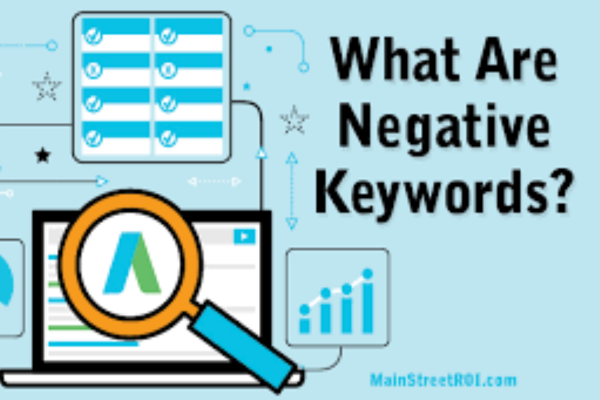
What are negative keywords?

Definition

Negative keywords are a crucial feature in Google Ads (and other PPC platforms) that allow advertisers to exclude specific words or phrases from triggering their ads. This means your ads won’t appear when a user’s search query contains those unwanted terms.

The primary purpose of using negative keywords is to prevent your ads from showing to irrelevant audiences, thereby reducing wasted ad spend, improving click-through rates (CTR), and increasing ROI.

Why Are Negative Keywords Important?

When you advertise online, Google shows your ads based on keywords you bid on. However, sometimes your ads appear for unrelated or low-quality search terms. Negative keywords help you avoid this by filtering out irrelevant traffic.

✅ Benefits of Using Negative Keywords:

  • Prevent irrelevant or low-converting clicks

  • Save budget by avoiding unqualified audiences

  • Improve ad relevance

  • Increase CTR and Quality Score

  • Boost conversion rates

  • Maintain your brand reputation

How Do Negative Keywords Work?

If a search query contains a negative keyword, Google will not show your ad—even if it matches your regular (positive) keywords.

Example:

Let’s say you’re running ads for U.S. Polo Assn., which sells premium fashion clothing, and you’re bidding on:

Keyword: us polo shirts

Without using negative keywords, your ad might appear for:

  • “cheap us polo shirts”

  • “fake us polo tees”

  • “us polo knockoffs”

  • “free us polo shirt giveaways”

But if you add the following as negative keywords:

  • cheap

  • fake

  • free

  • knockoff

Your ad will not show for any search that includes those terms.

Types of Negative Keywords

Just like positive keywords, negative keywords come in three match types:

1. Negative Broad Match (Default type)

  • Your ad won’t show if the search contains all negative keyword terms, in any order.

  • Example: Negative keyword → cheap polo shirts

  • Ads will not show for:

    • “polo shirts that are cheap”

    • “where to find cheap polo shirts”

  • Ads may still show for:

    • “discounted polo t-shirts”

    • “low-cost branded shirts”

2. Negative Phrase Match

  • Ads are blocked if the exact phrase appears in the same order.

  • Syntax: "cheap polo shirts"

  • Ads won’t show for:

    • “buy cheap polo shirts”

    • “cheap polo shirts online”

  • Ads may show for:

    • “cheap t-shirts polo style”

3. Negative Exact Match

  • Ads won’t show only if the search query matches the negative keyword exactly.

  • Syntax: [cheap polo shirts]

  • Ads won’t show for:

    • “cheap polo shirts”

  • Ads may show for:

    • “buy cheap polo shirts”

    • “cheap polo shirts for men”

Examples of Negative Keywords for U.S. Polo Assn.

Assume you’re running a campaign promoting premium men’s clothing from U.S. Polo Assn. You might want to block searchers who are:

  • Looking for free or cheap products

  • Searching for replicas or fakes

  • Interested in DIY, tutorials, or jobs

Suggested Negative Keywords:

  • cheap

  • free

  • fake

  • replica

  • ralph lauren (to avoid brand confusion)

  • job

  • hiring

  • logo png

  • download

This prevents your ad from appearing on searches like:

  • “cheap us polo jackets”

  • “free polo logo download”

  • “ralph lauren vs us polo”

  • “us polo job application”

How to Add Negative Keywords in Google Ads

Steps:

  1. Go to your Google Ads dashboard

  2. Select a campaign or ad group

  3. Click on KeywordsNegative Keywords

  4. Choose to apply them at:

    • Campaign level: Blocks keywords across the entire campaign

    • Ad group level: Blocks keywords in specific ad groups only

  5. Enter your list manually or upload a .CSV file

You can also create a Negative Keyword List and share it across multiple campaigns.

Tips for Finding Negative Keywords

1. Use the Search Terms Report

Google Ads provides a Search Terms Report which shows the exact queries users typed in before clicking your ads. Review it regularly to:

  • Find irrelevant queries

  • Add them as negatives to filter future traffic

2. Think About Buyer Intent

If you’re selling premium fashion, you don’t want clicks from users searching for:

  • Budget alternatives

  • Second-hand or wholesale

  • DIY clothing tips

3. Use Tools for Research

  • Google Keyword Planner

  • Ubersuggest

  • SEMrush

  • Ahrefs

These tools help identify search terms with misleading or non-converting intent.


Negative Keywords vs. Positive Keywords

Feature Positive Keywords Negative Keywords
Purpose To target searches To exclude searches
Increases Reach and impressions Relevance and cost-efficiency
Helps You Show Ads To Interested and potential customers Avoid wasting money on wrong users
Match Types Broad, Phrase, Exact Broad, Phrase, Exact

Best Practices for Using Negative Keywords

  1. Review Search Terms Weekly

    • Add any irrelevant or non-converting queries to your negative keyword list.

  2. Avoid Overuse

    • Don’t add too many negative keywords too fast—you might block good traffic.

  3. Group Negative Keywords by Intent

    • Example groups: Price-based (cheap, discount), Brand Confusion (ralph lauren), Non-Buyer Terms (job, free).

  4. Create Shared Negative Keyword Lists

    • Useful if you have multiple campaigns targeting similar products or audiences.

  5. Exclude Competitor Brands (if necessary)

    • Especially if you want to maintain focus on your own brand only.

Conclusion

Negative keywords are an essential part of any well-optimized Google Ads campaign. They act like a filter—keeping out the traffic that doesn’t matter so you can focus your budget on the clicks that do.

For a premium brand like U.S. Polo Assn., using negative keywords helps maintain brand integrity, ensures ad relevance, and maximizes the effectiveness of every rupee or dollar spent. When combined with smart bidding, keyword match types, and ongoing optimization, negative keywords become a powerful weapon in your digital marketing arsenal.

Used correctly, negative keywords don’t just reduce waste—they boost campaign performance and help you target the right customer at the right time.

How Can Students Write Engaging Email Content?

Email marketing is a versatile and impactful tool for students to build their personal brand, promote projects, network with peers and professionals, or grow a side hustle. However, the success of an email campaign hinges on the quality of its content. Engaging email content captures attention, resonates with the audience, and prompts action, whether that’s reading a blog post, signing up for an event, or purchasing a service. For students, who often have limited resources and experience, crafting compelling emails can seem challenging, but with the right strategies, it’s achievable. This essay explores how students can write engaging email content, key principles and techniques, common pitfalls to avoid, and provides a practical example to illustrate the process.

Why Engaging Email Content Matters for Students

Engaging email content is critical because it determines whether subscribers open, read, and act on your emails. For students, well-crafted emails can:

  • Build a Personal Brand: Sharing valuable insights or projects establishes credibility in fields like writing, design, or tech.
  • Foster Networking: Emails can connect students with mentors, peers, or industry professionals, opening doors to opportunities.
  • Drive Traffic: For bloggers or content creators, emails can increase visits to websites, portfolios, or social media.
  • Promote Side Hustles: Students offering services (e.g., tutoring, freelance design) or products (e.g., digital courses) can use emails to convert subscribers into customers.
  • Maintain Engagement: Compelling content keeps subscribers interested, reducing unsubscribe rates and building long-term relationships.

However, students face unique challenges, such as limited time, budget, and marketing experience. By focusing on audience needs, clear messaging, and creative storytelling, they can overcome these hurdles and create emails that resonate.

Key Principles for Writing Engaging Email Content

To craft emails that captivate and convert, students should follow these principles, tailored to their context and goals:

1. Know Your Audience

Understanding your audience is the foundation of engaging content. Students should research their subscribers’ interests, pain points, and goals. For example:

  • If targeting college peers, focus on topics like study tips, internships, or budget-friendly hacks.
  • If reaching professionals, emphasize industry insights or networking opportunities.

Use signup forms to collect data (e.g., interests or career goals) and segment your list based on this information. For instance, a student blogger might segment subscribers into “job seekers” and “freelancers” to send tailored content. Personalized emails have a 26% higher open rate, according to the Data & Marketing Association.

2. Craft Compelling Subject Lines

The subject line is the first impression and determines whether an email is opened. Students should aim for subject lines that are:

  • Clear and Specific: E.g., “5 Study Hacks for Finals Week” is better than “Study Tips.”
  • Curiosity-Driven: E.g., “The Resume Mistake You’re Probably Making” piques interest.
  • Concise: Keep it under 60 characters to ensure it displays fully on mobile devices.
  • Urgent (When Relevant): E.g., “Last Chance: Free Webinar Tomorrow!” for time-sensitive events.

Avoid spammy phrases like “FREE!!!” or excessive punctuation, as these trigger spam filters. A/B testing subject lines (e.g., “Ace Your Exams” vs. “Top Exam Tips”) can reveal what resonates, boosting open rates by up to 49%, per Mailchimp.

3. Write in a Conversational Tone

Engaging emails feel like a conversation with a friend, not a formal lecture. Students should:

  • Use “you” and “I” to create a personal connection (e.g., “I know finals can be stressful, but here’s what helped me”).
  • Keep sentences short and simple, avoiding jargon unless it’s audience-appropriate.
  • Inject personality, such as humor or relatable anecdotes, to stand out. For example, a student might share a funny story about a late-night study session to introduce time management tips.

A conversational tone builds rapport, making subscribers more likely to engage with future emails.

4. Focus on Value

Subscribers open emails because they expect something valuable—whether it’s information, entertainment, or an offer. Students should:

  • Solve a problem (e.g., “How to Land an Internship with No Experience”).
  • Share actionable insights (e.g., a step-by-step guide to building a portfolio).
  • Offer exclusive content, like a free resource or early access to an event.

For example, a student running a coding blog might share a “Python Cheat Sheet” as a lead magnet, followed by emails with coding tips. Value-driven content keeps subscribers engaged and reduces unsubscribe rates.

5. Structure Emails for Readability

Busy subscribers often skim emails, so clarity and scannability are key. Students should:

  • Start with a Strong Hook: Open with a question, statistic, or story to grab attention (e.g., “Did you know 80% of resumes get rejected in seconds?”).
  • Use Short Paragraphs: Limit paragraphs to 2-3 sentences for easy reading.
  • Incorporate Visual Cues: Use bullet points, bold headers, or emojis to break up text and highlight key points.
  • Include a Single CTA: Focus on one action, like “Read the Blog Post” or “Join the Webinar,” to avoid overwhelming readers.
  • Keep It Concise: Aim for 150-300 words, as shorter emails tend to have higher engagement rates.

A clean, mobile-friendly design (optimized via platforms like Mailchimp) ensures readability across devices, as 46% of emails are opened on mobile, per Litmus.

6. Personalize Content

Personalization goes beyond using the subscriber’s name. Students can:

  • Tailor content based on segmentation (e.g., sending job search tips to graduates and study guides to undergrads).
  • Use dynamic fields for names or preferences (e.g., “Hi [Name], here’s your requested coding tip”).
  • Reference subscriber actions, like “Since you downloaded our resume guide, here’s a bonus tip.”

Personalized emails can boost click-through rates by 14%, according to Campaign Monitor, making them a powerful tool for students with limited budgets.

7. Tell Stories

Storytelling makes emails memorable and relatable. Students can share personal experiences or case studies to connect with readers. For example:

  • A student might recount their struggle with public speaking to introduce a webinar on presentation skills.
  • A freelancer could share a client success story to promote their services.

Stories humanize the sender, fostering emotional connections that drive engagement.

8. Create a Sense of Urgency (When Appropriate)

For promotional emails, urgency can prompt action. Students should use it sparingly to avoid seeming pushy. Examples include:

  • “Only 10 spots left for our free workshop!” for events.
  • “Get 20% off my e-book until midnight!” for digital products.

Urgency works best when genuine and tied to a clear benefit, as it can increase conversions by 22%, per HubSpot.

9. End with a Strong CTA

Every email should have a clear, actionable next step. Students should:

  • Use action verbs (e.g., “Download,” “Join,” “Read”).
  • Make the CTA stand out with buttons or bold text.
  • Limit to one primary CTA to avoid confusion.

For example, “Click here to grab your free study planner” is more effective than multiple competing links.

10. Ensure Compliance

Students must comply with email regulations like GDPR, CAN-SPAM, and CASL to avoid penalties and maintain trust. Key steps:

  • Use double opt-in to confirm consent.
  • Include an unsubscribe link in every email.
  • Provide a physical address in the footer (e.g., a university address).
  • Avoid misleading subject lines or content.

Compliance builds credibility and protects against legal risks, such as GDPR fines up to €20 million.

Common Pitfalls to Avoid

  • Overloading with Promotions: Too many sales-driven emails can alienate subscribers. Aim for an 80% value, 20% promotion ratio.
  • Ignoring Mobile Optimization: Unreadable emails on mobile devices frustrate 46% of users, per Litmus.
  • Neglecting Testing: Failing to test subject lines or content can miss opportunities to improve engagement.
  • Being Too Formal: A stiff tone can feel impersonal, reducing connection.
  • Inconsistent Sending: Irregular emails can cause subscribers to forget your brand, lowering engagement.

Best Practices for Students

  1. Start Simple: Begin with a welcome email and weekly newsletter, scaling to automation as you grow.
  2. Use Free Tools: Platforms like Mailchimp or MailerLite offer free plans with templates and analytics.
  3. Batch Content Creation: Write multiple emails at once to save time, scheduling them via your platform.
  4. Leverage Analytics: Track open rates (target: 20-30%), click-through rates (target: 5-10%), and unsubscribes (target: <0.5%) to refine content.
  5. Seek Feedback: Ask subscribers via surveys or replies what content they want, enhancing relevance.

Example of Engaging Email Content by a Student

Scenario:

Noah, a junior computer science student, runs a YouTube channel, “Code with Noah,” where he shares beginner-friendly coding tutorials. He’s building an email list to drive channel views and promote a planned Python course. Using MailerLite’s free plan, Noah crafts engaging emails to connect with his audience of students and aspiring developers.

Implementation:

  1. Audience and Goals:
    • Audience: College students, coding beginners, and career switchers.
    • Goals: Increase YouTube views, build trust, and pre-sell his Python course.
  2. Signup Form:
    • Noah’s blog features a signup form: “Join Code with Noah for Weekly Coding Tips!” It offers a lead magnet, “10 Must-Know Python Tricks for Beginners,” and uses double opt-in.
    • The form includes a privacy statement and is promoted on his YouTube channel, Instagram, and university coding club.
  3. Email Content:
    • Welcome Email:
      • Subject Line: “Your Free Python Tricks Are Here, [Name]!”
      • Body (200 words):

        Hi [Name],
        I’m Noah, and I’m stoked you’ve joined Code with Noah! As a fellow student, I know learning to code can feel like debugging a 500-line error at 2 AM. That’s why I created this free guide, “10 Must-Know Python Tricks for Beginners,” to make your journey smoother.
        [Download Your Guide]
        Expect weekly emails every Tuesday with bite-sized coding tips, my latest YouTube tutorials, and a few laughs (because coding needs humor). Next week, I’ll share how I fixed a Python bug that nearly crashed my project—trust me, it’s relatable!
        Got a coding question? Reply and let me know what’s tripping you up.
        Happy coding,
        Noah
        P.S. Check out my latest video on Python loops—it’s saved me hours! [Watch Now]
        Update preferences [here] or [unsubscribe].

      • Structure: Conversational tone, short paragraphs, one CTA (download guide), secondary CTA (watch video), emojis for visual appeal.
    • Weekly Newsletter:
      • Subject Line: “This Python Tip Saved My Project (Plus a New Video!)”
      • Body (250 words):

        Hey [Name],
        Ever had a Python script crash and burn right before a deadline? Been there. This week, I’m sharing a debugging tip that saved my last project: using try-except blocks to catch errors. Check out my new YouTube video where I walk through it step-by-step—it’s only 5 minutes!
        [Watch the Video]
        Here’s a quick preview:

        • Why try-except is your error-proofing BFF.
        • How to spot sneaky bugs in 3 lines of code.
        • A real example from my latest homework (yep, it was messy).
          Want more? I’m working on a Python course for beginners, launching next month. Reply with “I’m in!” to get early access details. No pressure, just nerdy coding vibes here.
          What’s your biggest coding struggle? Hit reply—I love geeking out over this stuff.
          Catch you next Tuesday,
          Noah
          Update preferences [here] or [unsubscribe].
      • Structure: Story-driven hook, bullet points, one CTA (watch video), soft promotion, conversational tone.
  4. Technical Setup:
    • Noah uses MailerLite’s drag-and-drop editor for mobile-friendly designs.
    • He configures SPF and DKIM for deliverability and tests emails across Gmail and Outlook.
    • Automation delivers the welcome email instantly, with newsletters scheduled for Tuesdays.
  5. Monitoring:
    • Noah tracks open rates (target: 25%), click-through rates (target: 8%), and unsubscribes (target: <0.3%).
    • He tests subject lines (e.g., “Python Tip of the Week” vs. “This Python Trick Rocks!”) to boost opens by 15%.

Outcome:

  • After two months, Noah grows his list to 300 subscribers, with a 32% open rate and 10% click-through rate.
  • The welcome email drives 50% of subscribers to download the guide and 20% to watch a video.
  • Weekly newsletters increase YouTube views by 25%, and 30 subscribers reply with course interest.
  • Zero spam complaints and a 0.2% unsubscribe rate reflect high engagement, proving the content’s effectiveness.
Student Email Content Guide.md
markdown

Conclusion

Students can write engaging email content by understanding their audience, crafting compelling subject lines, using a conversational tone, delivering value, and structuring emails for readability. Personalization, storytelling, and strategic CTAs further enhance engagement, while compliance ensures trust and legality. Despite challenges like time constraints or inexperience, leveraging free tools, automation, and analytics makes the process accessible. Noah’s example shows how a student can create relatable, value-driven emails to grow an audience and achieve goals. By focusing on quality and optimization, students can turn emails into a powerful tool for connection, branding, and success in their academic and professional journeys.

How to Become a Digital Marketing Specialist

Digital marketing is one of the fastest-growing fields today. Many people are interested in building a career in digital marketing, and becoming a digital...

What is SMM in Digital Marketing

SMM, or Social Media Marketing, is one of the most important parts of digital marketing. In simple words, SMM is the process of using...

What is Google Analytics in Digital Marketing

Google Analytics is one of the most important tools in digital marketing. It helps businesses understand how people interact with their websites and online...

What is Google AdWords in Digital Marketing

Google AdWords is one of the most important tools in digital marketing. Many businesses use AdWords to reach their target audience online and increase...

What Is CPM in Digital Marketing

In digital marketing, understanding how your ads are priced and measured is very important. Different advertising models help marketers track performance and control spending....