Home Blog Page 2

What is Funnel in Digital Marketing

In digital marketing, one of the most commonly used terms is funnel. Many marketers and business owners talk about creating, improving, or analyzing a funnel. But what exactly does this mean? Let’s break it down in the simplest way so that anyone can understand.

Meaning of Funnel

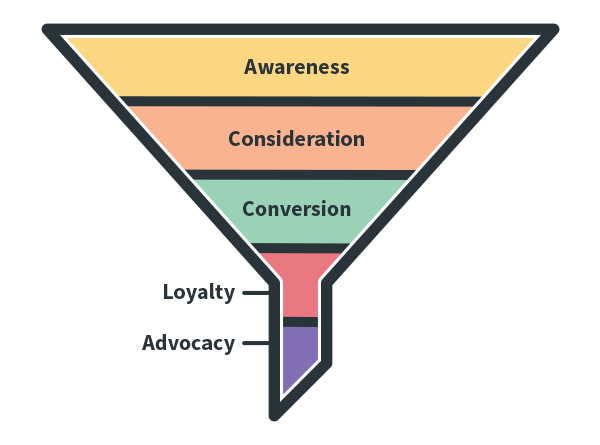
A funnel in digital marketing is a step-by-step process that shows how people move from being strangers to becoming customers. Just like a real funnel in your kitchen, it starts wide at the top and gets narrow at the bottom. The wide part represents many people who first discover your business. The narrow part shows fewer people who actually make a purchase.

The idea is simple: not everyone who learns about your product will buy it. The funnel helps businesses understand each stage of a customer’s journey and how to guide them toward making a decision.

Stages of a Funnel in Digital Marketing

A digital marketing funnel usually has three main stages:

  1. Top of the Funnel (Awareness):
    At this stage, people first hear about your brand. It could be through ads, social media, blogs, or search engines. Your goal here is to grab attention and make them aware of what you offer.
  2. Middle of the Funnel (Consideration):
    Now, people know about your business, but they are still thinking. They may compare you with competitors, read reviews, or check your website more carefully. At this stage, businesses often use email marketing, free guides, or case studies to build trust.
  3. Bottom of the Funnel (Decision):
    This is the final stage where the customer decides whether to buy or not. Clear product details, discounts, free trials, or strong customer support can help convince them.

Some funnels also include a fourth stage called Retention, where businesses keep existing customers happy so they buy again.

Why Funnel is Important in Digital Marketing

Using a funnel is very important because it helps businesses understand their customers better. Here’s why:

  • It shows where most people drop off and why they don’t complete a purchase.
  • It helps in creating the right type of content for each stage. For example, blogs for awareness, free trials for decision.
  • It makes marketing efforts more organized and targeted.
  • It increases the chances of turning visitors into paying customers.

Without a funnel, businesses might waste time and money on random marketing without knowing what actually works.

Example of a Funnel

Let’s imagine you are selling online fitness courses:

  • Awareness (Top of the Funnel): Someone sees your Instagram ad about “5 Easy Home Workouts.”
  • Consideration (Middle of the Funnel): They click on your website, read a blog, and sign up for a free workout guide.
  • Decision (Bottom of the Funnel): After receiving useful emails from you, they buy your paid fitness course.

This step-by-step journey is exactly what a funnel looks like in action.

Best Practices for a Successful Funnel

To make a digital marketing funnel effective, businesses should:

  1. Know the Target Audience: Understand who you want to reach.
  2. Use Clear Messaging: Each stage should have simple and convincing messages.
  3. Provide Value: Give free tips, guides, or discounts to build trust.
  4. Track Results: Use tools like Google Analytics or email marketing platforms to see how well your funnel is working.
  5. Keep Improving: Test different ads, content, and offers to get better results.

Conclusion

So, what is a funnel in digital marketing? It is a smart process that guides potential customers from learning about a business to finally making a purchase. By using a funnel, companies can understand customer behavior, improve their marketing, and increase sales.

A well-planned funnel not only attracts new people but also keeps existing customers coming back. In today’s online world, every business that wants to grow should focus on building and improving their digital marketing funnel.

What is Email Marketing in Digital Marketing

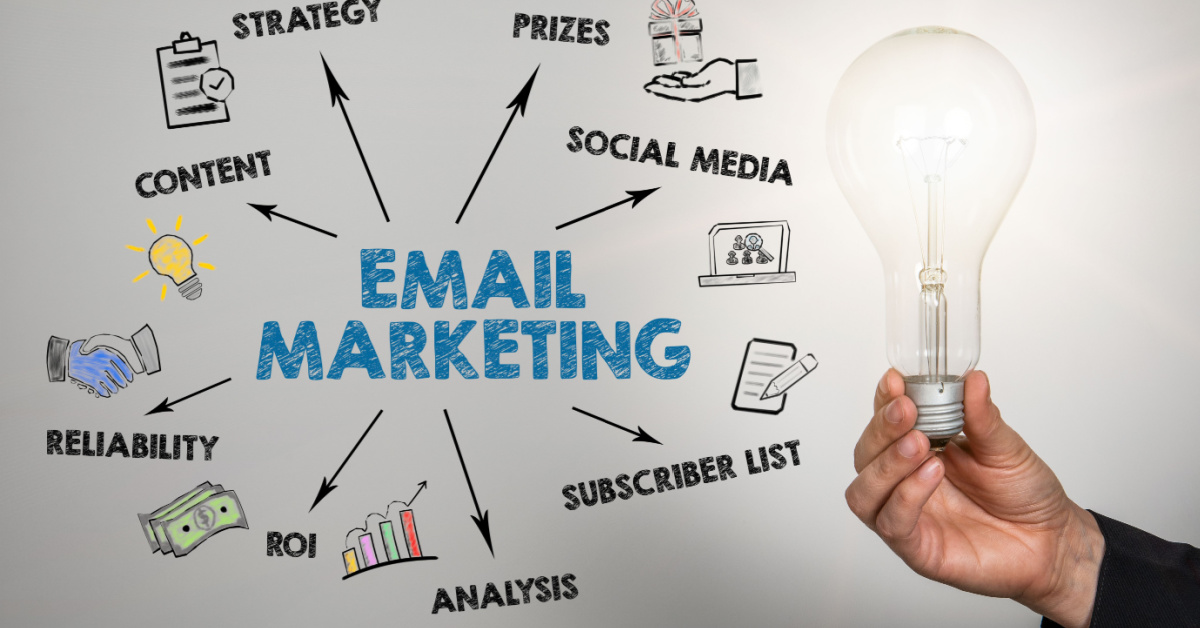
When we think about digital marketing, we often hear about social media, SEO, or online ads. But one of the oldest and still most effective methods is email marketing. Many businesses, from small shops to big brands, use email marketing every day to connect with customers and grow their sales. Let’s explore what it means, how it works, and why it is so important in digital marketing.

Meaning of Email Marketing

Email marketing is a way of promoting products, services, or ideas through emails. In simple words, it means sending messages to people’s inboxes to inform them, remind them, or convince them to take action. This action could be buying a product, signing up for a course, or simply visiting a website.

Unlike ads that appear on social media or search engines, email marketing directly reaches a customer. It’s like having a one-on-one conversation with them in their inbox.

Why Email Marketing is Important in Digital Marketing

There are many reasons why email marketing is considered a strong part of digital marketing:

  1. Direct Communication: Emails go straight to the customer’s inbox, making the connection more personal.
  2. Low Cost: Compared to running ads, email marketing is very affordable. Even small businesses can use it.
  3. High Reach: Almost everyone has an email address today, which means businesses can connect with a huge audience.
  4. Customer Relationships: Regular emails help build trust and long-term relationships with customers.
  5. Measurable Results: With tools like Mailchimp or HubSpot, businesses can track how many people opened their email, clicked links, or made purchases.

Examples of Email Marketing

To understand better, let’s look at some simple examples of email marketing in action:

  • Welcome Emails: When you sign up for a new app or website, you often receive a welcome email.
  • Newsletters: Businesses send weekly or monthly newsletters with updates, blogs, or tips.
  • Promotional Emails: E-commerce stores send emails about discounts, festive offers, or new arrivals.
  • Reminder Emails: A fitness app might remind you that your subscription is about to end.
  • Thank You Emails: After a purchase, businesses often send thank-you emails to make customers feel valued.

These examples show that email marketing is not just about selling—it’s also about building trust and providing value.

Best Practices in Email Marketing

For email marketing to be successful, businesses should follow some best practices:

  1. Build a Genuine Email List: Always collect emails with permission, like through sign-up forms.
  2. Personalize Messages: Use the customer’s name and interests to make emails more engaging.
  3. Keep it Short and Clear: Emails should be easy to read and not overloaded with text.
  4. Use Strong Subject Lines: The subject line should grab attention so the customer wants to open the email.
  5. Add a Call-to-Action (CTA): Always guide the reader to take action—like “Shop Now,” “Learn More,” or “Sign Up.”

Benefits of Email Marketing for Businesses

  • Increases Sales: Regular promotional emails encourage customers to buy more.
  • Builds Brand Awareness: Even if someone doesn’t buy right away, they keep seeing your brand name.
  • Improves Customer Loyalty: Sending useful tips, updates, or thank-you notes makes customers feel valued.
  • Supports Other Marketing Efforts: Email marketing works well with SEO, social media, and ads to create a complete digital strategy.

Conclusion

So, what is email marketing in digital marketing? It is a simple but powerful way for businesses to connect directly with customers through their inbox. By sending useful, personalized, and timely emails, businesses can increase sales, build stronger relationships, and grow their online presence.

In today’s digital world, email marketing continues to be one of the most effective tools in digital marketing. Whether you run a small business or a large company, using email marketing the right way can help you stay connected with your audience and achieve long-term success.

How to Get Clients for Digital Marketing

Starting a digital marketing career or agency can be exciting, but the biggest question is always—how to get clients. Without clients, even the best skills and knowledge cannot grow into a successful business. At the same time, finding clients can feel challenging, especially when you are just starting out. The good news is that there are many smart and simple ways to attract clients for digital marketing.

Why Clients are Important

Clients are the heart of any business. For a digital marketing professional, clients not only provide income but also help build reputation and experience. The more clients you serve, the stronger your portfolio becomes, which makes it easier to attract even bigger clients in the future.

Steps to Get Clients for Digital Marketing

  1. Build a Strong Online Presence
    If you want clients to trust your digital marketing skills, you must first market yourself. Create a professional website that shows your services, case studies, and testimonials. Stay active on platforms like LinkedIn, Instagram, or Facebook. Share useful tips, success stories, and examples of your work. Clients are more likely to contact you when they see your expertise online.
  2. Use Freelance Platforms
    Platforms like Upwork, Fiverr, and Freelancer are great places to find your first clients. Many businesses go to these sites to hire digital marketers for SEO, social media, or ads. Start with small projects, deliver excellent results, and build reviews. Over time, you will attract bigger clients.
  3. Network Actively
    Networking is one of the most effective ways to get clients. Attend business events, digital marketing webinars, or local meetups. Talk to business owners and let them know how you can help their company grow online. Sometimes, one good conversation can turn into a long-term client relationship.
  4. Offer Free Value First
    Many clients may hesitate to trust a new digital marketer. To solve this, you can offer a free consultation or audit. For example, check their website or social media and give them a few free tips. When clients see you know what you’re doing, they are more likely to hire you.
  5. Ask for Referrals
    Once you have a few clients, ask them to recommend you to others. Happy clients often know other business owners who may also need digital marketing services. Referrals are powerful because people trust recommendations from someone they know.
  6. Specialize in a Niche
    Instead of trying to serve everyone, focus on a specific niche like real estate, restaurants, fitness, or e-commerce. Clients prefer specialists because they know you understand their industry better. For example, if you focus only on digital marketing for gyms, gym owners will see you as an expert.
  7. Show Results Clearly
    Clients want proof that your services will work. Use case studies, before-and-after results, and statistics to show how you helped previous clients grow. Even small wins like “increased Instagram followers by 40% in two months” can convince new clients to work with you.
  8. Leverage Social Media Ads
    You can run your own ads to attract clients. For example, run a Facebook ad offering a free digital marketing audit. This will bring leads, and some of them can turn into paying clients.

Challenges in Getting Clients

In the beginning, finding clients can feel slow and sometimes discouraging. Many clients may reject your offer or ask for very low prices. The key is to stay consistent, keep improving your skills, and slowly build trust. Over time, as you collect testimonials and case studies, clients will start coming to you more easily.

Conclusion

Getting clients for digital marketing requires effort, consistency, and the right approach. By building your online presence, using freelance platforms, networking, offering value, and showing results, you can attract more clients. Remember, every successful digital marketing agency once started with just one client.

So, focus on delivering great results, keep learning, and soon you will have a steady stream of clients who trust your work and help your business grow.


What is Digital Marketing Strategy

In today’s online world, businesses cannot survive without reaching their customers on the internet. But just being online is not enough. Companies need a clear strategy to connect with the right audience, promote their products, and achieve growth. This is where a digital marketing strategy comes into play.

Meaning of Digital Marketing Strategy

A digital marketing strategy is a step-by-step plan that explains how a business will use online platforms to reach its goals. These goals could be increasing sales, getting more website visitors, building brand awareness, or creating loyal customers.

Without a proper strategy, businesses may waste time and money on random online activities. A strategy helps them stay focused and make the most of their digital marketing efforts.

Why is Strategy Important in Digital Marketing?

Many companies use digital platforms like social media, Google, or email, but not all of them succeed. The reason is simple: they lack a clear strategy.

A strong strategy is important because:

  1. It gives a clear direction for all marketing activities.
  2. It helps in choosing the right platforms for the business.
  3. It saves time and money by avoiding unnecessary efforts.
  4. It allows businesses to track progress and improve results.

In short, strategy ensures that every step in digital marketing brings value to the company.

Key Elements of a Digital Marketing Strategy

When creating a digital marketing strategy, businesses usually focus on the following steps:

  1. Set Goals: Decide what you want to achieve—more sales, more followers, or better brand recognition.
  2. Know Your Audience: Understand who your customers are, their needs, and where they spend time online.
  3. Choose Platforms: Pick the best online platforms such as social media, search engines, or email.
  4. Create Content: Develop blogs, videos, ads, or posts that attract and engage people.
  5. Run Campaigns: Use tools like SEO, PPC ads, social media marketing, or email campaigns.
  6. Measure Results: Track data like clicks, views, or conversions to see if the strategy is working.
  7. Improve Over Time: Adjust the strategy based on results for better performance.

Examples of Digital Marketing Strategy

To understand better, let’s look at some simple examples:

  • Small Business Strategy: A local bakery may use Instagram to post pictures of cakes, run ads in their area, and send WhatsApp updates to loyal customers.
  • E-commerce Strategy: An online clothing store may use Google Ads to bring traffic, create blogs about fashion trends, and send discount emails.
  • Educational Institute Strategy: A coaching center may run YouTube ads, share student success stories, and use SEO to rank for “best coaching near me.”

These examples show how different businesses create strategies based on their goals and audience.

Benefits of Having a Digital Marketing Strategy

When a company has a proper strategy, it can enjoy many benefits:

  • Better Customer Reach: More people will know about the brand.
  • Higher Sales: A clear plan helps turn visitors into buyers.
  • Stronger Online Presence: Customers trust businesses with regular online activity.
  • Cost-Effective: Strategy avoids wasteful spending on wrong platforms.
  • Long-Term Growth: Step-by-step planning ensures consistent progress.

Conclusion

A digital marketing strategy is not just about being online—it’s about having a clear plan to achieve business goals. From understanding customers to choosing the right platforms and measuring results, every step is part of the strategy. Without it, businesses may struggle to grow in the competitive digital world.

So, whether you are a small business owner or part of a big company, creating a strong strategy is the key to success in digital marketing.


What is CTR in Digital Marketing

In digital marketing, businesses want to know how well their online campaigns are performing. One of the most important terms you will hear is CTR. Many people ask, “What is CTR in digital marketing?” Let’s explain it in very simple and easy-to-understand words.

Meaning of CTR

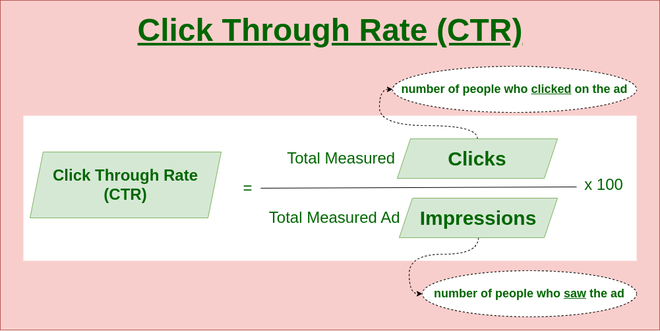
CTR stands for Click-Through Rate. It is a metric used to measure how many people click on an online ad, link, or email compared to how many people saw it. In simple terms, CTR shows how effective a campaign is in attracting people to take action.

For example, if 1000 people see an ad and 50 people click on it, the CTR is 5%. A higher CTR means more people are interested in the ad or content.

How CTR Works in Digital Marketing

CTR works as a performance indicator for online campaigns. It helps marketers understand whether their ads or content are engaging enough. Here’s how it works step by step:

  1. Display the Ad or Content: The business creates an ad, email, or post and shows it to people online.
  2. People See the Ad: Users see the ad on Google, social media, websites, or emails.
  3. Users Click the Ad: Interested users click on the ad or link.
  4. CTR Calculation: Marketers calculate CTR by dividing the number of clicks by the number of impressions (how many people saw it) and multiplying by 100.

Formula:
CTR (%) = (Number of Clicks ÷ Number of Impressions) × 100

For example, if your ad gets 200 clicks and 10,000 impressions, the CTR will be:
(200 ÷ 10,000) × 100 = 2%

Importance of CTR in Digital Marketing

CTR is very important because it tells marketers how effective their campaigns are. A high CTR means that the ad or content is relevant and engaging to the audience. A low CTR may indicate that the ad needs improvement.

Here’s why CTR is useful:

  • Measures Engagement: It shows whether people are interested in your ad or content.
  • Helps Optimize Campaigns: Marketers can adjust ads with low CTR to improve performance.
  • Reduces Cost: In paid advertising (like Google Ads), higher CTR can lower the cost per click because search engines reward relevant ads.
  • Improves ROI: Better CTR often leads to more clicks, sales, or leads, increasing return on investment.

Examples of CTR in Action

  • A Google search ad for “buy shoes online” is shown 1,000 times. If 50 people click on it, the CTR is 5%.
  • An email newsletter is sent to 500 subscribers. If 25 people click the link in the email, the CTR is 5%.
  • A Facebook ad for a new phone reaches 10,000 people, and 200 click the ad. CTR = 2%.

These examples show how CTR helps businesses measure success in digital marketing.

How to Improve CTR

  1. Write Clear Headlines: Catchy and relevant titles attract clicks.
  2. Use Strong Call-to-Action (CTA): Phrases like “Buy Now” or “Learn More” encourage action.
  3. Target the Right Audience: Show ads to people who are likely to be interested.
  4. Use Attractive Images or Videos: Visuals can increase clicks.
  5. Test and Optimize: Try different versions of ads to see which gets the highest CTR.

Conclusion

So, what is CTR in digital marketing? In simple words, CTR is the Click-Through Rate that measures how many people click on an ad, link, or email compared to how many saw it. It is an important metric to understand engagement, optimize campaigns, and increase results.

What is Content Marketing in Digital Marketing

In today’s online world, businesses need to connect with their audience in a meaningful way. One of the most effective ways to do this is through content marketing. Many people ask, “What is content marketing in digital marketing?” Let’s explain it in very simple words.

Meaning of Content Marketing

Content marketing is a type of digital marketing where businesses create and share useful, relevant, and interesting content to attract and engage customers. Instead of directly selling a product, content marketing focuses on providing value. The idea is that by helping or educating people, businesses can build trust and eventually encourage them to buy.

For example, a fitness brand may write blogs about “10 Easy Home Exercises” or post videos about “Healthy Recipes.” This content does not directly sell a product but helps the audience, building trust with the brand.

How Content Marketing Works in Digital Marketing

Content marketing works by creating different types of content that people like to read, watch, or share. The content can be in many forms:

  • Blogs and Articles: Written content that provides tips, guides, or information.
  • Videos: Short or long videos that educate or entertain viewers.
  • Social Media Posts: Updates on Facebook, Instagram, LinkedIn, or Twitter that engage followers.
  • Infographics: Visual content that explains ideas in a simple way.
  • Emails: Newsletters or informative messages sent to subscribers.

The main goal is to attract the right audience, keep them engaged, and encourage them to take action, like visiting a website or buying a product.

Importance of Content Marketing

Content marketing is very important in digital marketing because:

  1. Builds Trust: People trust brands that provide helpful content.
  2. Improves SEO: Good content helps websites appear higher on Google search results.
  3. Engages Audience: Interesting content keeps people connected to the brand.
  4. Supports Other Marketing: Content helps social media, email, and ad campaigns work better.
  5. Generates Leads: Informative content can turn readers into customers.

Examples of Content Marketing

Here are some simple examples to understand how content marketing works:

  • A travel company posts blogs about “Top 10 Places to Visit in Europe.”
  • A skincare brand creates Instagram videos about “How to Take Care of Your Skin in Summer.”
  • A cooking website shares email recipes every week.
  • A fitness YouTube channel posts workout videos for beginners.

In each example, the content provides value first, and the business gains visibility, trust, and potential customers in return.

Tips for Effective Content Marketing

  1. Know Your Audience: Understand what your audience wants to read or watch.
  2. Create Quality Content: Focus on helpful, interesting, and original content.
  3. Be Consistent: Regular posting keeps the audience engaged.
  4. Promote Your Content: Share content on social media, emails, and websites.
  5. Measure Results: Use tools like Google Analytics to see which content performs best.

Conclusion

So, what is content marketing in digital marketing? In simple words, it is the practice of creating and sharing useful content to attract and engage an audience. Instead of directly selling, content marketing focuses on providing value, building trust, and encouraging people to connect with a brand.

Good content marketing is one of the most powerful ways for businesses to grow online. By creating blogs, videos, social media posts, and other forms of content, companies can reach more people, improve their reputation, and increase sales.


How to Make Money with Digital Marketing

In today’s world, almost everything happens online. People shop, watch videos, read blogs, and search for services on the internet. Because of this, businesses need digital marketing to reach their customers. If you know digital marketing, you can make money by helping businesses grow online. Let’s understand in very simple words how to make money with digital marketing.

What is Digital Marketing?

Digital marketing means promoting products, services, or brands using online platforms. Instead of only advertising in newspapers or TV, companies use websites, social media, search engines, and emails to reach customers. Digital marketing helps businesses reach the right audience and grow sales. If you know how digital marketing works, you can turn this skill into a way to make money.

Ways to Make Money with Digital Marketing

  1. Freelancing
    One of the easiest ways to make money with digital marketing is by offering your services as a freelancer. You can help businesses with SEO, social media, content creation, email marketing, or paid ads. Websites like Fiverr, Upwork, and Freelancer connect you with clients willing to pay for your services. The more skilled you are, the more money you can earn.
  2. Affiliate Marketing
    Affiliate marketing is a popular way to make money online. In this method, you promote other people’s products through a unique link. When someone buys using your link, you earn a commission. For example, if you write a blog about fitness and share a link to buy protein powder, you earn money for every sale made through that link.
  3. Social Media Marketing
    If you are active on Instagram, Facebook, or YouTube, you can make money by promoting products or managing social media accounts for businesses. Companies pay marketers to post updates, run ads, and engage with followers. You can also become an influencer and earn money by collaborating with brands.
  4. Running Paid Ads (PPC)
    Many businesses pay digital marketers to run paid ads on Google, Facebook, or Instagram. If you know how to create effective ads, you can make money by managing campaigns for clients. Businesses pay well when your ads bring results like clicks, leads, or sales.
  5. Content Creation (Blogs and Videos)
    Creating blogs, videos, or YouTube channels is another way to make money. Once your content gets traffic, you can earn money through advertisements, sponsorships, or product promotions. Many digital marketers use content to build a long-term source of passive income.
  6. Selling Digital Marketing Courses
    If you gain enough experience in digital marketing, you can make money by teaching others. Many people are looking to learn digital marketing. You can create online courses and sell them on platforms like Udemy or Teachable.

Skills Needed to Make Money with Digital Marketing

To earn money successfully, you need some essential skills:

  • SEO skills to improve website visibility.
  • Social media management to grow online presence.
  • Content creation for engaging posts, blogs, or videos.
  • Analytical skills to measure results and improve campaigns.
  • Communication skills to interact with clients and customers.

The more skilled you are, the easier it is to make money in this field.

Why Digital Marketing is a Great Way to Make Money

The demand for digital marketing is growing every year. Every business, big or small, wants to connect with customers online. This creates endless opportunities to make money. Digital marketing also offers flexibility—you can work from home, part-time, full-time, or even start your own agency.

Conclusion

So, how can you make money with digital marketing? In simple words, you can earn through freelancing, affiliate marketing, managing social media, running ads, creating content, or selling courses. The key is to build strong skills and apply them consistently.

How to Earn Money from Digital Marketing

In today’s world, the internet has become a very powerful tool. People are not only using it for shopping or entertainment but also to build careers and income. One of the most popular ways to earn online is through digital marketing. Many people wonder: How can you actually earn money from digital marketing? Let’s understand this in very easy words.

What is Digital Marketing?

Before we talk about earning, let’s first understand what digital marketing is. Digital marketing means promoting products, services, or brands using online platforms like Google, social media, websites, or emails. Businesses need digital marketing to reach customers on the internet, and that is where opportunities to earn money begin.

Different Ways to Earn Money from Digital Marketing

  1. Freelancing Services
    One of the easiest ways to earn money is by offering digital marketing services as a freelancer. You can provide services like SEO, social media management, content writing, or running ads. Websites like Upwork, Fiverr, and Freelancer connect you with clients who are ready to pay. The better your skills, the more money you can make.
  2. Affiliate Marketing
    Affiliate marketing is another great way to earn money. Here, you promote someone else’s products through a special link. When people buy through your link, you get a commission. For example, if you share a link for shoes on your blog and someone buys, you earn money from that sale.
  3. Social Media Marketing
    If you are active on Instagram, Facebook, or YouTube, you can turn your audience into income. Many digital marketers earn money by managing accounts for businesses or by promoting products as influencers. Brands are always willing to pay for visibility.
  4. Running Ads for Clients
    Paid ads on Google or Facebook are a big part of digital marketing. If you know how to run ads effectively, you can earn money by managing ad campaigns for businesses. Companies pay well to marketers who bring results.
  5. Content Creation (Blogs or YouTube)
    Creating content is another long-term way to earn money. You can start a blog or YouTube channel and share useful content. Over time, you can earn money through ads, sponsorships, or selling your own products. Many digital marketers use this method to build passive income.
  6. Selling Online Courses
    Once you gain enough knowledge, you can create and sell your own course on digital marketing. Many learners are looking for simple, practical lessons. Selling a course is a smart way to earn money while also helping others.

Skills Needed to Earn Money from Digital Marketing

To succeed, you need some important skills:

  • SEO knowledge to help websites rank on Google.
  • Social media skills to manage platforms effectively.
  • Content writing and creativity for engaging posts and blogs.
  • Analytical skills to study results and improve campaigns.

The more skilled you are, the easier it is to earn money from different opportunities.

Why Digital Marketing is a Good Way to Earn Money

The demand for digital marketing is growing every year. Every business, big or small, needs to connect with customers online. This creates many chances for people to earn money. Another benefit is flexibility—you can work from home, part-time, or even start your own agency.

Conclusion

So, how to earn money from digital marketing? In simple words, you can earn money through freelancing, affiliate marketing, managing social media, running ads, blogging, or selling courses. The key is to build strong skills and use them to help businesses grow.

Digital marketing is not only a skill but also a career path that can give you financial freedom. If you are ready to learn and practice, there are endless ways to earn money from digital marketing.

How to Become a Digital Marketing Specialist

Digital marketing is one of the fastest-growing fields today. Many people are interested in building a career in digital marketing, and becoming a digital...

What is SMM in Digital Marketing

SMM, or Social Media Marketing, is one of the most important parts of digital marketing. In simple words, SMM is the process of using...

What is Google Analytics in Digital Marketing

Google Analytics is one of the most important tools in digital marketing. It helps businesses understand how people interact with their websites and online...

What is Google AdWords in Digital Marketing

Google AdWords is one of the most important tools in digital marketing. Many businesses use AdWords to reach their target audience online and increase...

What Is CPM in Digital Marketing

In digital marketing, understanding how your ads are priced and measured is very important. Different advertising models help marketers track performance and control spending....