Home Blog Page 3

How Digital Marketing Works

In today’s world, most people spend a big part of their day on the internet. They search on Google, scroll social media, shop online, and watch videos. Because of this, businesses want to be present where customers are—online. But many people ask: How does digital marketing actually work? Let’s understand step by step in very simple language.

What is Digital Marketing?

Digital marketing means promoting products, services, or brands using the internet. Instead of only advertising in newspapers, radio, or TV, companies use websites, search engines, emails, and social media to connect with people online. It is faster, cheaper, and more targeted.

How Digital Marketing Works Step by Step

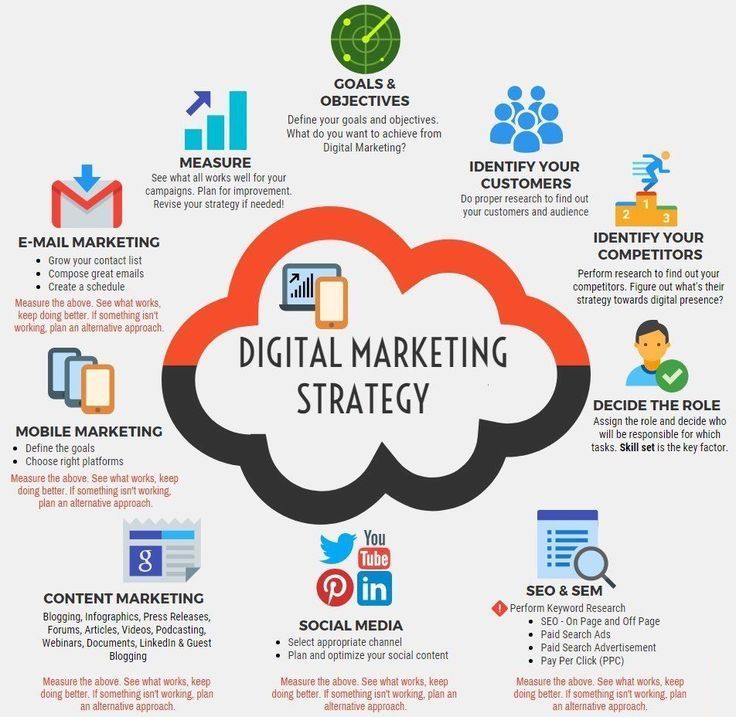
  1. Understanding the Audience
    The first step in how digital marketing works is knowing who the customers are. For example, a company selling sports shoes will target young people who love fitness. When a business understands the audience, marketing becomes more effective.
  2. Using Websites and SEO
    A website is the online home of a business. Digital marketing works by making sure the website is easy to use and visible on Google. This is done through SEO (Search Engine Optimization), which helps the website appear higher in search results.
  3. Creating Useful Content
    Another way digital marketing works is through content. Businesses share blogs, videos, and posts that provide helpful information. For example, a skincare brand may post tips on “how to take care of your skin in winter.” Good content builds trust with customers.
  4. Running Social Media Campaigns
    Social media is where millions of people spend time daily. Digital marketing works by posting updates, sharing photos, running ads, and interacting with followers on platforms like Instagram, Facebook, and LinkedIn.
  5. Email Marketing
    Sending regular emails is another important part of how digital marketing works. Businesses send offers, newsletters, and product updates directly to a customer’s inbox. This keeps customers engaged and reminds them about the brand.
  6. Paid Advertising (PPC)
    Paid ads are also a big part of how digital marketing works. Businesses pay Google or social media platforms to show their ads to the right people. For example, if someone searches “buy laptops,” ads from computer companies appear on top of the results.
  7. Analyzing Results
    One of the best things about digital marketing is that every action can be tracked. Tools like Google Analytics show how many people visited a website, clicked an ad, or made a purchase. By studying this data, businesses can improve their marketing. This is how digital marketing works smarter than traditional methods.

Why Understanding How Digital Marketing Works is Important

Knowing how digital marketing works helps businesses save time and money. Instead of advertising to everyone, they can target only people interested in their products. It also gives faster results and allows companies to build strong customer relationships.

For example, a clothing store can run an Instagram ad during a festival season. Because they know how digital marketing works, they can reach the right people at the right time and increase sales.

Conclusion

So, how does digital marketing work? In simple words, it works by understanding the audience, creating useful content, using SEO, running social media campaigns, sending emails, and showing paid ads. Most importantly, it works by analyzing results and improving strategies over time.

What is SEM in Digital Marketing?

In today’s online world, every business wants to appear in front of people when they search for something on Google or other search engines. But with so many websites competing, how can a business make sure customers notice them? This is where SEM comes in. If you are new to digital marketing, you may ask, what is SEM in digital marketing? Let’s break it down in very simple words.

Meaning of SEM

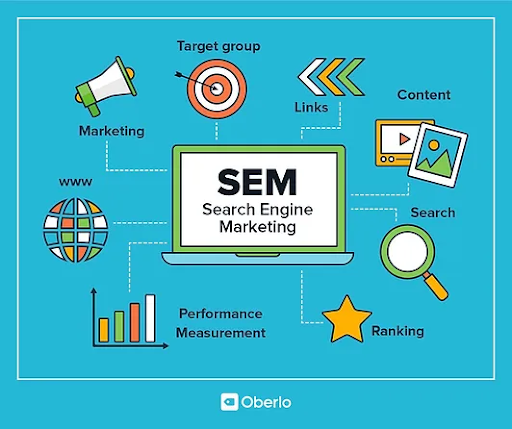
SEM stands for Search Engine Marketing. It is a method used to promote websites by making them more visible in search engine results pages (SERPs). While SEO focuses on getting free or organic traffic, SEM mostly involves paid advertising. In other words, businesses pay search engines like Google to show their ads when people search for related products or services.

For example, if someone searches “buy sports shoes online,” you might see an ad at the top of Google results. That ad is a part of SEM.

How SEM Works

The process of SEM is simple to understand:

  1. Keyword Research: Businesses first choose the right keywords that people are searching for.
  2. Creating Ads: Marketers create short, clear ads that match those keywords.
  3. Bidding on Keywords: In SEM, businesses bid money for their ad to appear when someone searches for that keyword.
  4. Showing Ads: When users type those words on Google, the search engine shows ads of the highest bidders and the most relevant businesses.
  5. Pay-Per-Click (PPC): Businesses only pay when someone clicks on their ad. This makes SEM cost-effective and result-oriented.

Why SEM is Important in Digital Marketing

SEM plays a very big role in the success of a business online. Here’s why:

  • Instant Visibility: Unlike SEO, which takes months, SEM gives quick results. A business can appear on the first page of Google within hours of starting a campaign.
  • Targeted Ads: SEM allows businesses to target the right audience based on location, age, interests, and more.
  • Budget Control: Businesses can set their own budget and only pay for clicks.
  • Measurable Results: With SEM tools, companies can track how many people saw their ad, clicked on it, and even made a purchase.

Common Examples of SEM

To understand SEM better, here are a few simple examples:

  • A local bakery running Google Ads for “best cakes near me.”
  • An online store bidding for the keyword “buy mobile phones.”
  • A travel company advertising for “cheap flight tickets.”
  • A fitness trainer promoting ads for “online workout classes.”

These examples show how SEM can be used by different businesses to reach their customers directly.

SEM vs SEO

Many people confuse SEM with SEO. Here’s the difference in easy terms:

  • SEO: Improves a website to appear higher in Google results naturally, without paying.
  • SEM: Uses paid ads to appear on top of search results quickly.

Both are part of digital marketing, and together they help businesses grow online.

Conclusion

So, what is SEM in digital marketing? In simple words, SEM means promoting a business through paid ads on search engines like Google. It helps businesses appear on the first page quickly, target the right audience, and pay only when users click their ads. SEM is powerful because it gives fast results and ensures that businesses connect with people who are already searching for their products or services.


What Does a Digital Marketer Do?

In today’s modern world, most people spend a lot of their time online—searching on Google, scrolling social media, watching YouTube videos, or shopping on websites. Because of this, businesses also want to connect with people online. The person who helps businesses do this is called a digital marketer. But many people are curious: What does a digital marketer actually do? Let’s understand in very easy words.

Meaning of a Digital Marketer

A digital marketer is a professional who promotes products, services, or brands using the internet. Instead of advertising only in newspapers, TV, or radio, a digital marketer uses online platforms like websites, search engines, emails, and social media to reach customers. Their main goal is to attract new people, build relationships, and help a business grow.

Main Roles of a Digital Marketer

The work of a digital marketer is wide and involves many different tasks. Here are the main roles explained simply:

  1. Search Engine Optimization (SEO):
    A digital marketer improves a website so that it shows up higher in Google search results. For example, if someone searches “best shoes online,” a marketer works to make sure their business website appears on the first page.
  2. Content Creation:
    Creating useful content like blogs, videos, or social media posts is a big part of digital marketing. A digital marketer makes sure that the content is engaging and matches what customers want.
  3. Social Media Management:
    A digital marketer manages platforms like Instagram, Facebook, and LinkedIn. They post updates, respond to comments, and run ads to reach more people.
  4. Email Marketing:
    Sending promotional emails or newsletters to customers is also a key job. A digital marketer designs these emails to share offers, discounts, or new product launches.
  5. Paid Advertising (PPC):
    A digital marketer often runs paid ads on Google or social media. They set a budget and make sure ads reach the right audience, so businesses get more clicks and sales.
  6. Analytics and Reports:
    One important role of a digital marketer is checking results. They use tools like Google Analytics to measure how many people visited a website, clicked on ads, or bought something. Based on this, they improve future campaigns.

Skills a Digital Marketer Needs

To do all these tasks well, a digital marketer needs some important skills:

  • Basic knowledge of SEO and Google search.
  • Creativity to make interesting content.
  • Communication skills to engage with customers online.
  • Technical skills to use tools like Google Ads, social media dashboards, or email software.
  • Analytical thinking to study data and make smart decisions.

Examples of What a Digital Marketer Does Daily

  • Writing a blog about “10 Best Healthy Foods” for a nutrition brand.
  • Creating Instagram reels to promote a new clothing line.
  • Running a Facebook ad about a special holiday discount.
  • Sending an email newsletter with product updates.
  • Checking reports to see how many people visited the website this week.

These examples show how varied and exciting the job of a digital marketer can be.

Why Businesses Need a Digital Marketer

In the online age, customers expect brands to be active on social media, easy to find on Google, and quick to respond to questions. Without a digital marketer, businesses may lose customers to competitors who are more visible online. A digital marketer ensures that the business connects with the right audience, builds trust, and increases sales.

Conclusion

So, what does a digital marketer do? In simple words, a digital marketer helps businesses promote their products and services online. They handle SEO, social media, emails, paid ads, and more to make sure customers find and engage with a brand. With the internet becoming more important every day, the role of a digital marketer is one of the most valuable in the business world.


What Do You Mean by Digital Marketing?

In today’s world, almost everything is connected to the internet. People shop online, watch videos, use social media, and search for information every day. Businesses know this and want to reach people where they spend the most time—on the internet. This is where digital marketing comes in. But many people ask, “What do you mean by digital marketing?” Let’s break it down in very simple words.

Meaning of Digital Marketing

Digital marketing means promoting products, services, or brands using online platforms and digital tools. Instead of traditional marketing methods like newspapers, TV, or billboards, digital marketing focuses on websites, search engines, social media, emails, and mobile apps. The goal is the same—to connect with customers and grow sales—but the way it is done is modern and online.

For example, when a company runs an ad on Facebook, sends a promotional email, or appears at the top of Google search results, that is digital marketing in action.

Why Digital Marketing is Important

The main reason digital marketing is important is because people spend so much time online. If customers are on Google, Instagram, or YouTube, businesses also need to be there. Digital marketing makes it possible to reach a larger audience, even across different countries, at a much lower cost than traditional methods.

What Does Digital Marketing Include?

Digital marketing is a broad field that includes many methods. Some of the most common are:

  1. Search Engine Optimization (SEO): Improving a website so it appears higher on Google searches.
  2. Social Media Marketing: Promoting products through platforms like Facebook, Instagram, and LinkedIn.
  3. Content Marketing: Writing blogs, making videos, or sharing tips to attract and educate customers.
  4. Email Marketing: Sending emails about discounts, new launches, or updates.
  5. Pay-Per-Click Advertising (PPC): Running ads on search engines or social media where businesses pay only when someone clicks.
  6. Influencer Marketing: Partnering with popular social media personalities to promote products.

Each part of digital marketing has its own role, but together they help businesses grow online.

Examples of Digital Marketing in Daily Life

  • When you search for “best running shoes” and see ads at the top of Google—that’s digital marketing.
  • When you watch a YouTube video and see an ad before it starts—that’s digital marketing.
  • When you scroll Instagram and see posts from brands about their latest offers—that’s digital marketing.
  • When you get an email about a special sale from an online store—that’s also digital marketing.

These examples show how common digital marketing has become in our daily lives.

Benefits of Digital Marketing

  1. Low Cost: Compared to TV or newspapers, online ads are cheaper.
  2. Targeted Audience: Businesses can choose who sees their ads based on age, location, or interests.
  3. Measurable Results: Tools like Google Analytics show how many people saw or clicked on ads.
  4. Global Reach: A business in one city can sell products to people in another country.
  5. Better Customer Engagement: Through social media and emails, businesses can talk directly with customers.

Conclusion

So, what do you mean by digital marketing? In simple terms, it is the use of the internet and digital tools to promote products, services, or brands. Digital marketing helps businesses reach the right audience, build brand awareness, and grow sales. With people spending more time online every day, digital marketing has become one of the most important parts of modern business.


What Digital Marketing Do?

In today’s modern world, most people spend a lot of time on the internet—searching for products, scrolling on social media, or reading blogs. Businesses know this and want to reach their customers where they spend the most time: online. This is where digital marketing comes in. But many people still ask, “What does digital marketing do?” Let’s understand it in very easy language.

  1. Digital Marketing Helps Businesses Reach Customers Online

The main role of digital marketing is to connect businesses with their customers on the internet. Whether someone is using Google, Instagram, YouTube, or email, digital marketing makes sure that the business is visible to them. Instead of only using TV or newspapers like in the past, companies now use online platforms to reach a larger audience.

  1. Digital Marketing Promotes Products and Services

Another important thing digital marketing does is promote products and services. For example, if a company sells shoes, digital marketing can help show shoe ads on Google or Instagram. It can also use blogs, videos, or emails to explain why their shoes are better. The aim is to spread awareness and encourage people to make a purchase.

  1. Digital Marketing Builds Brand Awareness

Digital marketing doesn’t just focus on sales—it also helps in building a brand. By sharing useful content, posting regularly on social media, and staying active online, businesses create a strong image. This makes customers trust them more. For example, a restaurant that posts daily recipes or food tips will be remembered by people even before they order.

  1. Digital Marketing Targets the Right Audience

One of the most powerful things digital marketing can do is targeting. Instead of showing ads to everyone, businesses can focus only on people who are most likely to buy. For example, an online toy store can show ads only to parents. This makes marketing more effective and saves money.

  1. Digital Marketing Improves Customer Relationships

Digital marketing is not just about selling. It also helps build strong connections with customers. Through emails, social media comments, and personalized messages, businesses can engage with people directly. This makes customers feel valued and increases their loyalty to the brand.

  1. Digital Marketing Measures Results

Traditional advertising like TV or newspapers cannot easily show results. But digital marketing does something very different—it gives detailed data. Businesses can track how many people saw their ad, clicked on it, or bought something. This helps them understand what is working and what needs improvement.

Examples of What Digital Marketing Does

  • When you search “best smartphones under 15000” and see product ads at the top—that’s digital marketing.
  • When you watch a YouTube video and see an ad before it starts—that’s digital marketing.
  • When you receive an email about a discount or sale—that’s digital marketing.
  • When you see a brand posting tips or videos on Instagram—that’s digital marketing too.

Conclusion

So, what does digital marketing do? It helps businesses reach customers online, promote products, build brand awareness, target the right audience, improve relationships, and measure results. In simple words, digital marketing is about using the power of the internet to grow a business. With more people going online every day, digital marketing has become one of the most important tools for success in today’s world.


How to Start Digital Marketing Business?

Digital marketing has become one of the fastest-growing industries in today’s world. Every company, whether big or small, wants to reach customers online. This has created a huge opportunity for people who want to start their own digital marketing business. If you are thinking about how to take the first steps, this guide will help you understand the process in very simple words.

Step 1: Learn the Basics of Digital Marketing

Before starting any business, you must know the work yourself. In digital marketing, this means learning about SEO, social media marketing, email campaigns, PPC ads, and content creation. You don’t need to become an expert in everything, but having a good understanding will make your business stronger. You can learn through free online courses, blogs, or YouTube tutorials.

Step 2: Decide the Services You Will Offer

A digital marketing business can cover many areas. Some businesses provide only SEO or social media, while others offer full-service packages. Popular services include:

  • Search engine optimization (SEO)
  • Social media management
  • Pay-per-click advertising (PPC)
  • Email marketing
  • Website design and content writing

When you first start your business, it is smart to focus on two or three services. Later, as your business grows, you can add more.

Step 3: Identify Your Target Audience

Every successful business knows who their customers are. Do you want to work with small local shops, large companies, or e-commerce stores? Choosing your audience helps you design the right marketing strategy. For example, a restaurant may need social media ads, while an online store may need SEO. By focusing your business on a specific group, you become more effective.

Step 4: Build Your Online Presence

To win clients, your business needs to look professional. Create a website that explains your services, pricing, and contact details. Share useful content like blogs, tips, or case studies. Use social media platforms to show your knowledge and attract potential clients. When people see your business is active online, they will trust you more.

Step 5: Make a Business Plan

A clear business plan is important for growth. Write down your goals, budget, and how you will find clients. Decide how much you will charge for each service. Some businesses charge hourly, while others offer monthly packages. Having a plan keeps your business organized and focused.

Step 6: Find Your First Clients

The first clients are often the hardest to get. You can start by reaching out to local businesses or offering discounted services. Another option is to do small projects for free to build a portfolio. Once you have proof of your work, it becomes easier to convince other businesses to hire you.

Step 7: Deliver Results and Build Trust

The long-term success of your business depends on results. If your clients see real improvements—like more website traffic, more sales, or better engagement—they will stay with you and recommend your business to others. Always focus on delivering value, not just making money.

Step 8: Grow Your Business Step by Step

Once your digital marketing business is running, you can expand by hiring a team or offering more services. You can also invest in paid ads to promote your own business. Growth will come slowly, but with patience and consistent work, your business can become very successful.

Conclusion

Starting a digital marketing business is a great opportunity in today’s online world. By learning the basics, choosing services, finding clients, and delivering strong results, anyone can build a business from scratch. It takes time, effort, and planning, but the rewards are high because every company now needs digital marketing. If you stay consistent and focus on helping clients grow, your business will also grow with them.


How to Start a Digital Marketing Company?

Starting a business today is very different from what it was years ago. Most customers now spend time on the internet, whether it is for shopping, entertainment, or learning. Because of this, businesses need experts who can promote their products and services online. This demand has opened a big opportunity for people who want to build their own company in the field of digital marketing. If you are wondering how to start a digital marketing company, this guide will explain the steps in very easy language.

Step 1: Learn Digital Marketing Skills

Before you think about building a company, you need to know how digital marketing works. Learn the basics of SEO, social media marketing, content creation, email marketing, and PPC advertising. Without these skills, it will be difficult to run campaigns for clients. You can take online courses, read blogs, or watch tutorials to build a strong foundation.

Step 2: Decide the Services You Will Offer

A digital marketing company can provide many services. Some focus only on one area, like SEO or social media, while others offer a complete package. Common services include:

  • Website design and SEO
  • Social media management
  • Content writing and blogging
  • Email campaigns
  • Paid ads on Google and Facebook

When starting your company, it is better to choose a few services first. Once you grow, you can add more.

Step 3: Choose Your Target Market

Your company cannot serve everyone at once. It is smart to pick a target audience. For example, you may decide to help small local businesses, restaurants, or online shops. By focusing on a specific group, your company will stand out and get better results for clients.

Step 4: Build a Strong Online Presence

To convince others to trust your company, you need to show your own online success. Create a professional website that explains your services. Start a blog or post regularly on social media to show your skills. When potential clients see that your company is active and knowledgeable, they are more likely to hire you.

Step 5: Create a Business Plan

Every successful company needs a clear plan. Write down your goals, the services you will offer, your pricing strategy, and how you will find clients. Having a plan makes it easier to stay focused and grow step by step.

Step 6: Build a Team (Optional at First)

In the beginning, you might run the company alone. But as your client list grows, you will need help. You can hire employees or work with freelancers for content writing, design, or advertising. A strong team makes your company more reliable and capable of handling bigger projects.

Step 7: Find Your First Clients

Getting your first clients can be challenging. You can start by offering your services at a lower price or even free for a short time. This helps you build case studies and show real results. Ask friends, family, or local businesses if they need help with online marketing. Once your company proves its value, more clients will come through referrals and online promotions.

Step 8: Focus on Quality and Results

The success of your company depends on the results you deliver. If clients see more website traffic, better sales, or stronger social media engagement, they will continue working with you. Always focus on quality work, clear communication, and long-term relationships.

Conclusion

Starting a digital marketing company is a great opportunity in today’s online-driven world. By learning skills, choosing services, targeting the right audience, and building a strong presence, anyone can create a successful company. The journey requires patience, practice, and dedication, but the rewards are worth it. With more businesses moving online every day, your company can play a key role in helping them grow.

How to Learn Digital Marketing for Free?

Digital marketing is one of the most important skills in today’s online world. Businesses everywhere want people who can promote products and services on the internet. The good news is that you don’t always need to pay money to learn it. There are many ways to learn digital marketing for free, and with dedication, you can gain the skills to build a successful career.

Why Learn Digital Marketing?

Before we talk about free resources, it’s important to understand why digital marketing matters. Every business, whether small or big, wants to reach customers online. They use websites, social media, emails, and online ads to connect with people. Learning digital marketing helps you understand how these methods work and how to use them effectively.

Step 1: Start with Free Online Courses

There are many websites that provide free digital marketing courses. Some popular platforms include:

  • Google Digital Garage – Google offers a free course called Fundamentals of Digital Marketing that covers SEO, ads, social media, and more.
  • HubSpot Academy – Offers free lessons on content marketing, email marketing, and inbound strategies.
  • Coursera & edX – Many universities provide free versions of their courses if you don’t need a certificate.

These free resources give you structured learning and are perfect for beginners.

Step 2: Learn from Blogs and Articles

Many top digital marketers share knowledge through blogs. Websites like Moz, Neil Patel, and HubSpot have hundreds of free articles that explain concepts in simple language. Reading blogs regularly is a free way to stay updated with the latest trends.

Step 3: Watch Free YouTube Tutorials

YouTube is another powerful platform to learn digital marketing for free. Many channels provide step-by-step tutorials on SEO, social media ads, content creation, and more. Watching videos also makes learning easier because you can see real examples.

Step 4: Practice on Your Own

Learning is not complete without practice. You can create your own blog, YouTube channel, or Instagram page and apply what you learn. For example, practice SEO by writing blog posts, or practice social media marketing by running small campaigns. Even free tools like Canva for design or Google Analytics for tracking can help you improve your skills.

Step 5: Join Free Communities and Forums

Communities like Reddit, Quora, or Facebook groups are great for asking questions and learning from others. Many marketers share free tips, case studies, and resources. Being part of such groups helps you learn faster and solve real problems.

Step 6: Use Free Tools

There are many free digital marketing tools available online. For example:

  • Google Analytics – Tracks website visitors.
  • Ubersuggest – Free tool for SEO and keyword research.
  • Buffer or Hootsuite (free plans) – Schedule and manage social media posts.

These tools give you practical experience without spending money.

Benefits of Learning for Free

  1. Saves Money: You don’t need to invest large sums in expensive courses.
  2. Flexible Learning: You can learn at your own pace.
  3. Practical Skills: Free resources often include real-world examples and case studies.

Conclusion

Learning digital marketing for free is very possible today. With free courses, blogs, YouTube videos, communities, and tools, anyone can gain the knowledge needed to start a career. The key is consistency—keep learning and keep practicing. Over time, your free learning journey can turn into valuable skills that open doors to jobs, freelancing, or even your own business.


How to Become a Digital Marketing Specialist

Digital marketing is one of the fastest-growing fields today. Many people are interested in building a career in digital marketing, and becoming a digital...

What is SMM in Digital Marketing

SMM, or Social Media Marketing, is one of the most important parts of digital marketing. In simple words, SMM is the process of using...

What is Google Analytics in Digital Marketing

Google Analytics is one of the most important tools in digital marketing. It helps businesses understand how people interact with their websites and online...

What is Google AdWords in Digital Marketing

Google AdWords is one of the most important tools in digital marketing. Many businesses use AdWords to reach their target audience online and increase...

What Is CPM in Digital Marketing

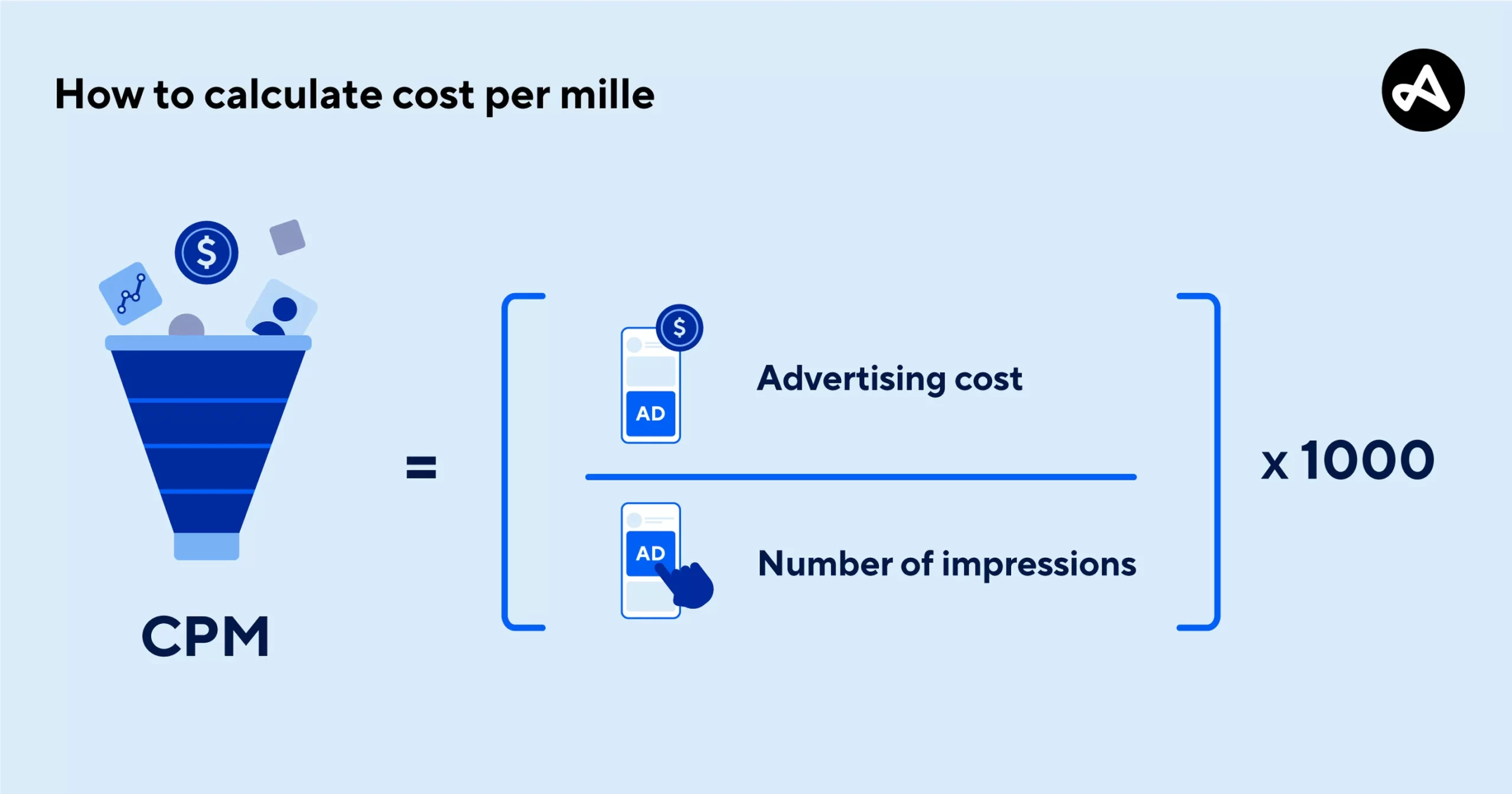
In digital marketing, understanding how your ads are priced and measured is very important. Different advertising models help marketers track performance and control spending....