Home Blog Page 44

How does Facebook support creators and influencers?


In the age of digital content, creators and influencers play a pivotal role in shaping online culture, consumer trends, and audience engagement. These individuals often build communities around their personal brands, leveraging social media platforms to share content, promote products, and generate income. Among the many platforms available, Facebook stands out as one of the most versatile and far-reaching ecosystems for creators and influencers to grow, monetize, and engage with audiences.

This essay explores in depth how Facebook supports content creators and influencers by providing tools, monetization opportunities, and community engagement features. It also discusses the platform’s advantages and challenges, and includes a real-world example that illustrates how creators can successfully leverage Facebook.


1. Who Are Creators and Influencers?

Before diving into Facebook’s role, it’s important to define who creators and influencers are.

  • Content creators are individuals who produce digital media—videos, articles, photos, livestreams, etc.—often in a specific niche such as beauty, gaming, fitness, or education.
  • Influencers are individuals with a significant online following who can “influence” their audience’s opinions, behaviors, or purchasing decisions.

While all influencers are creators, not all creators are influencers. Facebook supports both by offering tools to grow audiences, increase reach, and earn income through their work.


2. Facebook’s Ecosystem for Creators

Facebook’s platform includes a wide range of tools and features designed to help creators build a presence, engage with fans, and monetize their content. These include:

  • Facebook Pages
  • Facebook Reels
  • Facebook Live
  • Creator Studio
  • Meta Business Suite
  • Monetization tools
  • Collaborations and brand partnerships

3. Building a Presence: Facebook Pages

For creators, Facebook Pages serve as the foundation for their online brand. Unlike personal profiles, Pages are public and offer:

  • Unlimited followers
  • Tools for content scheduling
  • Insights into performance
  • Direct messaging with fans

Creators can customize their pages with branded visuals, links, and a call-to-action button (e.g., “Follow,” “Book Now,” or “Shop”).

Example: A food blogger can use a Facebook Page to post recipes, cooking videos, event announcements, and livestream Q&A sessions.


4. Engaging Through Video: Facebook Reels and Live

Facebook Reels

Reels are short-form vertical videos that allow creators to reach new audiences through viral content. Like TikTok and Instagram Reels, they are designed to entertain and inform in under 90 seconds.

  • Reels are prioritized in the algorithm, giving creators a higher chance of discovery.
  • Reels support creative tools like AR filters, music, text overlays, and transitions.
  • Facebook rewards creators through Reels Play bonus programs in eligible regions.

Facebook Live

Facebook Live allows creators to broadcast real-time video, which encourages authentic interaction with fans.

  • Fans can comment and react in real-time.
  • Live videos create stronger community bonds.
  • Events like Q&As, behind-the-scenes content, tutorials, and performances are popular.

Live content is particularly valuable for creators who thrive on audience feedback and participation.


5. Managing Content: Creator Studio and Meta Business Suite

Creator Studio is Facebook’s dedicated platform for managing content. It enables creators to:

  • Schedule posts across Facebook and Instagram
  • Analyze performance metrics (engagement, views, reach)
  • Track ad revenue
  • Monitor community engagement

Meta Business Suite, which integrates Facebook and Instagram management, adds tools for:

  • Inbox management (across platforms)
  • Insights and trends
  • Paid ad campaign creation

These tools give creators professional-level control over their content and audience strategy.


6. Monetization Opportunities for Creators

Monetizing content is crucial for full-time creators and influencers. Facebook offers several ways to generate income:

A. In-Stream Ads

Creators who publish longer videos (typically 3 minutes or more) can earn money through in-stream video ads.

  • Ads appear before, during, or after videos.
  • Creators are paid based on ad views and engagement.
  • Requires meeting eligibility standards (e.g., 10,000 Page followers and 600,000 total minutes viewed in the past 60 days).

B. Fan Subscriptions

Creators can offer monthly subscriptions to fans in exchange for exclusive content or perks.

  • Fans get badges and access to subscriber-only content.
  • Creators build a reliable, recurring income stream.
  • Facebook allows creators to set subscription prices.

C. Stars

Facebook Stars is a feature where fans can purchase virtual “stars” and send them during live videos or Reels.

  • Each star is worth a fraction of a dollar to the creator.
  • This supports micro-donations and encourages direct support.

D. Branded Content and Collaborations

Creators can collaborate with brands and get paid for sponsored content.

  • Facebook requires transparency: posts must be tagged as “Paid Partnership.”
  • The Brand Collabs Manager connects creators with businesses looking to run influencer campaigns.

E. Bonuses and Creator Funds

In some regions, Facebook has launched bonus programs to reward creators for meeting specific goals (e.g., number of views on Reels).

These financial incentives make Facebook competitive with platforms like TikTok and YouTube in attracting and retaining creators.


7. Community Building and Fan Engagement

Engaging with a community is one of the main differentiators of Facebook. Creators can use:

  • Facebook Groups: Build private or public communities for niche audiences.
  • Polls, Q&As, and Stories: Promote interaction and feedback.
  • Comment management: Like, pin, and reply to user comments to foster loyalty.

Unlike other platforms that focus on passive content consumption, Facebook encourages two-way communication, helping creators establish deeper relationships with fans.


8. Real-World Example: The Success of Tabitha Brown

Tabitha Brown, a vegan chef and actress, gained fame through heartfelt, humorous, and wholesome videos shared on social media. While she started on TikTok, Facebook played a major role in growing her brand.

  • She used Facebook Live to connect personally with fans while cooking or sharing life advice.
  • Her Facebook Reels reached wider audiences, especially during the COVID-19 pandemic.
  • Brown’s fans supported her through Stars and subscriptions, providing income and loyalty.
  • Brands noticed her influence and partnered with her through Facebook’s Branded Content features.

Her success is a prime example of how creators can start small, grow organically, and monetize responsibly using Facebook’s creator tools.


9. Challenges and Considerations

Despite the support, creators on Facebook face several challenges:

  • Algorithm dependency: Sudden changes can impact reach and revenue.
  • Content moderation: Strict policies may lead to demonetization or bans, sometimes without clear explanations.
  • Competition: The growing number of creators means it’s harder to stand out.
  • Revenue variability: Ad income can fluctuate based on global events or platform priorities.

Facebook continues to improve transparency and support, but creators must diversify their income sources and build across platforms to mitigate risks.


10. Facebook vs. Other Platforms for Creators

How does Facebook compare to other platforms?

Platform Strengths Weaknesses
Facebook Monetization tools, community features, diverse content types Slower growth for new creators, older demographic
YouTube Long-form video, strong ad revenue High production expectations
Instagram Visual-first, strong brand appeal Limited link sharing, less discoverability
TikTok Viral reach, strong for short-form video Less reliable monetization
Twitch Great for live gaming and fan support Narrower niche

Creators often use Facebook in combination with other platforms to reach different audiences and income streams.


Conclusion

Facebook continues to evolve as a powerful platform for creators and influencers. Through tools like Reels, Live, Pages, and monetization options such as in-stream ads and fan subscriptions, the platform offers numerous ways to build an audience, engage with fans, and generate income. By also providing analytics and community management tools, Facebook empowers creators to treat their presence as a professional brand or business.

As digital content creation grows, Facebook’s support ecosystem is a valuable asset for both rising and established creators. The success of individuals like Tabitha Brown demonstrates how creators can authentically connect with audiences and build sustainable careers using the resources Facebook provides.

With the right strategy and consistent engagement, creators and influencers can turn Facebook into a central hub for growth, income, and lasting community impact.
Why Is Email Marketing Still Important in 2025?

Why Is Email Marketing Still Important in 2025?

Email marketing, the practice of sending targeted messages to subscribers’ inboxes to promote products, services, or content, remains a cornerstone of digital marketing strategies, even in the rapidly evolving landscape of 2025. Despite the rise of social media, AI-driven advertising, and emerging technologies like voice search, email marketing continues to deliver unparalleled return on investment (ROI), audience ownership, and personalization capabilities. With the global digital marketing spend exceeding $500 billion and the affiliate marketing industry valued at over $16 billion in 2025, email marketing’s relevance is underscored by its ability to drive conversions, nurture relationships, and complement other channels. This comprehensive explanation, spanning at least 1,200 words, will explore why email marketing remains vital, highlighting its benefits, adaptability to modern trends, challenges, and strategic importance, and provide a practical example to illustrate its impact in an affiliate marketing context.


Understanding Email Marketing in 2025

Email marketing involves delivering personalized, permission-based messages to subscribers via platforms like ConvertKit, Constant Contact, or Mailchimp. Formats include newsletters, promotional offers, drip campaigns, and transactional emails, often embedding affiliate links or calls-to-action (CTAs). Key characteristics include:

  • Direct Communication: Emails reach subscribers’ inboxes, fostering one-to-one engagement.
  • Owned Channel: Businesses control their email lists, unlike social media platforms governed by algorithms.
  • High ROI: Studies (e.g., DMA 2024) report $42 returned per $1 spent on email marketing.
  • Versatility: Supports diverse goals, from lead nurturing to affiliate conversions.

In 2025, email marketing’s importance is amplified by advancements in AI personalization, mobile optimization (55% of web traffic is mobile), and integration with affiliate marketing tools, making it indispensable for affiliates, e-commerce, and local businesses.


Why Email Marketing Remains Important in 2025

Email marketing’s enduring relevance stems from its unique advantages, adaptability to modern consumer behavior, and synergy with other marketing channels. Below are the key reasons it remains critical:

1. Unmatched Return on Investment (ROI)

Email marketing consistently delivers one of the highest ROIs among digital channels, making it a cost-effective choice for businesses and affiliates.

  • Low Costs: Platforms like ConvertKit offer free plans for up to 1,000 subscribers, with paid plans starting at $9/month, affordable for small businesses or solo affiliates.
  • High Conversions: Email campaigns achieve conversion rates of 2–5%, compared to 1–2% for social media ads, driving affiliate sales or service bookings.
  • Scalable Results: A single email campaign can generate thousands in revenue with minimal additional cost, unlike paid ads requiring ongoing budgets.

Impact: Affiliates sending a $29/month ConvertKit campaign to 5,000 subscribers can earn $2,000 in commissions from 100 conversions, yielding a 68x ROI.

2. Audience Ownership and Control

Unlike social media, where algorithms (e.g., Instagram’s 2024 feed changes) or platform policies limit reach, email marketing gives businesses full control over their audience.

  • Direct Access: Emails bypass third-party gatekeepers, ensuring delivery to subscribers (barring spam filters).
  • Resilience to Trends: Social media platforms rise and fall (e.g., Vine’s decline), but email remains a stable, universal channel.
  • Data Privacy: Owned lists comply with GDPR and CCPA, giving businesses autonomy over subscriber data.

Impact: Affiliates can reliably deliver affiliate links to their audience, unaffected by platform disruptions, fostering consistent engagement and revenue.

3. Advanced Personalization and Segmentation

AI-driven email platforms in 2025 enable hyper-personalized campaigns, tailoring content to individual preferences and behaviors.

  • Dynamic Content: Tools like Mailchimp insert subscriber names, recommend products, or adjust offers based on past clicks (e.g., fitness gear for active users).
  • Behavioral Segmentation: ConvertKit segments audiences by actions (e.g., opened email, clicked link), sending targeted affiliate promotions.
  • Predictive Analytics: AI predicts optimal send times or content types, boosting open rates (20–40%) and CTRs (2–5%).

Impact: Personalized emails increase affiliate conversions by 10–30%, as relevant offers (e.g., a protein powder link to gym-goers) resonate more than generic promotions.

4. Mobile Optimization and Accessibility

With 55% of web traffic and 50% of email opens occurring on mobile devices, email marketing is optimized for mobile-first audiences.

  • Responsive Design: Platforms like Constant Contact offer mobile-friendly templates, ensuring emails render well on smartphones.
  • Quick Actions: Mobile CTAs (e.g., “Shop Now” buttons) drive instant affiliate link clicks, capitalizing on impulse purchases.
  • Voice Search Integration: Emails answer voice search queries (e.g., “best running shoes”), embedding affiliate links for discoverability.

Impact: Mobile-optimized emails capture high-intent mobile users, boosting affiliate conversions by reducing friction in the purchase journey.

5. Long-Term Relationship Building

Email marketing excels at nurturing leads over time, fostering trust and loyalty critical for affiliate marketing.

  • Drip Campaigns: Automated sequences (e.g., welcome series, product education) deliver affiliate links over weeks, converting leads gradually.
  • Evergreen Content: Emails remain in inboxes, allowing subscribers to revisit affiliate offers, unlike social posts that fade in 24–48 hours.
  • Customer Retention: Emails re-engage past buyers with upsell offers, increasing lifetime value.

Impact: A 5-email sequence can convert 5% of subscribers into affiliate buyers, generating ongoing revenue from a single list-building effort.

6. Integration with Affiliate Marketing and Other Channels

Email marketing seamlessly integrates with affiliate marketing and complements other channels like social media or blogs.

  • Affiliate Link Delivery: Emails embed trackable links (e.g., via ThirstyAffiliates), driving conversions for programs like CJ Affiliate or Amazon Associates.
  • Funnel Support: Social media drives email sign-ups via lead magnets (e.g., eBooks), and emails nurture leads to affiliate sales.
  • Cross-Channel Tracking: Tools like Scaleo or Voluum link email performance to affiliate conversions, providing clear ROI.

Impact: Affiliates use email to convert social media traffic, increasing commissions by combining awareness (social) with conversion (email).

7. Adaptability to Emerging Trends

Email marketing evolves with technology, ensuring relevance in 2025’s digital landscape.

  • AI Enhancements: ChatGPT drafts email copy, while AI tools like ConvertKit optimize subject lines or predict engagement.
  • Interactive Emails: AMP for Email enables quizzes, polls, or carousels, increasing engagement (e.g., a quiz linking to affiliate products).
  • Privacy Compliance: GDPR-compliant tools like CookieBot ensure consent, aligning with stricter 2025 data laws.
  • Voice Commerce: Emails support voice-activated purchases (e.g., “Alexa, buy this product”), embedding affiliate links.

Impact: Affiliates leveraging AI, interactivity, and compliance stay ahead, maintaining email’s effectiveness in a tech-driven market.

8. Measurable Performance and Optimization

Email marketing offers precise metrics, enabling affiliates to refine campaigns for maximum impact.

  • Key Metrics: Open rates, CTRs, conversions, and revenue are tracked via platforms like Mailchimp or Scaleo.
  • A/B Testing: Testing subject lines, CTAs, or send times optimizes performance (e.g., “Save 20% Now” vs. “Exclusive Offer”).
  • Attribution: Affiliate links tie email clicks directly to sales, ensuring accurate commission tracking.

Impact: Affiliates optimize emails to boost CTRs from 2% to 5%, doubling conversions and commissions with data-driven tweaks.


Challenges and Mitigation

Despite its strengths, email marketing faces challenges in 2025:

  • Spam Filters: Advanced filters block poorly crafted emails, reducing deliverability.
  • List Fatigue: Over-emailing causes unsubscribes or disengagement.
  • Compliance Complexity: GDPR, CAN-SPAM, and CCPA require rigorous opt-in and disclosure practices.
  • Competition: Inboxes are crowded, requiring standout content.

Mitigation:

  • Use double opt-in and clean lists to improve deliverability.
  • Send relevant, value-driven emails to maintain engagement.
  • Include FTC disclosures (#affiliate) and GDPR consent banners (e.g., CookieBot).
  • Craft compelling subject lines and visuals with AI tools like ChatGPT or Canva.

Why Email Marketing Complements Affiliate Marketing

In affiliate marketing, email is crucial for:

  • Converting Leads: Emails nurture social media or blog traffic into affiliate sales.
  • Passive Income: Evergreen sequences deliver links over time, generating ongoing commissions.
  • Targeting Niches: Segmented campaigns promote relevant products (e.g., fitness gear to gym-goers).
  • Compliance: Emails ensure clear FTC disclosures, protecting affiliate accounts.

Strategic Tips:

  • Build lists with lead magnets via OptinMonster.
  • Use ConvertKit for automated affiliate sequences.
  • Track performance with Voluum or Scaleo.
  • Optimize for mobile with responsive templates.

Example of Email Marketing in Affiliate Marketing

Scenario

Sophie, an affiliate marketer, runs a blog, “TechTrove,” promoting productivity software. She joins the CJ Affiliate program for “PlanEasy,” a task management tool, earning $30 per paid sign-up. Sophie uses email marketing to drive conversions, leveraging its strengths in personalization, control, and ROI.

Step 1: List Building

Sophie creates a lead magnet, “10 Productivity Hacks for 2025,” using ChatGPT to draft content and Canva for design. She embeds a mobile-friendly signup form on her blog with OptinMonster, offering the eBook to capture emails. The form integrates with ConvertKit, building a list of 6,000 subscribers over six months, targeting professionals and students.

Step 2: Email Campaign Design

Sophie designs a 6-email drip campaign, personalized and optimized for mobile:

  • Email 1 (Welcome): Delivers the eBook, introduces Sophie, and mentions PlanEasy’s AI task prioritization with an affiliate link. Open rate: 45%.
  • Email 2 (Education): Shares a PlanEasy tutorial, linking to a blog review. CTR: 5%.
  • Email 3 (Testimonial): Features Sophie’s 30-day PlanEasy experience, embedding her affiliate link. Conversion rate: 2%.
  • Email 4 (Offer): Promotes a 15% discount code (“TECH15”), creating urgency. Conversion rate: 3%.
  • Email 5 (Comparison): Compares PlanEasy to Trello, reinforcing value with a link. CTR: 4%.
  • Email 6 (Last Chance): Reminds subscribers of “TECH15,” driving final conversions. Conversion rate: 2%.

Personalization: ConvertKit inserts subscriber names and segments users who clicked PlanEasy links, sending follow-ups to 1,000 engaged subscribers. Compliance: Emails include FTC disclosures (“This email contains affiliate links”), CAN-SPAM footers, and a CookieBot GDPR consent banner on her blog.

Step 3: Analytics and Optimization

Sophie tracks performance with ConvertKit and Scaleo:

  • Open rates: 35% average, with Email 1 peaking at 45%.
  • CTRs: 4% average, with Email 2 at 5%.
  • Conversions: 120 sign-ups ($3,600) from 6,000 subscribers (2% conversion rate).
  • A/B Testing: Sophie tests subject lines (e.g., “Boost Productivity Today” vs. “Your PlanEasy Discount Awaits”), increasing opens by 10%.

Voluum confirms 60% of conversions are mobile, validating her responsive templates. AI insights suggest sending emails at 8 AM, boosting engagement.

Step 4: Integration with Other Channels

Sophie uses Instagram Reels to drive eBook sign-ups, adding 1,000 subscribers monthly. Her blog, optimized with SEMrush for “best task management software,” attracts organic traffic, funneled into her email list. The drip campaign converts 20% of these new subscribers, adding $600 monthly.

Outcomes

  • Revenue: Sophie earns $3,600 from 120 sign-ups, with a $29/month ConvertKit cost yielding a 123x ROI.
  • List Growth: The eBook grows her list by 2,000, increasing future earning potential.
  • Engagement: Personalized emails achieve 35% open rates, fostering trust and repeat conversions.
  • Longevity: The evergreen sequence generates $1,000/month passively as new subscribers join.
  • Compliance: FTC/GDPR adherence protects her affiliate account and builds audience trust.

Why This Example Matters

Sophie’s campaign showcases email marketing’s importance in 2025, leveraging personalization, mobile optimization, and integration with social media and blogs to drive affiliate conversions. Using ConvertKit, OptinMonster, ChatGPT, Canva, Scaleo, Voluum, and CookieBot, she achieves high ROI, audience control, and long-term revenue, highlighting email’s enduring power.


Conclusion

In 2025, email marketing remains vital due to its unmatched ROI, audience ownership, personalization, mobile optimization, relationship-building, integration with affiliate marketing, adaptability to trends, and measurable performance. Despite challenges like spam filters or compliance, tools like ConvertKit, AI enhancements, and strategic list-building mitigate risks, ensuring effectiveness. Sophie’s PlanEasy campaign illustrates how email drives $3,600 in affiliate commissions with a 123x ROI, nurturing leads through personalized, evergreen sequences while complementing social media efforts. In a $16 billion affiliate industry, email marketing’s direct, cost-effective approach empowers affiliates and businesses to connect with audiences, convert leads, and thrive in a mobile-first, data-driven digital landscape, cementing its place as a timeless marketing strategy.

What is the importance of keyword match types?

Introduction to Keyword Selection

In digital marketing, selecting the right keywords is the foundation of a successful advertising campaign. Whether you’re using Google Ads, Bing Ads, or advertising on Amazon, YouTube, or social media platforms, the process of keyword selection determines how well your ads perform, how relevant they are to your audience, and ultimately, how profitable your campaign becomes.

Keywords are the phrases or terms that users type into a search engine when looking for information, products, or services. In the context of a paid search campaign, targeting the right keywords ensures your ads appear in front of the right people at the right time.

Keyword selection isn’t just about choosing words; it’s a strategic process that involves understanding the target audience, market trends, competition, search intent, and your campaign’s goals. Let’s explore in detail how to select keywords for a campaign.

1. Understand Your Business Goals and Target Audience

Before diving into tools and techniques, it’s essential to clearly define your business objectives. Ask:

  • What is the goal of this campaign?

    • Increase website traffic?

    • Generate leads?

    • Promote a specific product?

    • Increase brand visibility?

  • Who is your target audience?

    • Demographics (age, gender, location)

    • Interests and behaviors

    • Buying habits

When you understand your audience, you can predict what they’re likely to search for. For instance, if you’re selling premium fitness gear to professionals aged 25–40, your keywords will differ from those targeting college students looking for budget gear.

2. Brainstorm a Seed Keyword List

Start by listing the core terms related to your business. These are your seed keywords—basic terms that describe your product, service, or offering.

Example: Let’s say your business sells handcrafted metal wall art (like Lazoro).

Seed keywords might include:

  • Metal wall art

  • Decorative wall decor

  • Handmade wall art

  • Custom metal artwork

  • Wall sculptures

At this stage, you’re not filtering anything—just generating ideas based on what your audience might type into Google.

3. Expand Using Keyword Research Tools

Once you have your seed list, it’s time to expand it using keyword research tools. These tools suggest related phrases, synonyms, long-tail variations, and commonly searched terms.

Popular tools include:

  • Google Keyword Planner

  • SEMrush

  • Ahrefs Keywords Explorer

  • Ubersuggest

  • Moz Keyword Explorer

  • AnswerThePublic

Using these tools, you can find:

  • Search Volume (how many times a keyword is searched per month)

  • Competition Level (how difficult it is to rank or bid for the keyword)

  • CPC (Cost Per Click) (average cost per ad click)

  • Trends (seasonal or recent changes in keyword popularity)

For example, you might discover:

  • “Modern metal wall art” – 5,400 monthly searches, medium competition

  • “Customized wall decor” – 1,200 monthly searches, low competition

  • “Buy abstract metal sculpture online” – 720 monthly searches, low competition

These insights help you understand which terms are worth targeting based on your goals and budget.4. Understand Keyword Intent

Not all keywords are equal. Understanding search intent is crucial.

There are generally four types of search intent:

  1. Informational – User is looking for information.

    • “What is metal wall art?”

    • “How to decorate living room walls?”

  2. Navigational – User is looking for a specific brand or website.

    • “Lazoro wall art”

    • “Amazon wall sculptures”

  3. Transactional/Commercial – User is ready to buy or compare.

    • “Buy modern metal art online”

    • “Best place to order custom wall decor”

  4. Local – User is looking for services/products nearby.

    • “Metal wall art shops near me”

Focus more on transactional or commercial-intent keywords if your goal is conversions. Informational keywords are useful for content marketing and lead generation.

5. Use Long-Tail Keywords for Better Targeting

Long-tail keywords are more specific, usually longer phrases with lower search volume but higher intent.

Example:

  • Short-tail: “Wall art” – too broad, high competition

  • Long-tail: “Handcrafted metal wall art for living room” – specific, lower competition, high conversion potential

Long-tail keywords are especially useful for smaller budgets because:

  • They are more affordable in CPC.

  • They have less competition.

  • They attract more qualified leads.

6. Analyze Competitor Keywords

Spy on your competitors using tools like:

  • SEMrush (Domain Overview)

  • Ahrefs (Site Explorer)

  • SpyFu

Find out:

  • What keywords they rank for

  • What keywords they bid on in Google Ads

  • Which ads they are running

This helps you:

  • Identify keyword gaps

  • Find missed opportunities

  • Avoid highly saturated markets

7. Segment Keywords into Themes or Ad Groups

Organize your keywords into themes or clusters. This is essential for ad relevance and Quality Score in Google Ads.

Example keyword groups for a wall art brand:

  • Product-focused group: “metal wall art,” “handcrafted wall decor”

  • Style-focused group: “modern wall art,” “abstract wall sculpture”

  • Use-case group: “living room wall decor,” “bedroom wall art”

Each group should have its own ad copy and landing page to improve CTR (Click-Through Rate) and Conversion Rate.

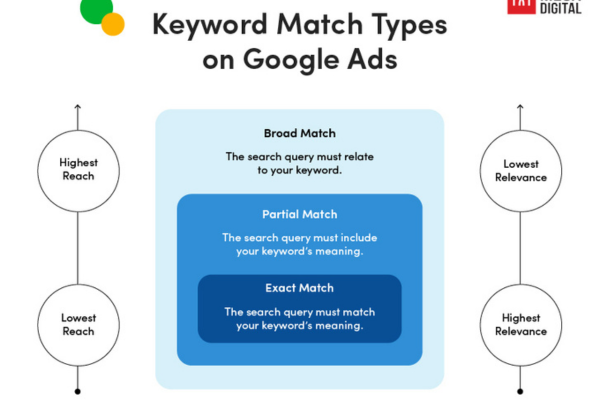
8. Check Keyword Match Types in Google Ads

In Google Ads, keyword match types control how strictly your ad matches a user’s search.

  • Broad Match: Shows ads on similar or related searches.

    • Keyword: metal wall art

    • Ad may appear for: metal sculpture, decorative iron art

  • Phrase Match: Shows ads for searches that include the phrase.

    • Keyword: “metal wall art”

    • Ad may appear for: buy metal wall art online

  • Exact Match: Shows ads for exact search terms.

    • Keyword: [metal wall art]

    • Ad appears only for: metal wall art

  • Negative Keywords: Prevent ads from showing on irrelevant searches.

    • E.g., Add free, DIY, cheap as negative keywords if you sell premium products.

Use a mix of match types for broad exposure and precision.

9. Prioritize Based on Budget and Competition

If you have a limited budget, prioritize:

  • High-intent, long-tail keywords

  • Low-to-medium competition terms

  • Keywords with a proven history of conversions

If your budget allows, test broader or more competitive terms gradually.

Monitor your Quality Score—a metric Google uses based on relevance, CTR, and landing page quality. Higher Quality Score means lower CPC.

10. Test, Monitor, and Refine

Keyword selection is not a one-time process.

Use A/B testing to test different sets of keywords and measure their performance in terms of:

  • CTR (Click-through rate)

  • Conversion rate

  • Bounce rate

  • ROI (Return on Investment)

Use Google Ads reports and tools like Google Analytics to refine your keyword list continuously:

  • Pause underperforming keywords.

  • Add high-converting keywords.

  • Use search terms report to discover new ideas.

Example: Keyword Selection for Lazoro (Handcrafted Wall Art Brand)

Business Goal:

Generate online sales of unique, handcrafted metal wall art.

Target Audience:

  • Age: 25–50

  • Interests: Home decor, modern art, handmade products

  • Locations: Urban areas, India (primarily)

Seed Keywords:

  • Metal wall art

  • Decorative wall sculpture

  • Handmade home decor

  • Artistic wall hanging

Expanded Keywords via Google Keyword Planner:

  • “Modern metal wall art for living room” – 2,400 searches/month

  • “Custom metal name signs” – 1,000 searches/month

  • “Abstract iron wall decor” – 1,800 searches/month

Keyword Grouping:

  1. Product Group:

    • Metal wall art

    • Custom wall hanging

  2. Room-specific Group:

    • Bedroom metal wall art

    • Living room wall decor

  3. Occasion-focused Group:

    • Anniversary gift wall art

    • Housewarming wall decor

Match Types and Bidding:

  • Phrase match for targeted traffic

  • Negative keywords: “free,” “download,” “DIY,” “tutorial”

  • Bid higher on transactional keywords (e.g., “buy handcrafted wall art online”)

Ongoing Monitoring:

  • Weekly analysis of CTR and conversions

  • Add converting queries from Search Terms Report

  • Pause non-performing keywords


Conclusion

Selecting keywords for a campaign is both an art and a science. It starts with understanding your audience and business goals, followed by strategic keyword research, competitor analysis, segmentation, and continuous optimization. The right keywords don’t just drive traffic—they bring qualified leads who are more likely to convert, giving you the best return on your investment.

Mastering this process will not only improve your campaign performance but also strengthen your brand visibility and credibility in a competitive online space.


You said:
What is the importance of keyword match types? GIVE EXAMPLE ACCORDING TO US POLO BRAND
ChatGPT said:

What Is the Importance of Keyword Match Types?

(With Example Based on U.S. Polo Assn. Brand)


Introduction

In Google Ads and other PPC platforms, keyword match types are essential tools that determine how closely a user’s search query must match your keyword for your ad to appear. Choosing the right match type is critical because it affects:

  • Who sees your ad

  • How much you pay

  • The quality and relevance of your traffic

  • Your click-through rate (CTR) and conversion rate

  • Your overall ad performance and ROI

If you’re advertising for a brand like U.S. Polo Assn., using the right keyword match types can help you attract more qualified traffic, avoid wasted spend, and improve your ad campaign’s efficiency.


Types of Keyword Match Types (with U.S. Polo Examples)

Let’s break down the four main match types and apply them using U.S. Polo Assn. as an example:


1. Broad Match

  • Definition: Ads show on searches that include related terms, synonyms, misspellings, and other relevant variations.

  • Keyword Example: us polo shirts

  • Your ad could show for:

    • “casual polo T-shirts”

    • “men’s branded tees”

    • “shirts similar to US Polo”

    • “American polo clothes”

  • Use Case: Best for brand awareness and reaching a wider audience.

  • Risk: Can waste budget by showing ads for less relevant or unrelated queries.

🟡 Example Scenario:
You’re launching a new U.S. Polo Assn. summer collection and want to attract new shoppers who may not know your brand yet. Broad match helps show ads to people searching for general apparel or similar styles.

2. Phrase Match

  • Definition: Ads show only when the search includes your exact phrase or close variants, in the same order but may include extra words before or after.

  • Keyword Example: "us polo t shirts"

  • Your ad could show for:

    • “buy us polo t shirts”

    • “best deals on us polo t shirts online”

    • “us polo t shirts for men”

  • Your ad will NOT show for:

    • “polo t shirts us brand”

    • “t shirts from polo usa”

  • Use Case: Balances reach and relevance.

  • Benefit: Helps control intent while still capturing long-tail variations.

🟢 Example Scenario:
You want to promote a U.S. Polo Assn. T-shirt sale specifically for users searching for that product. Phrase match helps you reach those actively looking for your brand in a relevant context.


3. Exact Match

  • Definition: Ads show only when the search query exactly matches your keyword or a very close variant.

  • Keyword Example: [us polo t shirts for men]

  • Your ad could show for:

    • “us polo t shirts for men”

    • “us polo t-shirts for men” (minor variation)

  • Your ad will NOT show for:

    • “buy us polo t shirts for men”

    • “us polo shirts for boys”

  • Use Case: Best for high-intent searches, tight budget control, and maximizing ROI.

  • Benefit: High click quality, lower wasted spend, and better conversion rates.

🟢 Example Scenario:
You are running a limited-time offer only for “U.S. Polo T-shirts for men.” Using exact match ensures your ad appears only when someone searches exactly for that term, reducing irrelevant clicks.


4. Negative Match

  • Definition: Prevents your ads from showing when specific keywords are part of the user’s query.

  • Keyword Example: -cheap, -fake, -replica

  • Use Case: To filter out low-quality traffic and protect brand integrity.

  • Benefit: Improves relevance and reduces wasted ad spend.

🔴 Example Scenario:
You don’t want your U.S. Polo Assn. ads appearing for users searching for:

  • “cheap us polo shirts”

  • “us polo replica”

  • “fake us polo t shirt”

Adding those as negative keywords helps keep your ad targeted to customers looking for authentic, premium products.

Comparison Table: Match Types for U.S. Polo

Match Type Keyword Example Appears For Search Like… Targeting Precision Risk Level Use Case
Broad Match us polo shirts “casual polo tees”, “branded shirts” Low High Brand Awareness, Discovery
Phrase Match "us polo t shirts" “buy us polo t shirts”, “us polo t shirts men” Medium Medium Product Promotion, Mid-Funnel
Exact Match [us polo t shirts for men] “us polo t shirts for men” High Low High-Intent Sales, Conversions
Negative Match -cheap, -replica Filters searches like “cheap us polo shirts” Very High None Brand Protection, Cost Saving

Why Match Types Are Important for Campaign Success

1. Improve Ad Relevance

  • Ads triggered by relevant queries match user intent better, increasing CTR and Quality Score.

2. Control Budget Effectively

  • Using exact or phrase match limits irrelevant clicks.

  • Avoids wasting money on users unlikely to convert.

3. Maximize Conversion Rates

  • People clicking on exact match keywords are often ready to buy.

  • You spend more on those likely to convert, increasing ROAS (Return on Ad Spend).

4. Increase Quality Score

  • Google rewards relevance. Better matching increases CTR and landing page alignment, lowering CPC and improving ad rank.

5. Better Campaign Structure

  • Using a mix of match types allows segmentation by intent, funnel stage, or product category.

Practical Strategy for U.S. Polo Campaigns

  1. Start Broad – Run a small-budget broad match campaign to discover new keyword variations and user search behavior.

  2. Refine Using Phrase & Exact Match – Analyze the Search Terms Report, extract high-performing keywords, and move them to phrase/exact match ad groups.

  3. Use Negative Keywords – Regularly update a list of irrelevant or brand-damaging terms to exclude.

  4. Segment Campaigns by Product Type:

    • “U.S. Polo shirts for men” (phrase)

    • “U.S. Polo sneakers for women” (exact)

    • “us polo jeans sale” (broad with negatives like “free”, “fake”)


Conclusion

Keyword match types are the backbone of a successful Google Ads strategy. Without them, you’re either casting your net too wide (wasting money) or too narrow (missing opportunities).

For a strong retail brand like U.S. Polo Assn., intelligently using a combination of broad, phrase, exact, and negative match types allows you to:

  • Reach new customers

  • Control spend

  • Improve ad relevance

  • Drive qualified traffic

  • Increase sales and ROI

Remember: the goal isn’t just traffic—it’s relevant traffic.

How Is Email Marketing Different from Social Media Marketing?

In the dynamic world of digital marketing, email marketing and social media marketing are two cornerstone strategies that businesses and individuals use to engage audiences, build relationships, and drive conversions. While both aim to connect with consumers and promote products or services, they differ significantly in their approaches, platforms, audience interactions, content formats, and measurable outcomes. In 2025, with the global digital marketing spend exceeding $500 billion, understanding these differences is critical for crafting effective campaigns, especially in contexts like affiliate marketing, where targeted communication drives commissions. This comprehensive explanation, spanning at least 1,200 words, will explore the key differences between email marketing and social media marketing, their complementary roles, strategic considerations, and provide a practical example to illustrate their distinct applications in an affiliate marketing context.


Understanding Email Marketing and Social Media Marketing

Email Marketing involves sending targeted, personalized messages to subscribers’ inboxes to promote products, services, or content, nurture leads, or maintain customer relationships. It relies on email platforms like ConvertKit, Constant Contact, or Mailchimp, delivering content such as newsletters, promotional offers, or drip campaigns. Email marketing is permission-based, requiring users to opt-in, and is known for its direct, one-to-one communication.

Social Media Marketing involves creating and sharing content on platforms like Instagram, TikTok, YouTube, or LinkedIn to build brand awareness, engage audiences, and drive traffic or sales. It leverages organic posts, paid ads, or influencer partnerships, using tools like Hootsuite or Meta Ads Manager. Social media marketing is public or community-driven, aiming to reach broad or targeted audiences through interactive, visual content.

Both strategies are integral to affiliate marketing, where affiliates promote products via links or codes, codes or emails, but their mechanics, goals, and execution differ significantly.


Key Differences Between Email Marketing and Social Media Marketing

The distinctions between email marketing and social media marketing span audience control, content delivery, engagement, personalization, measurability, cost, and longevity, among others. Below are the primary differences:

1. Audience Ownership and Control

  • Email Marketing: Businesses own their email lists, giving them full control over their audience. Subscribers opt-in, providing direct access to inboxes without reliance on third-party algorithms. Affiliates can contact their list anytime, barring unsubscriptions or spam complaints. This ownership ensures consistent communication, making email ideal for long-term relationship building.
  • Social Media Marketing: Marketers rely on third-party platforms (e.g., Instagram, TikTok), where algorithms control content visibility. Changes in platform policies or algorithms (e.g., Instagram’s 2024 feed update) can reduce reach, and accounts risk suspension or bans. Affiliates have less control over who sees their posts, even among followers.

Impact: Email marketing offers stability and control, while social media marketing is subject to platform unpredictability. For affiliates, email ensures reliable delivery of affiliate links, whereas social media reach fluctuates.

1.2. Content Delivery and Format

  • Email Marketing: Content is delivered directly to subscribers’ inboxes, allowing for long-form, personalized messages. Formats include newsletters, product reviews, promotional offers, or automated sequences (e.g., welcome emails). Emails can include rich media (images, videos) but prioritize text and CTAs (e.g., “Shop Now” with an affiliate link).
  • Social Media Marketing: Content is posted on public or semi-public feeds, Stories, or Reels, favoring short, visual, or interactive formats like 15-second TikTok videos or Instagram carousels. Posts compete for attention in crowded feeds, requiring eye-catching visuals and concise captions to embed affiliate links or codes.

Impact: Email allows detailed storytelling (e.g., a 500-word product review), ideal for affiliate product education, while social media excels at quick, engaging promotions but limits depth due to format constraints.

1.3. Audience Engagement and Interaction

  • Email Marketing: Engagement is one-to-one, with subscribers responding via replies, clicks, or purchases. Interaction is private, fostering personal connections. Affiliates can segment audiences (e.g., by purchase history) for targeted campaigns, achieving open rates of 20–40% and click-through rates (CTRs) of 2–5%.
  • Social Media Marketing: Engagement is one-to-many, with public interactions like likes, comments, or shares. It’s community-driven, encouraging viral reach but less personal. Engagement rates vary (e.g., 1–3% on Instagram), and affiliates compete with other content for attention.

Impact: Email drives deeper, direct engagement for affiliate conversions, while social media fosters broader, less intimate interactions, ideal for awareness but harder to convert directly.

1.4. Personalization and Targeting

  • Email Marketing: Highly personalized, using data like names, preferences, or past behavior. Tools like ConvertKit segment subscribers for tailored content (e.g., fitness gear for active users). Dynamic content (e.g., personalized product recommendations) boosts conversions. Affiliates can send affiliate links to specific segments, increasing relevance.
  • Social Media Marketing: Targeting relies on platform algorithms and ad tools (e.g., Meta Ads Manager), using demographics, interests, or behaviors. Organic reach is less precise, and personalization is limited to broad audience segments. Affiliates use hashtags or paid ads to target niches but lack the granular control of email.

Impact: Email’s personalization drives higher conversion rates (e.g., 5% vs. 1% for social ads), making it more effective for affiliate sales, while social media excels at reaching new audiences.

1.5. Measurability and Analytics

  • Email Marketing: Offers precise metrics like open rates, CTRs, conversions, and revenue via tools like Mailchimp or Scaleo. Affiliates track link clicks and sales directly, attributing commissions accurately. A/B testing (e.g., subject lines) optimizes performance.
  • Social Media Marketing: Metrics include likes, shares, impressions, and link clicks, tracked via platform analytics or tools like Voluum. Conversion tracking is less precise due to platform restrictions (e.g., Apple’s App Tracking Transparency) and multi-touch attribution challenges. Affiliates rely on bio links or UTM parameters for tracking.

Impact: Email provides clearer ROI for affiliate campaigns, while social media analytics are broader but less granular, complicating attribution.

1.6. Cost and Scalability

  • Email Marketing: Low-cost for small lists (e.g., ConvertKit’s free plan for 1,000 subscribers), with paid plans scaling at $9–$50/month. Costs grow with list size, but ROI remains high (e.g., $42 per $1 spent, per 2024 DMA data). Affiliates invest in lead magnets (e.g., eBooks) to grow lists.
  • Social Media Marketing: Organic reach is free but limited; paid ads cost $0.50–$5 per click, depending on platform and niche. High ad budgets (e.g., $1,000/month) are needed for scale, and influencer partnerships add costs. Affiliates spend on visuals or ads to drive traffic to links.

Impact: Email is cost-effective for affiliates with established lists, while social media requires higher upfront investment for reach, especially in competitive niches.

1.7. Content Longevity and Reach

  • Email Marketing: Content has long-term value, as emails remain in inboxes and can be revisited or forwarded. Automated sequences (e.g., drip campaigns) deliver affiliate links over months, generating passive income. Reach is limited to list size but guaranteed for deliverable emails.
  • Social Media Marketing: Content is ephemeral, with posts losing visibility after 24–48 hours (e.g., Instagram Stories). Evergreen content (e.g., YouTube videos) has longer life but competes in crowded feeds. Reach can be massive (e.g., viral TikTok videos) but unpredictable.

Impact: Email drives consistent, long-term affiliate conversions, while social media offers short-term, high-reach potential but requires frequent posting.

1.8. Compliance and Regulations

  • Email Marketing: Subject to strict regulations like CAN-SPAM (U.S.) and GDPR (EU), requiring opt-in consent, unsubscribe options, and transparent disclosures (e.g., #affiliate). Non-compliance risks fines or account bans.
  • Social Media Marketing: Governed by platform policies and FTC guidelines, requiring disclosures (#ad) but less stringent data privacy rules. GDPR applies for targeted ads, but compliance is platform-managed.

Impact: Email demands rigorous compliance, increasing setup effort for affiliates, while social media compliance is simpler but still requires transparency.


Complementary Roles and Strategic Considerations

While different, email and social media marketing are complementary in affiliate marketing:

  • Funnel Stages: Social media excels at awareness and acquisition, attracting new audiences to affiliate links, while email nurtures leads through consideration and conversion.
  • Cross-Promotion: Social media drives email sign-ups via lead magnets, and emails promote social content with affiliate links.
  • Integrated Campaigns: Affiliates use both for cohesive funnels, e.g., a TikTok ad driving sign-ups to an email sequence with affiliate offers.

Strategies:

  • Use social media to build audiences and drive email opt-ins.
  • Leverage email for personalized affiliate promotions and retargeting.
  • Track performance with tools like Voluum (social) and ConvertKit (email) for optimization.
  • Ensure FTC/GDPR compliance with disclosures and consent tools like CookieBot.

Example of Email Marketing vs. Social Media Marketing in Affiliate Marketing

Scenario

Noah, an affiliate marketer, promotes a fitness tracker, “FitTrack,” through the CJ Affiliate network, earning $20 per sale. He uses email marketing and social media marketing to drive conversions, showcasing their differences in a cohesive campaign.

Email Marketing Campaign

Setup: Noah builds an email list of 5,000 subscribers via his blog, “FitVibes,” using OptinMonster to offer a “Fitness Tracker Comparison Guide” eBook. He uses ConvertKit for email management.

  • Content: Noah creates a 5-email drip campaign, personalized with subscriber names:
    • Email 1: Delivers the eBook, introducing FitTrack’s features with an affiliate link.
    • Email 2: Shares Noah’s 30-day FitTrack experience, linking to a blog review.
    • Email 3: Offers a 10% discount code (“FIT10”), driving urgency.
    • Email 4: Compares FitTrack to competitors, reinforcing value.
    • Email 5: Reminds subscribers of the discount, with a final CTA.
  • Personalization: ConvertKit segments subscribers who clicked FitTrack links, sending targeted follow-ups to boost conversions.
  • Analytics: Noah tracks open rates (35%), CTRs (4%), and conversions (100 sales, $2,000) via ConvertKit and Scaleo.
  • Compliance: Emails include unsubscribe links, CAN-SPAM footers, and an FTC disclosure: “This email contains affiliate links.”
  • Cost: $29/month for ConvertKit, with $200 for eBook creation, yielding high ROI.
  • Outcome: The campaign drives 100 sales ($2,000) over a month, with emails remaining in inboxes for repeat engagement.

Social Media Marketing Campaign

Setup: Noah uses Instagram (30,000 followers) and TikTok (10,000 followers), leveraging Hootsuite for scheduling and Meta Ads Manager for ads.

  • Content:
    • Instagram Reel: A 15-second video shows Noah using FitTrack during a workout, highlighting heart rate tracking. He includes “FIT10” and a bio affiliate link, disclosing with #ad.
    • TikTok Video: A 30-second tutorial, “How FitTrack Changed My Workouts,” with a link in bio and #affiliate.
    • Paid Ads: Noah spends $500 on Instagram and TikTok ads targeting fitness enthusiasts, linking to his blog review.
  • Engagement: Noah responds to comments, increasing likes (1,000 per post) and shares (200). Ads achieve a 2% CTR.
  • Analytics: Voluum tracks 5,000 link clicks and 50 sales ($1,000), with TikTok outperforming Instagram. Platform analytics show 50,000 impressions.
  • Compliance: Posts include #ad, and ads comply with platform policies.
  • Cost: $500 for ads, $50/month for Hootsuite, with higher upfront investment than email.
  • Outcome: The campaign drives 50 sales ($1,000) in two weeks, with posts losing visibility after 48 hours, requiring frequent updates.

Comparison and Outcomes

  • Email Marketing: Drives 100 sales with lower costs ($229 total) and long-term value, leveraging owned audience and personalization. Conversion rate: 2% of subscribers.
  • Social Media Marketing: Drives 50 sales with higher costs ($550) but broader reach (50,000 impressions), ideal for awareness. Conversion rate: 1% of ad clicks.
  • Integrated Funnel: Social media ads drive 1,000 new email subscribers, who enter Noah’s drip campaign, adding 20 sales ($400) over time.
  • Total Impact: Noah earns $3,400 from 170 sales, using social media for acquisition and email for conversion, showcasing their complementary roles.

Why This Example Matters

Noah’s campaign illustrates the differences: email’s direct, personalized, cost-effective approach excels at conversions, while social media’s visual, broad-reach strategy drives awareness and traffic. By integrating both, Noah maximizes affiliate earnings, highlighting their distinct strengths in a cohesive funnel.


Conclusion

In 2025, email marketing and social media marketing are vital yet distinct strategies in affiliate marketing, differing in audience control, content delivery, engagement, personalization, measurability, cost, longevity, and compliance. Email marketing offers owned, personalized communication with high ROI and long-term value, ideal for nurturing leads and driving affiliate conversions. Social media marketing excels at broad reach, visual engagement, and audience acquisition but faces platform unpredictability and higher costs. Noah’s FitTrack campaign demonstrates how email’s targeted drip sequence and social media’s viral Reels complement each other, driving $3,400 in commissions through a multi-channel funnel. Affiliates leveraging tools like ConvertKit, Voluum, and Hootsuite, and ensuring FTC/GDPR compliance, can harness both strategies to thrive in a $16 billion industry, balancing email’s depth with social media’s reach for optimal results.

Describe the Structure of a Typical Marketing Email

Introduction

Email marketing is one of the most powerful tools in the digital marketing arsenal. It allows businesses, organizations, entrepreneurs, and even students to communicate directly with their audience, promote products or services, and build long-lasting relationships. However, the success of an email marketing campaign largely depends on how well the email is structured.

A well-crafted marketing email is not just a random mix of text and images—it follows a clear structure designed to capture attention, convey a message, and encourage the reader to take action. Understanding this structure is critical for anyone who wants to get results from their email marketing efforts.

In this article, we will describe the structure of a typical marketing email in detail, break down each component, and provide an appropriate example for better understanding.


1. The Key Elements of a Marketing Email

While marketing emails can vary in design, content, and tone depending on the brand or purpose, most successful emails share a similar basic structure. A typical marketing email consists of the following elements:

  1. Sender Information (From Name and Email Address)

  2. Subject Line

  3. Preheader Text

  4. Email Header or Banner

  5. Greeting (Personalization)

  6. Body Content

  7. Call to Action (CTA)

  8. Visual Elements (Images, Buttons, etc.)

  9. Footer (Contact Info, Unsubscribe Link, Social Media Links)

Let’s break down each of these components.


2. Sender Information (From Name and Email Address)

This is the first thing a recipient sees when they receive an email. It answers the question, “Who is this from?”

  • From Name should be recognizable and trustworthy. It could be the company name (e.g., “Coursera”), a personal name (“Emily from Coursera”), or a combination.

  • Email Address should ideally use a professional domain (e.g., marketing@companyname.com), not a free service like Gmail or Yahoo for businesses.

Importance: A recognizable sender increases the likelihood of the email being opened.


3. Subject Line

The subject line is arguably the most critical part of your email. It determines whether your email is opened or ignored.

Characteristics of a Good Subject Line:

  • Short and clear (ideally under 50 characters)

  • Personalized (e.g., includes the recipient’s name)

  • Sparks curiosity or highlights value

  • Avoids spammy words like “Buy now,” “Free,” “Click here”

Examples:

  • “Simmi, your exclusive 20% discount ends tonight!”

  • “5 tips to double your productivity this week”

Tip: A/B testing can help find the most effective subject lines.


4. Preheader Text

This is the short line of text that appears next to or below the subject line in many email clients.

Purpose: Acts as a secondary pitch to encourage opening the email.

Example:
Subject Line: “Your free guide is ready!”
Preheader Text: “Download your productivity planner for 2025.”

Tip: Avoid repeating the subject line in the preheader. Use it to complement or expand the message.


5. Email Header or Banner

This is the first visual element when someone opens the email. It may include:

  • The company logo

  • A tagline or image

  • A navigation menu (in newsletters)

Purpose: Establish brand identity and capture attention.

Example:
An online store might have a banner that says:
“SUMMER SALE – Up to 50% Off!”
With bright visuals of products.


6. Greeting (Personalization)

A personalized greeting helps establish a connection with the reader.

Examples:

  • “Hi Simmi,”

  • “Hello John,”

Modern email marketing platforms allow for dynamic personalization, using tags like {{FirstName}} to insert the subscriber’s name automatically.

Why It Matters: Personalized greetings can increase engagement and open rates.


7. Body Content

This is the main section of the email and should be clear, concise, and aligned with the email’s purpose.

A well-structured body should include:

  • Introduction: Briefly state the purpose of the email.

  • Value Proposition: Explain what the reader gets and why it matters.

  • Details or Story: Expand on the offer, benefits, or message.

  • Social Proof: Add testimonials, reviews, or statistics, if relevant.

  • Visual Breaks: Use headings, bullet points, and short paragraphs for readability.

Tips:

  • Write for scanners—many people skim emails.

  • Focus on benefits rather than features.

  • Maintain a consistent tone with your brand.


8. Call to Action (CTA)

Every marketing email should include a clear and compelling CTA—what you want the reader to do next.

CTA Examples:

  • “Shop Now”

  • “Download Free Guide”

  • “Book Your Seat”

  • “Try It for Free”

Best Practices:

  • Make the CTA button stand out with color.

  • Use action-oriented language.

  • Repeat the CTA if the email is long (top and bottom).


9. Visual Elements

Emails with visuals—images, icons, GIFs, infographics—are more engaging and easier to digest than text-only emails.

Use visuals to:

  • Highlight products

  • Explain a concept

  • Add personality

  • Break up text

Tip: Always add “alt text” to images so they make sense even if they don’t load.


10. Footer

The footer contains important information that builds trust and ensures legal compliance.

A good footer includes:

  • Company address and contact info

  • Unsubscribe link (required by law)

  • Social media icons

  • A reminder of why the recipient is getting the email

Example:
“You’re receiving this email because you subscribed to our newsletter at [YourWebsite.com]. To stop receiving emails, click here to unsubscribe.”


Putting It All Together: An Example of a Marketing Email

Let’s see how a complete, well-structured marketing email might look.


EXAMPLE: Email from an Online Course Platform

From Name: LearnFast Academy
Email Address: hello@learnfast.com

Subject Line: “Simmi, your 30% student discount ends today!”
Preheader Text: “Grab access to all premium courses before midnight.”


Header/Banner:
![LearnFast Logo]
🎓 FLASH SALE – 30% OFF ALL COURSES!


Greeting:
Hi Simmi,


Body Content:

Are you ready to level up your skills from the comfort of your home?

For the next 12 hours only, we’re offering an exclusive 30% student discount on all our premium courses. Whether you’re interested in digital marketing, coding, or graphic design, now is the perfect time to invest in yourself.

Here’s what you’ll get:

  • Lifetime access to all course materials

  • Expert instructors and live Q&A sessions

  • Certificate of completion to boost your resume

Over 50,000 students have already transformed their careers with LearnFast.

Don’t miss out!


CTA Button:
🟢 [Claim My Discount Now]


Visual/Image:
[Image showing happy students studying with laptops, certificates, and books]


Secondary CTA (Text Link):
Or browse all available courses here.


Footer:

You’re receiving this email because you signed up at LearnFast.com.
LearnFast Academy, 123 Knowledge Lane, New Delhi, India
📧 Contact us: support@learnfast.com
🔗 Unsubscribe | 🌐 Visit Our Website

Follow us on:
📘 Facebook | 🐦 Twitter | 📸 Instagram | 🎥 YouTube


Conclusion

The structure of a marketing email plays a critical role in how effectively the message is delivered, read, and acted upon. Each component—from the subject line and preheader to the CTA and footer—has a specific purpose that contributes to the overall goal of the campaign.

A well-structured marketing email:

  • Grabs the recipient’s attention,

  • Builds interest and trust,

  • Clearly communicates the offer,

  • And encourages the recipient to take action.

Whether you are a student starting a blog, a business owner promoting a product, or an affiliate marketer trying to boost sales, mastering the structure of a marketing email is essential to your success. As with any skill, practice and testing will improve your performance over time. Remember: great emails aren’t written—they’re designed to convert.

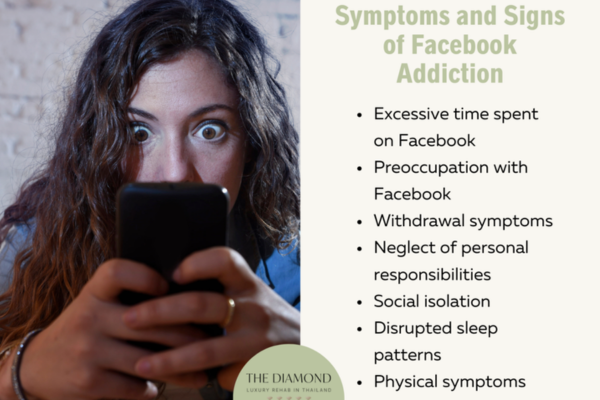
What are the risks of Facebook addiction and how can students manage screen time?

In today’s digital age, social media plays a central role in how we communicate, connect, and consume information. Among the many platforms available, Facebook remains one of the most widely used. With features such as messaging, news feeds, groups, pages, events, and videos, Facebook offers a rich and engaging user experience. However, this very engagement can lead to addictive behaviors, especially among students, who often find themselves balancing academics, social lives, and digital distractions.

This essay explores the risks associated with Facebook addiction, particularly for students, and provides practical strategies for managing screen time in order to maintain both mental well-being and academic performance. A real-life example will further illustrate how a balanced approach can be achieved.


1. Understanding Facebook Addiction

Facebook addiction refers to excessive use of the platform in a way that interferes with daily life, responsibilities, and well-being. Like other behavioral addictions, it involves:

  • Compulsive checking of notifications or updates
  • Anxiety when not using the platform
  • Prioritizing Facebook over academic or social responsibilities
  • Escaping real-world problems through virtual interaction

Although not formally classified as a clinical disorder by the DSM-5 (Diagnostic and Statistical Manual of Mental Disorders), Facebook addiction shares traits with internet and smartphone addiction. It often goes unnoticed because it is socially accepted and even encouraged in modern culture.


2. Risks of Facebook Addiction for Students

A. Academic Decline

One of the most immediate impacts of Facebook addiction among students is a decline in academic performance.

  • Time that should be spent studying or completing assignments is wasted scrolling through feeds.
  • Students often multitask, switching between Facebook and academic work, which reduces focus and productivity.
  • Procrastination becomes common, especially when Facebook is used as a way to avoid challenging tasks.

Studies have shown that students who spend more time on social media report lower GPA scores and academic satisfaction.


B. Disrupted Sleep Patterns

Facebook’s 24/7 accessibility means many students browse the app late into the night. This leads to:

  • Delayed bedtimes
  • Poor sleep quality
  • Fatigue and reduced concentration in classes or during study hours

Excessive screen time, especially before bed, also disrupts the body’s natural circadian rhythms, making it harder to fall asleep due to exposure to blue light from screens.


C. Increased Anxiety and Depression

Though Facebook connects people, it can also cause mental health challenges:

  • Comparison anxiety: Constant exposure to curated posts of peers’ achievements, vacations, or social activities can make students feel inadequate.
  • Fear of Missing Out (FOMO): Students may feel anxious if they think they are missing out on events, discussions, or trends.
  • Social validation dependence: Some become overly reliant on likes and comments for self-worth.

Over time, these factors contribute to feelings of low self-esteem, isolation, and even depression.


D. Social Disconnection

Ironically, while Facebook is designed to connect people, excessive use can cause real-world social disconnection:

  • Students may prefer chatting online rather than engaging in face-to-face conversations.
  • Group work, friendships, or family interactions may suffer.
  • In-class engagement and participation decline as students become absorbed in their screens.

E. Reduced Attention Span

The endless stream of short, bite-sized content—status updates, memes, videos—conditions the brain to expect constant novelty.

This leads to:

  • Difficulty sustaining attention during lectures or while reading.
  • A tendency to skim rather than read deeply.
  • Lower retention of information, which affects learning.

3. Signs That a Student May Be Addicted to Facebook

Some warning signs that Facebook use may be becoming problematic include:

  • Checking Facebook first thing in the morning and last thing at night.
  • Feeling anxious or irritated when unable to access Facebook.
  • Using Facebook during lectures, study time, or while doing homework.
  • Lying about or downplaying the amount of time spent online.
  • Prioritizing Facebook interactions over real-life relationships.

Awareness of these signs is the first step toward regaining control over screen time.


4. How Students Can Manage Facebook Screen Time

Despite these risks, Facebook is not inherently bad. When used responsibly, it can offer learning resources, social support, and entertainment. The key is balance and self-discipline.

Here are several strategies students can use to manage screen time effectively:


A. Set Specific Usage Limits

Using built-in smartphone tools like Screen Time (iOS) or Digital Wellbeing (Android), students can:

  • Set daily limits for Facebook.
  • Schedule “downtime” where the app becomes inaccessible.
  • Monitor weekly screen usage reports for awareness.

This helps students become more mindful of how much time they’re actually spending on the app.


B. Use Website and App Blockers

There are apps and browser extensions such as Freedom, StayFocusd, or Cold Turkey that block access to Facebook during designated study hours. These tools create distraction-free environments, encouraging students to focus on academic tasks.


C. Turn Off Non-Essential Notifications

Facebook sends constant alerts that can disrupt concentration. Students should:

  • Turn off notifications for likes, tags, and comments.
  • Keep only essential alerts, such as messages from study groups.
  • Mute group chats during study time.

This reduces the impulse to check the app every few minutes.


D. Schedule “Facebook-Free” Periods

Students can designate times of the day or specific days of the week as Facebook-free zones—for example:

  • No Facebook before breakfast
  • No Facebook after 9 PM
  • No Facebook on Sundays (a digital detox day)

Such boundaries help reestablish control and mindfulness over social media use.


E. Replace Facebook Time with Productive Alternatives

When students reduce their Facebook usage, they can redirect that time toward:

  • Reading books or articles
  • Taking a walk or exercising
  • Practicing hobbies or creative skills
  • Spending time with friends or family offline

This not only improves time management but also enhances mental well-being.


F. Join Academic or Positive Groups

Rather than quitting Facebook entirely, students can make their time on the platform more valuable by:

  • Joining educational groups related to their course.
  • Following pages that share motivational content or study tips.
  • Using Facebook for collaborative learning and discussions.

By curating their feed, students can reduce distractions and improve focus.


G. Seek Help If Necessary

If a student finds it difficult to limit their usage despite negative consequences, they may benefit from:

  • Talking to a school counselor or therapist
  • Joining a support group for digital addiction
  • Using guided meditation or mindfulness apps (like Headspace or Calm)

Professional support can provide strategies to build healthy tech habits.


5. Example: A College Student’s Experience

Priya, a 20-year-old college student, noticed her grades dropping and sleep quality declining during her sophomore year. She often stayed up late browsing Facebook, checking updates, and chatting with friends. Even during lectures, she found herself refreshing her feed.

After a semester of underperformance, she visited her academic advisor, who suggested she monitor her screen time. Priya discovered she was spending over 4 hours a day on Facebook.

She decided to make a change by:

  • Using the Screen Time feature to limit Facebook to 1 hour a day.
  • Turning off all Facebook notifications.
  • Blocking the app during study hours using StayFocusd.
  • Deleting the app from her phone temporarily and accessing it only via laptop.
  • Replacing late-night scrolling with reading and journaling.

Within weeks, she noticed a difference: better sleep, improved focus, and a return to academic success. She still used Facebook, but with intention and limits, allowing her to balance her digital and academic life.


Conclusion

Facebook is a powerful tool with many benefits—but like any powerful tool, it must be used wisely. For students, the risks of addiction include academic decline, mental health challenges, sleep disruption, and reduced real-world engagement. However, by adopting mindful habits and setting boundaries, students can take control of their screen time.

Instead of being passive users driven by algorithms and notifications, students can become intentional users, making Facebook work for them—not against them. In doing so, they reclaim not only their time but also their focus, mental health, and overall well-being.

What Are the Career Paths Available Through Affiliate Marketing?

Affiliate marketing, a performance-based strategy where individuals or businesses earn commissions by promoting products or services through unique tracking links, has evolved into a dynamic industry valued at over $16 billion globally in 2025. Its low entry barriers, flexibility, and potential for passive income make it an attractive career option for diverse professionals, from content creators to marketers and entrepreneurs. Affiliate marketing offers a range of career paths, allowing individuals to leverage their skills in content creation, digital marketing, data analysis, or business management to build sustainable careers. These paths vary in scope, responsibility, and income potential, catering to both beginners and seasoned professionals. This comprehensive explanation, spanning at least 1,200 words, will explore the primary career paths available through affiliate marketing, their requirements, benefits, and challenges, and provide a practical example to illustrate one such path in action.


Understanding Career Paths in Affiliate Marketing

A career path in affiliate marketing involves leveraging the ecosystem of promoting products or services to earn commissions, typically through blogs, social media, email, or paid ads. Unlike traditional jobs, affiliate marketing careers are often entrepreneurial, offering flexibility in work hours, location, and income potential. Key characteristics include:

  • Performance-Based Earnings: Income depends on conversions (e.g., sales, leads), not fixed salaries.
  • Skill-Driven Roles: Success requires skills in content creation, SEO, analytics, or advertising, which can be self-taught or professionally developed.
  • Scalability: Careers can start as side hustles and grow into full-time businesses or specialized roles within larger organizations.
  • Diverse Opportunities: Roles range from solo affiliates to agency managers or software developers serving the industry.

In 2025, advancements in AI tools (e.g., ChatGPT, SEMrush), mobile traffic (55% of web visits), and affiliate platforms (e.g., CJ Affiliate, ShareASale) have expanded career opportunities, making affiliate marketing accessible to individuals with varied backgrounds.


Primary Career Paths in Affiliate Marketing

Affiliate marketing offers several distinct career paths, each with unique responsibilities, skill requirements, and income potential. Below are the key paths:

1. Solo Affiliate Marketer

The most common entry point, solo affiliate marketers operate independently, promoting products through their own platforms.

  • Responsibilities: Create content (blogs, videos, social posts), drive traffic via SEO or ads, optimize campaigns, and track performance using tools like Voluum or Google Analytics.
  • Skills Needed: Content creation, SEO, social media marketing, basic analytics, and affiliate link management (e.g., ThirstyAffiliates).
  • Income Potential: $500–$10,000+ monthly, depending on niche, traffic, and conversion rates. Top affiliates earn six figures annually.
  • Platforms: Blogs, YouTube, Instagram, TikTok, or email lists.
  • Examples: Promoting Amazon products via a review blog or fitness gear on Instagram with affiliate links.

Benefits: Flexibility, low startup costs (e.g., $100 for hosting/domain), and passive income potential. Challenges: High competition, time-intensive content creation, and income volatility. Career Progression: Solo affiliates can scale into niche site owners, influencers, or agency founders.

2. Niche Site Owner

Niche site owners build websites focused on specific topics (e.g., outdoor gear, vegan recipes), monetizing through affiliate links.

  • Responsibilities: Develop SEO-optimized content, build backlinks, manage site performance, and diversify revenue with multiple affiliate programs (e.g., Amazon Associates, ShareASale).
  • Skills Needed: Advanced SEO (using SEMrush or Ahrefs), content strategy, web development (e.g., WordPress), and analytics.
  • Income Potential: $1,000–$50,000+ monthly, with top sites earning six or seven figures annually via passive traffic.
  • Examples: A site like “BestCampingGear.com” reviewing tents with affiliate links to REI or Amazon.

Benefits: Scalable, passive income after initial setup, and potential to sell sites for 20–40x monthly revenue (e.g., $240,000 for a $10,000/month site). Challenges: Requires significant upfront effort (6–12 months to rank), SEO algorithm risks, and ongoing content updates. Career Progression: Owners can manage multiple sites, consult on SEO, or transition to affiliate network roles.

3. Social Media Influencer Affiliate

Influencers with engaged followings on platforms like Instagram, TikTok, or YouTube use affiliate marketing to monetize their audience.

  • Responsibilities: Create engaging content (Reels, videos), embed affiliate links or codes, disclose partnerships (#ad), and track performance via platforms like LTK or MagicLinks.
  • Skills Needed: Content creation, video editing, audience engagement, and platform-specific marketing (e.g., TikTok trends).
  • Income Potential: $1,000–$100,000+ monthly, depending on follower count and niche. Micro-influencers (10,000–50,000 followers) earn $1,000–$5,000.
  • Examples: A fitness influencer promoting protein powder with a discount code on Instagram Stories.

Benefits: Leverages existing audiences, high engagement rates (5–10% vs. 2% for blogs), and brand partnerships. Challenges: Platform algorithm changes, disclosure compliance, and audience fatigue from over-promotion. Career Progression: Influencers can become brand ambassadors, launch their own products, or manage affiliate campaigns for others.

4. Affiliate Marketing Agency Owner

Agency owners manage affiliate campaigns for merchants or other affiliates, offering services like content creation, SEO, or ad management.

  • Responsibilities: Develop strategies, oversee content production, optimize campaigns, and report performance to clients using tools like Scaleo or Impact.
  • Skills Needed: Digital marketing, project management, client relations, and advanced analytics.
  • Income Potential: $10,000–$100,000+ monthly, depending on client volume and retainer fees ($2,000–$10,000 per client).
  • Examples: An agency managing affiliate programs for a fitness brand, optimizing blogs and Instagram campaigns.

Benefits: High earnings, scalable with team growth, and diversified revenue from multiple clients. Challenges: High operational costs (e.g., staff salaries), client acquisition, and managing complex campaigns. Career Progression: Agency owners can consult, develop software, or partner with affiliate networks.

5. Affiliate Network Manager

Network managers work for affiliate platforms (e.g., CJ Affiliate, ShareASale), connecting merchants with affiliates and overseeing programs.

  • Responsibilities: Recruit affiliates, negotiate commissions, monitor compliance, and optimize program performance using network dashboards.
  • Skills Needed: Business development, relationship management, analytics, and knowledge of affiliate marketing trends.
  • Income Potential: $50,000–$150,000 annually (salaried), with bonuses for high-performing programs.
  • Examples: A manager at Impact onboarding a new merchant and recruiting 100 affiliates for their program.

Benefits: Stable income, industry exposure, and networking opportunities. Challenges: High-pressure targets, managing disputes, and staying updated on regulations (e.g., FTC, GDPR). Career Progression: Managers can become directors, consultants, or launch their own networks.

6. Affiliate Marketing Consultant

Consultants provide expertise to affiliates, merchants, or agencies, helping optimize campaigns or launch programs.

  • Responsibilities: Audit campaigns, recommend strategies (e.g., SEO, ad spend), train clients, and analyze performance using tools like Voluum or SEMrush.
  • Skills Needed: Deep industry knowledge, analytics, communication, and strategic planning.
  • Income Potential: $5,000–$50,000+ monthly, with hourly rates of $100–$500 or retainers of $2,000–$10,000.
  • Examples: A consultant advising a local gym on an affiliate program to drive memberships.

Benefits: High hourly rates, flexible hours, and diverse clients. Challenges: Building a reputation, staying current with trends, and client dependency. Career Progression: Consultants can write books, create courses, or join affiliate networks in senior roles.

7. Affiliate Marketing Software Developer

Developers create tools or platforms for affiliates, merchants, or networks, addressing needs like tracking, automation, or analytics.

  • Responsibilities: Build software (e.g., link trackers, analytics dashboards), integrate APIs (e.g., Amazon Associates), and ensure scalability.
  • Skills Needed: Programming (e.g., Python, JavaScript), API integration, UI/UX design, and affiliate marketing knowledge.
  • Income Potential: $80,000–$200,000+ annually (salaried) or $10,000–$100,000+ monthly for SaaS products (e.g., $99/month subscriptions).
  • Examples: Developing a WordPress plugin like ThirstyAffiliates for link cloaking.

Benefits: High demand, recurring revenue from subscriptions, and industry impact. Challenges: Technical complexity, competition with established tools, and ongoing maintenance. Career Progression: Developers can launch SaaS companies, consult, or join tech firms.

8. Affiliate Marketing Educator or Course Creator

Educators teach aspiring affiliates through courses, webinars, or coaching, monetizing their expertise.

  • Responsibilities: Create content (videos, eBooks), market courses, and mentor students using platforms like Teachable or Kajabi.
  • Skills Needed: Teaching, content creation, marketing, and proven affiliate success.
  • Income Potential: $2,000–$50,000+ monthly, with courses priced at $100–$2,000 and thousands of students.
  • Examples: A YouTuber selling a $500 course on “How to Earn $10,000/Month with Affiliate Marketing.”

Benefits: Passive income, personal brand growth, and community impact. Challenges: High competition, time-intensive content creation, and maintaining credibility. Career Progression: Educators can write books, speak at conferences, or consult.


Benefits of Affiliate Marketing Careers

  1. Flexibility: Work remotely, set own hours, and choose niches aligning with interests.
  2. Low Entry Barriers: Start with minimal investment (e.g., $100 for a blog) and self-taught skills.
  3. Scalability: Grow from side hustle to full-time business or specialized role.
  4. Passive Income: Evergreen content (e.g., blogs, YouTube videos) generates ongoing commissions.
  5. Diverse Opportunities: Roles suit various skills, from creative to technical.

Challenges Across Career Paths

  1. Competition: High competition in popular niches (e.g., tech, health) requires unique content.
  2. Income Volatility: Earnings fluctuate based on traffic, conversions, or program changes.
  3. Learning Curve: Mastering SEO, ads, or analytics takes time and effort.
  4. Regulatory Compliance: FTC disclosures and GDPR consent are mandatory, risking penalties if ignored.
  5. Platform Risks: Algorithm changes (e.g., Google, Instagram) or program terminations can disrupt income.

Mitigation: Diversify niches, use analytics tools, stay compliant, and continuously learn.


Example of a Career Path: Solo Affiliate Marketer to Niche Site Owner

Scenario

Liam, a 25-year-old marketing graduate, starts as a solo affiliate marketer in 2023, aiming to build a career in affiliate marketing. He transitions into a niche site owner by 2025, scaling his income and establishing a sustainable business.

Step 1: Starting as a Solo Affiliate Marketer

Liam launches a blog, “TechTrove,” focusing on productivity software, with a $100 investment (domain, hosting). He joins the Amazon Associates and CJ Affiliate programs, promoting tools like “PlanEasy,” a task management app, earning $30 per sign-up. Liam:

  • Creates blog posts (e.g., “PlanEasy Review: Best Task Manager for 2025”) using ChatGPT for outlines and Grammarly for polishing.
  • Promotes on Instagram with Reels, embedding affiliate links via ThirstyAffiliates and disclosing with #ad.
  • Drives traffic via SEO (using SEMrush for keywords like “best task manager”) and $200/month in Facebook Ads, tracked with Voluum.

After six months, Liam earns $1,000/month from 30 PlanEasy sign-ups, working 20 hours weekly while maintaining a part-time job.

Step 2: Transition to Niche Site Owner

In 2024, Liam scales TechTrove into a niche site, aiming for passive income. He:

  • Expands content to 50 articles, covering tools like Trello, Asana, and Notion, using Ahrefs to build backlinks and rank for “productivity software reviews.”
  • Hires a freelance writer ($500/month) to produce content, freeing time for strategy.
  • Diversifies programs, joining ShareASale for additional software affiliates, increasing average commissions to $50 per conversion.
  • Optimizes for voice search with Yoast SEO, targeting “What’s the best task management app?” to capture featured snippets.
  • Builds an email list with OptinMonster and ConvertKit, sending affiliate promotions to 5,000 subscribers.

By mid-2024, TechTrove attracts 10,000 monthly visitors, generating $5,000/month from 100 conversions, allowing Liam to quit his job.

Step 3: Scaling the Niche Site

In 2025, Liam professionalizes TechTrove:

  • Invests $2,000 in Thrive Architect for a mobile-optimized site, reducing bounce rates from 50% to 25%.
  • Uses Scaleo to manage multiple affiliate programs, tracking $10,000/month in revenue.
  • Creates a YouTube channel with tutorials (e.g., “How to Use PlanEasy”), embedding affiliate links, adding $2,000/month.
  • Sells TechTrove for $240,000 (30x monthly revenue of $8,000) to a media company, reinvesting in a new niche site, “FitVibes,” for fitness gear.

Outcomes

  • Income Growth: Liam scales from $1,000/month (solo affiliate) to $8,000/month (niche site owner), with a $240,000 exit.
  • Skill Development: Masters SEO, content strategy, analytics, and email marketing, enhancing employability.
  • Flexibility: Works remotely, traveling while managing his sites.
  • Future Path: Plans to become a consultant, charging $200/hour to help businesses launch affiliate programs.

Why This Example Matters

Liam’s journey from solo affiliate to niche site owner illustrates the scalability and flexibility of affiliate marketing careers. By leveraging tools like ChatGPT, SEMrush, Thrive Architect, and Scaleo, he builds a sustainable business, transitioning from active content creation to passive income and an eventual exit. His path highlights the potential to grow skills, income, and opportunities within the industry.


Conclusion

Affiliate marketing in 2025 offers diverse career paths—solo affiliate marketer, niche site owner, influencer, agency owner, network manager, consultant, software developer, and educator—catering to varied skills and ambitions. These paths provide flexibility, scalability, and income potential, from $500/month side hustles to seven-figure businesses, in a $16 billion industry. While challenges like competition, volatility, and compliance exist, strategic use of tools (e.g., Voluum, ConvertKit) and continuous learning mitigate risks. Liam’s example demonstrates how a solo affiliate can evolve into a niche site owner, scaling income and skills while leveraging AI, SEO, and analytics. As mobile traffic, voice search, and AI reshape the industry, affiliate marketing careers offer unparalleled opportunities for those willing to invest time, effort, and creativity, paving the way for entrepreneurial success.

What is Email Marketing and How Does It Work?

Introduction

Email marketing is one of the most powerful and cost-effective tools in digital marketing. It allows businesses, entrepreneurs, and even students to communicate directly with their audience, promote products or services, build relationships, and drive conversions. Despite the rise of social media and instant messaging platforms, email remains a crucial communication channel, particularly for marketing purposes.

This article explains what email marketing is, how it works, and provides a practical example to illustrate its use and effectiveness.


1. What is Email Marketing?

Email marketing is a digital marketing strategy that involves sending emails to a group of people to promote products, share information, nurture relationships, or encourage specific actions like buying, signing up, or clicking a link.

At its core, email marketing involves sending valuable content to subscribers who have willingly provided their email addresses, usually in exchange for a benefit like updates, offers, a free download, or a newsletter.

Key Objectives of Email Marketing:

  • Promote products or services.

  • Increase brand awareness.

  • Inform and educate the audience.

  • Nurture leads into paying customers.

  • Retain existing customers through loyalty campaigns.

  • Drive traffic to websites or landing pages.


2. Why is Email Marketing Important?

Email marketing offers numerous advantages, especially for small businesses, students, content creators, and affiliate marketers:

  • High Return on Investment (ROI): According to a report by Litmus, the average ROI for email marketing is $36 for every $1 spent.

  • Direct Communication: Unlike social media where algorithms control visibility, email goes straight to the user’s inbox.

  • Personalization: Emails can be customized based on user interests, behavior, and purchase history.

  • Automation: Entire campaigns can be set to run automatically based on user actions.

  • Measurable Results: Tools like open rates, click-through rates, and conversion tracking help measure success.


3. How Does Email Marketing Work?

To understand how email marketing works, let’s break it down into several steps or components:

Step 1: Build an Email List

You can’t do email marketing without an audience. The first step is collecting email addresses from people interested in your niche, product, or service. This is usually done using lead magnets such as:

  • Free eBooks or downloadable resources.

  • Exclusive discounts or coupons.

  • Access to webinars or training.

  • Contests and giveaways.

How to Collect Emails:

  • Add opt-in forms to your website or blog.

  • Use pop-up boxes or landing pages.

  • Collect emails through social media or YouTube descriptions.

  • Ask website visitors to subscribe to your newsletter.

Important: Always use permission-based email collection to comply with privacy laws like GDPR and CAN-SPAM Act.


Step 2: Choose an Email Marketing Platform

Email marketing software helps you send, manage, and automate emails. Popular platforms include:

  • Mailchimp (beginner-friendly)

  • ConvertKit (ideal for creators)

  • Sendinblue

  • ActiveCampaign

  • GetResponse

These platforms offer tools such as:

  • Drag-and-drop email builders.

  • Subscriber segmentation.

  • Automation workflows.

  • Analytics and reporting.

  • Pre-designed templates.


Step 3: Segment Your Audience

Segmentation means dividing your email list into smaller groups based on specific criteria such as:

  • Interests or purchase behavior.

  • Location.

  • Age or profession.

  • How they joined your list.

For example, if you’re running a blog about travel, you might segment users into:

  • Backpackers

  • Luxury travelers

  • Family vacationers

Why Segment? Because personalized emails perform better. Studies show that segmented campaigns get 14.31% more opens and 100.95% more clicks than non-segmented campaigns.


Step 4: Create Compelling Email Content

Your emails must be engaging and relevant. A typical email contains:

  • Subject Line: The first thing the recipient sees — must be catchy and informative.

  • Preheader Text: A brief summary that appears next to the subject.

  • Header: The main heading inside the email.

  • Body Content: The actual message. It may contain images, text, videos, or links.

  • Call to Action (CTA): What you want the reader to do (click a button, read an article, make a purchase, etc.)

Types of Emails You Can Send:

  • Welcome emails

  • Promotional emails

  • Newsletters

  • Educational content (how-to guides, tips)

  • Transactional emails (invoices, order confirmations)

  • Re-engagement emails


Step 5: Automate Email Campaigns

Automation allows you to send emails based on specific triggers. For example:

  • A welcome email series sent after someone subscribes.

  • A reminder email if someone abandons their shopping cart.

  • A follow-up email after a purchase.

This makes email marketing efficient and scalable. Tools like ConvertKit and ActiveCampaign specialize in building complex email automation sequences.


Step 6: Analyze and Optimize

Every good email marketing campaign ends with performance analysis. You can track metrics like:

  • Open rate: Percentage of recipients who opened the email.

  • Click-through rate (CTR): Percentage of recipients who clicked on a link.

  • Conversion rate: How many completed the desired action (e.g., purchased something).

  • Unsubscribe rate: How many opted out.

Use this data to improve future campaigns by:

  • A/B testing subject lines or content.

  • Sending at optimal times.

  • Rewriting low-performing CTAs.


Benefits of Email Marketing

Let’s summarize some of the primary advantages:

Benefit Explanation
Cost-effective Low-cost compared to other channels
Easy to start Many free tools are available for beginners
Customizable Design emails to match your brand
Highly targeted Segment audiences for precision
Trackable results Real-time analytics and data
Builds relationships Regular communication nurtures trust
Drives conversions Emails with CTA buttons can directly lead to sales

Real-Life Example: Using Email Marketing for Affiliate Sales

Meet Rahul – A Student Affiliate Marketer

Rahul, a college student, runs a blog on productivity tools for students. He writes reviews and tutorials about time management apps, note-taking tools, and educational platforms.

Here’s how Rahul uses email marketing effectively:

1. Building His List

Rahul offers a free downloadable resource on his blog titled “Top 10 Study Tools Every Student Should Use”. To download it, visitors must enter their name and email.

2. Welcome Series

When someone subscribes, they receive a series of 3 automated emails:

  • Email 1 (Immediately): Welcome and download link.

  • Email 2 (Day 2): Tips on using productivity apps effectively.

  • Email 3 (Day 4): A review of his favorite tool with an affiliate link.

3. Weekly Newsletters

Every week, Rahul sends a newsletter with:

  • A link to his latest blog post.

  • Discount offers from affiliate partners.

  • A short motivational tip for students.

4. Affiliate Promotion Campaigns

Once a month, Rahul runs a dedicated campaign around a single product. For example, promoting a premium version of an app like Notion, which offers student discounts. His email:

  • Highlights the benefits of the app.

  • Shares a personal success story.

  • Includes an affiliate link.

5. Result

After 6 months:

  • He grew his email list to 2,500 subscribers.

  • His average open rate is 32%.

  • He earns ₹12,000–₹15,000/month through affiliate links clicked from his emails.


Conclusion

Email marketing is a highly effective and affordable strategy to connect with your audience, build long-term relationships, and drive engagement or sales. For students, bloggers, content creators, or businesses, email remains an essential tool to grow influence, monetize content, and communicate value directly.

The process starts with building a quality list, choosing the right platform, crafting relevant and engaging emails, and continuously optimizing based on analytics. Through tools like automation, segmentation, and personalized content, email marketing becomes not just a channel — but a smart, scalable system for building a sustainable digital business.

As the example of Rahul shows, even a student with a small website and limited time can use email marketing to generate consistent income, build authority, and support career growth. All it takes is consistency, creativity, and a willingness to learn.

How to Become a Digital Marketing Specialist

Digital marketing is one of the fastest-growing fields today. Many people are interested in building a career in digital marketing, and becoming a digital...

What is SMM in Digital Marketing

SMM, or Social Media Marketing, is one of the most important parts of digital marketing. In simple words, SMM is the process of using...

What is Google Analytics in Digital Marketing

Google Analytics is one of the most important tools in digital marketing. It helps businesses understand how people interact with their websites and online...

What is Google AdWords in Digital Marketing

Google AdWords is one of the most important tools in digital marketing. Many businesses use AdWords to reach their target audience online and increase...

What Is CPM in Digital Marketing

In digital marketing, understanding how your ads are priced and measured is very important. Different advertising models help marketers track performance and control spending....