Home Blog Page 45

How Can Students Prepare for a Future in Affiliate Marketing?

Affiliate marketing has become one of the most accessible and lucrative ways to earn income online. With minimal investment and the right strategies, individuals can generate substantial revenue by promoting products or services and earning commissions on resulting sales. For students, affiliate marketing presents a flexible and practical career opportunity. Not only can it be started with little capital, but it also teaches valuable skills like digital marketing, SEO, content creation, and data analytics.

This article explores how students can prepare effectively for a future in affiliate marketing, covering foundational skills, tools, strategies, and an appropriate real-life example.


1. Understanding What Affiliate Marketing Is

Before diving into affiliate marketing, students must thoroughly understand what it entails. Affiliate marketing is a performance-based marketing model where affiliates (publishers) promote products or services through unique affiliate links. When someone clicks the link and makes a purchase, the affiliate earns a commission.

There are four main parties involved:

  • Merchant/Advertiser: The company that creates the product (e.g., Amazon, Bluehost).

  • Affiliate/Publisher: The individual or entity promoting the product (e.g., a student blogger).

  • Affiliate Network: A platform that connects merchants with affiliates (e.g., ShareASale, CJ Affiliate).

  • Customer: The end-user who purchases through the affiliate link.

Action Step: Students should read basic guides on affiliate marketing from trusted sources like Neil Patel, HubSpot, or platforms like Coursera and Udemy.


2. Choosing a Profitable Niche

Selecting a niche is crucial for affiliate marketing success. A niche is a specific topic or market area students will focus on. This could range from health and fitness to tech gadgets, student lifestyle, or books.

Criteria for a good niche:

  • Interest and Passion: You’ll spend time creating content, so choose something you enjoy.

  • Audience Demand: Is there a substantial target audience?

  • Affiliate Opportunities: Are there enough products/services to promote?

  • Monetization Potential: Are the commissions high enough to be worth your time?

Example: A student interested in personal finance might choose “student budgeting” as a niche. They can promote budgeting apps, financial literacy books, or student bank accounts.


3. Building a Personal Brand and Online Presence

In the digital world, your brand is your reputation. Students should start building their personal brand by creating a consistent identity across social media platforms and websites.

Steps to build your brand:

  • Create a blog or website: Use WordPress or Wix to create a blog around your niche.

  • Develop a logo and tagline: Make it memorable and relevant to your content.

  • Set up social media pages: Create accounts on Instagram, YouTube, and LinkedIn.

  • Consistency is key: Post regularly, maintain a uniform tone, and engage with your audience.

Tip: Use your blog or YouTube channel to share helpful, informative content. Avoid hard selling — the goal is to earn trust.


4. Learning SEO (Search Engine Optimization)

SEO is one of the most critical skills in affiliate marketing. It determines how well your content ranks on search engines like Google. Good SEO brings in organic (free) traffic.

Key SEO concepts to learn:

  • Keyword research: Using tools like Ubersuggest, SEMrush, or Google Keyword Planner.

  • On-page SEO: Optimizing content, titles, URLs, and images.

  • Off-page SEO: Getting backlinks from other sites.

  • Technical SEO: Ensuring your website loads fast, is mobile-friendly, and has good structure.

Action Step: Enroll in free SEO courses on platforms like HubSpot Academy or Google’s Digital Garage.


5. Mastering Content Creation

Affiliate marketing is fueled by content. Whether it’s blog articles, videos, Instagram posts, or email newsletters, your content needs to attract, engage, and convert.

Types of content that work well:

  • Product reviews

  • Comparison guides

  • How-to tutorials

  • Listicles (e.g., “Top 10 Budget Laptops for Students”)

  • Unboxing or demo videos

Students should learn to write compelling, SEO-friendly content and use storytelling to connect with their audience.

Tip: Use tools like Grammarly, Hemingway App, or ChatGPT to refine your content.


6. Understanding Affiliate Platforms and Networks

Students must familiarize themselves with various affiliate networks that offer access to affiliate programs. Each platform has different products, commission structures, and tools.

Popular Affiliate Networks:

  • Amazon Associates: Good for beginners; low commission but a wide product range.

  • ClickBank: Specializes in digital products.

  • ShareASale: Offers products from various industries.

  • Rakuten Marketing: Works with major brands.

  • CJ Affiliate (Commission Junction): Advanced platform for professionals.

Action Step: Sign up with one or two networks and explore their dashboards.


7. Learning Analytics and Tracking Performance

Being data-driven is essential for success in affiliate marketing. Students should learn how to track traffic, click-through rates (CTR), conversion rates, and commissions.

Tools to use:

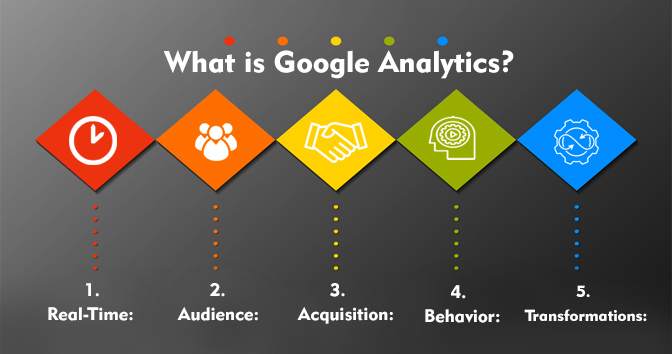
  • Google Analytics: Monitor traffic sources, bounce rate, and user behavior.

  • Affiliate dashboards: Each platform shows performance data.

  • Link shorteners and trackers: Bitly, Pretty Links, or ThirstyAffiliates.

Goal: Understand what content performs best, which sources generate traffic, and how users behave on your site.


8. Using Email Marketing

Email marketing allows students to nurture their audience and promote affiliate products effectively. Start by offering a freebie (like an ebook or checklist) in exchange for email sign-ups.

Steps to start email marketing:

  • Use platforms like Mailchimp, ConvertKit, or GetResponse.

  • Create an opt-in form on your website or blog.

  • Send regular newsletters with tips, updates, and product recommendations.

Tip: Do not spam. Focus on adding value in every email.


9. Staying Updated with Industry Trends

The digital marketing world evolves rapidly. Students must stay informed about changes in algorithms, new affiliate programs, and evolving consumer behavior.

Resources to follow:

  • Blogs: Neil Patel, Backlinko, Smart Passive Income.

  • Podcasts: “The Smart Passive Income Podcast” by Pat Flynn.

  • YouTube Channels: Miles Beckler, Income School, and Project Life Mastery.

  • Facebook Groups/Reddit Threads: Join affiliate marketing communities to learn and ask questions.


10. Compliance and Ethics

It’s essential for students to follow legal and ethical standards in affiliate marketing.

Key practices:

  • Disclose affiliate links: Use statements like “This post contains affiliate links. I may earn a commission at no extra cost to you.”

  • Avoid spammy behavior: Don’t mislead users or use clickbait.

  • Respect platform rules: Follow the terms of platforms like YouTube, Instagram, and Facebook.

Tip: Read the FTC (Federal Trade Commission) guidelines on affiliate disclosures.


11. Time Management and Goal Setting

Balancing studies and affiliate marketing can be challenging. Students should develop strong time management skills and set realistic goals.

How to manage time:

  • Allocate specific hours weekly for content creation, SEO, and analytics.

  • Use tools like Trello or Notion to plan and track tasks.

  • Set SMART goals (Specific, Measurable, Achievable, Relevant, Time-bound).

Example Goal: “Publish 4 blog posts this month targeting student finance keywords.”


Example: Meet Priya – A College Student Affiliate Marketer

Priya, a 20-year-old commerce student in India, became interested in affiliate marketing during the COVID lockdown. She started a blog titled “Budget Buddy: Finance Tips for Students”. Her niche was student finance and money-saving tips.

Here’s how she prepared:

  • She took a free SEO course from Google and followed blogs like Backlinko.

  • She built her WordPress site using a free theme and integrated Google Analytics.

  • She joined the Amazon Associates program and promoted budget books, stationery, and laptop accessories.

  • She wrote regular blog posts like “Top 5 Budgeting Apps for Students” and “Best Budget Laptops under ₹30,000.”

  • On Instagram, she posted infographics and reels summarizing her blog content.

  • Within six months, she built an email list of 1,000 subscribers using a free ebook: “Student Guide to Budgeting.”

  • In a year, she was earning ₹20,000–₹30,000 per month in affiliate commissions, which helped pay for her tuition.

Today, Priya continues to grow her brand, has partnered with fintech startups, and is even mentoring other students on how to start affiliate marketing.


Conclusion

Affiliate marketing is not just a side hustle — it can be a full-fledged career with the right foundation. For students, it’s an excellent opportunity to earn, learn, and build digital skills that are invaluable in today’s economy. With proper preparation — choosing a niche, building a personal brand, learning SEO and content creation, analyzing performance, and staying ethical — students can set themselves up for long-term success in affiliate marketing.

By starting early and being consistent, students can not only supplement their income but also create a brand that grows with them through college and beyond. As in Priya’s case, affiliate marketing can be more than just an income stream — it can be the stepping stone to entrepreneurial success.

How has Facebook influenced politics and public opinion?

Since its founding in 2004, Facebook has grown into one of the most powerful platforms for communication and information sharing in the world. With billions of active users globally, Facebook’s influence reaches nearly every corner of society—including politics and public opinion. Its role in shaping political discourse, campaigning, activism, and even misinformation has sparked both praise and criticism. While it provides tools for democratic engagement and free expression, it also presents serious challenges around manipulation, polarization, and misinformation.

This essay explores how Facebook has influenced politics and public opinion, looking at the positive and negative impacts, the mechanisms that make its influence possible, and includes an appropriate real-world example to illustrate its power and consequences.


1. Facebook as a Political Platform

Originally designed as a social networking site, Facebook has evolved into a powerful tool for political communication. Politicians, parties, activists, advocacy groups, and even ordinary citizens now use the platform to:

  • Share political messages
  • Organize events or protests
  • Fundraise
  • Target and reach voters
  • Debate public issues
  • Spread news and information

The key reason Facebook holds so much political power is due to its massive audience, engagement-based algorithm, and targeted advertising system.


2. The Positive Influence of Facebook on Politics

A. Democratizing Political Participation

Facebook has helped level the playing field in political discourse. Previously, only wealthy or well-connected individuals had access to large audiences. Now, anyone with a Facebook account can share a political opinion, organize a campaign, or reach others with a message.

  • Grassroots activism has flourished on Facebook.
  • Social movements like Black Lives Matter and the Arab Spring used Facebook to gain momentum.
  • Marginalized communities gained a platform to voice concerns that were historically ignored.

B. Enhanced Political Engagement

Facebook has made it easier for users to:

  • Stay updated on current events
  • Learn about candidates and their platforms
  • Discuss issues with friends and family
  • Participate in campaigns or causes
  • Register to vote (Facebook has supported voter drives)

This increased accessibility contributes to greater civic awareness and more informed citizens, especially among younger users.

C. Cost-Effective Campaigning

Political candidates and organizations can use Facebook to:

  • Run targeted ads at low cost
  • Share campaign videos and updates
  • Interact directly with supporters through live Q&As and comments

This has reduced dependency on traditional, expensive forms of media (TV, radio, print), giving newcomers or outsider candidates a better chance to compete.


3. The Negative Influence of Facebook on Politics

Despite its positive contributions, Facebook has also been criticized for enabling misinformation, manipulation, and polarization in politics.

A. Spread of Misinformation and Fake News

One of the most troubling issues is Facebook’s role in spreading false or misleading information, especially during election cycles.

  • Fake news articles often receive high engagement.
  • Satirical or deliberately false content is shared widely without verification.
  • Facebook’s algorithm favors sensational content, which increases the spread of emotionally charged misinformation.

This can confuse voters, distort public debate, and influence election outcomes.

B. Algorithmic Echo Chambers and Polarization

Facebook’s algorithm is designed to show users content they are most likely to engage with—often content that reinforces their existing beliefs. This creates “echo chambers” where users:

  • See only like-minded perspectives
  • Are rarely exposed to opposing views
  • Become more ideologically isolated

This leads to political polarization and tribalism, reducing the space for balanced discussion or compromise.

C. Foreign Interference and Manipulation

Perhaps one of the most alarming uses of Facebook in politics is foreign influence operations. State-sponsored actors have used Facebook to:

  • Spread propaganda
  • Amplify divisive content
  • Disrupt democratic processes

For example, in 2016, Russian operatives used fake Facebook accounts, pages, and ads to interfere with the U.S. presidential election, inflaming tensions around race, immigration, and religion.

D. Lack of Transparency in Political Advertising

Facebook allows highly targeted political ads, but critics argue:

  • Ads can be micro-targeted to specific individuals based on private data
  • They often lack public scrutiny, unlike traditional ads on TV or print
  • Fact-checking is not consistently enforced on political content

This raises ethical concerns about manipulation and accountability, as different voters may receive completely different messages from the same candidate.


4. Facebook’s Response to Criticism

In response to mounting pressure and scandals, Facebook has taken some steps to address its role in politics:

  • Launched the Facebook Ad Library: This tool allows users to see all active political ads and who paid for them.
  • Partnered with fact-checkers to label and reduce the spread of false information.
  • Took down fake accounts and pages tied to coordinated inauthentic behavior.
  • Added “Why am I seeing this ad?” tools for transparency.

However, critics argue that these measures are insufficient, inconsistently applied, and often reactive rather than proactive.


5. Real-World Example: The 2016 U.S. Presidential Election

Perhaps the most prominent example of Facebook’s influence on politics is its role in the 2016 U.S. election, which resulted in Donald Trump’s victory. Multiple factors highlighted Facebook’s political power:

A. Cambridge Analytica Scandal

  • Data from up to 87 million Facebook users was harvested without consent via a personality quiz app.
  • The data was used by Cambridge Analytica, a political consulting firm, to build psychological profiles of voters.
  • These profiles were used to deliver microtargeted political ads aimed at influencing voting behavior.

This scandal exposed:

  • Weaknesses in Facebook’s data protection policies
  • The potential for psychological manipulation through data
  • The ability to influence elections without voter awareness

B. Russian Interference

  • The Internet Research Agency (IRA), a Russian organization, used Facebook to create fake pages and spread divisive content.
  • They organized events, purchased ads, and posted inflammatory memes.
  • Their goal was to sow discord, suppress voter turnout, and amplify extremist views.

These operations reached millions of Americans, demonstrating how Facebook’s vast reach and lax oversight made it an ideal tool for foreign election interference.


6. Facebook and Political Activism

While often criticized in electoral contexts, Facebook has also been instrumental in activism and mobilization:

  • Arab Spring (2010–2012): Protesters in Tunisia, Egypt, and beyond used Facebook to organize demonstrations, spread information, and document human rights abuses. It played a major role in the coordination of political revolutions.
  • Black Lives Matter: Facebook allowed activists to mobilize, share live videos of police violence, and coordinate protests across the U.S. and globally.

These movements underscore Facebook’s role as a tool for social change, not just electoral politics.


7. Global Implications and Regulation

Facebook’s political impact is not limited to the U.S. In countries like India, Brazil, Myanmar, and the Philippines, Facebook is a dominant media platform—and often the primary source of news.

In some cases, this has led to:

  • Disinformation during elections
  • Incitement of violence (e.g., the Rohingya crisis in Myanmar)
  • Manipulation by authoritarian regimes

This global reach has prompted governments and organizations to call for stronger regulation of Facebook, including:

  • Transparency in political ads
  • Limits on data collection
  • Stronger content moderation policies
  • Independent oversight boards

8. Balancing Free Speech and Responsibility

One of the key ethical debates around Facebook and politics involves the tension between:

  • Free expression: Should everyone be allowed to voice political opinions, even if unpopular or controversial?
  • Harm prevention: Should Facebook intervene when content causes real-world harm, incites violence, or spreads falsehoods?

This debate is ongoing, and the balance between openness and safeguards remains a central challenge for Facebook.


Conclusion

Facebook has dramatically transformed the political landscape and the way public opinion is shaped. By providing a space for communication, organizing, and engagement, it has empowered voices that may have otherwise gone unheard. At the same time, its business model and algorithmic structure have created serious vulnerabilities—ranging from misinformation to foreign interference to political polarization.

The 2016 U.S. election, the Arab Spring, and global movements like Black Lives Matter all demonstrate the platform’s immense power and potential. Yet they also serve as cautionary tales of what happens when that power is misused, underregulated, or left unchecked.

As Facebook continues to play a central role in global politics, it must balance innovation with ethical responsibility, transparency, and accountability. And as citizens, users, and policymakers, we must critically engage with how this technology shapes the world around us—and demand that it be used for the public good.

How do you select keywords for a campaign?

Introduction to Keyword Selection

In digital marketing, selecting the right keywords is the foundation of a successful advertising campaign. Whether you’re using Google Ads, Bing Ads, or advertising on Amazon, YouTube, or social media platforms, the process of keyword selection determines how well your ads perform, how relevant they are to your audience, and ultimately, how profitable your campaign becomes.

Keywords are the phrases or terms that users type into a search engine when looking for information, products, or services. In the context of a paid search campaign, targeting the right keywords ensures your ads appear in front of the right people at the right time.

Keyword selection isn’t just about choosing words; it’s a strategic process that involves understanding the target audience, market trends, competition, search intent, and your campaign’s goals. Let’s explore in detail how to select keywords for a campaign.

1. Understand Your Business Goals and Target Audience

Before diving into tools and techniques, it’s essential to clearly define your business objectives. Ask:

  • What is the goal of this campaign?

    • Increase website traffic?

    • Generate leads?

    • Promote a specific product?

    • Increase brand visibility?

  • Who is your target audience?

    • Demographics (age, gender, location)

    • Interests and behaviors

    • Buying habits

When you understand your audience, you can predict what they’re likely to search for. For instance, if you’re selling premium fitness gear to professionals aged 25–40, your keywords will differ from those targeting college students looking for budget gear.

2. Brainstorm a Seed Keyword List

Start by listing the core terms related to your business. These are your seed keywords—basic terms that describe your product, service, or offering.

Example: Let’s say your business sells handcrafted metal wall art (like Lazoro).

Seed keywords might include:

  • Metal wall art

  • Decorative wall decor

  • Handmade wall art

  • Custom metal artwork

  • Wall sculptures

At this stage, you’re not filtering anything—just generating ideas based on what your audience might type into Google.

3. Expand Using Keyword Research Tools

Once you have your seed list, it’s time to expand it using keyword research tools. These tools suggest related phrases, synonyms, long-tail variations, and commonly searched terms.

Popular tools include:

  • Google Keyword Planner

  • SEMrush

  • Ahrefs Keywords Explorer

  • Ubersuggest

  • Moz Keyword Explorer

  • AnswerThePublic

Using these tools, you can find:

  • Search Volume (how many times a keyword is searched per month)

  • Competition Level (how difficult it is to rank or bid for the keyword)

  • CPC (Cost Per Click) (average cost per ad click)

  • Trends (seasonal or recent changes in keyword popularity)

For example, you might discover:

  • “Modern metal wall art” – 5,400 monthly searches, medium competition

  • “Customized wall decor” – 1,200 monthly searches, low competition

  • “Buy abstract metal sculpture online” – 720 monthly searches, low competition

These insights help you understand which terms are worth targeting based on your goals and budget.


4. Understand Keyword Intent

Not all keywords are equal. Understanding search intent is crucial.

There are generally four types of search intent:

  1. Informational – User is looking for information.

    • “What is metal wall art?”

    • “How to decorate living room walls?”

  2. Navigational – User is looking for a specific brand or website.

    • “Lazoro wall art”

    • “Amazon wall sculptures”

  3. Transactional/Commercial – User is ready to buy or compare.

    • “Buy modern metal art online”

    • “Best place to order custom wall decor”

  4. Local – User is looking for services/products nearby.

    • “Metal wall art shops near me”

Focus more on transactional or commercial-intent keywords if your goal is conversions. Informational keywords are useful for content marketing and lead generation.


5. Use Long-Tail Keywords for Better Targeting

Long-tail keywords are more specific, usually longer phrases with lower search volume but higher intent.

Example:

  • Short-tail: “Wall art” – too broad, high competition

  • Long-tail: “Handcrafted metal wall art for living room” – specific, lower competition, high conversion potential

Long-tail keywords are especially useful for smaller budgets because:

  • They are more affordable in CPC.

  • They have less competition.

  • They attract more qualified leads.

6. Analyze Competitor Keywords

Spy on your competitors using tools like:

  • SEMrush (Domain Overview)

  • Ahrefs (Site Explorer)

  • SpyFu

Find out:

  • What keywords they rank for

  • What keywords they bid on in Google Ads

  • Which ads they are running

This helps you:

  • Identify keyword gaps

  • Find missed opportunities

  • Avoid highly saturated markets

7. Segment Keywords into Themes or Ad Groups

Organize your keywords into themes or clusters. This is essential for ad relevance and Quality Score in Google Ads.

Example keyword groups for a wall art brand:

  • Product-focused group: “metal wall art,” “handcrafted wall decor”

  • Style-focused group: “modern wall art,” “abstract wall sculpture”

  • Use-case group: “living room wall decor,” “bedroom wall art”

Each group should have its own ad copy and landing page to improve CTR (Click-Through Rate) and Conversion Rate.

8. Check Keyword Match Types in Google Ads

In Google Ads, keyword match types control how strictly your ad matches a user’s search.

  • Broad Match: Shows ads on similar or related searches.

    • Keyword: metal wall art

    • Ad may appear for: metal sculpture, decorative iron art

  • Phrase Match: Shows ads for searches that include the phrase.

    • Keyword: “metal wall art”

    • Ad may appear for: buy metal wall art online

  • Exact Match: Shows ads for exact search terms.

    • Keyword: [metal wall art]

    • Ad appears only for: metal wall art

  • Negative Keywords: Prevent ads from showing on irrelevant searches.

    • E.g., Add free, DIY, cheap as negative keywords if you sell premium products.

Use a mix of match types for broad exposure and precision.

9. Prioritize Based on Budget and Competition

If you have a limited budget, prioritize:

  • High-intent, long-tail keywords

  • Low-to-medium competition terms

  • Keywords with a proven history of conversions

If your budget allows, test broader or more competitive terms gradually.

Monitor your Quality Score—a metric Google uses based on relevance, CTR, and landing page quality. Higher Quality Score means lower CPC.

10. Test, Monitor, and Refine

Keyword selection is not a one-time process.

Use A/B testing to test different sets of keywords and measure their performance in terms of:

  • CTR (Click-through rate)

  • Conversion rate

  • Bounce rate

  • ROI (Return on Investment)

Use Google Ads reports and tools like Google Analytics to refine your keyword list continuously:

  • Pause underperforming keywords.

  • Add high-converting keywords.

  • Use search terms report to discover new ideas.

Example: Keyword Selection for Lazoro (Handcrafted Wall Art Brand)

Business Goal:

Generate online sales of unique, handcrafted metal wall art.

Target Audience:

  • Age: 25–50

  • Interests: Home decor, modern art, handmade products

  • Locations: Urban areas, India (primarily)

Seed Keywords:

  • Metal wall art

  • Decorative wall sculpture

  • Handmade home decor

  • Artistic wall hanging

Expanded Keywords via Google Keyword Planner:

  • “Modern metal wall art for living room” – 2,400 searches/month

  • “Custom metal name signs” – 1,000 searches/month

  • “Abstract iron wall decor” – 1,800 searches/month

Keyword Grouping:

  1. Product Group:

    • Metal wall art

    • Custom wall hanging

  2. Room-specific Group:

    • Bedroom metal wall art

    • Living room wall decor

  3. Occasion-focused Group:

    • Anniversary gift wall art

    • Housewarming wall decor

Match Types and Bidding:

  • Phrase match for targeted traffic

  • Negative keywords: “free,” “download,” “DIY,” “tutorial”

  • Bid higher on transactional keywords (e.g., “buy handcrafted wall art online”)

Ongoing Monitoring:

  • Weekly analysis of CTR and conversions

  • Add converting queries from Search Terms Report

  • Pause non-performing keywords

Conclusion

Selecting keywords for a campaign is both an art and a science. It starts with understanding your audience and business goals, followed by strategic keyword research, competitor analysis, segmentation, and continuous optimization. The right keywords don’t just drive traffic—they bring qualified leads who are more likely to convert, giving you the best return on your investment.

How Do Trends Like Voice Search Affect Affiliate Marketing?

How Do Trends Like Voice Search Affect Affiliate Marketing?

Affiliate marketing, a performance-driven strategy where individuals or businesses earn commissions by promoting products or services through unique tracking links, is profoundly shaped by technological trends in the digital landscape. In 2025, with the global affiliate marketing industry valued at over $16 billion, voice search—the use of voice-activated devices like Amazon Echo, Google Home, or Siri to perform online searches—has emerged as a transformative force. Approximately 50% of U.S. households own smart speakers, and 40% of internet users globally use voice search monthly, driven by the convenience of hands-free, conversational queries. Voice search introduces new opportunities and challenges for affiliates, requiring adaptations in content creation, SEO strategies, campaign optimization, and user engagement to capture this growing audience. This comprehensive explanation, spanning at least 1,200 words, will explore how voice search affects affiliate marketing, its implications for affiliates, strategies to leverage it, and provide a practical example to illustrate its application.


Understanding Voice Search in Affiliate Marketing

Voice search allows users to query search engines or devices using spoken commands, often through smart speakers, smartphones, or virtual assistants (e.g., Alexa, Google Assistant, Siri). Unlike text-based searches, voice search is characterized by:

  • Conversational Queries: Users phrase searches as questions or natural language (e.g., “What’s the best coffee maker for 2025?” vs. “best coffee maker”).
  • Local Intent: Many voice searches are location-based (e.g., “Find a gym near me”), especially on mobile devices.
  • Immediate Responses: Voice assistants prioritize concise, authoritative answers, often from featured snippets or top-ranked results.
  • Mobile Dominance: Over 60% of voice searches occur on smartphones, aligning with the 55% of global web traffic from mobile devices.

In affiliate marketing, voice search impacts how affiliates attract traffic, optimize content for discoverability, and drive conversions through affiliate links. Its rise in 2025, fueled by improved natural language processing (NLP) and AI, requires affiliates to rethink traditional strategies to stay competitive.


How Voice Search Affects Affiliate Marketing

Voice search reshapes affiliate marketing by altering content strategies, SEO practices, user behavior, and campaign execution. Below are the key ways it impacts the industry:

1. Shift to Conversational and Long-Tail Keywords

Voice search queries are longer and more conversational than text-based searches, requiring affiliates to optimize for natural language.

  • Long-Tail Keywords: Users ask specific questions (e.g., “Which fitness tracker is best for running?”), prompting affiliates to target long-tail phrases with lower competition but high intent.
  • Question-Based Content: Voice assistants favor content answering “who,” “what,” “where,” “when,” “why,” or “how” questions, such as “How do I choose a budget laptop?”
  • Semantic SEO: Google’s NLP algorithms (e.g., BERT, MUM) prioritize content matching user intent, requiring affiliates to use related terms and context (e.g., “running,” “heart rate monitor” for fitness trackers).

Impact: Affiliates who optimize for conversational keywords rank higher in voice search results, driving organic traffic. A blog post targeting “What’s the best coffee maker under $100?” can capture featured snippets, increasing clicks by 20–30%.

2. Emphasis on Featured Snippets and Position Zero

Voice assistants often read answers from featured snippets (position zero in Google results), making them critical for voice search visibility.

  • Structured Content: Affiliates use bullet points, numbered lists, or tables to answer questions concisely, increasing snippet eligibility.
  • Direct Answers: Content must provide clear, concise solutions (e.g., “The Keurig K-Mini is the best coffee maker under $100 for its compact design and ease of use”).
  • Schema Markup: Adding structured data (e.g., FAQ schema) enhances snippet chances, signaling relevance to search engines.

Impact: Affiliates capturing featured snippets dominate voice search results, boosting brand visibility and affiliate link clicks. A snippet for “best budget headphones” can drive 1,000 monthly visitors to an affiliate review.

3. Increased Focus on Local SEO

Voice searches often have local intent (e.g., “Find a yoga studio near me”), aligning with the 46% of voice searches seeking local business information.

  • Local Keywords: Affiliates target phrases like “best pizza in Chicago” or “gyms near downtown Seattle” to drive traffic to local affiliate programs.
  • Google My Business (GMB): Businesses optimize GMB profiles with affiliate links or QR codes, which affiliates promote to drive store visits.
  • Geo-Targeted Content: Tools like Geniuslink redirect users to location-specific affiliate links, ensuring relevance (e.g., Amazon.ca for Canadian users).

Impact: Affiliates partnering with local businesses (e.g., restaurants, gyms) leverage voice search to drive foot traffic, earning commissions for bookings or sales.

4. Changes in User Behavior and Intent

Voice search users exhibit distinct behaviors, affecting how affiliates craft content and campaigns.

  • High Purchase Intent: Voice searchers are often further along the buying journey (e.g., “Buy running shoes online”), making them more likely to convert.
  • Shorter Attention Spans: Voice responses are brief, requiring affiliates to deliver compelling, concise calls-to-action (CTAs) in content.
  • Mobile-First Experience: With 60% of voice searches on mobile, affiliates prioritize mobile-optimized websites and fast-loading landing pages.

Impact: Affiliates targeting high-intent voice searchers achieve higher conversion rates (e.g., 5% vs. 2% for text searches), maximizing commissions.

5. Need for Mobile Optimization

Voice search’s mobile dominance demands mobile-friendly affiliate strategies.

  • Responsive Design: Websites built with tools like Thrive Architect ensure seamless navigation on smartphones, reducing bounce rates.
  • Fast Load Times: Google’s Core Web Vitals prioritize page speed, critical for voice search rankings (e.g., under 2 seconds).
  • App Integration: Affiliate links must work in apps (e.g., Amazon app), as voice assistants often direct users to app-based purchases.

Impact: Mobile optimization lowers bounce rates (e.g., from 50% to 25%) and boosts conversions, ensuring voice search traffic converts effectively.

6. Integration with Smart Devices and E-Commerce

Voice search integrates with smart devices and e-commerce platforms, creating new affiliate opportunities.

  • Voice Commerce: Users order products via voice (e.g., “Alexa, buy a Keurig coffee maker”), driving conversions through affiliate links on platforms like Amazon Associates.
  • Smart Speaker Skills: Affiliates develop Alexa Skills or Google Actions to promote products, embedding affiliate links in voice responses.
  • Direct Purchases: Voice assistants link to affiliate-tracked e-commerce sites, streamlining the purchase process.

Impact: Affiliates leveraging voice commerce tap into a growing market, with 20% of smart speaker owners making purchases via voice, increasing commission potential.

7. Challenges of Voice Search for Affiliates

Voice search introduces challenges that affiliates must address:

  • Single-Result Dominance: Voice assistants typically provide one answer, reducing visibility for non-top-ranked content.
  • Tracking Limitations: Voice search conversions are harder to track due to app-based or direct purchases, complicating attribution.
  • Content Concision: Affiliates must balance concise answers for voice with detailed content for traditional SEO.
  • Increased Competition: The popularity of voice search raises competition for featured snippets and local keywords.
  • Privacy Concerns: GDPR and CCPA regulations require consent for voice data collection, complicating targeted campaigns.

Mitigation: Optimize for snippets, use mobile-friendly tracking tools like Voluum, and ensure GDPR-compliant consent banners.


Benefits of Voice Search for Affiliate Marketing

  1. Increased Traffic: Voice search drives organic traffic through conversational and local queries.
  2. Higher Conversions: High-intent users convert at higher rates, boosting commissions.
  3. Local Opportunities: Affiliates target niche, location-based audiences, driving foot traffic.
  4. Brand Visibility: Featured snippets enhance authority and trust, attracting more clicks.
  5. Early-Mover Advantage: Affiliates adopting voice search strategies gain a competitive edge in a growing trend.

Strategies to Leverage Voice Search

  1. Optimize for Conversational Keywords: Use tools like SEMrush or ChatGPT to identify question-based, long-tail phrases.
  2. Target Featured Snippets: Structure content with lists, tables, or FAQs, and use schema markup.
  3. Focus on Local SEO: Include location-specific keywords and promote GMB profiles.
  4. Mobile Optimization: Ensure fast, responsive websites with tools like Thrive Architect.
  5. Create Voice-Friendly Content: Write concise, scannable answers for voice assistants.
  6. Track Performance: Use Voluum or Google Analytics to monitor voice-driven traffic and conversions.
  7. Comply with Regulations: Add GDPR-compliant consent tools like CookieBot.

Example of Voice Search in Affiliate Marketing

Scenario

Emma, an affiliate marketer, runs a blog, “HomeHaven,” promoting home appliances. She joins the Amazon Associates program, earning 4% commissions on sales (e.g., $4 on a $100 coffee maker). Recognizing that 40% of her audience uses voice search, Emma optimizes her campaign for voice queries to promote a Keurig coffee maker.

Step 1: Keyword Research

Emma uses SEMrush’s AI-driven tool to identify voice search keywords like “What’s the best coffee maker under $100?” and “Which Keurig is best for small kitchens?” (1,500 monthly searches, high voice intent). ChatGPT suggests related questions (e.g., “How do I clean a Keurig?”), guiding her content strategy. Google Analytics confirms 65% of her traffic is mobile, with 30% from voice searches.

Step 2: Voice-Optimized Content

Emma creates a blog post, “Best Coffee Makers Under $100 for 2025,” optimized for voice search:

  • Conversational Tone: The post answers, “What’s the best coffee maker under $100?” with, “The Keurig K-Mini is our top pick for its compact design and easy operation.”
  • Featured Snippet Structure: A bulleted list compares Keurig, Nespresso, and Mr. Coffee, targeting position zero.
  • Schema Markup: Emma adds FAQ schema using Yoast SEO, increasing snippet eligibility.
  • Mobile-Friendly Design: Built with Thrive Architect, the post loads in 1.8 seconds, passing Google’s PageSpeed Insights.

She includes her Amazon affiliate link, cloaked with ThirstyAffiliates, and an FTC disclosure: “This post contains affiliate links, meaning I may earn a commission at no cost to you.”

Step 3: Social and Local Promotion

Emma creates a 30-second Instagram Reel answering, “What’s the best coffee maker for small apartments?” showcasing the Keurig K-Mini. She includes her affiliate link in the bio and discloses with #ad. She also partners with a local café, promoting their Keurig-brewed coffee with a QR code linking to her blog, targeting “coffee shops near me” voice searches.

Step 4: Email and Voice Commerce

Emma uses OptinMonster to create a mobile-friendly pop-up offering a “Coffee Maker Buying Guide” eBook, capturing 800 email leads. ConvertKit’s AI sends a voice-optimized email sequence with concise CTAs (e.g., “Ask Alexa to buy a Keurig K-Mini”), linking to her Amazon affiliate link. She develops an Alexa Skill with her affiliate link, answering, “What’s a good coffee maker?” with a Keurig recommendation.

Step 5: Tracking and Compliance

Emma uses Voluum to track voice-driven traffic, noting 50% of her 2,000 monthly blog visitors come from voice searches, with a 3% conversion rate. Google Analytics shows featured snippets drive 500 clicks monthly. She adds a CookieBot GDPR-compliant consent banner to her blog, addressing EU voice searchers. Voluum’s AI suggests targeting “best single-serve coffee maker,” prompting a new post.

Outcomes

  • Conversions: Emma drives 200 sales ($20,000 in sales, $800 in commissions), with 60% from voice search traffic.
  • Traffic Growth: Her blog ranks in position zero for “best coffee maker under $100,” attracting 3,000 organic visitors monthly.
  • Local Impact: The café QR code drives 50 in-store visits, earning Emma $150 in local commissions.
  • Audience Growth: The eBook grows her email list by 1,200, boosting future campaigns.
  • Brand Authority: Featured snippets establish Emma as a trusted source, increasing repeat traffic.

Why This Example Matters

Emma’s campaign illustrates how voice search drives affiliate success through conversational content, snippet optimization, mobile design, and local SEO. By using SEMrush, ChatGPT, Thrive Architect, Yoast SEO, ThirstyAffiliates, OptinMonster, ConvertKit, Voluum, and CookieBot, she captures high-intent voice searchers, maximizes conversions, and ensures compliance, showcasing voice search’s transformative potential.


Conclusion

Voice search profoundly affects affiliate marketing in 2025 by shifting content to conversational keywords, prioritizing featured snippets, emphasizing local SEO, and demanding mobile optimization. It offers opportunities to capture high-intent audiences and drive conversions, particularly in voice commerce and local markets, but challenges like single-result dominance and tracking limitations require strategic adaptations. Affiliates leveraging tools like SEMrush, Voluum, and Thrive Architect, and optimizing for snippets and mobile, gain a competitive edge in a $16 billion industry. The example of Emma’s Keurig campaign demonstrates how voice search strategies—spanning blogs, social media, email, and Alexa Skills—drive traffic, revenue, and trust. As voice search grows, with 40% of users adopting it monthly, affiliates who embrace its trends will thrive, capitalizing on a mobile-first, conversational future.

Compare and contrast Facebook with other major social media platforms.

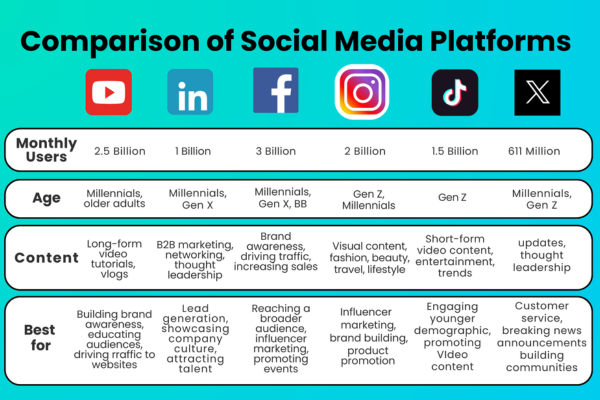
Social media has transformed how people communicate, socialize, share information, and conduct business. Among the many platforms that dominate the social media landscape, Facebook has been one of the most influential since its launch in 2004. However, with the rise of other platforms like Instagram, Twitter (now X), TikTok, LinkedIn, Snapchat, and YouTube, users have a broad range of options depending on their goals, interests, and audience. While each platform shares the common goal of enabling social interaction, they differ in design, purpose, features, audience, and use cases.

This essay compares and contrasts Facebook with other major social media platforms across several dimensions—functionality, user base, content style, engagement, privacy, and business utility—and includes a real-world example to illustrate how users and businesses strategically use multiple platforms differently.


1. Facebook: A Social Media Giant

Facebook is a versatile platform designed primarily for building and maintaining personal and community relationships. It allows users to create profiles, share status updates, photos, and videos, join groups, follow pages, engage with events, and communicate via Messenger. Over time, Facebook has expanded into a central hub for news consumption, entertainment, e-commerce, and advertising.

Key features:

  • News Feed
  • Groups and Pages
  • Events and Marketplace
  • Live streaming
  • Facebook Reels (short videos)
  • Messenger (direct messaging)

2. Instagram: Visual Storytelling

Instagram, owned by Meta (Facebook’s parent company), focuses on visual content, particularly photos and videos. Originally created to share snapshots, Instagram has evolved into a platform for influencer marketing, brand promotion, and lifestyle content. Features like Stories, Reels, and IGTV support short-form and long-form video content.

Comparison:

  • Facebook is content-diverse (text, links, events), while Instagram is image/video-first.
  • Facebook’s audience is older (30s–60s), while Instagram appeals more to younger users (18–35).
  • Instagram lacks Facebook’s deep group/community features, but offers aesthetic and aspirational content appeal.

Contrast:

  • Instagram emphasizes visual curation over conversation.
  • Facebook offers more long-form content and discussion opportunities.

3. Twitter (X): Real-Time Updates and Public Conversation

Twitter, now rebranded as X, is a platform for real-time news, opinions, and public conversation. Posts (“tweets”) are short and fast-paced, encouraging timely updates and interactions. It is popular among journalists, politicians, brands, and activists for its immediacy and public visibility.

Comparison:

  • Like Facebook, Twitter allows users to follow people and pages, comment, share, and like posts.
  • Both platforms are used for news distribution and discussion.

Contrast:

  • Twitter has a character limit (formerly 280 characters), promoting brevity.
  • Facebook encourages more personal and community-based interactions; Twitter is open and topic-driven.
  • Twitter doesn’t focus on private groups or detailed user profiles like Facebook.

4. TikTok: Entertainment and Short-Form Video

TikTok is a short-form video platform centered around creative expression, trends, and viral content. It uses a powerful algorithm to serve entertaining videos based on user behavior, making it highly addictive and engaging.

Comparison:

  • Both platforms offer short videos—Facebook via Reels, TikTok by default.
  • Both allow content discovery through algorithmic feeds and hashtags.

Contrast:

  • TikTok’s interface is video-only and vertical, while Facebook offers a mix of content formats.
  • TikTok has a younger, Gen Z audience, and focuses more on creative self-expression and humor.
  • Facebook offers structured social networking, while TikTok emphasizes algorithm-driven entertainment.

5. LinkedIn: Professional Networking

LinkedIn is a platform for professional connections, job hunting, career development, and industry discussions. It targets business professionals, recruiters, and companies looking to network or promote professional content.

Comparison:

  • Like Facebook, LinkedIn allows users to create profiles, post updates, join groups, and message others.

Contrast:

  • Facebook is personal and casual; LinkedIn is formal and career-oriented.
  • Facebook content includes family photos and memes, whereas LinkedIn features resumes, job posts, and thought leadership.
  • Businesses use Facebook for consumer outreach, while LinkedIn is used for B2B (business-to-business) marketing.

6. Snapchat: Private Sharing and Ephemeral Content

Snapchat pioneered the idea of disappearing content and private communication through short-lived “Snaps” and Stories. It appeals mostly to teens and young adults and focuses on casual, real-time sharing.

Comparison:

  • Both Facebook and Snapchat offer Stories and messaging.
  • Facebook mimicked many Snapchat features (like filters and disappearing messages).

Contrast:

  • Snapchat emphasizes private, momentary sharing, whereas Facebook maintains a long-term content record.
  • Snapchat doesn’t offer the broad content feed or group networking Facebook does.

7. YouTube: Video Platform and Search Engine

YouTube is the leading platform for video hosting, streaming, and monetization. It functions more as a search engine for videos than a traditional social network.

Comparison:

  • Both Facebook and YouTube support video content, live streaming, and comments.
  • Both allow monetization through ads.

Contrast:

  • Facebook is social-first, YouTube is video-first.
  • YouTube is optimized for long-form video and educational content; Facebook is optimized for engagement and community.

8. Content Engagement and Algorithms

All platforms use algorithms to prioritize content, but the mechanics differ:

  • Facebook’s algorithm favors content from friends, groups, and pages with high engagement.
  • Instagram’s algorithm prioritizes content based on relationships, recency, and relevance.
  • TikTok’s algorithm is purely interest-based—users are shown content they may like regardless of who posted it.
  • Twitter/X’s algorithm focuses on recency and trending topics.
  • LinkedIn’s algorithm favors professional relevance and engagement.
  • YouTube’s algorithm promotes videos with high watch time and viewer retention.

Key Insight: Facebook’s algorithm encourages community-driven interaction, whereas others like TikTok or YouTube promote content-first discovery.


9. Advertising and Business Use

Facebook is one of the most robust platforms for business advertising due to its rich targeting options:

  • Age, gender, interests, behavior, location
  • Custom audiences and retargeting
  • Marketplace for product listings
  • Integration with Instagram ads

Other platforms vary in ad options:

  • Instagram (as part of Meta) shares Facebook’s ad system
  • LinkedIn targets professionals and job seekers—ideal for B2B
  • Twitter/X allows promoted tweets and trends
  • TikTok uses short, immersive ad formats, mostly for Gen Z
  • Snapchat offers AR filters and Story ads
  • YouTube uses skippable and non-skippable video ads

Contrast: Facebook excels in demographic targeting and conversions, whereas platforms like TikTok and YouTube are stronger in brand awareness through viral content and long-form engagement.


10. Real-World Example: Multi-Platform Strategy by a Clothing Brand

Consider a mid-sized clothing brand called UrbanEdge Apparel.

They use multiple platforms strategically:

  • Facebook: Posts updates, runs ads to target specific age groups, uses Messenger for customer service, and manages a private group for loyal fans.
  • Instagram: Shares styled photos, Reels with outfit transitions, and Stories showing behind-the-scenes looks.
  • TikTok: Creates humorous videos and fashion tips to reach Gen Z.
  • Twitter/X: Shares flash sales, responds to customer questions, and posts trending memes.
  • LinkedIn: Posts about company culture and recruitment.
  • YouTube: Hosts detailed fashion guides and seasonal lookbooks.

This multi-platform approach leverages each platform’s unique strengths—Facebook for targeted advertising and community, Instagram for visuals, TikTok for virality, and LinkedIn for employer branding.


Conclusion

Facebook remains one of the most comprehensive social media platforms, offering a wide array of features for communication, content sharing, community-building, and business promotion. However, other platforms like Instagram, Twitter/X, TikTok, LinkedIn, Snapchat, and YouTube each serve distinct purposes and appeal to different audiences.

  • Facebook offers a balanced, feature-rich platform but faces competition in visual content (Instagram), real-time news (Twitter/X), and short-form video (TikTok).
  • Businesses and individuals benefit most when they understand the strengths and limitations of each platform and use them together strategically.

In a constantly evolving digital landscape, the ability to compare, contrast, and creatively leverage these platforms is key to success in communication, marketing, and social engagement.

What’s the Role of Affiliate Marketing in Local Businesses?

What’s the Role of Affiliate Marketing in Local Businesses?

Affiliate marketing, a performance-based strategy where individuals or businesses earn commissions by promoting products or services through unique tracking links, is traditionally associated with large-scale e-commerce and global brands. However, in 2025, with the affiliate marketing industry valued at over $16 billion globally, its application to local businesses—such as restaurants, gyms, salons, or retail stores with a physical presence—has gained significant traction. Affiliate marketing offers local businesses a cost-effective, scalable way to drive foot traffic, boost sales, and expand their digital reach, while affiliates (e.g., local influencers, bloggers, or community groups) earn commissions for driving measurable results. This comprehensive explanation, spanning at least 1,200 words, will explore the role of affiliate marketing in local businesses, its benefits, challenges, and strategies, and provide a practical example to illustrate its impact.


Understanding Affiliate Marketing for Local Businesses

Affiliate marketing for local businesses involves partnering with individuals or entities (affiliates) who promote the business’s products, services, or events to their audiences in exchange for a commission based on actions like sales, bookings, or store visits. Unlike traditional affiliate marketing, which often focuses on online sales, local business affiliate programs emphasize:

  • Local Audiences: Targeting customers within a specific geographic area, such as a city or neighborhood.
  • Physical and Digital Conversions: Driving in-store purchases, service bookings, or online orders for local delivery.
  • Community Engagement: Leveraging local influencers, bloggers, or organizations with strong ties to the community.
  • Performance-Based Results: Paying affiliates only for verified outcomes, ensuring cost efficiency.

In 2025, advancements in mobile technology, geolocation targeting, and affiliate tracking platforms have made it easier for local businesses to implement affiliate programs, bridging the gap between digital marketing and physical commerce.


The Role of Affiliate Marketing in Local Businesses

Affiliate marketing plays a multifaceted role in helping local businesses grow, compete with larger brands, and engage their communities. Below are the key ways it contributes:

1. Driving Foot Traffic and Local Sales

Local businesses rely heavily on physical visits, and affiliate marketing incentivizes affiliates to drive customers to their storefronts.

  • Geo-Targeted Promotions: Affiliates use geolocation tools (e.g., Geniuslink) to direct local audiences to the business via affiliate links or QR codes.
  • Discount Codes: Affiliates share unique codes (e.g., “LOCAL10” for 10% off) that encourage in-store or online purchases, trackable via affiliate platforms.
  • Event Promotions: Affiliates promote local events, such as restaurant openings or gym classes, driving attendance through tracked links.

Impact: Affiliates increase foot traffic by promoting to engaged, local audiences. For example, a local influencer’s Instagram post with a discount code can drive 100 store visits in a week, boosting sales.

2. Cost-Effective Marketing

Unlike traditional advertising (e.g., billboards, local radio), affiliate marketing is performance-based, meaning businesses pay only for results.

  • Low Upfront Costs: No fees are incurred unless affiliates drive conversions (e.g., sales, bookings).
  • High ROI: Commissions (e.g., 5–20% per sale) are often lower than ad costs, maximizing marketing budgets.
  • Scalable Campaigns: Businesses can partner with multiple affiliates, scaling promotions without proportional costs.

Impact: Local businesses with limited budgets, like a family-owned café, can compete with chains by paying $5 per sale instead of $500 for a newspaper ad.

3. Leveraging Local Influencers and Communities

Local influencers, bloggers, or community groups have trusted, hyper-local audiences, making them ideal affiliates.

  • Micro-Influencers: With 1,000–50,000 followers, local influencers (e.g., a fitness coach promoting a gym) drive targeted engagement.
  • Community Organizations: Local clubs or nonprofits can promote businesses to members, earning commissions for fundraising.
  • Content Creators: Bloggers or YouTubers create localized content, such as “Top 5 Coffee Shops in [City],” embedding affiliate links.

Impact: Affiliates amplify brand visibility within the community, fostering trust and loyalty. A local food blogger’s review can attract 200 new customers to a restaurant.

4. Enhancing Digital Presence

Many local businesses struggle with digital marketing, but affiliate marketing bridges this gap by leveraging affiliates’ online platforms.

  • Social Media Reach: Affiliates promote on Instagram, TikTok, or Facebook, reaching mobile-savvy local audiences (55% of web traffic is mobile in 2025).
  • SEO Benefits: Affiliate blogs or videos linking to the business’s website improve local SEO, boosting rankings for terms like “best pizza in [City].”
  • Online-to-Offline Conversions: Affiliates drive online engagement (e.g., clicks, bookings) that translate to in-store visits.

Impact: Affiliates extend a business’s digital footprint, attracting customers who discover the brand online. A salon’s affiliate-driven blog post can rank on Google, driving 1,000 monthly website visits.

5. Building Trust and Authenticity

Local businesses thrive on community trust, and affiliates enhance credibility through authentic promotions.

  • Personal Recommendations: Affiliates share genuine experiences (e.g., a fitness coach reviewing a local gym’s classes), resonating with audiences.
  • Localized Content: Affiliates create content tailored to the community’s culture or needs, such as a review of a café’s vegan menu.
  • Transparent Disclosures: FTC-compliant disclosures (#ad, #affiliate) maintain trust while meeting legal requirements.

Impact: Authentic promotions build customer loyalty, increasing repeat visits. A trusted influencer’s endorsement can convert 5% of their audience into customers.

6. Enabling Data-Driven Marketing

Affiliate marketing provides local businesses with actionable data to refine strategies.

  • Tracking Tools: Platforms like Scaleo or Impact track clicks, conversions, and sales, showing which affiliates or channels perform best.
  • Customer Insights: Analytics reveal audience preferences (e.g., popular services, peak visit times), guiding promotions.
  • Geo-Targeting: Tools like Voluum analyze location-based data, optimizing campaigns for specific neighborhoods.

Impact: Data-driven insights help businesses allocate budgets effectively, focusing on high-performing affiliates or channels.

7. Supporting Hybrid Models (Online and Offline)

Many local businesses offer both in-store and online services (e.g., delivery, e-commerce), and affiliate marketing drives both.

  • Online Orders: Affiliates promote delivery or pickup options, such as a restaurant’s online ordering system.
  • In-Store Tracking: QR codes or unique affiliate codes track in-store purchases, linking offline sales to affiliate efforts.
  • Service Bookings: Affiliates drive appointments for salons, gyms, or clinics via booking platforms with affiliate tracking.

Impact: Affiliates boost both online and offline revenue, creating a seamless customer journey. A QR code campaign can drive 50 online orders and 100 in-store visits monthly.


Challenges of Affiliate Marketing for Local Businesses

  1. Limited Digital Infrastructure: Small businesses may lack websites or tracking systems, complicating affiliate programs.
  2. Tracking Offline Conversions: Measuring in-store visits or sales from affiliate links requires QR codes or point-of-sale integrations, which can be complex.
  3. Finding Relevant Affiliates: Identifying local influencers or bloggers with engaged audiences requires research.
  4. Regulatory Compliance: Businesses and affiliates must adhere to FTC guidelines and GDPR (for EU customers), necessitating clear disclosures and consent.
  5. Competition: Local businesses compete with national brands for affiliate partnerships, requiring competitive commissions.

Mitigation: Use user-friendly platforms like ShareASale, offer attractive commissions (10–20%), and partner with micro-influencers for cost-effective, targeted promotions.


Strategies to Leverage Affiliate Marketing for Local Businesses

  1. Partner with Local Influencers: Collaborate with micro-influencers or community leaders to reach engaged audiences.
  2. Use Trackable Codes/Links: Implement QR codes or affiliate links via platforms like Impact for accurate tracking.
  3. Offer Incentives: Provide exclusive discounts or perks (e.g., free coffee with purchase) to drive conversions.
  4. Optimize for Mobile: Ensure websites and landing pages are mobile-friendly, as 55% of traffic is mobile.
  5. Leverage Local SEO: Encourage affiliates to create content with local keywords (e.g., “best bakery in Seattle”).
  6. Track and Analyze: Use analytics tools to monitor affiliate performance and refine campaigns.
  7. Ensure Compliance: Train affiliates on FTC disclosures and GDPR consent requirements.

Example of Affiliate Marketing for a Local Business

Scenario

Maria owns “GreenLeaf Café,” a vegan café in Portland, Oregon, struggling to compete with larger chains. She launches an affiliate program through ShareASale to drive foot traffic and online orders, offering 15% commissions per sale (average order $20, so $3 per sale). Maria partners with local influencers and a community blog to promote her café.

Step 1: Program Setup

Maria sets up her affiliate program on ShareASale, providing affiliates with unique tracking links and a discount code, “GREEN15,” for 15% off in-store or online orders. She creates promotional materials (e.g., menu highlights, vegan dessert photos) and a QR code for in-store tracking, integrated with her point-of-sale system.

Step 2: Partnering with Affiliates

Maria recruits:

  • Sophie, a Portland-based Instagram micro-influencer (20,000 followers) known for vegan lifestyle content.
  • Portland Foodie Blog, a local blog with 10,000 monthly readers, focusing on sustainable dining.
  • Green Vibes Community, a local vegan meetup group, to promote to members.

She offers training on FTC disclosures (#ad, #affiliate) and provides a landing page (greenleafcafe.com/affiliate) for online orders.

Step 3: Content and Promotion

  • Sophie’s Campaign: Sophie posts an Instagram Reel showcasing her meal at GreenLeaf, highlighting the avocado toast and vegan brownies. She includes “GREEN15” and a swipe-up affiliate link, disclosing with #ad. She also shares a Story with a QR code for in-store discounts.
  • Portland Foodie Blog: The blog publishes “Top 5 Vegan Spots in Portland,” featuring GreenLeaf with an affiliate link and “GREEN15” code. The post is optimized with SEMrush for keywords like “vegan café Portland,” ranking on Google’s first page.
  • Green Vibes Community: The group promotes GreenLeaf’s monthly vegan cooking class via a Telegram channel, sharing a QR code for ticket purchases.

Step 4: Tracking and Optimization

Maria uses ShareASale’s analytics to track performance:

  • Sophie drives 200 online orders and 100 in-store visits ($6,000 in sales, $900 in commissions).
  • The blog generates 150 online orders ($4,500 in sales, $675 in commissions).
  • The community drives 50 class bookings ($2,000 in sales, $300 in commissions).

Voluum’s AI shows Instagram Reels outperform Telegram, prompting Maria to focus on Sophie’s campaigns. Google Analytics confirms 60% of traffic is mobile, leading Maria to optimize her website with Thrive Architect for faster loading.

Step 5: Compliance and Engagement

Maria ensures affiliates use FTC disclosures and adds a CookieBot GDPR-compliant banner to her website. Sophie responds to Instagram comments, answering questions about menu options, boosting engagement. Maria hosts a “Vegan Night” event, promoted by affiliates, to thank customers and affiliates, fostering loyalty.

Outcomes

  • Sales Growth: The campaign generates $12,500 in sales ($1,875 in commissions), with 70% from in-store visits and 30% from online orders.
  • Foot Traffic: GreenLeaf sees 250 new customers monthly, increasing repeat visits by 20%.
  • Digital Reach: The blog post attracts 3,000 organic visitors, boosting local SEO.
  • Community Trust: Sophie’s authentic promotion builds loyalty, with 30% of her followers becoming regulars.
  • Scalability: Maria expands the program to include two more influencers, doubling sales.

Why This Example Matters

Maria’s campaign demonstrates how affiliate marketing drives foot traffic, online orders, and brand awareness for a local café. By partnering with local influencers, using trackable codes, and optimizing for mobile and SEO, she leverages ShareASale, Voluum, Thrive Architect, and CookieBot to achieve cost-effective, measurable results, showcasing affiliate marketing’s power for local businesses.


Conclusion

Affiliate marketing plays a transformative role for local businesses in 2025, driving foot traffic, boosting sales, and enhancing digital presence in a cost-effective, performance-based manner. By leveraging local influencers, community groups, and tools like ShareASale, businesses reach targeted audiences, build trust, and compete with larger brands. Challenges like tracking offline conversions or finding relevant affiliates are mitigated through QR codes, analytics, and strategic partnerships. The example of GreenLeaf Café illustrates how a local business can use affiliate marketing to drive $12,500 in sales, grow its customer base, and strengthen community ties. As mobile traffic and digital adoption grow, affiliate marketing empowers local businesses to thrive in a $16 billion industry, bridging the gap between physical and digital commerce with measurable success.

How Do Cryptocurrencies Impact Affiliate Marketing?

Affiliate marketing, a performance-based strategy where individuals or businesses earn commissions by promoting products or services through unique tracking links, has been significantly influenced by the rise of cryptocurrencies in recent years. Cryptocurrencies, decentralized digital currencies like Bitcoin (BTC), Ethereum (ETH), and stablecoins such as Tether (USDT), operate on blockchain technology, offering secure, transparent, and borderless transactions. As of 2025, with the global cryptocurrency market valued at over $2.5 trillion and over 400 million users worldwide, their integration into affiliate marketing has transformed payment systems, expanded market opportunities, and introduced new challenges. This comprehensive explanation, spanning at least 1,200 words, will explore how cryptocurrencies impact affiliate marketing, covering their benefits, challenges, and strategic implications, and provide a practical example to illustrate their application.


Understanding Cryptocurrencies in Affiliate Marketing

Cryptocurrencies impact affiliate marketing by serving as a payment method, enabling new promotional opportunities, and influencing operational strategies. Their key characteristics—decentralization, low transaction fees, global accessibility, and transparency—align with the needs of affiliates and merchants in a digital, globalized economy. In affiliate marketing, cryptocurrencies are used in:

  • Commission Payouts: Merchants pay affiliates in cryptocurrencies for conversions (e.g., sales, leads).
  • Promotional Niches: Affiliates promote crypto-related products, such as exchanges, wallets, or trading platforms.
  • Operational Tools: Blockchain-based tracking or smart contracts enhance transparency and trust.
  • Audience Targeting: Affiliates reach crypto-savvy audiences through platforms like Telegram or crypto forums.

In 2025, the adoption of cryptocurrencies in affiliate marketing is driven by trends like:

  • Mass Adoption: Over 10% of global internet users hold cryptocurrencies, creating a viable payment ecosystem.
  • Stablecoin Growth: Stablecoins, pegged to fiat currencies, reduce volatility, making them ideal for payouts.
  • Regulatory Clarity: Clearer regulations in markets like the U.S. and EU have boosted merchant confidence in crypto payments.
  • Blockchain Integration: Affiliate networks use blockchain for transparent tracking, reducing fraud.

How Cryptocurrencies Impact Affiliate Marketing

Cryptocurrencies influence affiliate marketing across payment systems, market opportunities, operational efficiencies, and challenges. Below are the key impacts:

1. Streamlined and Cost-Effective Payments

Traditional affiliate payouts via bank transfers or platforms like PayPal often involve high fees, currency conversion costs, and delays, especially for international affiliates. Cryptocurrencies address these issues:

  • Low Transaction Fees: Crypto transactions, particularly on networks like Ethereum Layer 2 or Solana, cost fractions of a cent, compared to PayPal’s 2–4% or bank transfer fees.
  • Fast Settlements: Blockchain transactions settle in minutes, enabling near-instant payouts versus days for traditional methods.
  • Global Accessibility: Cryptocurrencies bypass banking restrictions, allowing affiliates in underbanked regions (e.g., parts of Africa or Southeast Asia) to receive payments seamlessly.
  • Stablecoin Stability: Merchants use USDT or USDC to pay affiliates, avoiding volatility risks associated with BTC or ETH.

Impact: Affiliates receive higher net commissions, and merchants reduce payout costs. For example, a $100 commission paid in USDT incurs a $0.10 fee versus $4 via PayPal, saving $3.90 per transaction.

2. Expanded Market Opportunities

The crypto ecosystem has spawned a lucrative affiliate marketing niche, with high-paying programs for crypto exchanges, wallets, trading bots, and DeFi (decentralized finance) platforms.

  • High Commissions: Crypto affiliate programs, like Binance or Coinbase, offer commissions up to 50% of trading fees or $100 per referred user, far exceeding traditional niches like fashion (5–10%).
  • Recurring Revenue: Many crypto programs provide lifetime commissions for referred users’ activities, creating passive income streams.
  • Global Audience: Crypto’s borderless nature allows affiliates to target users worldwide, from tech-savvy U.S. traders to emerging markets like Nigeria, where crypto adoption is high.
  • Diverse Products: Affiliates promote hardware wallets (e.g., Ledger), staking platforms, or NFT marketplaces, catering to varied audiences.

Impact: Affiliates enter a high-growth niche, earning substantial commissions. A single Binance referral generating $1,000 in trading fees can yield $500, compared to $10 for a $100 clothing sale.

3. Enhanced Transparency and Trust

Blockchain technology, underpinning cryptocurrencies, improves transparency in affiliate marketing, addressing fraud and mistrust.

  • Immutable Tracking: Blockchain-based affiliate networks (e.g., Refersion with blockchain integrations) record clicks and conversions on a tamper-proof ledger, ensuring accurate attribution.
  • Smart Contracts: Ethereum smart contracts automate payouts when conditions are met (e.g., a sale is confirmed), eliminating delays or disputes.
  • Fraud Prevention: Blockchain’s transparency reduces click fraud, cookie stuffing, or fake conversions, as all actions are verifiable.

Impact: Affiliates trust they’ll be paid accurately, and merchants reduce losses from fraudulent traffic, fostering stronger partnerships.

4. Anonymity and Privacy

Cryptocurrencies offer a degree of anonymity, appealing to affiliates in regions with strict financial oversight or privacy concerns.

  • No KYC for Some Transactions: Affiliates can receive payments to crypto wallets without extensive Know Your Customer (KYC) processes, unlike bank transfers.
  • Privacy Protection: Crypto transactions don’t require personal banking details, reducing identity theft risks.

Impact: Affiliates in restrictive markets participate freely, expanding the global affiliate pool. However, anonymity can attract bad actors, necessitating robust fraud detection.

5. New Marketing Channels and Audiences

Cryptocurrencies have created unique platforms and communities for affiliate promotions, distinct from traditional channels like blogs or Instagram.

  • Crypto Communities: Affiliates target audiences on Telegram, Discord, or Reddit’s r/cryptocurrency, where crypto enthusiasts discuss exchanges or wallets.
  • Web3 Platforms: Decentralized social networks like Lens Protocol or Mastodon host affiliate promotions, reaching tech-savvy users.
  • NFT and Metaverse Integration: Affiliates promote crypto products in virtual worlds (e.g., Decentraland) or via NFT drops, tapping into emerging trends.

Impact: Affiliates access engaged, niche audiences, increasing conversion rates. A Telegram post in a crypto group can drive 10% CTR versus 2% on Instagram.

6. Challenges and Risks

Despite their benefits, cryptocurrencies introduce challenges that affiliates must navigate:

  • Volatility: Non-stablecoin payouts (e.g., BTC) can fluctuate, affecting commission value. A $100 BTC payout could drop to $80 overnight.
  • Regulatory Uncertainty: Varying crypto regulations (e.g., U.S. SEC scrutiny) may limit merchant adoption or require affiliates to comply with tax reporting.
  • Technical Complexity: Managing crypto wallets, private keys, or blockchain transactions requires technical knowledge, deterring less tech-savvy affiliates.
  • Fraud Risks: Anonymity can attract scammers, increasing click fraud or fake referrals in crypto affiliate programs.
  • Ad Platform Restrictions: Platforms like Google Ads or Facebook restrict crypto-related ads, limiting paid traffic options.

Impact: Affiliates must use stablecoins, stay informed on regulations, and adopt secure practices to mitigate risks, ensuring sustainable earnings.

7. Operational and Strategic Shifts

Cryptocurrencies require affiliates to adapt their strategies and tools:

  • Crypto Wallets: Affiliates set up wallets (e.g., MetaMask, Trust Wallet) to receive payments, integrating with affiliate dashboards.
  • Blockchain Analytics: Tools like Scaleo with blockchain integrations provide transparent performance tracking.
  • Crypto-Specific Content: Affiliates create content like “How to Trade on Binance” or “Best Crypto Wallets 2025,” optimized for crypto audiences.
  • Tax Compliance: Affiliates use tools like CoinTracking to report crypto earnings, complying with IRS or HMRC rules.

Impact: Affiliates who adapt gain a competitive edge, accessing high-paying programs and new markets, but require investment in learning and tools.


Benefits of Cryptocurrencies in Affiliate Marketing

  1. Cost Savings: Low fees and fast payouts increase net earnings for affiliates and reduce costs for merchants.
  2. Global Reach: Crypto enables affiliates in underbanked regions to participate, expanding the talent pool.
  3. High-Paying Niches: Crypto programs offer lucrative commissions, boosting revenue potential.
  4. Transparency: Blockchain ensures accurate tracking, reducing fraud and disputes.
  5. Innovation: Crypto opens new channels (e.g., Web3, NFTs), keeping affiliates ahead of trends.

Strategies to Leverage Cryptocurrencies

  1. Join Crypto Affiliate Programs: Partner with reputable platforms like Binance, Coinbase, or Ledger for high commissions.
  2. Use Stablecoins: Request payouts in USDT or USDC to avoid volatility.
  3. Target Crypto Audiences: Promote on Telegram, Discord, or crypto forums with niche content.
  4. Adopt Blockchain Tools: Use platforms like Scaleo for transparent tracking.
  5. Stay Compliant: Monitor local crypto regulations and use tax tools like CoinTracking.
  6. Educate Yourself: Learn wallet management and blockchain basics via resources like CoinDesk or Binance Academy.

Example of Cryptocurrencies in Affiliate Marketing

Scenario

Noah, an affiliate marketer, runs a blog, “CryptoBit,” and a Telegram channel with 10,000 members focused on cryptocurrency trading. He joins the Binance affiliate program, earning 40% of trading fees for referred users. Noah uses cryptocurrencies and related tools to optimize his campaign, leveraging their benefits while addressing challenges.

Step 1: Campaign Setup

Noah researches Binance’s features using ChatGPT to generate a blog post outline for “Binance Review: Why It’s the Top Crypto Exchange in 2025.” He creates a 1,000-word post, detailing low fees, staking options, and security, embedding his Binance affiliate link via ThirstyAffiliates for cloaking. He requests payouts in USDT to avoid BTC volatility, received in his MetaMask wallet.

Step 2: Content and Promotion

Noah posts the review on his blog, optimized with SEMrush’s AI for keywords like “best crypto exchange 2025” (2,000 monthly searches). He creates a Telegram post: “Join Binance with my link for 10% fee discounts! 🚀 #affiliate,” linking to his blog. On YouTube, he uploads a 5-minute video tutorial, “How to Trade on Binance,” with his affiliate link in the description, disclosing with #ad. Canva’s AI designs a thumbnail for the video, boosting clicks.

Step 3: Tracking and Optimization

Noah uses Scaleo’s blockchain-integrated dashboard to track referrals, confirming 100 sign-ups generating $10,000 in trading fees ($4,000 commission). Scaleo’s AI suggests targeting Nigerian users, where crypto adoption is high, prompting Noah to post in local Telegram groups. Voluum’s AI tracks traffic, showing Telegram drives 60% of conversions, leading Noah to focus there.

Step 4: Payment and Compliance

Binance pays Noah’s $4,000 commission in USDT, incurring a $0.20 fee, compared to $80 via PayPal. He uses CoinTracking to report earnings to the IRS, ensuring tax compliance. Noah adds a GDPR-compliant consent banner with CookieBot on his blog, addressing EU visitors. His FTC disclosure reads: “This post contains affiliate links, meaning I may earn a commission at no cost to you.”

Step 5: Addressing Challenges

To mitigate volatility, Noah converts USDT to USD via Coinbase. He avoids Google Ads due to crypto restrictions, relying on organic Telegram and SEO traffic. Noah educates himself on wallet security, enabling two-factor authentication (2FA) to protect his MetaMask funds.

Outcomes

  • Revenue: Noah earns $4,000 monthly, with lifetime commissions from active traders adding $1,000 passively.
  • Traffic Growth: His blog attracts 5,000 monthly visitors, and his Telegram channel grows by 2,000 members.
  • Cost Savings: Low USDT fees save $79.80 per payout compared to PayPal.
  • Transparency: Scaleo’s blockchain ensures accurate tracking, building trust with Binance.
  • Audience Reach: Targeting Nigeria increases conversions by 20%, leveraging crypto’s global appeal.

Why This Example Matters

Noah’s campaign illustrates how cryptocurrencies streamline payments, open high-paying niches, and enhance transparency via blockchain. By using USDT, Scaleo, Voluum, SEMrush, ThirstyAffiliates, Canva, ChatGPT, CoinTracking, and CookieBot, Noah maximizes earnings while addressing volatility, compliance, and ad restrictions, showcasing crypto’s transformative role.


Conclusion

Cryptocurrencies profoundly impact affiliate marketing in 2025 by enabling cost-effective, fast, and global payouts, creating lucrative niches, and enhancing transparency through blockchain. They expand opportunities for affiliates to reach crypto-savvy audiences on platforms like Telegram or Web3, while offering high commissions from programs like Binance or Coinbase. However, challenges like volatility, regulatory uncertainty, and technical complexity require strategic mitigation through stablecoins, compliance tools, and education. The example of Noah’s Binance campaign demonstrates how cryptocurrencies drive revenue, efficiency, and trust, leveraging tools to optimize performance and scale globally. As the $2.5 trillion crypto market grows, affiliates who embrace cryptocurrencies gain a competitive edge, tapping into a dynamic, high-potential ecosystem that redefines affiliate marketing’s future.

What ethical concerns are raised by Facebook’s data practices?

In the digital age, data has become a form of currency—collected, stored, traded, and analyzed for countless purposes. Facebook (now part of Meta Platforms, Inc.), as one of the world’s largest and most influential social media companies, holds a vast amount of data about its users: their names, locations, behaviors, preferences, social networks, and even thoughts expressed in posts and messages. While this data enables personalization and innovation, it also raises serious ethical concerns.

This essay explores the key ethical issues related to Facebook’s data practices, including privacy violations, lack of transparency, consent issues, algorithmic bias, manipulation, and data monetization, followed by a real-world example to illustrate the consequences of unethical data handling.


1. The Scope of Facebook’s Data Collection

To understand the ethical concerns, it’s important to first understand what Facebook collects. Data gathered includes:

  • Personal information: name, age, gender, location
  • Social relationships: friends, groups, followers
  • Behavioral data: likes, shares, clicks, browsing activity
  • Biometric data: facial recognition through photos
  • Location data: via IP address, check-ins, and mobile GPS
  • Communication: messages, comments, and reactions
  • Off-platform activity: through Meta Pixel, plugins, and third-party integrations

Facebook’s ecosystem—spanning Messenger, Instagram, WhatsApp, and external partnerships—provides the company with unmatched access to detailed user behavior.


2. Ethical Concerns Surrounding Facebook’s Data Practices

A. Lack of Informed Consent

A foundational ethical concern is that many users do not fully understand what data Facebook collects or how it is used. The company’s privacy policies are often long, complex, and written in legal language.

  • Users may “agree” to data sharing without understanding the implications.
  • Settings are often buried in menus, discouraging people from customizing their privacy options.
  • Consent is often bundled—meaning you can’t use the service unless you agree to all terms, creating an illusion of choice.

Ethical Issue: This violates the principle of informed consent, a basic standard in both medical ethics and digital data collection.


B. Privacy Violations

Privacy is a fundamental human right. Facebook has faced criticism for:

  • Tracking users even when logged out or after they disable location sharing.
  • Collecting data on non-users via shadow profiles.
  • Allowing apps to access data about friends of users, without those friends’ knowledge or consent (a key issue in the Cambridge Analytica case).

Ethical Issue: Gathering or exposing personal data without permission violates individual autonomy and dignity.


C. Data Monetization and Exploitation

Facebook’s business model is largely based on advertising revenue, which is driven by detailed user profiling. It sells access to users’ attention by allowing advertisers to target based on deeply personal information, including:

  • Race, religion, and political views
  • Medical interests or concerns
  • Emotional vulnerabilities

While Facebook claims it doesn’t “sell” data directly, it profits by offering paid access to targeted advertising tools.

Ethical Issue: Users are the product, not the customer. Many are unaware that their data is fueling a massive advertising ecosystem.


D. Data Breaches and Security Risks

Even if data is collected legally, it must be stored and protected securely. Facebook has suffered several high-profile data breaches:

  • In 2019, data from over 530 million users was exposed online, including phone numbers and emails.
  • In previous cases, passwords and private messages were also leaked.

Ethical Issue: Companies that collect massive amounts of personal data have a duty to protect it. Failing to do so puts users at risk of identity theft, harassment, and other harms.


E. Algorithmic Manipulation and Bias

Facebook’s algorithms are designed to maximize engagement, often by showing users content that aligns with their views or triggers strong emotions. This has led to:

  • Echo chambers that reinforce misinformation or extremist views
  • Bias in content visibility, where certain groups may be disadvantaged
  • Emotion manipulation, as demonstrated by a controversial 2012 experiment in which Facebook altered users’ news feeds to study mood effects without their consent

Ethical Issue: Algorithms can unintentionally promote harm, and users are often unaware of how these systems influence their behavior or worldview.


F. Influence on Elections and Democracy

Perhaps the most controversial ethical issue has been Facebook’s role in spreading misinformation and influencing political outcomes.

  • The 2016 U.S. election saw Facebook used to distribute fake news and propaganda, much of it targeted with the help of user data.
  • Cambridge Analytica, a data analytics firm, used improperly obtained Facebook data to influence voter behavior through microtargeted ads.

Ethical Issue: Facebook’s data tools can be weaponized to manipulate voters, polarize public opinion, and undermine democratic processes.


G. Impact on Mental Health and Well-being

Studies have shown that excessive social media use—especially when driven by algorithmic feedback loops—can lead to:

  • Depression, anxiety, and low self-esteem
  • Social comparison and body image issues (especially among teens)
  • Addiction-like behavior encouraged by notifications and “likes”

Ethical Issue: Platforms that collect and analyze behavioral data should not use that data in ways that negatively impact mental health, particularly when the goal is to keep users engaged for profit.


3. Case Study: The Cambridge Analytica Scandal

One of the most significant examples of ethical failure in Facebook’s data practices is the Cambridge Analytica scandal.

What happened?

  • A researcher created a personality quiz app called “This Is Your Digital Life.”
  • Around 270,000 users installed it, granting access to their personal data—and, critically, to the data of their Facebook friends.
  • Data from up to 87 million users was harvested without their explicit consent.
  • The data was sold to Cambridge Analytica, which used it to create psychological profiles for targeted political advertising, particularly in the 2016 U.S. election and the Brexit referendum.

Why it’s ethically problematic:

  • Users were unaware that their data was being used for political manipulation.
  • Facebook failed to prevent or properly disclose the misuse.
  • The event revealed systemic weaknesses in data oversight and enforcement.

Outcome:

  • Facebook’s CEO, Mark Zuckerberg, testified before U.S. Congress and the European Parliament.
  • The company was fined $5 billion by the Federal Trade Commission in 2019.
  • Public trust in Facebook plummeted.
  • The scandal led to calls for stronger privacy laws, like the EU’s General Data Protection Regulation (GDPR).

4. Facebook’s Response and Ethical Improvements

To its credit, Facebook has taken steps to address some of these concerns, including:

  • Redesigning privacy settings to be more accessible
  • Launching the “Off-Facebook Activity” tool to show users how their data is used
  • Implementing stricter third-party data access policies
  • Expanding fact-checking programs to combat misinformation
  • Increasing transparency in political ads

However, critics argue that these changes are often reactive, not proactive—and sometimes more about public relations than genuine ethical reform.


5. Broader Ethical Reflections

At the heart of these concerns is the power imbalance between Facebook and its users. Most people do not have the knowledge or tools to understand how their data is used, and even fewer have alternatives if they object.

Ethically, companies that collect and benefit from user data should adhere to the following principles:

  • Transparency: Clearly explain what data is collected and how it’s used.
  • Consent: Obtain meaningful, informed consent—not just blanket acceptance.
  • Minimization: Collect only what is necessary and avoid overreach.
  • Security: Safeguard data from unauthorized access or breaches.
  • Accountability: Accept responsibility for misuse and commit to redress.

Conclusion

Facebook’s data practices raise profound ethical questions about privacy, manipulation, and the role of technology in society. While data collection enables personalized services and targeted advertising, it also opens the door to misuse—especially when users are unaware of how their information is being used or manipulated.

The Cambridge Analytica scandal, along with numerous privacy lapses and security breaches, shows how the misuse of data can have global consequences. In an era where data is as valuable as oil, ethical data stewardship is not just a moral obligation—it is essential to preserving trust, democracy, and individual autonomy.

Ultimately, users must demand greater transparency and control, and regulators must enforce stricter rules. But most importantly, companies like Facebook must recognize that ethical responsibility is not optional—it is fundamental to their role in shaping our digital future.

How to Become a Digital Marketing Specialist

Digital marketing is one of the fastest-growing fields today. Many people are interested in building a career in digital marketing, and becoming a digital...

What is SMM in Digital Marketing

SMM, or Social Media Marketing, is one of the most important parts of digital marketing. In simple words, SMM is the process of using...

What is Google Analytics in Digital Marketing

Google Analytics is one of the most important tools in digital marketing. It helps businesses understand how people interact with their websites and online...

What is Google AdWords in Digital Marketing

Google AdWords is one of the most important tools in digital marketing. Many businesses use AdWords to reach their target audience online and increase...

What Is CPM in Digital Marketing

In digital marketing, understanding how your ads are priced and measured is very important. Different advertising models help marketers track performance and control spending....