Home Blog Page 48

What Are the Risks of Promoting Products You Haven’t Used in Affiliate Marketing?

In affiliate marketing, where individuals or businesses earn commissions by promoting products or services through unique tracking links, the authenticity and credibility of promotions are critical to success. Promoting products that an affiliate has not personally used or tested introduces significant risks that can undermine trust, reduce conversions, and jeopardize long-term viability. While it may be tempting to promote untested products to expand revenue streams or capitalize on trending offers, the consequences can outweigh the benefits. This comprehensive explanation, spanning at least 1,200 words, will explore the risks associated with promoting products you haven’t used, covering ethical, financial, legal, and operational impacts, and provide a practical example to illustrate these challenges.


Understanding the Practice of Promoting Untested Products

Affiliate marketers often rely on content—such as blog posts, reviews, videos, or social media posts—to drive traffic to affiliate links and generate conversions (e.g., sales, leads, or clicks). To create compelling content, affiliates typically draw on personal experience, research, or merchant-provided materials. However, some affiliates promote products they haven’t used, relying solely on:

  • Merchant Descriptions: Copying product details, benefits, or claims from the merchant’s website or promotional materials.
  • Third-Party Reviews: Aggregating information from other reviews or testimonials without verifying their accuracy.
  • Hype or Trends: Capitalizing on popular products or niches without firsthand knowledge, often to chase high commissions.

While this approach may save time or allow affiliates to promote a broader range of products, it introduces significant risks that can harm their business and reputation.


Risks of Promoting Products You Haven’t Used

Promoting untested products can lead to a cascade of negative outcomes, affecting credibility, revenue, legal standing, and operational efficiency. Below are the key risks:

1. Loss of Audience Trust and Credibility

Trust is the cornerstone of affiliate marketing, as audiences rely on affiliates for honest, reliable recommendations. Promoting products without personal experience undermines this trust:

  • Inauthentic Recommendations: Audiences can often detect when reviews or endorsements lack genuine insight. Generic or overly promotional content based on secondhand information fails to resonate, reducing engagement and conversions.
  • Exposure of Inexperience: If readers or viewers discover the affiliate hasn’t used the product, they may feel misled, damaging the affiliate’s credibility. For example, a blog post praising a fitness tracker’s accuracy without testing it may be called out if users experience issues the affiliate didn’t address.
  • Negative Feedback: Dissatisfied customers who purchase based on the affiliate’s recommendation may leave negative comments or reviews, amplifying distrust across the affiliate’s platform (e.g., blog, YouTube channel, or social media).

Lost trust can lead to declining traffic, lower click-through rates, and reduced conversions, directly impacting revenue.

2. Reduced Conversion Rates

Effective affiliate marketing relies on persuasive content that convinces audiences to act. Promoting untested products often results in lower conversions due to:

  • Lack of Personal Insights: Personal anecdotes, real-world testing, or unique perspectives make recommendations compelling. Without these, content feels generic and fails to connect with audiences. For instance, a review of a software tool that merely rehashes the merchant’s claims lacks the depth to persuade skeptical buyers.
  • Inaccurate Claims: Affiliates relying on unverified information may promote benefits that don’t hold up in practice, leading to disappointed customers who abandon purchases or return products.
  • Mismatched Audience Needs: Without using the product, affiliates may misjudge whether it suits their audience’s needs, resulting in irrelevant recommendations that fail to convert.

Lower conversions mean fewer commissions, undermining the affiliate’s financial success.

3. Legal and Regulatory Risks

Promoting untested products can expose affiliates to legal and regulatory issues, particularly under consumer protection laws:

  • False or Misleading Claims: In the U.S., the Federal Trade Commission (FTC) requires endorsements to reflect the affiliate’s honest opinion and be substantiated by evidence. Promoting a product without using it risks violating these guidelines if claims are inaccurate or exaggerated. For example, claiming a supplement “boosts energy” without testing it could lead to FTC scrutiny if the claim is unsubstantiated.
  • GDPR Compliance (EU): If targeting EU residents, affiliates must comply with the General Data Protection Regulation (GDPR). Promoting untested products may involve collecting personal data (e.g., via lead magnets) without fully understanding the product’s data practices, risking non-compliance if the merchant mishandles user data.
  • Copyright Issues: Affiliates often use merchant-provided content (e.g., images, descriptions) to promote untested products. Without permission or customization, this can lead to copyright infringement claims.

Legal violations can result in fines, lawsuits, or bans from affiliate programs, draining resources and damaging reputation.

4. Damage to Merchant and Network Relationships

Affiliate programs and merchants expect affiliates to represent their brand professionally. Promoting untested products can strain these relationships:

  • Program Termination: Many affiliate programs require affiliates to promote products ethically and accurately. Promoting untested products that lead to customer complaints or high return rates may result in account suspension or termination.
  • Withheld Commissions: If an affiliate’s promotions generate low-quality traffic or fraudulent conversions (e.g., due to misleading claims), merchants may withhold commissions or reverse payments.
  • Brand Misrepresentation: Inaccurate or uninformed promotions can misalign with the merchant’s messaging, harming their reputation. For instance, promoting a skincare product as “hypoallergenic” without testing it could mislead sensitive-skinned customers, reflecting poorly on the merchant.

Losing access to affiliate programs limits revenue opportunities and partnerships.

5. Increased Refunds and Chargebacks

Untested products may not meet customer expectations, leading to:

  • High Return Rates: If the product underperforms compared to the affiliate’s claims, customers may return it, triggering commission reversals. For example, promoting a gadget as “easy to use” without testing it could lead to returns if users find it complex.
  • Chargebacks: Customers who feel misled may dispute charges with their credit card providers, resulting in chargebacks that nullify the affiliate’s commissions.
  • Customer Complaints: Dissatisfied buyers may contact the affiliate or merchant, creating additional workload and reputational damage.

High refunds and chargebacks reduce earnings and signal to merchants that the affiliate’s traffic is low-quality.

6. Search Engine Optimization (SEO) Challenges

Search engines like Google prioritize high-quality, original content. Promoting untested products often leads to:

  • Thin Content: Reviews or posts based on merchant descriptions or third-party sources tend to be generic, lacking the depth and uniqueness that search engines reward. This results in lower rankings and reduced organic traffic.
  • Duplicate Content Risks: Copying or closely paraphrasing existing content (e.g., from the merchant’s site) can trigger duplicate content penalties, further harming visibility.
  • Lack of Authority: Affiliates who haven’t used a product struggle to create authoritative content, limiting their ability to rank for competitive keywords.

Reduced SEO performance translates to less traffic and fewer opportunities to earn commissions.

7. Missed Opportunities for Long-Term Success

Promoting untested products can hinder an affiliate’s long-term growth:

  • Failure to Build Authority: Affiliates who rely on authentic, experiential content establish themselves as trusted experts in their niche. Promoting untested products undermines this authority, limiting opportunities for partnerships, sponsorships, or loyal audiences.
  • Inability to Scale: Building a sustainable affiliate business requires a reputation for reliability. Affiliates associated with poor recommendations struggle to expand into new niches or platforms.
  • Competitive Disadvantage: Affiliates who test products and share genuine insights differentiate themselves in crowded markets, attracting more engaged audiences than those relying on unverified claims.

8. Ethical Considerations

Promoting untested products raises ethical concerns:

  • Misleading Audiences: Recommending products without firsthand knowledge risks misleading consumers, violating the principle of honesty in marketing.
  • Harm to Consumers: In niches like health or finance, untested products could lead to harmful outcomes, such as ineffective supplements or risky investments.
  • Industry Reputation: Widespread promotion of untested products contributes to the perception of affiliate marketing as spammy or untrustworthy, making it harder for ethical affiliates to succeed.

Strategies to Mitigate Risks

To avoid the risks of promoting untested products, affiliates can:

  1. Test Products: Purchase or request samples from merchants to gain firsthand experience. Many affiliate programs offer free or discounted products for review.
  2. Conduct Thorough Research: If testing isn’t feasible, research the product extensively through user reviews, case studies, or trusted sources, and disclose the lack of personal use.
  3. Use Transparent Disclosures: Include disclaimers like, “I haven’t personally used this product, but based on research, here’s what I found,” to maintain honesty.
  4. Focus on Quality Over Quantity: Promote fewer products with in-depth, authentic content rather than many untested ones.
  5. Leverage Merchant Resources: Use affiliate program materials (e.g., demos, tutorials) to inform promotions, but customize them with unique insights.
  6. Build Trust: Prioritize audience needs by recommending only products that align with their interests and have verifiable quality.

Example of the Risks of Promoting Untested Products

Scenario

Liam, an affiliate marketer, runs a blog, “FitLifeHacks,” targeting fitness enthusiasts. He joins an affiliate program for a new fitness supplement, “EnergyBoost,” which claims to enhance workout performance and pays $15 per sale. Eager to capitalize on the product’s hype, Liam promotes it without testing, relying on the merchant’s website and a few online reviews for content.

Step 1: Promotion Strategy

Liam writes a blog post, “Why EnergyBoost Is the Ultimate Workout Supplement,” copying benefits like “increases stamina by 30%” and “accelerates muscle recovery” from the merchant’s site. He also creates a YouTube video echoing these claims and posts on Instagram with affiliate links. His content drives 100 sales in a month, earning $1,500 in commissions.

Step 2: Consequences Emerge

Several issues arise:

  • Customer Complaints: Users who purchased EnergyBoost report no noticeable effects and complain about side effects like nausea, which Liam didn’t mention because he hadn’t tested the product. Negative comments flood his blog and social media, accusing him of misleading promotions.
  • High Return Rates: 40% of buyers return the supplement, triggering commission reversals. Liam loses $600 of his earnings.
  • FTC Scrutiny: A customer files a complaint with the FTC, alleging false claims in Liam’s content. The FTC investigates, as Liam didn’t disclose that his review was based on untested claims, risking a fine.
  • SEO Impact: Google detects that Liam’s blog post closely mirrors the merchant’s content, flagging it as duplicate. The post drops from page 1 to page 10 in search results, reducing traffic by 70%.
  • Program Termination: EnergyBoost’s affiliate manager discovers Liam’s inaccurate promotions and high return rates. They terminate his account, withholding $900 in pending commissions and banning him from the program.
  • Reputation Damage: Negative feedback spreads on fitness forums, labeling FitLifeHacks as untrustworthy. Liam’s email open rates drop from 35% to 15%, and his Instagram followers decline by 20%.

Step 3: Long-Term Impact

Liam’s blog suffers:

  • Revenue Loss: Reduced traffic and conversions cut his monthly affiliate income from $3,000 to $800.
  • Rebuilding Trust: Liam spends months responding to comments and rebuilding his reputation, delaying new campaigns.
  • Missed Partnerships: Other supplement brands avoid partnering with Liam due to his tarnished reputation.
  • Legal Costs: Addressing the FTC complaint requires legal consultation, costing $2,000.

Step 4: Recovery Efforts

Liam takes corrective actions:

  • Testing Products: He purchases EnergyBoost and other supplements to test, creating authentic reviews based on his experience.
  • Disclosures: He adds disclaimers to his content, such as, “This review is based on my personal use and research.”
  • Original Content: He rewrites his blog posts with unique insights, improving SEO and engagement.
  • Audience Engagement: Liam hosts a Q&A video apologizing for the oversight and explaining his new testing process, regaining some trust.

Why This Example Matters

Liam’s case highlights how promoting an untested product led to financial losses, legal risks, and reputational damage. His reliance on unverified claims alienated his audience, triggered merchant penalties, and hurt his SEO performance. By shifting to authentic, tested promotions, Liam begins to recover, underscoring the importance of firsthand experience.


Conclusion

Promoting products you haven’t used in affiliate marketing carries significant risks, including loss of trust, reduced conversions, legal liabilities, and damaged merchant relationships. These consequences can cripple an affiliate’s revenue, reputation, and long-term prospects. The example of Liam’s FitLifeHacks illustrates how untested promotions can lead to customer backlash, commission reversals, and industry penalties, while highlighting the value of authenticity and transparency. By testing products, conducting thorough research, and using clear disclosures, affiliates can mitigate these risks, build trust, and create sustainable success. In an industry where credibility drives conversions, promoting only products you understand and believe in is not just ethical—it’s essential for thriving in the competitive affiliate marketing landscape.
The Importance of Full Transparency with Your Audience

Transparency in communication has become more than just a virtue in today’s digitally connected world — it is an absolute necessity. Whether you’re a business, a content creator, a marketer, or a public figure, establishing a transparent relationship with your audience is essential for building trust, credibility, and long-term engagement. This concept, often discussed in corporate ethics, marketing strategies, and digital content creation, revolves around openly sharing information, acknowledging mistakes, and being honest about motives, products, or content. This essay explores the importance of full transparency with your audience, its implications in different domains, and how it can positively shape your reputation and relationship with your community.


1. Building Trust and Credibility

The most fundamental reason for being transparent is to build trust. Audiences — whether consumers, viewers, or followers — value honesty. In a time when misinformation, fake news, and marketing hype are rampant, people are more skeptical than ever. If they suspect that someone is hiding the truth or manipulating them, it erodes trust and discourages further engagement.

Transparency tells your audience, “I respect you enough to be honest with you.” This simple message builds credibility, which is invaluable. A transparent creator or business earns a loyal audience that is more likely to return, recommend, and advocate for the brand or individual.

For instance, if a company admits there was a flaw in one of their products and issues a recall before problems escalate, it may face short-term backlash, but it wins long-term loyalty by showing that customer safety is a priority. Apple, for example, has occasionally acknowledged product flaws and offered battery replacements or free repairs. While such admissions might seem damaging, they ultimately bolster Apple’s reputation for customer care and responsibility.


2. Encouraging Informed Decision-Making

When you are transparent with your audience, you empower them to make informed decisions. This is particularly important in industries like health, finance, and education, where the stakes are high. If a fitness influencer recommends a supplement without disclosing they were paid to promote it or haven’t tried it themselves, the audience may make harmful decisions based on misleading information.

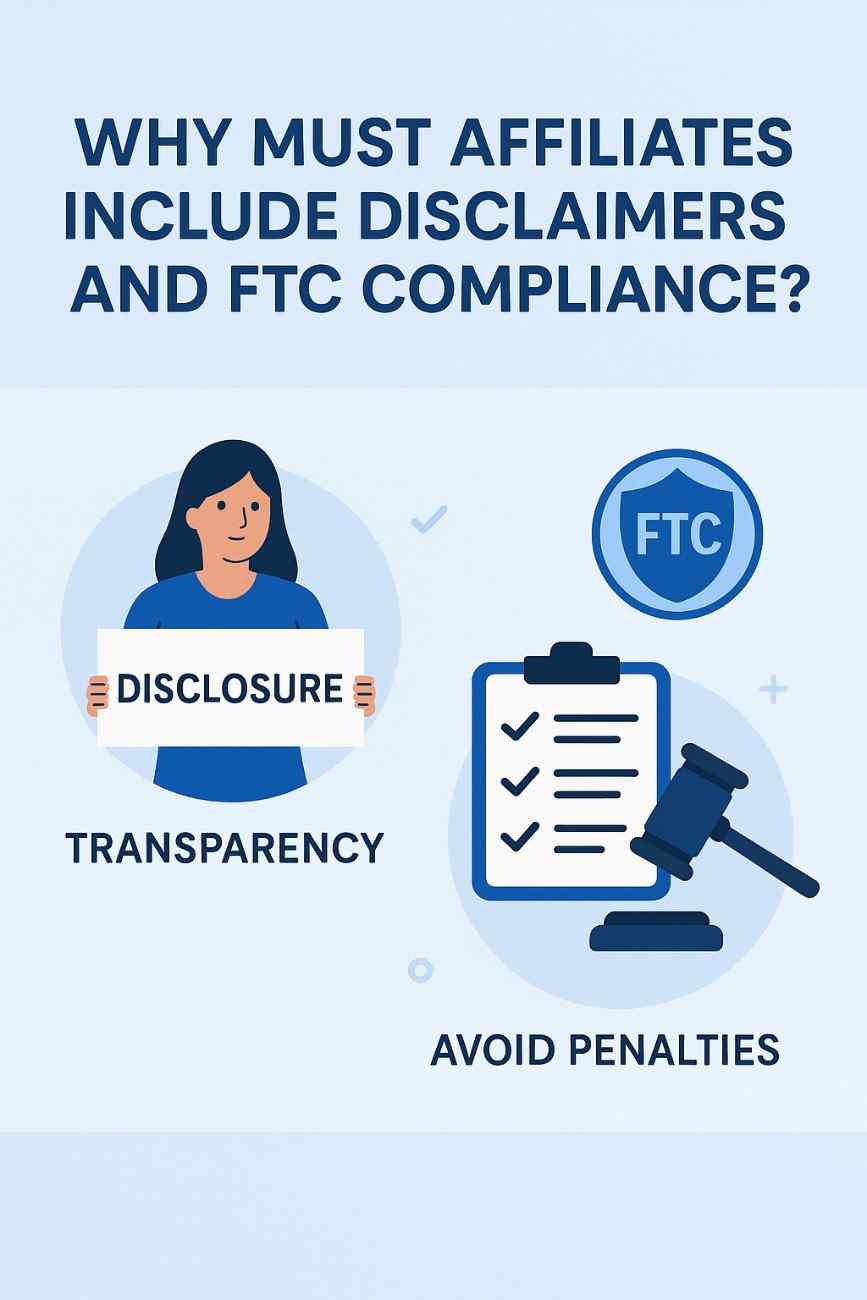
In contrast, when influencers and marketers clearly label sponsored content or disclose affiliate links, it gives their audience the full picture. They can choose to support the creator or not — but their decision is based on honesty. This openness is now even legally required in many jurisdictions. Regulatory bodies like the Federal Trade Commission (FTC) in the U.S. enforce guidelines requiring influencers to disclose paid promotions to protect consumers from deceptive advertising.


3. Strengthening Community and Engagement

Transparency creates authenticity, which in turn fosters a sense of community and deeper engagement. People resonate with real stories, honest opinions, and genuine experiences. When creators share their journeys — including failures and vulnerabilities — they become relatable. This relatability leads to stronger emotional connections.

For instance, YouTubers or bloggers who are open about their mental health struggles, creative blocks, or career setbacks often receive overwhelming support from their audience. They are seen as human, not just as personalities. In turn, this invites audiences to share their own stories, transforming a one-way broadcast into a two-way dialogue. This is how strong communities are formed — through mutual honesty and empathy.


4. Managing Crises Effectively

Crises are inevitable, especially for public-facing entities. How you handle a crisis says a lot about your values and integrity. Transparent communication is key to crisis management. Whether it’s a data breach, a controversial statement, or a product failure, hiding the issue or deflecting blame usually backfires. The truth almost always comes out, and when it does, audiences feel betrayed.

Consider the example of Tylenol’s 1982 cyanide crisis, when several people died after consuming cyanide-laced capsules. Johnson & Johnson, the parent company, responded by recalling over 31 million bottles — despite it not being directly their fault — and cooperated fully with the media and law enforcement. Their transparent and swift action restored public trust and is still cited as a gold standard in crisis communication.

On the contrary, companies or individuals that attempt to “cover up” their mistakes often face severe reputational damage. The Volkswagen emissions scandal is one example where initial dishonesty led to billions in fines and a tarnished brand image.


5. Enhancing Accountability

Transparency breeds accountability. When you openly share your goals, practices, or decisions, you invite others to hold you responsible. This pressure — though intimidating — is beneficial. It pushes businesses and individuals to stick to their values and consistently strive to do better.

For creators, being open about content partnerships, changes in direction, or even monetization strategies allows followers to give constructive feedback. For businesses, transparency in pricing, environmental practices, or employee treatment invites scrutiny that can drive positive change.

When companies publish annual sustainability reports or share how customer data is used, they demonstrate accountability. Transparency forces a higher standard — one that ethical and audience-focused individuals and organizations are willing to meet.


6. Supporting Ethical Marketing and Advertising

In affiliate marketing, influencer promotions, or online sales, ethical marketing is rooted in transparency. Misleading claims, hidden costs, or disguised sponsorships not only risk losing audience trust but can also attract legal penalties.

Audiences are increasingly aware and educated. Many users install ad blockers or follow only those creators they feel are honest. By being upfront about intentions, like saying “This post contains affiliate links” or “I was invited by the brand but my opinions are my own,” marketers show respect for their audience.

A good example is the skincare brand The Ordinary, which built its loyal customer base largely through radical transparency. They publish detailed product ingredient lists, clear usage instructions, and even explain their pricing structures to show they aren’t overcharging. Consumers appreciate this openness and reward it with loyalty and advocacy.


7. Establishing a Positive Brand Identity

Transparency is a key differentiator in a crowded marketplace. Audiences want to know who they are supporting, not just what they’re buying or watching. Being transparent about company culture, mission, challenges, and even financials can attract like-minded consumers.

Modern consumers, especially Gen Z and Millennials, care about brand values. They prefer brands that are open about issues like diversity, inclusion, environmental practices, and worker rights. A brand that hides behind PR filters is often perceived as outdated or suspicious.

For example, clothing brands like Patagonia are admired not just for their products but for their transparency about supply chains, labor practices, and environmental impact. They’ve created a brand identity that goes beyond clothing — one that reflects integrity and responsibility.


Example: A Transparent YouTuber

Let’s consider a practical example from the content creation space. Imagine a YouTuber named Sarah who creates fitness content. Over time, she builds a following for her honest and practical advice. She begins to get sponsorship offers from supplement companies.

Instead of just promoting any product for money, Sarah chooses to only accept deals for products she genuinely uses. She also clearly states at the beginning of each video, “This video is sponsored by XYZ. I’ve been using this product for two months, and here’s my honest opinion.”

Additionally, when she experiences an injury and can’t post workout videos for a few weeks, she updates her followers with a video explaining the situation, rather than disappearing. Her audience appreciates the honesty, continues to support her, and even suggests alternative content ideas.

Contrast this with another influencer who promotes random products, doesn’t disclose paid partnerships, and disappears without updates. Their following may grow initially but is likely to decline as audience trust erodes.

Sarah’s transparency not only enhances her credibility but also attracts high-quality brands that align with her values. Over time, her channel becomes not just a source of fitness content, but a trustworthy and influential voice in the health community.


Conclusion

In a world where attention is currency and trust is hard to earn, transparency is not optional — it is essential. Whether you are a creator, business, influencer, or brand, your relationship with your audience depends on the honesty of your communication. Transparency builds trust, promotes accountability, encourages deeper engagement, and supports long-term growth.

It may seem risky to share too much — to admit faults, disclose sponsorships, or reveal behind-the-scenes struggles — but these actions show humanity, integrity, and respect for your audience. In the end, people follow people — not perfect personas. And people support brands they can believe in, not those hiding behind a façade.

In a time where authenticity is more valued than polish, full transparency isn’t just good ethics — it’s good business.

How Can Plagiarism Affect Your Affiliate Marketing Success?

How Can Plagiarism Affect Your Affiliate Marketing Success?

In affiliate marketing, where individuals or businesses earn commissions by promoting products or services through unique tracking links, content is a cornerstone of success. Affiliates rely on blogs, social media posts, videos, and other forms of content to attract audiences, build trust, and drive conversions. However, plagiarism—the act of copying or using someone else’s work without proper attribution—poses a significant threat to an affiliate marketer’s success. Plagiarism can undermine credibility, damage search engine rankings, invite legal consequences, and erode audience trust, all of which are critical to thriving in the competitive affiliate marketing landscape. This comprehensive explanation, spanning at least 1,200 words, will explore the multifaceted ways plagiarism impacts affiliate marketing success, the mechanisms behind these effects, and provide a practical example to illustrate the consequences and best practices for avoiding plagiarism.

Understanding Plagiarism in Affiliate Marketing

What Is Plagiarism?

Plagiarism involves using someone else’s content—text, images, videos, or ideas—without permission or proper credit, presenting it as one’s own. In affiliate marketing, plagiarism can occur in various forms:

  • Copying Text: Reproducing blog posts, product reviews, or website copy from another source without attribution.
  • Using Images or Videos: Taking visuals from competitors, merchants, or stock sites without licensing or permission.
  • Paraphrasing Without Credit: Rewriting someone else’s content closely without citing the source.
  • Scraping Content: Using automated tools to extract content from other websites for use on an affiliate site.
  • Reusing Merchant Content: Copying product descriptions, banners, or promotional materials directly from a merchant’s site without customization or permission.

While some affiliates may plagiarize intentionally to save time or effort, others may do so unintentionally due to ignorance of proper attribution practices. Regardless of intent, the consequences can be severe.

Why Content Matters in Affiliate Marketing

Affiliate marketers rely on content to:

  • Attract Traffic: Blog posts, videos, or social media content optimized for search engines or social platforms drive organic and targeted traffic.
  • Build Trust: High-quality, authentic content establishes the affiliate as a credible authority, encouraging audiences to trust their recommendations.
  • Drive Conversions: Engaging content persuades users to click affiliate links and complete actions like purchases or sign-ups.
  • Differentiate in a Crowded Market: Unique content helps affiliates stand out among competitors promoting similar products.

Plagiarism undermines these goals, jeopardling a ripple effect that can derail an affiliate’s success.


How Plagiarism Affects Affiliate Marketing Success

Plagiarism impacts affiliate marketers across multiple dimensions, including search engine performance, audience trust, legal risks, and relationships with merchants and affiliate networks. Below are the key ways it hinders success:

1. Search Engine Penalties and Reduced Visibility

Search engines like Google prioritize original, high-quality content to deliver value to users. Plagiarized content can trigger severe penalties that harm an affiliate’s visibility:

  • Duplicate Content Penalties: Google’s algorithms detect duplicated or scraped content and may demote or deindex pages, reducing organic traffic. For example, if an affiliate copies a product review from another site, Google may rank the original higher, leaving the affiliate’s page buried in search results.
  • Loss of Authority: Repeated plagiarism signals to search engines that a site lacks originality, lowering its domain authority and rankings across all pages.
  • Algorithm Updates: Google’s updates, like Panda (focused on content quality), penalize thin or duplicated content, which is common in plagiarized affiliate sites.
  • Keyword Cannibalization: If multiple sites use identical content, they compete for the same keywords, diluting the affiliate’s chances of ranking well.

Without strong search engine visibility, affiliates lose organic traffic, a primary driver of clicks and commissions, directly impacting revenue.

2. Loss of Audience Trust and Engagement

Trust is the foundation of affiliate marketing, as audiences rely on affiliates for honest recommendations. Plagiarism erodes this trust:

  • Perceived Inauthenticity: If audiences discover content is copied, they may question the affiliate’s expertise and motives, reducing their likelihood of following recommendations.
  • Poor User Experience: Plagiarized content is often generic or poorly adapted, failing to address the audience’s specific needs or pain points. This leads to higher bounce rates and lower engagement.
  • Reputation Damage: Once exposed, plagiarism can tarnish an affiliate’s reputation across their audience, social media followers, and industry peers, making it harder to rebuild credibility.

For example, a copied product review that doesn’t reflect the affiliate’s genuine experience may fail to resonate with readers, leading to fewer affiliate link clicks.

3. Legal and Ethical Consequences

Plagiarism can lead to legal and ethical issues that jeopardize an affiliate’s business:

  • Copyright Infringement: Copying text, images, or videos without permission violates copyright laws, potentially leading to cease-and-desist letters, lawsuits, or financial penalties. For instance, using a merchant’s product images without a license could result in legal action.
  • Takedown Notices: Under laws like the Digital Millennium Copyright Act (DMCA), content owners can request removal of plagiarized material, leading to deleted pages or entire websites.
  • Ethical Violations: Plagiarism undermines the ethical principle of giving credit where it’s due, alienating collaborators and industry peers who value originality.

Legal battles or takedown notices can drain an affiliate’s resources and force them to rebuild their online presence from scratch.

4. Damage to Merchant and Network Relationships

Affiliate programs and merchants rely on affiliates to represent their brand professionally. Plagiarism can strain these relationships:

  • Program Termination: Many affiliate programs prohibit plagiarized content in their terms of service. If detected, affiliates risk being removed from the program and losing pending commissions.
  • Brand Misrepresentation: Copied content may misalign with the merchant’s messaging or values, damaging their reputation. For example, a plagiarized review with outdated information could mislead consumers about a product.
  • Network Blacklisting: Affiliate networks like ShareASale or CJ Affiliate may ban affiliates caught plagiarizing, limiting access to multiple programs across the network.

Losing access to lucrative programs can cripple an affiliate’s income stream and long-term prospects.

5. Reduced Conversion Rates

Plagiarized content often fails to convert effectively:

  • Lack of Uniqueness: Copied content doesn’t differentiate the affiliate from competitors, making it harder to capture audience attention or stand out in a crowded niche.
  • Mismatched Audience Needs: Plagiarized content may not address the specific pain points or interests of the affiliate’s target audience, reducing its persuasive power.
  • Trust Deficits: Audiences are less likely to act on recommendations from a source they perceive as unoriginal or untrustworthy.

Lower conversions translate directly to fewer commissions, undermining the affiliate’s financial success.

6. Long-Term Brand Damage

For affiliates building a personal brand or authority site, plagiarism poses a long-term threat:

  • Loss of Credibility: Once labeled as a plagiarist, an affiliate may struggle to regain audience trust or attract partnerships.
  • Missed Opportunities: Brands and networks prefer to work with affiliates who produce original, high-quality content, meaning plagiarists miss out on sponsorships, collaborations, or exclusive offers.
  • Scalability Issues: Plagiarized content limits an affiliate’s ability to scale their business through diverse channels (e.g., YouTube, podcasts) that require unique, engaging material.

7. Impact on Content Strategy

Plagiarism hinders an affiliate’s ability to develop a sustainable content strategy:

  • Short-Term Focus: Relying on copied content prioritizes quick wins over long-term growth, as affiliates fail to invest in original content that builds authority over time.
  • Algorithm Vulnerability: Search engines and social platforms frequently update algorithms to penalize low-quality or duplicated content, leaving plagiarists vulnerable to traffic drops.
  • Limited Creativity: Plagiarism stifles creativity, preventing affiliates from crafting unique value propositions or innovative campaigns that resonate with audiences.

Strategies to Avoid Plagiarism

To mitigate the risks of plagiarism, affiliates can adopt the following best practices:

  1. Create Original Content: Write reviews, guides, or posts based on personal experience or research, tailored to the audience’s needs.
  2. Proper Attribution: Cite sources when referencing ideas, data, or quotes, using links or credits (e.g., “According to [Source]”).
  3. Use Licensed Media: Obtain images or videos from licensed stock sites or merchants’ affiliate resources, ensuring compliance with copyright.
  4. Paraphrase Thoughtfully: Rewrite ideas in your own words and add unique insights, always crediting the original source if heavily inspired.
  5. Plagiarism Checkers: Use tools like Copyscape, Grammarly, or Turnitin to scan content for unintentional duplication.
  6. Merchant Guidelines: Follow merchants’ rules for using their promotional materials, such as customizing provided copy rather than copying it verbatim.
  7. Invest in Content Creation: Hire writers, designers, or videographers to produce original content if time or skills are limited.

Example of Plagiarism’s Impact on Affiliate Marketing

Scenario

Emma, an affiliate marketer, runs a blog, “TechBit,” focused on consumer electronics. She promotes a wireless earbud brand, SoundWave, through an affiliate program paying $20 per sale. To save time, Emma copies a detailed product review of SoundWave earbuds from a competitor’s blog, including text and images, and posts it on her site with her affiliate links. She also uses SoundWave’s official product descriptions without customization, assuming it’s permissible.

Step 1: Initial Success

Emma’s plagiarized review ranks well initially due to its keyword optimization, driving 500 monthly visitors and 20 sales, earning $400 in commissions. She’s thrilled with the quick results and plans to replicate this strategy for other products.

Step 2: Consequences Emerge

Several issues arise:

  • Search Engine Penalty: Google’s algorithm detects the duplicated content via its Panda update. Emma’s review is demoted, dropping from page 1 to page 5 in search results, reducing traffic to 50 visitors monthly and commissions to $40.
  • Audience Backlash: A reader recognizes the copied review and comments on Emma’s blog, calling out the plagiarism. The comment spreads on social media, with users labeling TechBit as untrustworthy, leading to a 30% drop in email subscribers.
  • DMCA Notice: The original review’s author files a DMCA takedown notice with Emma’s web host, forcing her to remove the post or risk losing her site. Emma spends hours addressing the issue, delaying new content creation.
  • Merchant Action: SoundWave’s affiliate manager discovers Emma’s use of their uncustomized product descriptions, violating program terms. They suspend her account, withholding $400 in pending commissions and banning her from the program.
  • Legal Threat: The competitor threatens legal action for copyright infringement, demanding $2,000 in damages for the unauthorized use of their content and images.

Step 3: Long-Term Impact

Emma’s blog suffers:

  • Traffic Loss: With the review removed and rankings tanked, TechBit’s organic traffic plummets, reducing overall affiliate revenue.
  • Reputation Damage: Negative comments and social media buzz deter new visitors and partnerships, forcing Emma to rebrand her blog.
  • Lost Opportunities: Other affiliate programs hesitate to work with Emma after learning of her plagiarism, limiting her access to high-paying offers.
  • Financial Strain: Legal fees and lost commissions drain Emma’s resources, making it harder to invest in original content.

Step 4: Recovery Efforts

To rebuild, Emma takes corrective actions:

  • Original Content: She writes a new, authentic SoundWave review based on her own testing, emphasizing unique insights like battery life in real-world use.
  • Plagiarism Checks: She uses Copyscape to ensure all future content is original.
  • Proper Licensing: Emma sources images from SoundWave’s affiliate portal and licensed stock sites.
  • Transparency: She adds a disclaimer to her blog, crediting sources for inspiration or data.
  • SEO Recovery: Emma invests in SEO training to create high-quality, original content, gradually regaining rankings.

Why This Example Matters

Emma’s case illustrates how plagiarism can lead to immediate financial losses, long-term reputational damage, and legal risks. Her initial success was short-lived, as search engine penalties, audience distrust, and merchant consequences derailed her efforts. By adopting ethical practices, Emma begins to recover, highlighting the importance of originality for sustainable success.


Conclusion

Plagiarism is a significant threat to affiliate marketing success, undermining search engine rankings, audience trust, merchant relationships, and legal standing. It leads to penalties from search engines, reduced conversions, reputational harm, and potential lawsuits, all of which can cripple an affiliate’s business. The example of Emma’s TechBit blog demonstrates how copying content can backfire, causing traffic drops, commission losses, and industry backlash. By prioritizing original content, proper attribution, and compliance with merchant guidelines, affiliates can avoid these pitfalls and build a sustainable, trustworthy brand. In an industry where credibility and visibility are paramount, investing in unique, high-quality content is not just a best practice—it’s a prerequisite for long-term success.

What Is Trademark Bidding in Affiliate Marketing, and Why Is It Controversial?

In affiliate marketing, where individuals or businesses earn commissions by promoting products or services through unique tracking links, trademark bidding is a common yet contentious practice. It involves affiliates using a merchant’s trademarked brand name or related terms as keywords in pay-per-click (PPC) advertising campaigns, such as Google Ads, to drive traffic to their affiliate links. While this strategy can generate significant traffic and commissions, it is controversial due to its ethical, legal, and competitive implications. This comprehensive explanation, spanning at least 1,200 words, will define trademark bidding, explore its mechanics, discuss why it sparks debate, and provide a practical example to illustrate its application and challenges.


Understanding Trademark Bidding in Affiliate Marketing

What Is Trademark Bidding?

Trademark bidding, also known as brand bidding, occurs when affiliates bid on a merchant’s trademarked terms (e.g., brand names, product names, or slogans) as keywords in PPC advertising platforms. When users search for these terms, the affiliate’s ad appears, directing traffic to a landing page containing their affiliate link or, in some cases, directly to the merchant’s website. The affiliate earns a commission for any resulting actions, such as sales or leads, tracked through their link.

For example, if an affiliate promotes Nike products, they might bid on keywords like “Nike,” “Nike Air Max,” or “buy Nike shoes” to display ads that link to Nike’s website via their affiliate link. When users click the ad and make a purchase, the affiliate earns a commission.

How Trademark Bidding Works

The mechanics of trademark bidding involve several steps:

  1. Keyword Selection: The affiliate identifies the merchant’s trademarked terms or related phrases with high search volume and relevance to their campaign.
  2. Ad Creation: The affiliate creates PPC ads on platforms like Google Ads or Bing Ads, incorporating the trademarked terms in the ad text, headlines, or display URLs (if permitted).
  3. Bidding: The affiliate sets a bid amount for each keyword, competing with other advertisers (including the merchant or other affiliates) to secure ad placement.
  4. Landing Page or Direct Linking: Clicks on the ad direct users to either a landing page (e.g., a review site with affiliate links) or the merchant’s website via the affiliate’s tracking link.
  5. Conversion Tracking: The affiliate network or merchant tracks conversions (e.g., sales, sign-ups) to attribute commissions to the affiliate.

Types of Trademark Bidding

Trademark bidding can take various forms, depending on the affiliate’s strategy:

  • Pure Trademark Bidding: Bidding solely on the merchant’s brand name (e.g., “Nike”).
  • Trademark Plus Bidding: Combining the brand name with generic terms (e.g., “Nike running shoes” or “Nike discount”).
  • Misspelled Trademarks: Bidding on common misspellings of the brand (e.g., “Nkie shoes”).
  • Competitor Bidding: Bidding on a competitor’s trademark to divert traffic (e.g., an Adidas affiliate bidding on “Nike”).

Why Is Trademark Bidding Controversial?

Trademark bidding is a polarizing practice in affiliate marketing due to its impact on merchants, affiliates, consumers, and the broader ecosystem. The controversy stems from several ethical, legal, and competitive issues.

1. Ethical Concerns

Trademark bidding raises ethical questions about fairness and transparency:

  • Exploiting Brand Equity: Merchants invest heavily in building brand recognition, yet affiliates can capitalize on this equity by bidding on their trademarks, often without contributing to brand awareness. This feels exploitative to merchants, as affiliates may siphon traffic that would have gone directly to the merchant’s site.
  • Misleading Consumers: Ads using trademarked terms may confuse users into thinking they’re clicking on the merchant’s official ad, especially if affiliates use brand names in ad copy or display URLs. This can erode consumer trust if the affiliate’s landing page is low-quality or deceptive.
  • Unfair Competition Among Affiliates: Affiliates who bid on trademarks may outcompete those using organic or non-brand strategies, creating an uneven playing field. Smaller affiliates with limited budgets struggle to compete in high-cost PPC auctions.

2. Legal and Trademark Issues

Trademark bidding can infringe on intellectual property rights, leading to legal disputes:

  • Trademark Infringement: Using a merchant’s trademark in ad copy or bidding on it without permission may violate trademark law, especially if it causes consumer confusion. While bidding on keywords alone is generally legal in many jurisdictions (e.g., the U.S.), using trademarks in ad text or domains can trigger lawsuits.
  • Merchant Policies: Most affiliate programs explicitly prohibit trademark bidding in their terms of service. Violating these rules can result in account termination, withheld commissions, or bans. However, enforcement varies, and some affiliates exploit lax oversight.
  • Jurisdictional Variations: Trademark laws differ globally. In the EU, for instance, courts have ruled against advertisers using competitors’ trademarks in ads if it causes confusion, complicating cross-border campaigns.

3. Impact on Merchants

Merchants often view trademark bidding as detrimental to their business:

  • Increased Advertising Costs: Affiliates bidding on brand terms drive up PPC costs, forcing merchants to bid higher to maintain top ad placements for their own campaigns. This inflates marketing budgets without necessarily increasing sales.
  • Cannibalization of Organic Traffic: Many users searching for a brand (e.g., “Amazon”) intend to visit the merchant’s site directly. Affiliates intercepting this traffic through ads may claim commissions for conversions that would have occurred organically, reducing the merchant’s profit margins.
  • Brand Control: Affiliates’ ads may not align with the merchant’s branding or messaging, potentially harming brand reputation if the ads are poorly designed or misleading.

4. Consumer Experience

Trademark bidding can negatively affect consumers:

  • Confusion: Users may click affiliate ads expecting the merchant’s official site but land on a third-party page, leading to frustration or distrust.
  • Lower-Quality Content: Some affiliates create low-value landing pages optimized for conversions rather than user experience, such as generic review sites with minimal information.
  • Higher Prices: Increased PPC costs for merchants may lead to higher product prices, indirectly impacting consumers.

5. Affiliate Program Dynamics

Trademark bidding creates tension within affiliate programs:

  • Conflict with Merchants: Merchants may restrict or ban trademark bidding to protect their brand and reduce costs, frustrating affiliates who rely on this strategy.
  • Enforcement Challenges: Monitoring and enforcing trademark bidding restrictions is resource-intensive. Some affiliates use workarounds, like bidding on misspellings or broad-match keywords, to skirt rules.
  • Program Reputation: Programs that allow unchecked trademark bidding may attract low-quality affiliates, deterring ethical affiliates and harming the program’s credibility.

6. Industry Debate

The affiliate marketing industry is divided on trademark bidding:

  • Proponents: Some argue it’s a legitimate strategy, as affiliates drive targeted traffic and boost sales. They claim merchants benefit from increased visibility, especially for niche products, and that bidding on keywords is a standard PPC practice.
  • Opponents: Others view it as parasitic, arguing that affiliates add little value when intercepting brand searches. They advocate for stricter policies to prioritize organic and content-driven affiliate strategies.

7. Platform Policies

PPC platforms like Google Ads have their own rules for trademark bidding:

  • Google allows bidding on trademarked keywords but restricts their use in ad text unless the advertiser is the trademark owner, a reseller, or an informational site. Affiliates must navigate these restrictions carefully to avoid ad disapprovals.
  • Merchants can file trademark complaints with Google to limit competitors’ or affiliates’ use of their brand in ads, further complicating the practice.

Example of Trademark Bidding in Affiliate Marketing

Scenario

An affiliate, John, promotes a web hosting service, Bluehost, through an affiliate program that pays $65 per new customer sign-up. John decides to use Google Ads to drive traffic to his affiliate link but engages in trademark bidding, sparking controversy.

Step 1: Campaign Setup

John creates a Google Ads campaign targeting Bluehost’s trademarked terms, such as:

  • “Bluehost”
  • “Bluehost hosting”
  • “Bluehost discount”
  • “buy Bluehost”

He also bids on related terms like “Bluehost coupon” and misspellings like “Bluehosst.” His ads read:

  • Headline: “Get Bluehost Hosting Today!”
  • Description: “Save on reliable web hosting with Bluehost. Sign up now for exclusive offers!”
  • Display URL: www.WebHostingDeals.com (his landing page)

John directs clicks to a landing page comparing hosting providers, with Bluehost prominently featured and linked via his affiliate tracking URL.

Step 2: Traffic and Conversions

The campaign performs well, generating 1,000 clicks in a month at an average cost of $2 per click ($2,000 total). Of these, 50 users sign up for Bluehost, earning John $3,250 in commissions ($65 x 50). His profit is $1,250 after ad costs. Many clicks come from users searching “Bluehost” directly, intending to visit Bluehost’s official site.

Step 3: Controversy Arises

Bluehost’s affiliate manager notices John’s campaign through their PPC monitoring tools and raises concerns:

  • Policy Violation: Bluehost’s affiliate terms prohibit bidding on trademarked terms like “Bluehost” without prior approval. John’s campaign violates this rule.
  • Increased Costs: Bluehost’s own Google Ads campaign for “Bluehost” now costs more due to John’s bids, which drive up keyword prices from $1.50 to $2 per click.
  • Organic Traffic Loss: Analytics show that 70% of John’s conversions were from users who would likely have visited Bluehost directly, meaning John is claiming commissions for organic traffic.
  • Consumer Confusion: Some users report clicking John’s ad, expecting Bluehost’s site, but landing on his comparison page, which includes competitors’ offers.

Step 4: Consequences

Bluehost takes action:

  • Account Suspension: John’s affiliate account is suspended pending investigation. He risks losing his $3,250 in pending commissions.
  • Commission Reversal: Bluehost reverses commissions for conversions attributed to trademark bidding, citing policy violations.
  • Program Update: Bluehost strengthens its terms, explicitly banning trademark bidding and requiring affiliates to submit PPC campaigns for approval. They also file a trademark complaint with Google to restrict unauthorized use of “Bluehost” in ad copy.
  • Affiliate Communication: Bluehost emails all affiliates, clarifying PPC rules and offering training on compliant strategies like content marketing.

Step 5: John’s Response

John argues that his campaign added value by comparing hosting options and driving informed sign-ups. However, he acknowledges the policy violation and shifts to organic strategies, such as SEO-optimized blog posts and YouTube reviews, to avoid future issues.

Why This Example Highlights the Controversy

  • Ethical Tension: John profited by leveraging Bluehost’s brand equity, but his actions increased costs and intercepted organic traffic, raising fairness concerns.
  • Legal Risk: His use of “Bluehost” in ad copy risked trademark infringement and Google ad disapprovals.
  • Merchant Impact: Bluehost faced higher ad costs and reduced margins, prompting stricter policies.
  • Consumer Experience: Users experienced confusion, highlighting the potential for mistrust.

Strategies to Address Trademark Bidding

To mitigate controversy, affiliate programs and affiliates can adopt the following approaches:

  1. Clear Program Policies: Merchants should explicitly outline PPC rules in their terms, specifying whether trademark bidding is allowed, restricted, or banned.
  2. Pre-Approval for PPC: Require affiliates to submit PPC campaigns for review to ensure compliance.
  3. Monitoring Tools: Use tools like BrandVerity or SEMrush to track keyword bids and detect unauthorized trademark use.
  4. Alternative Strategies: Encourage affiliates to focus on content marketing, SEO, or social media to drive traffic without relying on brand terms.
  5. Education: Provide affiliates with training on ethical PPC practices and program rules.
  6. Collaboration: Merchants and affiliates can work together to create approved PPC campaigns that benefit both parties, such as co-branded ads.

Conclusion

Trademark bidding in affiliate marketing is a strategy where affiliates bid on a merchant’s brand terms in PPC campaigns to drive traffic and earn commissions. While effective, it is controversial due to its ethical implications, potential for trademark infringement, increased costs for merchants, and impact on consumer trust. The practice pits affiliates’ desire for quick profits against merchants’ need to protect their brand and margins, creating tension within affiliate programs. The example of John’s Bluehost campaign illustrates how trademark bidding can lead to policy violations, financial disputes, and consumer confusion, prompting merchants to enforce stricter rules. By establishing clear policies, monitoring campaigns, and promoting ethical strategies, affiliate programs can balance the benefits of PPC advertising with the need to maintain fairness and trust. For affiliates, understanding the risks and aligning with program terms is essential to building sustainable, compliant campaigns in a competitive industry.

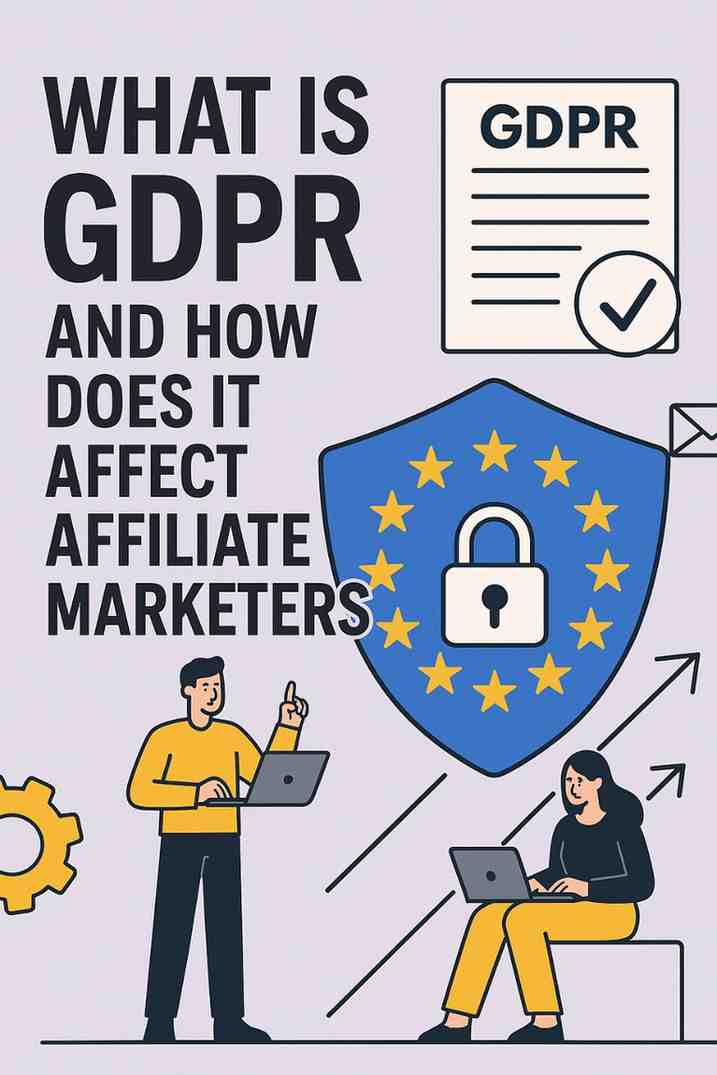
What Is GDPR, and How Does It Affect Affiliate Marketers?

The General Data Protection Regulation (GDPR) is a comprehensive data protection law enacted by the European Union (EU) that came into effect on May 25, 2018. It establishes strict rules for how personal data of individuals within the EU and the European Economic Area (EEA) is collected, processed, stored, and shared. GDPR has far-reaching implications for businesses and individuals worldwide, including affiliate marketers, who often rely on collecting and processing user data to drive traffic and conversions. This detailed explanation, spanning at least 1,200 words, will explore the core principles of GDPR, its impact on affiliate marketers, the compliance requirements they face, and provide a practical example to illustrate its application in affiliate marketing.


Understanding GDPR

What Is GDPR?

GDPR is a regulation designed to protect the privacy and personal data of EU residents while harmonizing data protection laws across EU member states. It applies to any organization or individual processing the personal data of EU residents, regardless of where the organization is based. Personal data under GDPR is broadly defined as any information relating to an identified or identifiable individual, such as names, email addresses, IP addresses, cookies, or behavioral data.

Core Principles of GDPR

GDPR is built on seven key principles that guide how personal data must be handled:

  1. Lawfulness, Fairness, and Transparency: Data must be processed legally, fairly, and in a transparent manner, with clear communication to individuals about how their data is used.
  2. Purpose Limitation: Data must be collected for specific, explicit, and legitimate purposes and not used for unrelated activities.
  3. Data Minimization: Only the data necessary for the stated purpose should be collected.
  4. Accuracy: Data must be accurate and kept up to date, with inaccuracies corrected promptly.
  5. Storage Limitation: Data should be retained only for as long as necessary for the intended purpose.
  6. Integrity and Confidentiality: Data must be processed securely to protect against unauthorized access, loss, or damage.
  7. Accountability: Organizations must demonstrate compliance with GDPR principles and take responsibility for their data practices.

Key Rights of Individuals

GDPR grants EU residents several rights over their personal data, including:

  • Right to Be Informed: Individuals must be informed about how their data is collected and used.
  • Right of Access: Individuals can request access to their personal data.
  • Right to Rectification: Individuals can request corrections to inaccurate data.
  • Right to Erasure (“Right to Be Forgotten”): Individuals can request deletion of their data under certain conditions.
  • Right to Restrict Processing: Individuals can limit how their data is processed.
  • Right to Data Portability: Individuals can request their data in a transferable format.
  • Right to Object: Individuals can object to data processing, including for marketing purposes.
  • Rights Related to Automated Decision-Making: Individuals can challenge decisions made solely by automated systems, such as profiling.

Penalties for Non-Compliance

Non-compliance with GDPR can result in severe penalties, including fines of up to €20 million or 4% of annual global turnover, whichever is higher. Additionally, organizations may face reputational damage, legal action from individuals, and regulatory restrictions.


How GDPR Affects Affiliate Marketers

Affiliate marketers promote products or services through tracking links, earning commissions for actions like sales or leads. Their activities often involve collecting and processing personal data, such as email addresses for lead magnets, IP addresses for analytics, or cookies for tracking conversions. GDPR impacts affiliate marketers in several ways, requiring them to adapt their practices to ensure compliance while maintaining effective marketing strategies.

1. Applicability to Affiliate Marketers

GDPR applies to affiliate marketers if they:

  • Target EU residents (e.g., through ads, websites, or email campaigns).
  • Process personal data of EU residents, even if the affiliate is based outside the EU.
  • Work with affiliate networks, merchants, or third-party tools that process EU residents’ data.

For example, an affiliate in the U.S. running a blog with EU visitors or using an EU-based affiliate network must comply with GDPR.

2. Consent for Data Collection

GDPR requires explicit and informed consent before collecting personal data, such as when users opt into email lists or accept cookies. For affiliate marketers, this means:

  • Cookie Consent: Affiliates using tracking cookies (common in affiliate marketing) must obtain user consent through a clear cookie banner or pop-up. The banner should explain what cookies are used for (e.g., tracking, analytics) and allow users to opt out.
  • Opt-In Forms: Lead magnets, such as eBooks or webinars, must include checkboxes for users to actively consent to data collection. Pre-ticked boxes or implied consent are not GDPR-compliant.
  • Transparency: Affiliates must disclose how data will be used, who it will be shared with (e.g., affiliate networks, merchants), and how long it will be stored.

Without proper consent, affiliates risk penalties and loss of user trust.

3. Data Processing and Sharing

Affiliate marketers often share data with affiliate networks, merchants, or third-party tools (e.g., email marketing platforms, analytics services). GDPR requires:

  • Data Processing Agreements (DPAs): Affiliates must have contracts with third parties outlining GDPR-compliant data handling. For example, an affiliate using Mailchimp for email campaigns needs a DPA with Mailchimp.
  • Data Minimization: Affiliates should collect only the data necessary for their campaigns (e.g., email addresses for newsletters, not full addresses unless required).
  • Secure Data Handling: Affiliates must use secure platforms and encryption to protect data from breaches.

4. Transparency and Disclosures

GDPR’s transparency principle aligns with affiliate marketing’s need for disclosures (e.g., FTC compliance in the U.S.). Affiliates must:

  • Include a privacy policy on their websites, detailing what data is collected, how it’s used, and users’ rights under GDPR.
  • Disclose data-sharing practices, such as whether affiliate links or tracking cookies share data with merchants or networks.
  • Provide contact information for data protection inquiries, such as an email address.

5. User Rights Management

Affiliates must have processes to handle user requests under GDPR, such as:

  • Providing data access or copies within 30 days.
  • Deleting user data upon request (e.g., unsubscribing from email lists).
  • Allowing users to object to marketing emails or profiling.

This can be challenging for small-scale affiliates without dedicated resources, but compliance is mandatory.

6. Impact on Marketing Strategies

GDPR forces affiliates to rethink their strategies, particularly in areas like:

  • Email Marketing: Affiliates must use double opt-in processes, where users confirm their subscription, and provide easy unsubscribe options. Purchased email lists are generally non-compliant.
  • Retargeting Ads: Retargeting relies on cookies or pixel tracking, requiring user consent. Without consent, affiliates may lose access to valuable ad audiences.
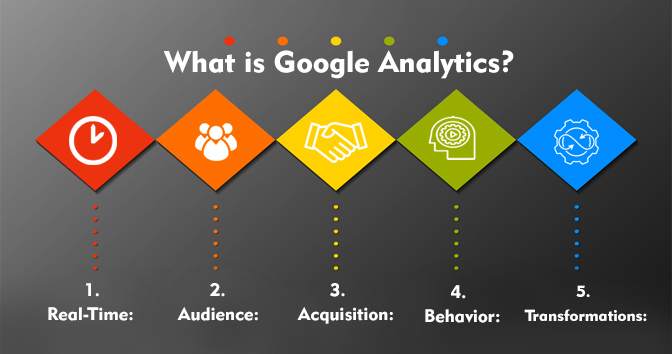
  • Analytics: Tools like Google Analytics collect IP addresses, considered personal data under GDPR. Affiliates must anonymize IP addresses or obtain consent for tracking.
  • Lead Magnets: Opt-in forms for lead magnets must include GDPR-compliant consent mechanisms and clear privacy disclosures.

7. Challenges for Affiliate Marketers

GDPR compliance presents several challenges:

  • Increased Costs: Implementing consent management tools, secure platforms, or legal advice can be expensive.
  • Reduced Data Access: Stricter consent rules may reduce the number of users who opt in, shrinking email lists or ad audiences.
  • Complexity: Small affiliates may struggle to navigate GDPR’s legal requirements, especially if working across multiple jurisdictions.
  • Global Reach: Affiliates targeting EU users must comply even if based elsewhere, adding complexity to international campaigns.

8. Benefits of Compliance

Despite the challenges, GDPR compliance offers benefits:

  • Enhanced Trust: Transparent practices build user confidence, increasing engagement and conversions.
  • Competitive Advantage: Compliant affiliates stand out in a crowded market, appealing to privacy-conscious consumers.
  • Reduced Legal Risks: Compliance minimizes the risk of fines or lawsuits.
  • Improved Data Quality: Consent-based data collection results in more engaged, high-quality leads.

Example of GDPR in Affiliate Marketing

Scenario

An affiliate marketer, Sarah, runs a UK-based blog, “FitnessJourney,” targeting fitness enthusiasts in the EU and UK. She promotes a fitness app (e.g., MyFitnessPal) through an affiliate program, earning commissions for new subscribers. Sarah uses lead magnets, email marketing, and retargeting ads to drive traffic. Since her audience includes EU residents, she must comply with GDPR.

Step 1: Privacy Policy

Sarah creates a GDPR-compliant privacy policy on her blog, accessible via a footer link. The policy explains:

  • What data she collects (e.g., email addresses, IP addresses, cookies).
  • How data is used (e.g., for email newsletters, affiliate tracking, analytics).
  • Who data is shared with (e.g., the affiliate network, email platform, Google Analytics).
  • Users’ GDPR rights (e.g., access, erasure, objection).
  • Her contact details for data inquiries.

She also includes a cookie policy detailing the use of affiliate tracking cookies and analytics cookies.

Step 2: Consent Mechanisms

Sarah implements a cookie consent banner using a tool like CookieBot. The banner appears when users visit her blog, offering options to:

  • Accept all cookies.
  • Customize preferences (e.g., allow analytics but disable affiliate cookies).
  • Reject non-essential cookies.

For her lead magnet, a “7-Day Fitness Challenge eBook,” Sarah updates her opt-in form to include:

  • A checkbox (unticked by default) for users to consent to receiving the eBook and newsletters.
  • A link to her privacy policy.
  • A statement: “By signing up, you agree to receive emails about fitness tips and offers. You can unsubscribe anytime.”

She uses a double opt-in process, sending a confirmation email to verify subscriptions.

Step 3: Data Processing Agreements

Sarah signs DPAs with:

  • Her affiliate network (e.g., Impact), which processes data from affiliate link clicks.
  • Her email marketing platform (e.g., ConvertKit), which stores subscriber data.
  • Google Analytics, ensuring IP anonymization is enabled to minimize personal data collection.

Step 4: Email Marketing Compliance

Sarah’s email campaigns include:

  • A clear unsubscribe link in every email.
  • Her physical address (required by anti-spam laws like CAN-SPAM, which complements GDPR).
  • Content that aligns with the consent given (e.g., fitness tips and app promotions, not unrelated offers).

She regularly cleans her email list, removing inactive subscribers to comply with storage limitation.

Step 5: Handling User Requests

When a subscriber requests access to their data, Sarah uses ConvertKit’s export feature to provide their email history within 30 days. For erasure requests, she deletes the subscriber’s data from her platform and confirms completion.

Step 6: Retargeting Ads

Sarah runs Facebook retargeting ads to promote the fitness app. She ensures the Facebook Pixel on her blog is disabled until users consent to cookies. She also limits ad data retention to 180 days, per GDPR’s storage limitation principle.

Why This Works

Sarah’s approach ensures GDPR compliance by:

  • Obtaining explicit consent for cookies and email subscriptions.
  • Providing transparent privacy disclosures.
  • Securing data through DPAs and encrypted platforms.
  • Respecting user rights with efficient request handling.
  • Aligning marketing practices with GDPR principles, such as data minimization and purpose limitation.

Outcomes

  • User Trust: Visitors appreciate Sarah’s transparency, leading to a 25% opt-in rate for her lead magnet.
  • Legal Protection: Sarah avoids GDPR penalties, ensuring her blog’s sustainability.
  • Engaged Audience: Her double opt-in process results in a high-quality email list, with a 40% open rate.
  • Merchant Confidence: The fitness app’s affiliate program values Sarah’s compliance, strengthening their partnership.

Additional Considerations

Affiliate Networks and Merchants

Affiliates often rely on networks or merchants to handle data processing. However, affiliates remain responsible for their own compliance, such as obtaining consent and disclosing data practices. They should verify that networks and merchants are GDPR-compliant to avoid liability.

Post-Brexit UK

Since the UK left the EU, it has its own UK GDPR, which mirrors the EU GDPR. Affiliates targeting UK residents must comply with UK GDPR, which has similar requirements.

Tools for Compliance

Affiliates can use tools like:

  • Consent Management Platforms: CookieBot, OneTrust.
  • Email Platforms: Mailchimp, ConvertKit (with GDPR features).
  • Privacy Policy Generators: Termly, iubenda.
  • Analytics with Anonymization: Google Analytics with IP anonymization or Matomo.

Ongoing Compliance

GDPR is not a one-time task. Affiliates must monitor updates to regulations, audit their practices, and train themselves on compliance to stay current.


Conclusion

GDPR is a transformative regulation that prioritizes user privacy and imposes strict requirements on how personal data is handled. For affiliate marketers, GDPR affects every aspect of their operations, from obtaining consent for cookies and email subscriptions to securing data and respecting user rights. While compliance presents challenges, such as increased costs and reduced data access, it also fosters trust, enhances credibility, and mitigates legal risks. The example of Sarah’s fitness blog demonstrates how affiliates can integrate GDPR-compliant practices—through privacy policies, consent mechanisms, and secure data handling—while maintaining effective marketing strategies. By embracing GDPR, affiliate marketers not only meet legal obligations but also build stronger relationships with their audiences, ensuring long-term success in a privacy-conscious digital landscape.

What is Cookie Stuffing and Why is It Illegal?

In the digital marketing and affiliate landscape, where trust, transparency, and ethical behavior are paramount, cookie stuffing stands out as one of the most notorious black-hat tactics. It has earned widespread criticism for being deceptive and unethical — and more importantly, it is illegal in many jurisdictions. Cookie stuffing is not only a violation of affiliate agreements but also breaches several national and international cyber and consumer protection laws.

This article explores the concept of cookie stuffing in detail, outlines why it is considered illegal, and explains the consequences of engaging in such practices. An appropriate real-world example is also included to help clarify the seriousness of this fraudulent activity.


1. What is Cookie Stuffing?

Cookie stuffing, also known as cookie dropping, is a form of online fraud that involves placing affiliate tracking cookies on a user’s device without their knowledge or consent, even though the user has not clicked on an affiliate link or shown any intention to make a purchase.

In a legitimate affiliate marketing scenario, when a user clicks on an affiliate’s unique link and completes a purchase on the merchant’s website, a tracking cookie is dropped on the user’s browser. This cookie informs the merchant that the affiliate was responsible for the referral and, consequently, a commission is paid to the affiliate.

However, in cookie stuffing, the affiliate manipulates the process to place multiple affiliate cookies on a user’s browser. If that user later makes a purchase — even without ever interacting with the affiliate’s content — the fraudulent affiliate gets credited for the sale and receives an undeserved commission.


2. How Does Cookie Stuffing Work?

Cookie stuffing can take multiple forms, including:

a. Invisible Pixel or Script Insertion

A website can include hidden 1×1 pixel images or JavaScript that triggers multiple affiliate link calls when a user visits the page — without the user seeing or clicking on anything.

b. Pop-ups and iFrames

Some cookie stuffers use pop-up windows or invisible iFrames to load affiliate links in the background. This action places cookies into the user’s browser for various merchants.

c. Malware or Adware

Some cookie stuffing schemes involve installing malware or browser extensions that automatically place affiliate cookies whenever a user visits certain sites, regardless of the affiliate’s involvement.

d. Redirection Scripts

Unsuspecting users may be redirected through multiple affiliate URLs before arriving at their intended page — all while affiliate cookies are being dropped in the background.


3. Why is Cookie Stuffing Illegal?

Cookie stuffing is considered fraudulent and illegal because it violates trust, misrepresents actions, and financially harms both merchants and legitimate affiliates. Below are the legal and ethical reasons why cookie stuffing is not allowed:


a. Violation of Affiliate Program Terms

Nearly every affiliate program — including those from Amazon, eBay, and ClickBank — explicitly prohibits cookie stuffing in their terms of service. Participating in this practice is a direct breach of the contract between the affiliate and the merchant.

Such violations often lead to:

  • Termination of the affiliate account

  • Forfeiture of commissions

  • Legal claims for damages and fraud


b. Consumer Deception

The end-user (customer) has no knowledge that cookies are being placed on their browser. In many countries, this lack of consent violates data protection and privacy laws, such as the:

  • General Data Protection Regulation (GDPR) in the European Union

  • California Consumer Privacy Act (CCPA) in the United States

  • ePrivacy Directive (EU Cookie Law)

These laws emphasize informed consent, transparency, and the right of users to control how their data is used. Cookie stuffing bypasses user consent, thereby breaking the law.


c. Unjust Enrichment and Financial Loss

Cookie stuffing allows affiliates to earn commissions they haven’t rightfully earned. This leads to:

  • Financial losses for merchants, who pay commissions without getting genuine referrals.

  • Unfair competition for ethical affiliates, who lose earnings to cookie stuffers.

  • Distorted tracking and attribution data, affecting marketing decisions and budget allocation.

Legally, this is categorized as “unjust enrichment”, which is a civil offense in many jurisdictions.


d. Computer Fraud and Abuse Act (CFAA) – U.S. Law

In the United States, the Computer Fraud and Abuse Act (CFAA) can be used to prosecute cookie stuffing cases. The law prohibits unauthorized access to computers and digital systems to defraud others. Since cookie stuffing involves manipulating code and user data without permission, it qualifies as an offense under CFAA.


e. Federal Trade Commission (FTC) Guidelines

The FTC prohibits deceptive advertising and fraudulent affiliate behavior. Affiliates engaging in cookie stuffing can be penalized under:

  • Section 5 of the FTC Act (Unfair or Deceptive Acts or Practices)


4. Real-World Legal Case: Shawn Hogan vs. eBay

Perhaps the most high-profile example of cookie stuffing fraud is the case of Shawn Hogan, the founder of Digital Point Solutions.

Case Summary:

  • Hogan was part of the eBay Affiliate Program.

  • He allegedly used cookie stuffing techniques to drop eBay cookies on users who never clicked on his links.

  • He used hidden JavaScript, pop-ups, and redirections to place eBay affiliate cookies into the browsers of millions of users.

  • eBay found that it had paid Hogan over $28 million in affiliate commissions — most of which were deemed fraudulent.

Legal Action:

  • In 2010, eBay filed a civil lawsuit against Hogan and another marketer, Todd Dunning.

  • In 2013, Hogan was indicted on federal criminal charges for wire fraud and criminal conspiracy.

  • He faced potential prison time and was ordered to forfeit substantial amounts of money.

Outcome:

  • Hogan eventually reached a settlement and avoided a lengthy jail sentence, but the case became a landmark in the crackdown on cookie stuffing.

  • It showed that affiliate fraud is not just a policy violation — it can also be a criminal offense.


5. How Can Affiliate Marketers Avoid Cookie Stuffing?

Honest affiliates must take proactive steps to ensure that their practices remain ethical and legal:

a. Disclose Affiliate Relationships

Always disclose your affiliate links as per FTC guidelines.

b. Avoid Hidden Scripts

Do not include JavaScript or iFrames that execute affiliate links without user interaction.

c. Use Reputable Tools

Only use trusted affiliate plugins and ad managers that comply with program policies.

d. Obtain Cookie Consent

For users in the EU or other regulated areas, ensure you use cookie consent banners before placing any tracking cookies.

e. Read Affiliate Program Terms

Thoroughly review the terms of each affiliate program to avoid unintentional violations.


6. Consequences of Cookie Stuffing

Engaging in cookie stuffing can lead to severe consequences, such as:

a. Termination from Affiliate Networks

Networks like Amazon Associates, ShareASale, and CJ Affiliate ban users permanently for cookie stuffing.

b. Legal Lawsuits

Companies may pursue civil litigation to recover fraudulently earned commissions.

c. Criminal Charges

Under laws like the CFAA or FTC Act, cookie stuffing may lead to criminal prosecution.

d. Reputational Damage

Once exposed, the affiliate loses trust with merchants, platforms, and users — permanently damaging their brand.


7. Best Practices for Ethical Affiliate Marketing

To build a long-term, sustainable affiliate business:

  • Be transparent with users.

  • Promote only genuine recommendations.

  • Track clicks through clean and approved methods.

  • Use first-party cookies with permission when possible.

  • Engage in honest marketing techniques.


Conclusion

Cookie stuffing is a deceptive and illegal practice that manipulates tracking systems to earn unearned affiliate commissions. It not only violates affiliate agreements but also breaches data privacy laws, advertising standards, and, in some cases, criminal laws. The digital economy thrives on transparency and trust, and cookie stuffing threatens that foundation.

From the high-profile eBay case involving Shawn Hogan to regulatory frameworks like the FTC Act and GDPR, the message is clear: cookie stuffing is not only unethical but also legally punishable. Affiliate marketers must act responsibly, respect user consent, and follow fair practices to maintain a trustworthy online ecosystem.

Success in affiliate marketing doesn’t come from tricks — it comes from value, trust, and integrity.

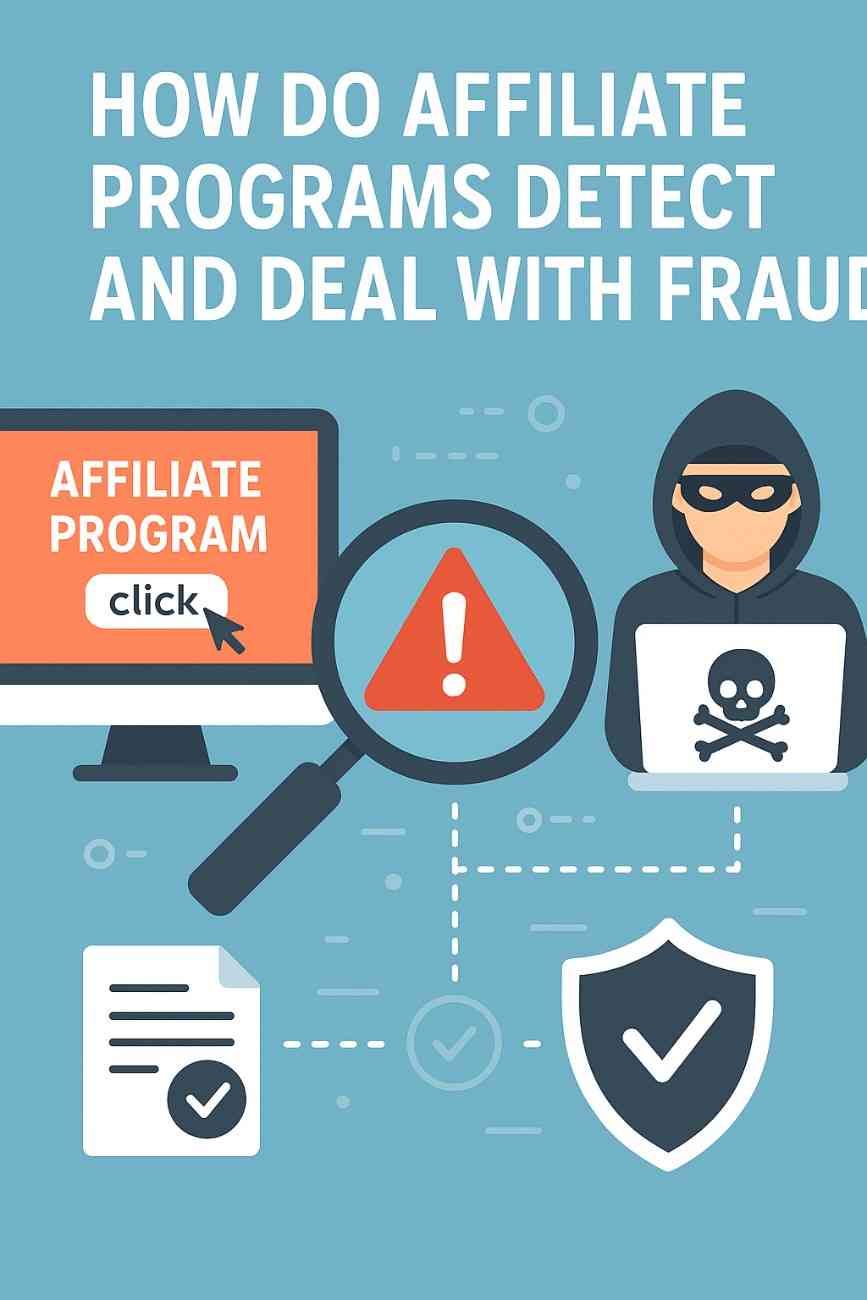
How Do Affiliate Programs Detect and Deal with Fraud?

Affiliate marketing is a performance-based marketing model where affiliates earn commissions for promoting products or services, driving sales, leads, or other actions through unique tracking links. While this model is mutually beneficial for merchants and affiliates, it is also vulnerable to fraud, where bad actors exploit the system for illegitimate gains. Fraudulent activities can undermine trust, inflate costs, and damage the reputation of affiliate programs. To combat this, affiliate programs employ sophisticated detection methods and robust strategies to identify and address fraud. This detailed explanation, spanning at least 1,200 words, will explore how affiliate programs detect and deal with fraud, the types of fraud they encounter, the technologies and processes involved, and provide a practical example to illustrate these efforts.


Understanding Affiliate Fraud

Affiliate fraud refers to any deliberate attempt to manipulate an affiliate program to earn undeserved commissions or disrupt its operations. Fraudsters may use deceptive tactics to generate fake clicks, leads, or sales, exploiting the pay-per-action model of affiliate marketing. Common types of affiliate fraud include:

  1. Click Fraud: Generating fake clicks on affiliate links using bots, scripts, or manual clicking to inflate traffic metrics without genuine user interest.
  2. Lead Fraud: Submitting fake or low-quality leads, such as invalid email addresses, duplicate submissions, or leads generated through incentivized actions (e.g., offering rewards for sign-ups).
  3. Cookie Stuffing: Forcibly placing affiliate tracking cookies on users’ devices without their interaction, so the affiliate earns commissions for purchases they didn’t influence.
  4. Fake Sales or Conversions: Using stolen credit cards, fake accounts, or other methods to create fraudulent transactions that trigger commissions but result in chargebacks or refunds.
  5. Ad Hijacking: Redirecting traffic intended for a merchant’s site to an affiliate’s link, stealing credit for organic or paid traffic.
  6. Brand Bidding: Affiliates bidding on a merchant’s branded keywords in paid search campaigns, violating program terms and inflating costs.
  7. Attribution Fraud: Manipulating tracking systems to claim credit for conversions driven by other marketing channels or affiliates.

Fraudulent activities harm merchants by increasing costs, skewing performance data, and diverting commissions from legitimate affiliates. They also erode consumer trust and can lead to legal or regulatory scrutiny. To protect their programs, merchants and affiliate networks implement proactive detection and response strategies.


How Affiliate Programs Detect Fraud

Detecting affiliate fraud requires a combination of advanced technology, data analysis, and manual oversight. Affiliate programs use the following methods to identify suspicious activities:

1. Tracking and Analytics Systems

Affiliate programs rely on tracking platforms (e.g., Impact, ShareASale, CJ Affiliate) to monitor clicks, leads, conversions, and commissions. These systems use unique affiliate IDs and cookies to attribute actions to specific affiliates. Built-in analytics tools flag anomalies, such as:

  • Unusual Traffic Spikes: Sudden increases in clicks or conversions from a single affiliate, especially without corresponding marketing efforts.
  • High Click-to-Conversion Ratios: An unusually high percentage of clicks leading to sales, which may indicate fake conversions.
  • Geographic Discrepancies: Traffic from regions unrelated to the affiliate’s target audience or the merchant’s market.
  • Low-Quality Leads: High bounce rates, invalid email domains, or duplicate submissions in lead-based campaigns.

For example, if an affiliate generates 1,000 clicks in an hour from a single IP address with no conversions, the system may flag this as potential click fraud.

2. Machine Learning and AI

Modern affiliate networks use machine learning algorithms to detect patterns indicative of fraud. These systems analyze historical data to establish benchmarks for normal affiliate behavior and identify deviations. Key features include:

  • Behavioral Analysis: Monitoring user interactions (e.g., time on site, page views) to distinguish genuine users from bots or scripts.
  • Anomaly Detection: Identifying outliers, such as affiliates with conversion rates far above or below industry norms.
  • Fraud Scoring: Assigning risk scores to affiliates or transactions based on factors like traffic sources, device types, or IP addresses.

AI can also detect cookie stuffing by analyzing whether cookies were placed without legitimate user interaction or if multiple affiliate cookies are present on a single transaction.

3. IP and Device Fingerprinting

Affiliate programs use IP address tracking and device fingerprinting to identify the source of traffic. These techniques help detect:

  • Bot Traffic: Repeated actions from the same IP or device, often using automated scripts.
  • Proxy Usage: Affiliates hiding their location through VPNs or proxy servers to mask fraudulent activities.
  • Device Spoofing: Fraudsters mimicking legitimate devices to evade detection.

For instance, if multiple conversions originate from the same device but different user accounts, the system may flag this as potential fraud.

4. Manual Audits and Compliance Checks

While technology is critical, human oversight remains essential. Affiliate managers conduct regular audits to review:

  • Affiliate Applications: Screening new affiliates for legitimacy, checking their websites, traffic sources, and marketing methods.
  • Promotional Methods: Ensuring affiliates comply with program terms, such as avoiding prohibited tactics like brand bidding or spamming.
  • Transaction Validation: Verifying high-value transactions or unusual patterns, such as sales with frequent chargebacks.

Manual audits are particularly effective for detecting subtle fraud, such as affiliates misrepresenting products or using unauthorized incentives.

5. Third-Party Fraud Detection Tools

Many affiliate programs partner with specialized fraud detection services (e.g., Forensiq, Fraudlogix, or TUNE) to enhance their capabilities. These tools offer:

  • Real-Time Monitoring: Scanning traffic as it occurs to block fraudulent actions before commissions are paid.
  • Blacklist Databases: Cross-referencing IPs, email addresses, or devices against known fraud databases.
  • Cross-Channel Analysis: Comparing affiliate data with other marketing channels to detect attribution fraud.

6. Consumer Feedback and Chargeback Monitoring

Merchants monitor customer complaints, refunds, and chargebacks to identify fraud. High chargeback rates from an affiliate’s traffic may indicate fake sales or stolen credit card usage. Customer feedback about misleading promotions or unexpected cookies can also trigger investigations.


How Affiliate Programs Deal with Fraud

Once fraud is detected, affiliate programs take swift action to mitigate damage, recover losses, and prevent recurrence. The following steps outline how fraud is addressed:

1. Suspending or Terminating Affiliates

Affiliates suspected of fraud are immediately suspended pending investigation. If fraud is confirmed, their accounts are terminated, and they are banned from the program. In severe cases, they may be blacklisted across affiliate networks, preventing them from joining other programs.

2. Withholding or Reversing Commissions

Affiliate programs withhold commissions for suspicious actions until they are validated. If fraud is confirmed, commissions are reversed, and any payments already made may be reclaimed. Most programs include clauses in their terms allowing them to withhold payments for fraudulent or low-quality traffic.

3. Refining Program Terms

To prevent future fraud, programs update their terms to address loopholes. For example, they may:

  • Prohibit specific traffic sources (e.g., incentivized traffic or pop-under ads).
  • Require pre-approval for promotional methods.
  • Set performance thresholds (e.g., minimum conversion quality standards).

4. Legal Action

In cases of significant fraud, such as large-scale fake sales or intellectual property violations, merchants may pursue legal action. This can include lawsuits to recover losses or reporting fraudsters to authorities for criminal prosecution, especially if stolen credit cards are involved.

5. Educating Affiliates

Reputable programs invest in educating affiliates about compliance and best practices. They provide guidelines, webinars, or resources to help affiliates avoid unintentional violations (e.g., improper disclosures) and understand prohibited tactics.

6. Enhancing Detection Systems

Post-fraud analysis helps programs improve their detection tools. For instance, if a new type of cookie stuffing is identified, the tracking system is updated to flag similar patterns. Continuous investment in technology ensures programs stay ahead of evolving fraud tactics.

7. Collaborating with Networks and Partners

Affiliate networks like Rakuten Advertising or Awin share fraud intelligence across their ecosystems, helping merchants identify bad actors who target multiple programs. Industry collaborations, such as the Performance Marketing Association, also promote anti-fraud standards.


Example of Detecting and Dealing with Affiliate Fraud

Scenario

A merchant runs an affiliate program for a subscription-based meal delivery service, paying $30 per new customer who signs up for a paid plan. The program is hosted on an affiliate network like Impact, which provides tracking and fraud detection tools. An affiliate, “HealthyEatsPromo,” joins the program and begins driving traffic through a blog and social media.

Step 1: Detection

After two weeks, the affiliate network’s analytics dashboard flags unusual activity from HealthyEatsPromo:

  • Traffic Spike: The affiliate generates 5,000 clicks in a single day, far exceeding their previous average of 200 clicks.
  • Low Conversion Quality: Only 10% of sign-ups from their traffic complete the trial period, compared to the program’s 50% average.
  • IP Anomalies: Most clicks originate from a small range of IP addresses in a country outside the merchant’s target market.
  • Chargeback Alerts: Several transactions linked to the affiliate result in chargebacks due to stolen credit cards.

The network’s machine learning system assigns a high fraud score to the affiliate, and a third-party tool (e.g., Fraudlogix) confirms bot-like behavior in the traffic.

Step 2: Investigation

The affiliate manager suspends HealthyEatsPromo’s account and conducts a manual audit:

  • They review the affiliate’s blog, finding no recent posts or campaigns that could explain the traffic spike.
  • They discover the affiliate is using a hidden iframe to stuff cookies on unrelated websites, attributing sales they didn’t drive.
  • Transaction logs show multiple sign-ups using disposable email addresses and stolen credit cards.

Step 3: Response

The merchant takes the following actions:

  • Termination: HealthyEatsPromo’s account is terminated, and they are blacklisted from the network.
  • Commission Reversal: The $3,000 in commissions earned from fraudulent sign-ups is reversed.
  • System Update: The tracking platform is updated to detect similar iframe-based cookie stuffing.
  • Program Refinement: The merchant revises their terms to prohibit traffic from unapproved sources and require affiliates to disclose their promotional methods.
  • Legal Reporting: The merchant reports the use of stolen credit cards to the affiliate network, which shares the information with law enforcement.

Step 4: Prevention

To prevent future fraud, the merchant:

  • Implements stricter affiliate onboarding, requiring website verification and traffic source details.
  • Increases investment in real-time fraud detection tools.
  • Hosts a webinar for affiliates, explaining compliance rules and warning against fraudulent tactics.

Why This Works

The combination of automated detection, manual investigation, and decisive action minimizes the merchant’s losses and deters future fraud. By reversing commissions and blacklisting the affiliate, the program protects its budget and maintains trust with legitimate affiliates. The updated terms and enhanced tools ensure the program is better equipped to handle future threats.


Additional Considerations

Affiliate Education

Some fraud results from ignorance rather than malice. New affiliates may unintentionally violate terms by using prohibited traffic sources or failing to disclose relationships. Programs that educate affiliates reduce these risks.

Balancing Detection and Legitimate Traffic

Overly aggressive fraud detection can mistakenly flag legitimate affiliates, causing frustration. Programs must calibrate their systems to minimize false positives while catching fraud.

Global Challenges

Fraud tactics vary by region, and international programs face additional complexities, such as navigating different legal frameworks or detecting fraud from obscure traffic sources.


Conclusion

Affiliate fraud is a persistent challenge in performance marketing, but affiliate programs are well-equipped to combat it through advanced detection methods and decisive responses. By leveraging tracking systems, machine learning, manual audits, and third-party tools, programs can identify fraudulent activities like click fraud, cookie stuffing, or fake sales. Once detected, fraud is addressed through account suspensions, commission reversals, legal action, and system improvements. The example of the meal delivery service illustrates how a multi-layered approach—combining technology, human oversight, and proactive prevention—safeguards affiliate programs. By staying vigilant and fostering ethical practices, merchants and networks protect their budgets, maintain consumer trust, and ensure the sustainability of affiliate marketing as a powerful revenue driver.

Why Must Affiliates Include Disclaimers and FTC Compliance?

In the world of affiliate marketing, where individuals or businesses earn commissions by promoting products or services, transparency and ethical practices are paramount. One critical aspect of maintaining trust and adhering to legal standards is the inclusion of disclaimers and compliance with the Federal Trade Commission (FTC) guidelines in the United States. These requirements are not just bureaucratic formalities; they serve to protect consumers, ensure fair marketing practices, and shield affiliates from potential legal repercussions. This comprehensive explanation, spanning at least 1,200 words, will delve into the reasons why affiliates must include disclaimers and adhere to FTC compliance, explore the legal and ethical implications, and provide a practical example to illustrate their application.


Understanding Affiliate Disclaimers and FTC Compliance

What Are Affiliate Disclaimers?

An affiliate disclaimer is a statement that discloses the affiliate’s relationship with the merchant or company whose products or services they are promoting. It informs the audience that the affiliate may earn a commission or other compensation for purchases or actions (e.g., sign-ups, clicks) made through their affiliate links. The disclaimer is typically placed on websites, blog posts, social media, emails, or other platforms where affiliate promotions occur.

For example, a simple disclaimer might read:
“Some of the links in this post are affiliate links, which means I may earn a commission if you make a purchase, at no additional cost to you.”

What Is FTC Compliance?

The Federal Trade Commission (FTC) is a U.S. government agency responsible for protecting consumers and promoting fair competition in the marketplace. The FTC’s Endorsement Guides outline rules for endorsements and testimonials, including those in affiliate marketing. These guidelines require affiliates to disclose any “material connection” to the merchant, meaning any financial or other benefit they receive from promoting a product or service. The goal is to ensure transparency so consumers can make informed decisions without being misled by biased or undisclosed promotions.

FTC compliance involves:

  1. Clear Disclosure: Affiliates must clearly and conspicuously disclose their affiliate relationship.
  2. Honesty in Endorsements: Any claims about a product must be truthful, substantiated, and reflect the affiliate’s honest opinion or experience.
  3. Proximity to Affiliate Links: Disclosures should be placed close to the affiliate links or promotional content, ensuring they are noticeable before a consumer takes action.

Why Affiliates Must Include Disclaimers and FTC Compliance

The inclusion of disclaimers and adherence to FTC guidelines are non-negotiable for affiliates for several compelling reasons, spanning legal, ethical, and practical considerations.

1. Legal Obligations and Avoiding Penalties

The FTC’s Endorsement Guides are legally binding in the United States, and non-compliance can result in significant consequences. The FTC has the authority to investigate and penalize affiliates, influencers, or businesses that fail to disclose material connections or engage in deceptive marketing practices. Penalties can include:

  • Fines: The FTC can impose substantial fines, sometimes reaching thousands or millions of dollars, depending on the severity of the violation.
  • Cease-and-Desist Orders: Affiliates may be ordered to stop their marketing activities or remove non-compliant content.
  • Reputational Damage: Legal action can harm an affiliate’s credibility, making it harder to build trust with their audience or partners.
  • Lawsuits: In some cases, consumers or competitors may pursue legal action if they feel misled by undisclosed affiliate relationships.

By including clear disclaimers, affiliates ensure compliance with FTC regulations, reducing the risk of legal repercussions. For example, in 2017, the FTC sent warning letters to influencers and marketers, including affiliates, for failing to disclose material connections on social media platforms like Instagram. This crackdown underscored the importance of transparency in affiliate marketing.

2. Building Consumer Trust

Transparency is a cornerstone of trust in marketing. Consumers are more likely to engage with affiliates who are upfront about their financial incentives. Without a disclaimer, audiences may assume the affiliate’s recommendation is unbiased, only to feel deceived upon learning about the commission structure. This can erode trust, damage the affiliate’s reputation, and reduce long-term engagement.

A clear disclaimer demonstrates honesty and integrity, reassuring consumers that the affiliate is not hiding their motives. For instance, a blogger reviewing a fitness product with a disclaimer like, “I may earn a commission if you purchase through my links,” signals transparency, making the audience more receptive to the recommendation.

3. Protecting Affiliate Program Relationships

Merchants and affiliate programs often require affiliates to comply with FTC guidelines as part of their terms of service. Failure to include proper disclaimers can lead to:

  • Termination from Affiliate Programs: Merchants may remove affiliates who violate compliance rules, cutting off their revenue stream.
  • Withheld Commissions: Some programs withhold payments if affiliates fail to follow disclosure requirements.
  • Brand Reputation: Non-compliant affiliates risk damaging the merchant’s reputation, which can strain partnerships.

By adhering to FTC guidelines, affiliates maintain good standing with merchants, ensuring continued access to affiliate programs and commissions.

4. Ethical Marketing Practices

Beyond legal requirements, disclaimers align with ethical marketing principles. Affiliates have a moral responsibility to be honest with their audience, especially when their recommendations influence purchasing decisions. Disclosing affiliate relationships respects the audience’s right to know about potential biases, fostering a culture of fairness and accountability in digital marketing.

5. Enhancing Credibility and Professionalism

A well-crafted disclaimer can enhance an affiliate’s credibility by positioning them as a professional who adheres to industry standards. Consumers and brands are more likely to trust affiliates who demonstrate compliance with regulations, as it signals a commitment to ethical practices. This can lead to increased conversions, as audiences feel confident in the affiliate’s recommendations.

6. Applicability Beyond the U.S.

While FTC guidelines apply specifically to the U.S., similar regulations exist in other countries, such as the Advertising Standards Authority (ASA) in the UK or the Competition Bureau in Canada. Affiliates with international audiences must ensure compliance with local laws, which often require similar disclosures. Including disclaimers helps affiliates operate globally while minimizing legal risks.

7. Preventing Misleading Claims

The FTC requires that endorsements reflect the affiliate’s honest opinion and be substantiated by evidence. Disclaimers often accompany statements clarifying that results may vary (e.g., “Results are not typical”) to avoid misleading consumers. This is particularly important in niches like health, finance, or weight loss, where exaggerated claims can lead to consumer harm or legal scrutiny.


Key Elements of an Effective Affiliate Disclaimer

To comply with FTC guidelines and achieve the benefits outlined above, affiliate disclaimers must meet specific criteria:

  1. Clarity: The disclaimer should be easy to understand, avoiding jargon or vague language.
  2. Conspicuousness: It must be noticeable, placed near the affiliate link or promotional content, and not buried in fine print or a separate page.
  3. Frequency: Disclosures should appear in every piece of content containing affiliate links, including blog posts, social media posts, emails, and videos.
  4. Platform-Specific Adaptation: For example, on Twitter, where space is limited, a hashtag like #ad or #affiliate may suffice, while a blog post requires a more detailed statement.
  5. Honesty: The disclaimer should accurately reflect the affiliate’s relationship with the merchant, such as whether they receive a commission, free products, or other benefits.

Example of Affiliate Disclaimers and FTC Compliance in Action

Let’s explore a practical example to illustrate how affiliates incorporate disclaimers and ensure FTC compliance.

Scenario

An affiliate runs a personal finance blog targeting millennials interested in saving money and investing. They promote a robo-advisor platform (e.g., Wealthfront or Betterment) that pays a $50 commission for each new user who signs up and deposits a minimum amount. The affiliate creates a blog post titled “Top 5 Robo-Advisors for Beginners in 2025” and includes affiliate links to the platform.

Step 1: Crafting the Disclaimer

The affiliate includes a clear, conspicuous disclaimer at the top of the blog post, before any affiliate links appear:
“Disclosure: This post contains affiliate links. If you click on a link and make a purchase or sign up for a service, I may earn a commission at no additional cost to you. All opinions are my own, and I only recommend products I believe in. Thank you for supporting my blog!”

This disclaimer is:

  • Clear: It explicitly states the affiliate relationship and commission potential.
  • Conspicuous: Placed at the top of the post, in a readable font size and color.
  • Honest: It clarifies that opinions are the affiliate’s own and that there’s no extra cost to the consumer.

Step 2: Social Media Promotion

The affiliate promotes the blog post on Instagram and Twitter. On Instagram, they share a post with a swipe-up link to the blog and include the caption:
“Check out my latest post on the best robo-advisors for beginners! 📈 #ad #affiliate Link in bio.”

On Twitter, due to character limits, they use:
“Top 5 robo-advisors for new investors! Read my blog to start investing smart. #affiliate [link]”

Both posts use hashtags to disclose the affiliate relationship, ensuring compliance on platforms with limited space.

Step 3: Email Campaign

The affiliate sends an email to their subscriber list with a summary of the blog post and a call-to-action to read it. The email includes the affiliate link and a disclaimer at the bottom:
“This email contains affiliate links. I may earn a commission if you sign up for a service through these links, at no extra cost to you.”

Step 4: Video Content

The affiliate creates a YouTube video reviewing the robo-advisor. They include a verbal disclosure at the start of the video:
“Hey everyone, just a quick note: some links in the description are affiliate links, meaning I might earn a commission if you sign up, at no cost to you.”
The same disclosure is repeated in the video description.

Step 5: Compliance with Claims

In the blog post, the affiliate claims, “This robo-advisor helped me automate my investments and save time.” To comply with FTC rules, they ensure this statement reflects their actual experience and add a disclaimer:
“Results may vary depending on your financial situation and investment choices.”

Why This Works

This approach ensures FTC compliance by:

  • Disclosing the affiliate relationship across all platforms (blog, social media, email, video).
  • Placing disclosures prominently to avoid misleading consumers.
  • Ensuring claims are truthful and substantiated, with a note about varying results.
  • Maintaining transparency, which builds trust with the audience and protects the affiliate from legal risks.

Outcomes

  • Consumer Trust: Readers and viewers appreciate the transparency, increasing their likelihood of clicking the affiliate links.
  • Legal Protection: The affiliate avoids FTC scrutiny by following disclosure guidelines.
  • Program Compliance: The robo-advisor platform is satisfied with the affiliate’s ethical practices, maintaining their partnership.
  • Conversions: The clear, honest approach leads to higher engagement and sign-ups, boosting commissions.

Additional Considerations

International Compliance

Affiliates with global audiences must research local regulations. For example, the UK’s ASA requires disclosures like “#ad” for sponsored or affiliate content, while Canada’s Competition Bureau mandates clear identification of paid promotions.

Regular Updates

Affiliates should review their disclaimers periodically to ensure they align with updated FTC guidelines or merchant terms. For instance, if an affiliate starts receiving free products in addition to commissions, the disclaimer must reflect this.

Automation Tools

Affiliates can use plugins or tools (e.g., WordPress plugins like WP Disclosure) to automatically add disclaimers to blog posts, ensuring consistency and saving time.


Conclusion

Affiliate disclaimers and FTC compliance are non-negotiable components of ethical and legal affiliate marketing. They protect affiliates from legal penalties, foster consumer trust, maintain merchant relationships, and uphold ethical standards. By clearly disclosing material connections and ensuring honest endorsements, affiliates not only comply with regulations but also enhance their credibility and long-term success. The example of the personal finance blog demonstrates how to seamlessly integrate disclaimers across multiple platforms while maintaining transparency and driving conversions. In an industry built on trust and relationships, adhering to FTC guidelines through proper disclaimers is not just a legal requirement—it’s a strategic advantage that benefits affiliates, merchants, and consumers alike.

How to Become a Digital Marketing Specialist

Digital marketing is one of the fastest-growing fields today. Many people are interested in building a career in digital marketing, and becoming a digital...

What is SMM in Digital Marketing

SMM, or Social Media Marketing, is one of the most important parts of digital marketing. In simple words, SMM is the process of using...

What is Google Analytics in Digital Marketing

Google Analytics is one of the most important tools in digital marketing. It helps businesses understand how people interact with their websites and online...

What is Google AdWords in Digital Marketing

Google AdWords is one of the most important tools in digital marketing. Many businesses use AdWords to reach their target audience online and increase...

What Is CPM in Digital Marketing

In digital marketing, understanding how your ads are priced and measured is very important. Different advertising models help marketers track performance and control spending....