Home Blog Page 12

Building Trust and Authority: Implementing E-E-A-T for Unrivaled Content Ranking in 2025.

Introduction

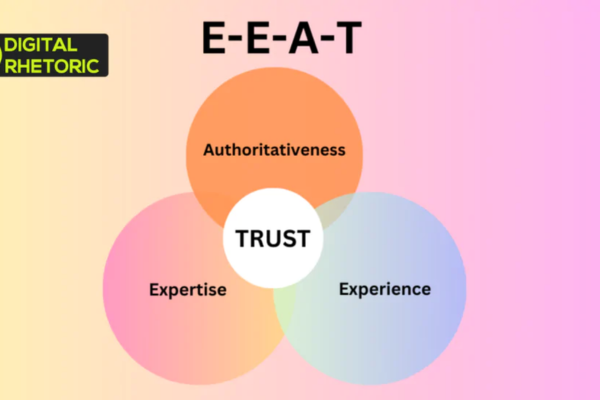
In 2025, delivering exceptional search performance has become synonymous with demonstrating Experience, Expertise, Authoritativeness, and Trustworthiness (E‑E‑A‑T). Originally E‑A‑T, Google added “Experience” in 2022, signaling the value of firsthand knowledge in the eyes of both search algorithms and human evaluators (v9digital.com).

Today, E‑E‑A‑T is more than just a best practice—it’s a cornerstone of content strategy, especially for YMYL (Your Money or Life) topics like finance, health, law, and consumer tech. Establishing E‑E‑A‑T requires a holistic approach encompassing deep domain experience, verifiable expert authority, a strong web presence, and transparent trust signals.


1. Experience: Why Firsthand Knowledge Outranks Rehashed Advice

Why it matters:
Google’s updated quality guidelines value content from authors with lived experience (v9digital.com). Content that includes real examples, personal insights, case studies, or tutorials showcases that the author knows their field—not just researched it.

Action Steps:

  • Share first‑hand stories, like personal outcomes from financial decisions or hands‑on product tests.
  • Use media evidence (e.g., images, walkthroughs, screenshots) to underscore authenticity .
  • Create case studies or customer testimonials with quantifiable results.

2. Expertise: Verifying Skill and Knowledge

Why it matters:
Expertise is a core component of E‑E‑A‑T. Google wants to see authors with proven credentials—education, certifications, or industry history (123articleonline.com).

Action Steps:

  • Publish detailed author bios with qualifications and background.
  • Link authors to professional profiles (like LinkedIn) or portfolio sites (junhammer.com).
  • Let certified experts create or review YMYL content, and note their role visibly on the page (aalamrohile.in).

3. Authoritativeness: Building Industry Credibility

Why it matters:
Authoritativeness signals how others view your content. Google measures this via citations, backlinks, brand mentions, and your media presence (singlegrain.com).

Action Steps:

  • Produce original research or proprietary data (e.g., survey findings). These earn more backlinks and engagement (junhammer.com).
  • Pursue high‑quality backlinks from credible industry or media outlets .
  • Collaborate with thought leaders—via quotes, interviews, or joint content—to gain visibility and credibility .
  • Establish a consistent media presence—podcasts, webinars, and guest blogs—to amplify authority (singlegrain.com).

4. Trustworthiness: Building Reader Confidence

Why it matters:
Trust underpins all search quality. Google checks for technical security, transparent attribution, accurate citations, and user-focused site structure (akashtimes.com).

Action Steps:

  • Ensure HTTPS and SSL encryption across your site .
  • Provide clear contact pages, privacy policies, and TOS (123articleonline.com).
  • Include customer reviews, testimonials, and ratings to show real-world trust (boostability.com).
  • Keep information accurate, well‑cited, and updated continuously (aalamrohile.in).

5. Synthesizing E‑E‑A‑T Across Content Types

To fully implement E‑E‑A‑T:

  1. Experience: Integrate real-life use, analysis, or case studies.
  2. Expertise: Showcase author credentials and editorial oversight.
  3. Authoritativeness: Back your content with referral traffic, link depth, and expert collaboration.
  4. Trustworthiness: Build a secure, transparent, and verifiable content environment.

Practical Example: “HealthTrack India” – Diabetes Care Hub

Background:
HealthTrack India is a niche platform offering resources on diabetes management, nutrition, and diabetic technology tools (e.g., glucose monitors).

Challenge:
While ranking on Page 1 for “best glucometers in India,” health content wasn’t included in AI summaries or showing strong engagement—indicating E‑E‑A‑T gaps.

E‑E‑A‑T Implementation:

  1. Experience:
    • Including author’s real‑world testing of glucometers with photographs and readings.
    • Publishing monthly case studies from patient volunteers covering HbA1c trends.
  2. Expertise:
    • All articles authored or reviewed by a certified endocrinologist, Dr. Nidhi Mehta MD, whose bio highlights over 10 years’ clinic experience.
    • Her credentials and affiliation (All India Institute of Medical Sciences) featured on every health article.
  3. Authoritativeness:
    • Commissioned a nationwide survey on glucometer accuracy, shared via an exclusive report.
    • Quoted in health magazines and diabetes forums, earning backlinks and recognition as a referral source.
  4. Trustworthiness:
    • Secure site with HTTPS and explicit data privacy policies.
    • Clear contact info and waiver statements for medical content.
    • User reviews (5-star ratings) from glucose monitor buyers featured prominently.
    • Content refreshed quarterly to reflect changing tech and guidelines.

Results (after 6 months):

  • HealthTrack India’s glucometer review guide began appearing in AI summary boxes, citing survey data and specialist insights.
  • Backlinks increased by 45%, including mentions in prominent health publications.
  • Organic traffic rose 30%, with a 25% improvement in session duration and 18% lower bounce rates—indicating enhanced user trust.
  • Affiliate conversions (glucometer purchases) grew by 35%, aided by clear demonstrations, endorsements, and authority credentials.

Tools and Techniques to Enhance E‑E‑A‑T

  • Frase, Surfer, Semrush: Structure content around commonly asked questions, ensuring coverage and relevance (plangphalla.com, v9digital.com, 123articleonline.com).
  • Author Bio Plugins: Create robust author profiles linking to expertise and credentials.
  • Schema Markup: Use Article, Author, Review structured data.
  • Link Analysis: Monitor backlinks, outreach success, and domain authority.
  • Content Audits & Refresh: Regularly check and update for relevancy and accuracy.

Conclusion

E‑E‑A‑T isn’t a static checklist—it’s a content philosophy for 2025. It requires more than well-written text; it demands authentic experience, verifiable knowledge, industry-driven credibility, and consistent transparency. In an era of AI-driven search and increasingly discerning evaluators, these qualities separate content truly trusted by users—and algorithms—from the rest.

Brands that weave E‑E‑A‑T into every layer—from content strategy and author identity to data-backed reporting and site technicals—will not only rank higher but also:

  • Earn richer placements in AI overviews,
  • Attract more meaningful backlinks and citations,
  • And generate real-world engagement and conversions.

Leveraging AI for SEO: Using Tools to Predict and Optimize for Google’s Overviews.

Introduction: Why AI‑Driven SEO Matters Now

The traditional SEO landscape—centered on optimizing for blue‑link rankings—is being reshaped by AI-powered summaries, such as Google’s Search Generative Experience (SGE). These AI overviews synthesize answers directly in search results, often reducing click‑through to articles. In 2025, success hinges not just on ranking, but on being chosen as a source by AI.

AI-based SEO tools can analyze vast amounts of data, surface high-value opportunities, and help craft content that aligns with AI’s logic models. Let’s explore how to leverage these tools effectively.


1. Predicting AI Overview Opportunities

A. AI‑Powered Keyword & Intent Research

Modern SEO platforms use AI to parse search intent, clustering queries into:

  • Informational (e.g., “What is GST in India?”),
  • Transactional (“Buy pea protein powder”),
  • Comparative (“Pea protein vs whey”).

Strategy:
Use tools to identify questions and which ones trigger overviews. Prioritize queries where AI already returns a generated response—it signals opportunity.

B. SERP Analysis for AI Snippets

Turn AI Overview Spotting into a data habit:

  • Search target queries and note if an AI box appears—AI already favors those for summarization.
  • Analyze competitors’ formatting—do they start with concise answers, lists, or comparisons?

C. Scoring Content Potential

Some AI SEO platforms assign a “Snippet Opportunity Score” based on:

  • Intent match
  • Content structure (headings, schema)
  • Use of lists/tables
  • Freshness and topical depth

Focus on high‑scoring queries in your content calendar.


2. Content Formatting Tools & Strategies

A. Outline Generation

AI‑driven outline generators can propose:

1. Direct 2‑line answer
2. Step‑by‑step instructions in bullet or numbered list
3. Comparative table
4. FAQ section with schema markup

They ensure your content follows the preferred “AI format.”

B. Semantic Keyword Integration

Embedding AI‑recommended synonyms, LSI terms, and related phrases mimics how LLMs understand topics, boosting alignment with AI responses.

C. Schema Injection Tools

Plugins or SaaS platforms generate FAQ/HowTo schema based on content. AI SEO tools automatically create properly structured JSON‑LD for your articles, increasing structural compliance with AI extractable formats.

D. Title & Intro Optimization

AI‑based rewriting tools help craft concise intros (the first 30–50 words) to directly answer queries. Headlines align with “question + answer” structure to increase the chance of being picked for AI boxes.


3. Topical Authority: Building Across the Funnel

AI systems favor sources that show depth across related queries. Tools can help:

A. Content Cluster Planning

AI‑powered topic planners suggest content clusters:

  • Main pillar: “How to file GST in India”
  • Subtopics: “GST due dates,” “Penalties,” “GST registration step-by-step,” each formatted for AI.

Together, a cluster demonstrates authority, leading AI to prioritize your brand for summarization.

B. Internal Linking Guidance

Suggests where to link sub-pages back to the main page using relevant anchor text (especially questions), helping AI identify your core hub.

C. Content Refresh Alerts

Algorithms can monitor for outdated stats or broken links—critical since freshness matters for AI overviews.


4. Tracking AI Overview Success

Traditional metrics like clicks and bounce rates are less relevant for AI‑driven visibility. Instead, monitor:

  • Impression share in AI-enabled SERP positions
  • Number of keyword snippets AI attributes to your brand
  • Branded impressions (e.g., queries like “BrandX pea protein guide”)
  • Conversion lifts from chatbot forms or email sign–ups

Some tools offer dashboards to track AI-specific visibility and performance.


5. Real‑World Example: “Naturaleaf Supplements”

Brand & Challenge

Naturaleaf is an Indian startup selling plant-based nutrition powders. Their blog ranks well organically but has lost traffic since AI-powered overviews started appearing more frequently.

AI‑Powered SEO Strategy

1. Identify High‑Potential Queries
Using AI tools, they flagged queries like:

  • “Benefits of pea protein vs whey”
  • “How much protein per day for vegetarian in India”

2. Use AI to Generate Structured Outlines
Their article on pea vs whey received:

  • A 2‑sentence TL;DR intro
  • A comparison table
  • A pregenerated FAQ section with schema (e.g., “Is pea protein safe for kids?”)

3. Semantic Enrichment
They embedded terms like “plant-based protein,” “complete amino acid profile,” “lactose-free protein,” allowing for broad context match.

4. Build a Content Hub
Created interlinked articles:

  • “Mixing protein powder into diet”
  • “Best pea protein brands India”
  • “Protein timing around workouts”

5. Monitor AI Citations & Conversions
AI‑driven content dashboards showed:

  • Their pea-vs-whey article was cited in AI overviews for multiple related queries
  • Although direct clicks plateaued, downloads of their free nutrition guide doubled, and chatbot interactions grew 40%

Summary Checklist

Step Description
🔍 Keyword Intent Research Use AI tools to find snippet-rich queries and cluster semantically aligned topics
📄 AI-Compliant Formatting Outline: answer, bullets/lists, tables, FAQs; use schema markup
🧠 Build Topical Authority Create connected clusters with internal links and thematic coverage
📈 Track AI Visibility metrics Monitor snippet visibility, impression share, brand impressions, conversions
🔄 Iterate and Refresh Regularly update content based on performance and new AI prompts

Conclusion

In 2025’s AI-driven search landscape, success depends on being the content that AI confidently summarizes. SEO tools are evolving from ranking checkers to AI format enablers—helping craft content structured for extraction, authority, and conversion.

By:

  • Identifying snippet opportunities,
  • Formatting for AI readability (answers + structure + schema),
  • Building topical depth,
  • And tracking AI-specific results,

Brands can stay visible, influential, and profitable—even when users don’t click through.


Preparing for AI Search: Essential Strategies for Brands in the Digital Landscape.

Introduction: AI Search Is Redefining Visibility

Digital search is undergoing one of its most transformative periods. Gone are the days when organic discovery relied solely on blue links; AI-powered search experiences—like Google’s SGE, Bing Copilot, ChatGPT’s browsing mode, and more—now deliver AI-generated answers directly within search results, often eliminating the need for clicks.

For brands, this shift means that traditional SEO tactics—keyword optimization, link-building, meta tags—are no longer sufficient on their own. A new paradigm has emerged: brands must optimize for AI readability, authority, and discoverability. This involves rethinking not just what you produce, but how you format it to align with AI-driven relevance.

This guide explores the essential strategies brands need to adopt as AI search takes center stage in 2025, followed by a real-world example from the e-commerce wellness industry.


1. Understand the AI Search Ecosystem

AI search blends traditional indexing with generative intelligence. Search engines now:

  • Parse and summarize content in real time
  • Provide answer boxes and “AI summaries” rich with citations
  • Support conversational follow-ups, creating deeper query chains
  • Use E-E-A-T (Experience, Expertise, Authoritativeness, Trustworthiness) to rate brand credibility

These systems require content that’s clear, structured, and authoritative—so it can be correctly ingested and repurposed.


2. Optimize For Highest-Value Snippet Positions

Rank #1 organically? That no longer guarantees visibility. Now you must:

  • Appear in the AI summary/answer box or within the citation carousel
  • Ensure your brand and content are directly quoted, not just linked

Strategic Actions:

  • Lead with a concise 2–3 sentence summary answering common queries
  • Use FAQ and HowTo schema to structure content for AI interpretation
  • Include the brand name and author credentials visibly in clear information sections

3. Align Content With User Intent

Understanding why people search is as critical as what they search:

  • Informational intent: “What are the benefits of vitamin C capsules?”
  • Transactional intent: “Buy vitamin C capsules online India”
  • Comparative intent: “Vitamin C vs Vitamin D for immunity”

Adapting content structure to satisfy intent means:

  • Using question–answer formats for informational queries
  • Clear product benefits and CTAs for transactional searches
  • Comparison tables or feature lists for comparative intent

4. Structure Content for AI Consumption

How AI “sees” your content matters:

Use Case Content Style Benefit for AI Retrieval
TL;DR Section Short summary at top Strong candidate for AI answer boxes
Headings H2/H3 questions like user queries Easier segmentation and understanding of content
Lists & Steps Bullet points or numbered lists Ideal for how-to instructions
Tables Comparisons with stats and features Machine-readable accuracy
FAQ Sections Q&A format with schema Aligns with conversational AI and voice search

This boosts your visibility in AI-generated overlays and follow-up queries.


5. Build Topical Authority

AI algorithms favor sources that demonstrate depth and consistency within a subject:

Strategy:

  • Create content hubs around your key themes (wellness, supplements, mental health)
  • Link supporting articles back to core “pillar” content
  • Regularly update content to reflect new data or insights
  • Demonstrate E-E-A-T: author bios, expert quotes, data citations, trust signals, and external references

6. Safeguard Brand Mentions and Citations

Even without clicks, conditional citations in AI summaries elevate brand recall:

Tips for prominence:

  • Use your brand name, product name, or solution in answer-first lines
  • Ensure author name and credentials are visible
  • Include brand signals like logos, brand-accredited data, or quotes
  • Maintain structured markup (schema) around branded sections

7. Prepare for Conversation Flow

AI interfaces often present follow-up questions. Your content should anticipate and address these, e.g.:

Follow-ups to: “How to build muscle fast?”

  • When to take protein supplements?
  • Best time to workout in India?
  • How much protein do I need per day?

How to prepare:

  • Dedicate sections or sub-headings for relevant FAQs
  • Use schema markup to label them clearly
  • Answer conversationally yet succinctly

8. Embrace Voice & Multimodal Search

AI search is often used by voice assistants and integrated devices:

  • Conversational voice tone: Write like you’re speaking to a human
  • Audio-friendly phrasing: Use rhetorical questions or direct address (“Let’s walk through it…”)
  • Image support: Use infographics or visuals that express core insights

These help your content shine when summarized or used in voice responses.


9. Prioritize Trust Signals and Freshness

AI systems prioritize content that is current and reliable:

  • Display author credentials and update timestamps
  • Link to authoritative sources (e.g., WHO, government bodies)
  • Highlight original research or quotes from experts
  • Refresh evergreen content annually to stay relevant

10. Develop New Metrics Beyond Clicks

Success in the AI search era isn’t defined by traffic alone. Focus on:

  • AI visibility: monitor AI snippet/carousel placements
  • Branded impressions: growth in brand-related queries
  • Conversion lift: contact forms, downloads, purchases
  • Retention metrics: brand recall from first exposure to AI summary

Track using tools like brand-monitoring platforms, search console insights, and internal analytics.


Real-World Example: “FitSprout” – A Wellness Brand in India

Background:
FitSprout offers plant-based supplement powders and holistic wellness guides targeting urban consumers.

Challenge:
Post-launch of Google SGE, FitSprout saw organic traffic drop by ~25%, though brand awareness remained stable.

Strategic Overhaul:

  1. Answer-First Summaries:
    • ID key questions like “How much pea protein daily?”
    • Top of article TL;DR answers: “Daily pea protein requirement is 0.8–1.2 g/kg body weight, so a 60 kg adult needs 48–72 g daily.”
  2. Structured Content & Schema:
    • HowTo steps for “Mixing plant-based protein shakes”
    • Comparative tables between pea, soy, and whey proteins
    • FAQs on digestion, allergies, timing
  3. Topical Content Hub:
    • Clustered articles on high-protein vegetarian diets, supplements for women, recovery after workouts
  4. Brand Visibility:
    • Explicit brand mention in each summary (“FitSprout recommends…”)
    • Bio section: “Dr. Meera Singh, Sports Nutritionist, RTM India”
  5. Conversion Funnels:
    • Embedded “Download protein calculator” PDF
    • Chatbot triggered by AI discovery for personalized plans

Results (Six Months):

  • FitSprout was cited in SGE for queries like “plant protein benefit women,” improving brand reach
  • Guide downloads rose 38%, while free trial sign-ups for their online workout app doubled
  • Organic click-throughs remained stable; however, conversion per visit increased by 22%

Conclusion: AI Search Demands Smarter Content

Preparing for the AI-powered search future requires more than tweaks—it calls for an entirely new content architecture. Brands must:

  • Format for quick readability and AI extraction
  • Optimize for multi-step conversational queries
  • Build trust through credentials, freshness, and usability
  • Measure success through visibility and conversion—not just traffic

In 2025 and beyond, brands that embrace AI search formats will win the visibility game by being both discoverable and trusted—even when users never click through. If you’d like help auditing your site, optimizing your content, or mapping AI visibility improvements, I’d be happy to assist!

The Impact of AI Overviews on SERP Layout: What You Need to Know for 2025.

Introduction: A Sea Change in Search

As we move into 2025, Google’s Search engine results page (SERP) is undergoing a dramatic transformation. No longer dominated solely by blue links, search results increasingly feature AI-generated overviews—concise summaries built by large language models like Google’s Search Generative Experience (SGE). These answers appear at the top or middle of the page, providing instant, synthesized insights from multiple sources.

This shift is more than stylistic—it alters user behavior, publisher strategies, and SEO fundamentals. To thrive in the AI-first era, businesses and content creators must rethink visibility, engagement, and brand presence on search results.

In this deep dive, we’ll explore:

  1. How SERP layout has evolved with AI overviews
  2. The implications for user behavior and clicks
  3. Strategic shifts needed for SEO and content
  4. A real‑world example illustrating the impact
  5. Key takeaways for 2025 and beyond

1. How SERP Layout Has Evolved with AI Overviews

Traditional vs Modern Layout:

  • Pre‑2023:
    • A featured snippet (or none) sat above the first ten blue links.
    • Ads, local packs, images, news panels could appear, but the page was still link-heavy.
  • Today (2025):
    • AI Overview / Summary Box: Dominates the top or top-left.
    • Often includes follow-up prompts, key excerpts, or bullet-pointed summaries.
    • Citation carousel: Sources listed horizontally or vertically, frequently overshadowing link results.
    • Blue links are pushed lower, slideshows appear even further down, and ads may be interspersed but are no longer the main focus.

Visual Example of New Layout:

  1. AI Summary Box (50–60% of viewport)
  2. Citation Links / Cards (sourced by the AI)
  3. Traditional Paid Ads (fewer in number)
  4. Organic Blue Links
  5. Rich Media Panels (images, videos, etc.)

The result: users often get their answers without clicking, reducing the prominence—and necessity—of ranking in first place.


2. How User Behavior Is Changing

A) Surge in Zero‑Click Searches

  • Users see key facts in the AI summary and stop scrolling.
  • Even when they continue scrolling, they often never reach organic results.

B) Shift from Clicks to Impressions

  • Brand mentions in summaries build awareness without driving visits.
  • Metrics like ‘impressions’ and ‘citation appearances’ now matter more than click volume.

C) New Discovery Pathways

  • With SGE-style follow-up prompts, users can pivot from generalized answers to deeper queries without visiting any page.
  • A single content asset may be cited across multiple panels and follow-up threads.

These changes demand rethinking how success is measured: it’s no longer just traffic-based, but influence and awareness centered.


3. Strategic Shifts for SEO & Content

To maintain relevance within this evolving landscape, your approach must adapt to three key areas:

A) Structural Formatting Over Traditional Keyword Density

Organic placement is still important—but visibility now depends on being AI-friendly. Use:

  • TL;DR answer boxes at article start
  • Question-based sub-headings (H2/H3 tags)
  • Bullet lists, tables, and numbered steps
  • FAQ and HowTo schema to enhance machine readability

B) Content Clusters & Authority

AI models draw from sources that show deep topical coverage. Build centralized content hubs and link them internally to signal expertise.

C) Brand Presence and Citability

  • Use first-person brand mentions in answers.
  • Ensure author credentials are clear (E-E-A-T approach): e.g., “According to pediatrician Dr. Rao…”
  • Keep content updated—AI prioritizes freshness and reliability.

4. Real-World Example: “TravelIndia Guru”

Before AI Overviews:

TravelIndia Guru ranked #1 organically for queries like “best time to visit Ladakh”. They earned consistent clicks and ad revenue. Their blog traffic was healthy.

After AI Overviews Rolled Out:

  • Their pages were cited in AI summary boxes (“TravelIndia Guru recommends visiting Ladakh between June and September…”).
  • Blue link clicks dropped 35%, yet branded impressions increased, and other monetization channels—like direct guide bookings—remained steady or grew.

Optimizations:

  • Added a TL;DR at the top: “Best time to visit Ladakh is June–September due to clear skies and comfortable temperatures.”
  • Introduced FAQ schema around altitude sickness, permit rules, and packing tips.
  • Created a comparison table of months vs weather vs crowd levels vs costs.
  • Added content clusters linking to Altitude Sickness Tips, Vehicle Permits Guide, and Budget Itineraries.

Results by End‑2025:

  • AI citations nearly doubled across relevant queries.
  • Organic traffic stabilized after an initial dip—but more importantly,
  • Guide bookings rose 27%, attributed to increased visibility via AI overviews and heightened branded search behaviors.

5. Key Takeaways for 2025 and Beyond

Aspect What It Means Action Item
SERP Real Estate Shift AI summary box is the new prime position Build content for summarization—quick answers, clear structure
Clicks ↓, Impressions ↑ Zero-click search is on the rise Optimize for brand presence in AI prompts & citation popularity
Follow-Up Prompts Deeper conversational chains without site visits Anticipate follow-ups via FAQ-rich sections and clusters
Authoritativeness Matters AI picks from content that is credible & fresh Use schema and author credentials, reference reputable sources
Metrics Changed Traffic matters less than brand visibility and conversions Track snippet appearances, branded search growth, and conversions

Conclusion

The inclusion of AI-generated overviews in Google’s search results is more than a novelty—it’s a search paradigm shift. As the blue-link model recedes, visibility now relies on your content’s extractability, authoritativeness, and formatting readability. Brands that adapt by optimizing for AI summaries will benefit from improved discovery, brand trust, and conversions—even in a world of zero-click search.

If you’re ready to align your content strategy with the new search landscape, consider a full AI‑readiness audit: checking TL;DR presence, schema use, formatting, content clusters, and author credentials. Want help getting set up? Just let me know!

Optimizing for AI Summaries: Key Content Formatting for Better Search Performance.

Introduction: Welcome to the AI-First Search Era

The rise of AI-powered search experiences—like Google’s Search Generative Experience (SGE), Bing’s AI co-pilot, and ChatGPT with browsing—has transformed how users interact with search engines. Instead of sifting through pages of blue links, users now receive AI-generated summaries that directly answer their queries. These summaries are concise, intelligent, and often eliminate the need for users to click through to a website.

This shift has disrupted traditional SEO strategies, placing a premium on content formatting that is optimized for machine understanding. Simply creating long-form content with high keyword density is no longer enough. Today, your content must be structured, scannable, and semantically rich so that AI models can identify, extract, and repurpose your information into search summaries.

This article explores how you can optimize your content specifically for AI summaries to improve visibility, relevance, and engagement in this new search environment.


Why Content Formatting Matters for AI Summaries

Search engines are no longer just indexing content—they’re interpreting it. With the help of Large Language Models (LLMs), they parse massive amounts of data and generate human-like answers in real time. However, these AI systems don’t “read” like humans—they depend on structural clues to understand what matters.

Poorly formatted content gets ignored or misinterpreted. Well-structured content—organized under clear headings, broken into digestible parts, and marked up semantically—is more likely to be featured in AI snapshots, AI-driven carousels, and even voice search results.


10 Key Content Formatting Techniques for AI Optimization


1. Start with a Clear and Concise Answer

Why it matters: AI summaries are built to serve users instantly. If your content doesn’t deliver an answer upfront, it won’t be featured.

Best practice: Use the inverted pyramid writing style. Begin with the key answer or outcome, then expand on it.

Example:
Query: “What is GST in India?”
Answer:

“GST (Goods and Services Tax) is a unified indirect tax in India levied on the supply of goods and services. It replaced various state and central taxes to simplify the tax system.”

Follow this with detailed explanations, use cases, and history.


2. Use Question-Based Headings (H2s & H3s)

Why it matters: AI models organize content based on section headers. Clear, question-based headings mirror user queries, making content more discoverable.

Best practice:

  • Use H2s for major questions
  • Use H3s for related sub-questions
  • Align headings with user intent (e.g., informational, transactional)

Example Headings:

  • H2: What are the benefits of registering under GST?
  • H2: Who is exempt from GST in India?
  • H3: GST threshold for small businesses

3. Incorporate Lists and Bullet Points

Why it matters: AI extracts content more easily when it’s organized in bite-sized chunks.

Best practice:

  • Use bullet points for features, benefits, or highlights
  • Use numbered lists for processes or steps

Example:
Steps to register a business in India:

  1. Choose a business structure (e.g., Pvt Ltd, LLP)
  2. Get a Digital Signature Certificate (DSC)
  3. Obtain a Director Identification Number (DIN)
  4. Apply for name approval on the MCA portal
  5. File incorporation documents and obtain CIN

This format is highly likely to appear in AI-generated summaries or as a “how-to” list.


4. Create FAQ Sections with Schema Markup

Why it matters: FAQ content mirrors conversational queries and is often pulled into AI overviews or voice assistants.

Best practice:

  • Add FAQs at the end of each article
  • Use Google’s FAQ schema markup to help search engines understand structure

Example FAQs:
Q: Is GST registration mandatory for freelancers?
A: Yes, if annual income exceeds ₹20 lakhs (₹10 lakhs in some states), GST registration is mandatory.

Q: Can I file GST returns online?
A: Yes, GST returns can be filed on the official GST portal using your credentials.


5. Use Tables for Comparisons and Structured Data

Why it matters: Tables are easy for AI to parse and present in comparison summaries.

Best practice:
Use tables for comparing products, plans, taxes, features, or laws.

Example Table:

Type of Business GST Required? Threshold Turnover
Sole Proprietor Yes ₹20 lakhs
Pvt Ltd Company Yes ₹20 lakhs
Freelancers (Services) Yes ₹20 lakhs (₹10L NE)

Such tables often appear in featured snippets or SGE panels.


6. Keep Sentences Short and Language Simple

Why it matters: AI prefers content that is easy to summarize. Long, complex sentences get misinterpreted or skipped.

Best practice:

  • Keep sentences under 20 words
  • Avoid unnecessary jargon
  • Use active voice
  • Break long paragraphs into smaller blocks

7. Highlight Key Statistics and Data

Why it matters: AI-generated summaries often feature statistics or quantifiable insights to enhance credibility.

Best practice:

  • Use data points near the top of articles
  • Cite authoritative sources
  • Highlight numbers in bold or pull-quotes

Example:

“According to the GST Council, over 1.38 crore businesses in India are registered under GST as of 2024.”


8. Include Author Information and Publish Dates

Why it matters: Google’s AI systems evaluate trustworthiness and freshness—especially for YMYL (Your Money or Your Life) content.

Best practice:

  • Display author bios with credentials
  • Add publish and update dates
  • Link to primary sources (e.g., .gov.in, official PDFs)

9. Use Content Hubs and Internal Links

Why it matters: AI models favor content from topical authorities. Creating a web of related articles signals depth.

Best practice:

  • Link related articles within your content
  • Create cornerstone content pages
  • Use breadcrumbs and related post widgets

Example:
From an article on “GST for Small Businesses,” link to:

  • “How to File GSTR-3B Online”
  • “Common GST Mistakes to Avoid”
  • “GST Calculator Tool for SMEs”

10. Optimize for Conversational Search

Why it matters: AI-powered search is increasingly voice-based or chat-based. Your content should sound like it belongs in a conversation.

Best practice:

  • Use natural language
  • Anticipate follow-up questions
  • Include variations of common phrases

Example:
Instead of:

“GST is a destination-based tax implemented on July 1, 2017.”

Try:

“GST, launched in 2017, is a tax you pay where your goods or services are consumed—not where they’re produced.”


Real-World Example: “TaxBuddy India”

Background:

TaxBuddy is a startup that provides tax filing assistance and guides for Indian freelancers and small businesses.

Challenge:

Their blog was ranking well on Google but losing visibility in AI summaries and voice search queries after SGE rollout.

Solution:

They restructured their content using the formatting strategies discussed:

  • Added TL;DR summaries to each blog post
  • Introduced question-based headings
  • Used FAQ schema
  • Created comparison tables for tax-saving options
  • Shortened paragraphs and sentences
  • Created content clusters on GST, ITR filing, and income tax deductions

Results:

  • 37% increase in impressions from AI-powered Google Search results
  • Blog content appeared in SGE overviews for over 25 tax-related queries
  • 18% rise in branded search traffic (users now search “TaxBuddy GST guide”)
  • Doubled newsletter signups via FAQ lead magnets

Conclusion: Content Formatting is the New SEO Frontier

As AI reshapes search, formatting has become just as important as content quality. Whether you’re a blogger, brand, or enterprise publisher, your content must be designed not just for people—but also for machines.

To succeed in this AI-first search world:

  • Prioritize clarity and structure
  • Use tools like schema markup, heading hierarchies, and lists
  • Think about how your content would be quoted by an AI
  • Format for quick summarization and accurate interpretation

Remember, your goal isn’t just to get users to your site—it’s to be the source AI trusts to summarize. Do that well, and you’ll maintain high visibility—even when clicks decline.


Beyond the Blue Links: Maximizing Exposure in Google’s Generative AI Features.

Introduction: The Death of the Blue Link Monopoly

For decades, the success of digital marketing strategies—especially in SEO—relied on one goal: ranking high on Google’s blue links. These traditional organic search listings represented the gateway to visibility, clicks, traffic, and conversions. But in 2023, everything began to change with the introduction of Google’s Search Generative Experience (SGE), a feature that integrates Generative AI summaries directly into the Search Engine Results Page (SERP).

In this new era, being “ranked number one” is no longer a guarantee of traffic. Instead, the new goldmine is appearing within the AI-generated overview box that dominates the top of the SERP.

This article explores how brands, publishers, and creators can maximize their exposure within Google’s generative AI features. We’ll cover how SGE works, the impact on traditional search, new optimization strategies, and end with a real-world example that illustrates how to thrive beyond the blue links.


What Is Google’s Search Generative Experience (SGE)?

Google’s SGE uses large language models (LLMs) to summarize answers directly in the search results. Instead of relying solely on the “10 blue links” model, it now presents AI-generated responses that:

  • Appear at the very top of the SERP
  • Answer the user’s question in full sentences
  • Include a carousel of cited sources
  • May feature follow-up prompts, images, or calls to action

Here’s an example of a typical SGE experience:

Search Query: “How to start a business in India?”

SGE Response:

“To start a business in India, choose your business structure (like sole proprietorship or private limited), register the business with the Ministry of Corporate Affairs (MCA), get a PAN and GSTIN, and open a bank account. You’ll also need to comply with labor and environmental laws depending on your industry.”

Below this summary, Google shows 3–5 links as citations, pulled from websites deemed credible and informative. These are the new prime real estate of search visibility.


How SGE Is Changing the Search Landscape

1. Displacement of Traditional Listings

SGE pushes organic search results down the page. Even the #1 ranked page might now appear below a large block of AI-generated content.

2. Rise of “Zero-Click” Search

Users get their answer directly in the SGE box, without needing to click. This leads to:

  • Decreased CTR (Click-Through Rate)
  • Higher importance on brand visibility over raw traffic

3. New Discovery Paths

SGE offers conversational follow-up queries, creating a dialogue-driven experience. Brands can now be discovered through multi-step interactions, not just initial searches.


Maximizing Exposure in Generative AI: Key Strategies

To thrive in this new environment, content creators must optimize not just for Google’s algorithms, but for how AI interprets, synthesizes, and cites information.

Here’s how to position your content for inclusion in SGE responses:


1. Optimize for User Intent, Not Just Keywords

SGE is trained to answer questions, not just match keyword patterns. This means your content must align with search intent.

✅ Action:

  • Use tools like AlsoAsked, AnswerThePublic, and Google’s “People Also Ask” box to discover user queries.
  • Organize content by question + concise answer + detailed explanation.

2. Write in an AI-Readable Format

AI models extract summaries from content that is structured, clear, and logically ordered.

✅ Use:

  • H2/H3 headings that mirror search questions
  • Bullet points and numbered lists
  • Short, direct introductory sentences
  • Schema markup (FAQ, HowTo, Article) to aid parsing

Example:
Instead of a 300-word intro about the history of GST, start with:

“To register for GST in India, visit the GST portal, create an account, fill Form REG-01, and submit required documents like PAN, Aadhaar, and bank details.”


3. Build Topical Authority

SGE pulls from sources that Google trusts within a specific domain. This requires a consistent, in-depth content strategy.

✅ Action:

  • Create content clusters around specific topics (e.g., “Startup India”, “Tax Filing”, “Fitness for Women Over 40”)
  • Interlink articles and update them regularly
  • Establish E-E-A-T: Experience, Expertise, Authoritativeness, and Trust

4. Get Featured in Citation Cards

In the SGE interface, cited sources appear as link cards next to the summary. Getting featured here brings visibility—even without top SERP rankings.

✅ To increase citation likelihood:

  • Use exact phrasing to answer common questions
  • Include data, statistics, or original insights
  • Reference reputable sources
  • Keep your brand identity and author credentials clear

5. Optimize for Conversational Queries

SGE encourages follow-up interactions like:

  • “What is the cost to register a business?”
  • “Can foreigners own a business in India?”

These follow-ups allow multiple exposure opportunities for your content.

✅ Strategy:

  • Include follow-up questions within your article
  • Build FAQ sections at the end of each post
  • Use conversational subheadings like “Is it expensive to start a business in India?”

6. Use Brand Mentions to Build Trust

Even if users don’t click your link, seeing your brand cited in an SGE box builds authority, awareness, and credibility.

✅ Include:

  • Brief author bios (especially in YMYL niches: finance, health, law)
  • Testimonials or expert quotes
  • Consistent NAP (name-address-phone) and branding across your site

7. Track SGE Mentions and Performance

Since traffic may decline even while visibility increases, it’s important to track:

  • When your site is cited in AI overviews
  • Brand impressions and mentions
  • Engagement on follow-up queries

Use:

  • Google Search Console (with emphasis on impressions)
  • Semrush or Ahrefs (for zero-click keyword tracking)
  • Brand monitoring tools like Mention or Brand24

Real-World Example: “StartupGuru” – A Business Advisory Blog in India

About the Brand:
StartupGuru is a niche blog that helps first-time entrepreneurs in India with startup guides, tax tips, and compliance advice.

Old Strategy:

  • Ranked #1 for “how to register a private limited company in India”
  • Received ~15,000 organic visits/month from this keyword

Problem:
After the launch of SGE in India’s pilot rollout, traffic dropped by 30%. The blue link was still #1, but now appeared below a generative summary with 4 citations.

Opportunity Discovered:
One of the sources cited in the SGE box was StartupGuru’s page!

New Strategy:

  1. Restructured Content:
    • Added a concise summary box with a TL;DR at the top
    • Included a step-by-step numbered guide using short, clear sentences
  2. Added Schema Markup:
    • Used HowTo and FAQ schema on all procedural pages
  3. Created Content Clusters:
    • Around related topics like “Startup India Benefits,” “MSME Registration,” and “GST for Startups”
  4. Optimized for Follow-Up Queries:
    • Added in-article FAQs like:
      • “What is the cost of Pvt Ltd registration in India?”
      • “Do I need a CA to register a company?”

Results:

  • Though total clicks declined, brand mentions in search grew by 48%
  • Users began searching for “StartupGuru company registration guide”
  • Their free guide downloads increased by 62%
  • They began appearing in follow-up question citations, multiplying visibility

Conclusion:
Even without click dominance, StartupGuru became a trusted brand in the AI-driven discovery layer.


Conclusion: It’s Not Just About Clicks Anymore

The introduction of Google’s generative AI features marks a foundational shift in how we think about search visibility and content success. The traditional metric of ranking #1 is being replaced with earning a spot in AI-curated knowledge boxes.

To succeed in this new environment, businesses and content creators must:

  • Understand how AI summarizes content
  • Structure content for clarity and intent
  • Build topical authority and trustworthiness
  • Adapt KPIs to include impressions, citations, and brand lift

In short, to thrive beyond the blue links, you must create content that AI wants to showcase.


The Evolution of Search: How AI Overviews Are Redefining Organic Discovery.


Introduction

Search has always been about discovery—connecting people with the information they need. From the early days of Yahoo directories to Google’s PageRank algorithm, the search landscape has continually evolved to prioritize relevance, speed, and user experience. But now, we’re witnessing a fundamental shift. The rise of AI-generated overviews is transforming how people discover information online, with significant implications for content creators, brands, and marketers.

AI overviews—powered by large language models (LLMs) like Google’s Search Generative Experience (SGE), Microsoft’s Copilot (formerly Bing), and ChatGPT—summarize content directly in the search interface. Instead of relying solely on traditional organic listings (blue links), users now receive synthesized answers instantly. This change is altering the role of websites, reshaping the SEO landscape, and forcing a reevaluation of what it means to “rank” in search.

This article explores how AI overviews are redefining organic discovery, what it means for businesses and publishers, and how you can adapt your strategy to remain visible in this new era.


The Traditional Model of Search

Before AI overviews, the organic discovery process followed a relatively linear model:

  1. User inputs a query into a search engine (e.g., “best DSLR cameras 2024”).
  2. Search engine returns ranked links based on SEO factors—keywords, backlinks, user engagement, etc.
  3. User clicks on a result, reads the content, and makes decisions based on that information.

In this model, websites competed for visibility through page rankings. Organic traffic was king. Content creators optimized for keywords, meta tags, and structured data to climb the SERPs (Search Engine Results Pages).


Enter AI Overviews: A Paradigm Shift

With AI overviews, this model changes dramatically. Now, search engines don’t just return links—they return summarized answers, generated by AI, drawn from multiple sources.

What Are AI Overviews?

AI overviews (also called AI snapshots or summaries) are dynamic answers that appear at the top of the search results. They are:

  • Generated in real-time based on the query
  • Composed by AI models using a mixture of public content, databases, and user behavior signals
  • Often contain citations or links to original sources—but not always

For example, searching “Is dark chocolate good for health?” may now return:

“Yes, dark chocolate contains antioxidants like flavonoids that can benefit heart health. It may help lower blood pressure and improve cholesterol levels. However, it should be consumed in moderation due to its sugar and calorie content.”

This kind of result gives the user a full answer without clicking on any website.


How AI Overviews Are Redefining Organic Discovery

1. Zero-Click Search Becomes the Norm

Users no longer need to click through to find the answer. According to recent studies, over 50% of searches already end without a click, and AI overviews are pushing this even higher.

Impact:
Websites receive fewer visitors even when they provide valuable content.

2. Citations Replace Clicks as Recognition

AI overviews often cite sources, but users may not follow those links. Instead, the mention of a brand or source becomes a signal of trust, not a driver of traffic.

Impact:
Brand awareness may increase, but traffic doesn’t always follow.

3. Ranking Is No Longer the Sole Path to Visibility

AI overviews disrupt the traditional SEO model. A website may rank #1 on Google but still be omitted from the AI summary. Conversely, a mid-ranking page may be selected as a source because it answers the query clearly and concisely.

Impact:
The criteria for “winning” search visibility have changed—from being on Page 1 to being used by the AI.

4. Search Becomes Conversational

AI-driven search enables users to ask longer, more natural questions, and follow up with context-aware queries. This makes search less about keywords and more about conversational relevance.

Impact:
Content must now answer real questions, not just match keywords.

5. Intent Becomes King

Search is becoming more intent-focused. AI tries to interpret why the user is searching and provide a complete answer, whether that’s to learn, buy, compare, or act.

Impact:
Content must align tightly with user intent and deliver specific, relevant value in the first few sentences.


Adapting to the New Discovery Model

To thrive in this new era of AI-powered search, businesses and content creators must shift focus from merely ranking to becoming AI-friendly content sources. Here’s how:

1. Structure Content for Extraction

AI prefers content that is easy to extract and summarize:

  • Use clear headings
  • Include bullet points and numbered lists
  • Write short, information-rich paragraphs
  • Use schema markup like FAQs, How-To, and Product schemas

2. Answer Questions Directly

Use the inverted pyramid model:

  • Lead with the answer
  • Follow with context, examples, and deep dives
    AI overviews often pull from the first 100 words of a well-structured section.

3. Focus on Topical Authority

Rather than optimizing for single keywords, build clusters of content around specific topics. This signals to AI that your site is a credible source in that domain.

4. Include Authoritative Sources and Citations

AI tends to favor content that references trustworthy data:

  • Link to official sites, studies, and reports
  • Use original research or expert quotes where possible

5. Monitor Your AI Presence

Track where and how your brand is mentioned in AI overviews. Tools like:

  • Semrush’s AI snapshot tracker
  • Perplexity.ai’s content citations
  • Google’s SGE preview (in supported countries)

Real-World Example: “FitVeda” – A Holistic Wellness Platform in India

About the Brand:
FitVeda is an Indian health and wellness blog focused on Ayurvedic diets, yoga, and fitness routines tailored to Indian lifestyles.

Old Discovery Strategy:

  • Optimized blogs for keywords like “benefits of Ashwagandha,” “best yoga poses for PCOS”
  • Targeted ranking in Google’s organic listings
  • Relied on meta descriptions and backlinks for visibility

What Changed:
With the launch of Google’s AI overviews, FitVeda noticed a 20% drop in traffic on high-ranking pages. However, when they searched their target queries, they found their content being cited in the AI overviews—especially in health-related questions like:

“According to FitVeda, Ashwagandha may help manage stress and improve sleep by reducing cortisol levels.”

Despite lower traffic, their branded search volume rose, and product sales (herbal supplements) increased.

What They Did to Adapt:

  • Rewrote intros with quick, clear answers
  • Added FAQ sections with schema
  • Created content clusters around stress, immunity, and digestion
  • Included expert opinions from certified Ayurvedic practitioners

Results:

  • Return of organic traffic (but now spread across more branded queries)
  • Higher click-through rate from those seeing the brand cited in AI summaries
  • 35% increase in direct product sales from organic search discovery

Opportunities Hidden in the Shift

Though many fear this AI-led disruption, there are clear upsides for those who adapt:

  • Smaller sites can now appear in overviews if they provide better answers
  • Niche experts can be surfaced by AI even without high domain authority
  • Brand exposure increases even without clicks, building long-term trust

It’s a chance to focus on quality, not just SEO tricks.


Conclusion

Search is no longer just about pages and rankings—it’s about answers, relevance, and trust. AI overviews are redefining how users discover content, shifting the power away from traditional SERPs and toward those who can provide concise, accurate, and helpful responses in real time.

For content creators and businesses, this means embracing a new strategy. One that prioritizes:

  • Understanding user intent
  • Structuring content for AI readability
  • Delivering value faster and clearer than ever before

Organic discovery isn’t dead—it’s just evolving. Those who adapt to this shift will find themselves not only visible but indispensable in the new world of AI-driven search.


Understanding User Intent for AI Overviews: Delivering Precise Answers Every Time.

Introduction

The evolution of search technology—from keyword-based queries to intent-driven AI overviews—has dramatically changed how we find and consume information online. Today, it’s not just about ranking high on search engines, but about understanding what the user wants and delivering the exact answer that satisfies that need immediately.

As AI-powered tools like Google’s Search Generative Experience (SGE), Bing Copilot, and ChatGPT increasingly provide direct, summarized responses at the top of search results, traditional SEO strategies must adapt. One of the most crucial aspects of success in this new ecosystem is mastering user intent—what the searcher is truly looking to accomplish with their query.

If your content can match that intent, you increase your chances of being selected for an AI overview. If it doesn’t, no matter how well-written or optimized it is, it risks being ignored.

This guide breaks down:

  • What user intent is and why it matters for AI overviews
  • The different types of intent
  • How to identify and map user intent
  • Writing strategies to match queries precisely
  • A real-world Indian example to illustrate the concepts

What Is User Intent?

User intent (or search intent) refers to the purpose behind a user’s search query—what they are hoping to find, learn, or do.

Consider these three queries:

  1. “Best mutual funds in India 2025”
  2. “How to invest in mutual funds step by step”
  3. “Groww vs Zerodha for mutual funds”

While all relate to mutual funds, the user intents are very different:

  • Query 1 is informational, seeking recommendations.
  • Query 2 is transactional, looking for guidance on how to begin investing.
  • Query 3 is comparative, seeking help in making a decision.

If your content does not address the underlying need behind a query, AI-powered search models are less likely to include it in overviews.


Why Intent Matters for AI Overviews

AI overviews aim to provide concise, contextually accurate answers. These models analyze not just keywords, but the semantic meaning and user behavior patterns to determine what kind of response will be most helpful.

If your content doesn’t align with user intent:

  • It may get ignored by AI in favor of better-matched sources.
  • Even if it’s surfaced, it might be misunderstood or misrepresented.
  • Users will bounce quickly, signaling poor relevance.

To consistently appear in AI-generated summaries, your content must:

  • Clearly understand and satisfy the query’s intent.
  • Deliver the answer upfront, with the right structure.
  • Be trustworthy and up-to-date.

Types of User Intent (With AI Content Implications)

Understanding the types of user intent is the foundation of creating AI-optimized content. Most queries fall into one of four broad categories:

1. Informational Intent

Goal: Learn something new
Common Phrases: what is, how does, benefits of, reasons for
Examples:

  • “What is UPI in India?”
  • “Benefits of yoga for working professionals”

AI Optimization Tip: Start with a direct answer, use bullet points, and cite reputable sources.


2. Navigational Intent

Goal: Find a specific site or brand
Common Phrases: brand names, app names, official site
Examples:

  • “IRCTC login”
  • “Tata Neu app download”

AI Optimization Tip: Ensure brand mentions are consistent, your pages are indexed properly, and your brand’s knowledge panel is complete.


3. Transactional Intent

Goal: Take an action (buy, sign up, download)
Common Phrases: buy, book, sign up, apply
Examples:

  • “Buy AC online under 30000”
  • “Apply for voter ID card India”

AI Optimization Tip: Use clear CTAs, answer cost/process-related questions, and include step-by-step instructions.


4. Commercial/Comparative Intent

Goal: Compare options before making a decision
Common Phrases: vs, best, top 10, reviews
Examples:

  • “Zomato vs Swiggy delivery charges”
  • “Best smartphones under 20000 in India”

AI Optimization Tip: Use comparison tables, expert quotes, and pros/cons lists for clarity.


Mapping Content to User Intent

Now that we’ve identified types of intent, the next step is to map them to content strategies. Here’s a simple mapping table:

User Intent Content Type Content Features
Informational Blog post, explainer, FAQ Direct answer, clear headings, cited data
Navigational Homepage, branded content Updated metadata, brand schema, fast loading
Transactional Product page, service landing CTA buttons, forms, pricing, how-to steps
Comparative Review, listicle, comparison page Charts, ratings, bullet points, conclusion tips

Writing Strategies That Align With Intent

To increase your chances of being featured in an AI overview, content should follow a few proven strategies:

1. Lead with the Answer

Start your article or section with a direct, succinct response. This is the content that AI typically pulls.

Example:

“To apply for a voter ID card in India, visit the NVSP portal, fill Form 6, upload documents, and submit. The process usually takes 15–30 days.”

2. Use Simple, Scannable Language

Especially for AI models and voice search. Keep sentences short. Avoid jargon unless the audience is specialized.

3. Format for Machines and People

Use:

  • Bullet points
  • Step-by-step instructions
  • Tables (e.g., “Comparison of Online Grocery Apps in India”)
  • Question-based subheadings (e.g., “How long does it take to get a PAN card?”)

4. Update Regularly

AI prioritizes fresh content. An outdated answer to a 2025 policy query won’t make the cut.


Real-World Example: “MoneySutra” – A Personal Finance Blog in India

Challenge:
MoneySutra noticed a drop in traffic despite having comprehensive content on tax saving investments. They ranked well for keywords like “ELSS vs PPF,” “tax saving investments 2025,” but weren’t appearing in AI overviews on Google or Bing.

Solution – Rewriting with Intent in Mind:

  1. Identified Intent:
    • Informational for “what are tax saving options in India”
    • Comparative for “ELSS vs PPF”
    • Transactional for “how to invest in ELSS online”
  2. Updated the Intro Paragraph:
    Instead of:

    “Tax saving is a key concern for salaried individuals…”

    They changed to:

    “Top tax-saving options under Section 80C in India (2025) include ELSS, PPF, NPS, and tax-saving FDs. ELSS offers market-linked returns, while PPF is government-backed.”

  3. Used Bullet Points and Tables:
    A table comparing lock-in periods, returns, and risks of ELSS, PPF, NPS.
  4. Added Schema Markup:
    FAQ schema like:

    • “Which is better: ELSS or PPF?”
    • “Is ELSS safe for beginners?”
  5. Added a Quick Step-by-Step Section:

    How to Invest in ELSS Online:

    1. Choose a fund via Groww or Zerodha
    2. Complete KYC online
    3. Invest via lump sum or SIP
    4. Track performance regularly

Result:

  • After 2 months, their content began appearing in AI overviews for multiple finance queries.
  • They didn’t just recover traffic—they improved qualified lead conversion by 27%.
  • Branded search increased, signaling greater authority and user trust.

Bonus Tips for AI Overview Optimization in India

  • Use Indian-specific examples: Local names, brands, government sites.
  • Multilingual content: Consider Hindi or regional language support if targeting Tier 2/3 cities.
  • Voice search optimization: Write as if you’re answering a spoken question.
  • E-E-A-T principle: Google’s Experience, Expertise, Authoritativeness, Trustworthiness applies. Mention author credentials and cite reputable sources like RBI, SEBI, or govt portals.

Conclusion

In the age of AI-generated overviews, content that wins is content that understands user intent deeply and delivers answers precisely. You’re no longer just writing for clicks—you’re writing to serve an immediate need, often without the luxury of a second glance.

By identifying user intent, structuring content accordingly, and optimizing for AI understanding, you position your brand as a reliable source of information. Whether you’re in finance, health, education, or e-commerce, mastering intent is now the core of digital visibility.

Remember: It’s not about what you want to say—it’s about what your audience needs to hear, and how clearly and quickly you can say it.


How to Become a Digital Marketing Specialist

Digital marketing is one of the fastest-growing fields today. Many people are interested in building a career in digital marketing, and becoming a digital...

What is SMM in Digital Marketing

SMM, or Social Media Marketing, is one of the most important parts of digital marketing. In simple words, SMM is the process of using...

What is Google Analytics in Digital Marketing

Google Analytics is one of the most important tools in digital marketing. It helps businesses understand how people interact with their websites and online...

What is Google AdWords in Digital Marketing

Google AdWords is one of the most important tools in digital marketing. Many businesses use AdWords to reach their target audience online and increase...

What Is CPM in Digital Marketing

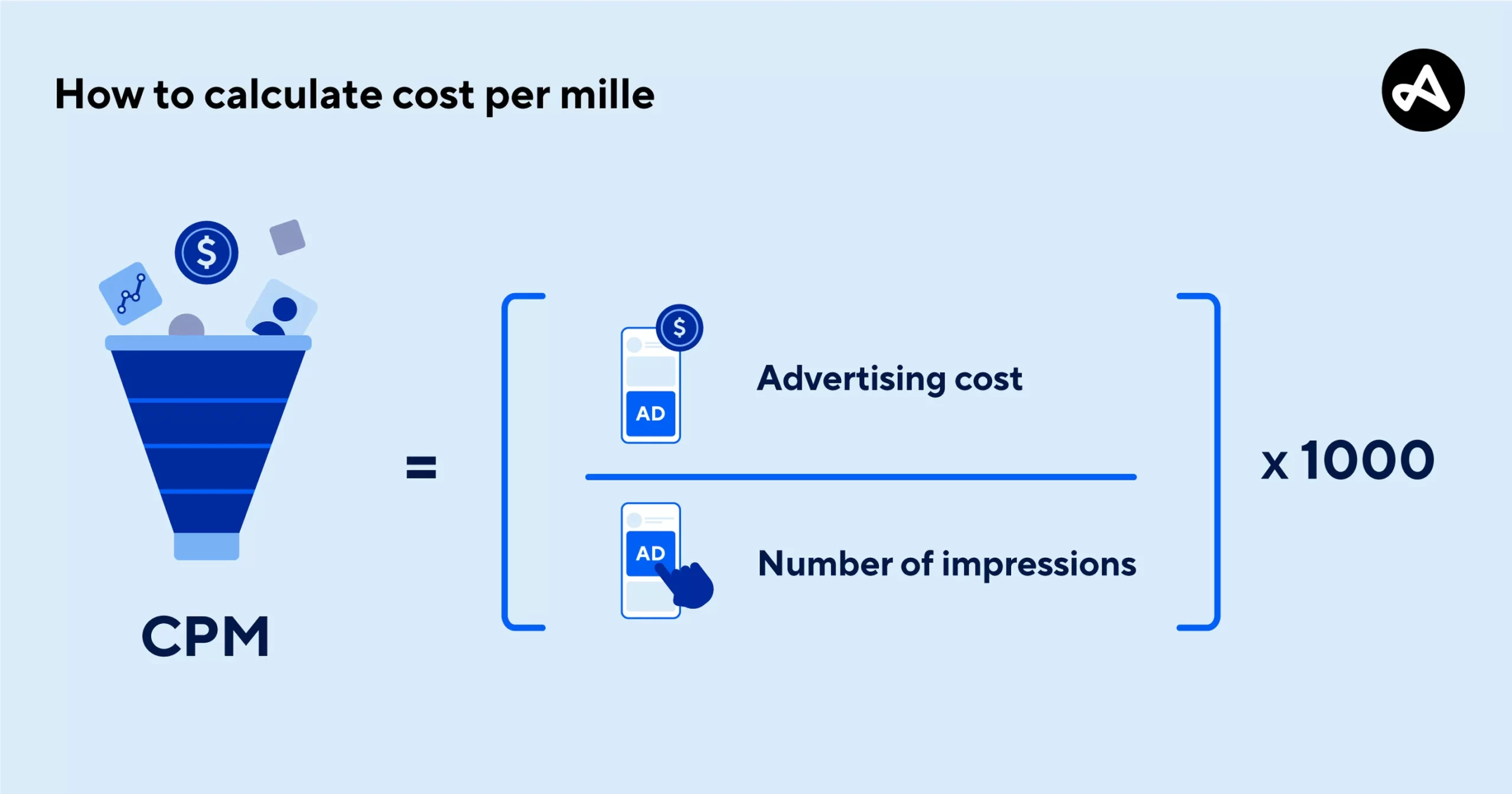
In digital marketing, understanding how your ads are priced and measured is very important. Different advertising models help marketers track performance and control spending....