Home Blog Page 35

What is a structured snippet extension?

Introduction

In the vast landscape of digital advertising, where capturing attention in seconds is crucial, Google Ads offers multiple tools to help advertisers stand out. One of the most effective yet often underutilized tools within Google Ads is the ad extension. Among these, Structured Snippet Extensions play a pivotal role in enhancing your ads with valuable context. Unlike clickable links, structured snippets present users with categorized information directly within your ad, helping them understand the specifics of your products or services before clicking.

Structured Snippet Extensions enable advertisers to showcase additional, specific, and categorized pieces of information beneath their ad text. These can include types of services, product categories, destinations, course offerings, and more. Structured snippets are non-clickable and primarily aim to provide value through clarity and detail. This type of ad extension helps increase transparency and relevance, which leads to better ad performance.

What Makes Structured Snippets Unique?

Structured snippets use predefined headers (selected from a list provided by Google) followed by values that describe key aspects of your business. This is different from callouts or sitelinks. For example, if you run a hotel chain, you might select the header “Amenities” and list “Free Wi-Fi, Spa, Pool, Business Lounge” as values.

The header acts as a category, and the values give insight into what’s offered in that category. Unlike sitelinks, which direct users to other pages of a website, structured snippets are not clickable. Their role is informational — to inform users and entice only the most relevant ones to click.

Types of Structured Snippet Headers

Google Ads provides a fixed set of headers you can choose from. These include:

  • Amenities

  • Brands

  • Courses

  • Degree programs

  • Destinations

  • Featured hotels

  • Insurance coverage

  • Models

  • Neighborhoods

  • Service catalog

  • Styles

  • Types

Each header allows up to 10 values, though only a few may appear depending on space and screen size.

Why Use Structured Snippet Extensions?

The goal of any advertisement is not just to gain attention but to attract the right kind of attention. Structured snippets help ensure that users who see your ad understand more about what you’re offering before they click. This leads to:

  1. Higher Quality Clicks: Because people get a better idea of your offerings upfront, those who click are likely more interested and qualified.

  2. Improved Ad Rank: Google uses ad relevance and expected performance to determine your ad’s position. Structured snippets improve both, potentially lowering your cost per click.

  3. Enhanced Visibility: Structured snippets add more content to your ad, increasing its physical size and prominence in search results.

  4. Better User Experience: Providing relevant information upfront reduces the likelihood of bounces, as users know what to expect.

  5. No Extra Cost: You’re not charged extra for adding structured snippets — you only pay when someone clicks on the main ad.

Best Practices for Structured Snippets

To make the most out of structured snippet extensions, follow these best practices:

  • Choose the Right Header: Ensure the header aligns closely with your products or services.

  • Keep Values Consistent: Use a uniform style, such as sentence case, and avoid unnecessary punctuation.

  • Avoid Redundancy: Don’t repeat information already present in your ad headlines or descriptions.

  • Be Concise: Use short, descriptive phrases. Each value should communicate clearly in just a few words.

  • Add Multiple Extensions: You can add structured snippets at the account, campaign, or ad group level, and use different variations to test performance.

  • Monitor and Update Regularly: If your offerings change, update your snippets to reflect the latest information.

How to Set Up Structured Snippet Extensions in Google Ads

Here’s how you can set up structured snippets within your Google Ads dashboard:

  1. Go to your Google Ads account.

  2. Click on “Ads & Extensions” on the left menu.

  3. Select “Extensions”, then click the blue plus sign (+).

  4. Choose “Structured Snippet Extension”.

  5. Select your Header from the dropdown list.

  6. Enter up to 10 values under the selected header.

  7. Save the extension and assign it to the desired campaign or ad group.

Google may show different combinations of extensions depending on device, ad rank, and available space, so not all extensions are guaranteed to show every time your ad appears.

Real-World Example: MakeMyTrip

Let’s say MakeMyTrip, one of India’s leading travel booking platforms, wants to run an ad promoting vacation packages. They can use structured snippets to immediately show users some of the destinations available.

Ad Headline: Holiday Packages from MakeMyTrip | Book Today & Save
Description: Explore affordable domestic and international tour packages. Trusted by millions.
Structured Snippet Extension
Header: Destinations
Values: Goa, Manali, Dubai, Bangkok, Singapore

In this example, the structured snippet extension gives potential customers a clearer picture of what the ad offers — in this case, popular travel destinations. This increases the relevance of the ad, especially for someone who is specifically searching for a trip to one of those locations. If a user is interested in traveling to Bangkok and sees it listed directly in the snippet, they are more likely to click and convert.

MakeMyTrip could also use other headers like:

  • “Amenities” for hotel ads (e.g., Free Breakfast, Sea View, Gym Access)

  • “Airlines” for flight ads (e.g., IndiGo, Vistara, Emirates, Air India)

  • “Types” for tour packages (e.g., Honeymoon, Adventure, Family, Solo Travel)

This not only makes the ad more comprehensive but also helps match it more closely with a variety of search queries.

How Structured Snippets Differ from Other Extensions

It’s important to understand how structured snippets are different from similar-looking extensions:

  • Sitelink Extensions: These are clickable links that take the user to a specific page on your website, such as “Men’s Shoes” or “Order Now.”

  • Callout Extensions: These add brief promotional text to highlight benefits or unique selling points like “24/7 Support” or “No Booking Fee.”

  • Structured Snippet Extensions: These list types or categories of what you offer but are not clickable. They add detail, not direct traffic.

Each serves a different purpose, and using all of them together can create a highly optimized and robust ad that speaks to different user needs.

Advantages of Using Structured Snippet Extensions

  • Improved CTR (Click-Through Rate)

  • More qualified leads

  • Additional context for users

  • Better Ad Quality Score

  • Expanded real estate on SERPs

  • No additional costs

When Structured Snippets Might Not Be Effective

There are situations where structured snippets may not be ideal, such as:

  • When your product/service doesn’t fit into any of the predefined headers.

  • When you have a highly specific offering with no categories to list.

  • If your values are too vague or repetitive with your ad copy.

In such cases, relying more on callouts or sitelinks may yield better results.

Conclusion

Structured Snippet Extensions are a highly effective tool within Google Ads that allow you to add detailed, categorized information about your offerings directly in your ads. By leveraging a predefined header and listing specific values, you give users a clearer understanding of what your business provides before they click. This not only improves the quality of traffic to your website but also boosts your ad performance through increased relevance, better CTR, and improved Quality Score.

From travel companies like MakeMyTrip to universities, eCommerce platforms, and service-based businesses, structured snippets can be tailored to nearly every industry. They are easy to implement, cost-effective, and offer measurable performance benefits when used correctly.
What is Instagram Shopping, and how does it work?

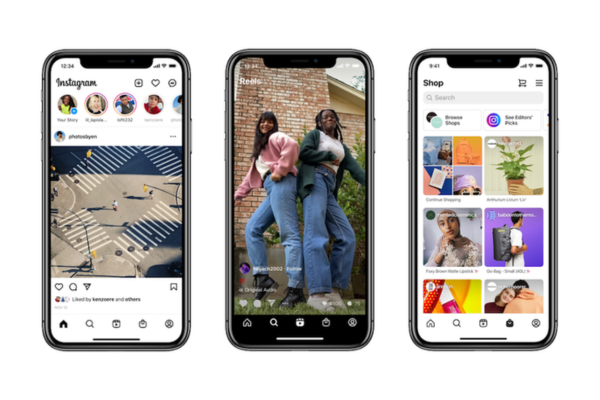
Instagram Shopping is a feature introduced by Instagram to bridge the gap between e-commerce and social media. It allows businesses to create an immersive storefront on Instagram, where users can explore products directly through images and videos in their feed, Stories, Reels, Explore tab, and the dedicated Shop tab. It effectively transforms a brand’s Instagram profile into a visual storefront that shortens the customer journey from product discovery to purchase.

Instagram Shopping is a crucial tool in modern digital marketing, especially in the age of visual-first content and mobile commerce. It offers a seamless, interactive shopping experience within the app, reducing the friction associated with switching between social platforms and e-commerce websites.


The Mechanics of Instagram Shopping

1. Setting Up Instagram Shopping

To use Instagram Shopping, a business must fulfill several requirements:

  • Eligible Business and Product: The business must comply with Instagram’s commerce policies and have a physical product to sell.
  • Instagram Business Account: The business needs to convert its profile to a Business or Creator account.
  • Facebook Catalog: Instagram pulls product data from a product catalog created on Facebook via Commerce Manager or integrated through platforms like Shopify or BigCommerce.
  • Account Approval: Once the catalog is set and linked to Instagram, the business can submit its account for review to get Shopping features enabled.

After approval, the business can turn on Shopping features through Instagram’s settings and begin tagging products in posts and stories.


2. Features of Instagram Shopping

Instagram Shopping offers a variety of tools and formats that allow businesses to showcase products creatively and contextually:

a. Product Tags

Businesses can tag products in feed posts, stories, Reels, and Live videos. These tags provide product details such as name, price, and a direct link to the product page. This allows users to tap on the tag and view the item without leaving Instagram.

b. Shop Tab on Profile

A business profile has a dedicated “View Shop” button, leading to a curated storefront. Users can browse collections, search for products, and make purchases directly from the Shop section.

c. Instagram Checkout (U.S. only, for now)

In the United States, eligible businesses can enable Instagram Checkout, allowing customers to complete purchases directly within the app. This reduces the steps in the buying process and increases the chances of conversion.

d. Product Launches and Drops

Instagram supports time-limited product drops where businesses can announce upcoming releases and customers can set reminders or preview products.

e. Live Shopping

During Instagram Live sessions, businesses can feature and sell products in real-time. Product pins appear during the broadcast, and viewers can purchase without leaving the stream.


How Instagram Shopping Works — The User Journey

Instagram Shopping is designed to streamline the consumer’s journey from discovery to purchase:

Step 1: Discovery

A user browsing Instagram may come across a product in their feed, Explore tab, or Stories. The post looks like a regular image but contains a small shopping bag icon indicating it’s shoppable.

Step 2: Product Information

By tapping the shopping icon, the user can view basic product details — name, price, and sometimes a brief description. A further tap takes them to the product detail page within Instagram.

Step 3: Decision Making

On the product detail page, users can view more images, read additional product information, browse the seller’s full shop, and check out similar items.

Step 4: Checkout

  • For U.S. users with Checkout enabled: They can buy directly on Instagram with saved payment information.
  • For international or non-checkout enabled accounts: Users are redirected to the business’s website to complete the purchase.

Benefits of Instagram Shopping

1. Seamless Customer Journey

Instagram Shopping minimizes the friction between seeing a product and buying it. This seamless experience often leads to higher conversion rates.

2. Visual Appeal

Instagram is inherently a visual platform, making it ideal for showcasing products in lifestyle settings or influencer collaborations. This visual context can increase interest and perceived value.

3. Social Proof

Because products are integrated into regular content, customers often see them in user-generated content or influencer posts, lending authenticity and increasing trust.

4. Audience Reach

With over 2 billion active users, Instagram offers massive exposure. Businesses can reach new audiences through organic discovery or paid promotions.

5. Personalized Experience

The Instagram algorithm tailors the Shop tab and Explore section based on user interests, increasing the relevance and effectiveness of product placements.


Challenges and Considerations

1. Limited Checkout Regions

Instagram Checkout is currently only available in the U.S. This limits the in-app purchasing experience for global users, requiring them to go to external websites.

2. Reliance on Meta Ecosystem

Instagram Shopping heavily depends on Facebook’s tools, such as Commerce Manager and Facebook Catalog. This might create dependency and complications for businesses not already embedded in the Meta ecosystem.

3. Algorithm Dependency

Success with Instagram Shopping often depends on visibility, which is controlled by Instagram’s algorithm. If a post or product doesn’t gain traction, it might go unseen by the majority of followers.

4. Platform Control

As a third-party platform, Instagram can change its policies, features, or algorithm at any time, which may impact how businesses use Shopping features.


Example: How a Small Business Uses Instagram Shopping

Business: Coastal Earthwear — a small eco-friendly clothing brand based in California.

1. Setting Up

Coastal Earthwear sets up a Facebook Catalog via Shopify and connects it to its Instagram Business Account. After the account is approved for shopping, they start tagging products in their posts.

2. Posting Products

They post a photo of a model wearing a bamboo cotton hoodie in a forest setting. In the caption, they highlight the material’s sustainability benefits. The hoodie is tagged, and viewers can tap to see the price and details.

3. Engagement and Discovery

An eco-conscious user scrolling through their Explore page discovers the post, taps the hoodie, and is taken to the product detail page. They explore similar products in Coastal Earthwear’s shop.

4. Checkout

As the business is in the U.S., the user can buy directly through Instagram Checkout. With saved shipping and payment details, the process is completed in seconds.

5. Post-Sale

After the purchase, the user follows the brand, shares the purchase on their Story (tagging the brand), and leaves a positive review — all within Instagram. This generates more visibility and organic reach.


Conclusion

Instagram Shopping has revolutionized the way people discover and purchase products on social media. It leverages the platform’s visual nature and massive user base to create an intuitive shopping experience. For businesses, especially small to medium-sized enterprises, it offers a powerful and low-barrier-to-entry method for driving sales and building brand loyalty.

From discovery through a lifestyle image to purchase via in-app checkout, Instagram Shopping offers an integrated, frictionless experience that aligns with modern consumer behavior. While there are limitations, particularly around global checkout and platform control, the advantages make it an essential tool in any social commerce strategy.

In a digital era where users prefer instant, visually engaging, and convenient interactions, Instagram Shopping stands out as a potent driver of e-commerce success.

Discuss the impact of filters and photo editing on body image

Introduction

In the age of digital media, social platforms like Instagram, Snapchat, and TikTok have become central to how individuals present themselves to the world. These platforms offer users an array of tools — including filters and photo editing apps — that can dramatically alter physical appearance with just a few taps. While these tools may seem harmless or entertaining, they have profound effects on how people, especially adolescents and young adults, perceive their bodies and self-worth.

This essay explores the psychological, cultural, and social implications of filters and photo editing, focusing on their impact on body image. We will examine the rise of “idealized” appearances, the distortion of beauty standards, and the link to mental health concerns such as low self-esteem, body dysmorphia, and eating disorders. An example will be included to illustrate the real-world consequences of these practices.


1. The Rise of Filter Culture

1.1. What Are Filters and Editing Tools?

Filters and editing tools allow users to manipulate images and videos — smoothing skin, reshaping features, whitening teeth, enlarging eyes, slimming bodies, and more. These features are integrated into social media platforms or accessed through third-party apps like Facetune, VSCO, and Snapchat.

These enhancements can be subtle or dramatic, creating a polished version of reality that often deviates significantly from a person’s actual appearance.

1.2. Popularity Among Young Users

Young people, particularly teenagers, are heavy users of these tools. According to research by Common Sense Media and the Dove Self-Esteem Project, nearly 80% of girls have used a filter or editing app to change their appearance by the age of 13. This frequent use not only alters how others see them but also how they see themselves.


2. Effects on Body Image

2.1. Unrealistic Beauty Standards

Filters and editing tools contribute to the creation of a digital beauty ideal that is unattainable for most people.

  • Flawless skin, perfectly symmetrical features, and body proportions outside natural variation become normalized.
  • These images dominate social feeds, reinforcing the belief that these edited versions are what people should aspire to look like.
  • Realistic bodies, skin conditions, scars, and natural signs of aging are often erased, leading to shame about normal human features.

2.2. Comparison and Self-Esteem Issues

Exposure to heavily edited images triggers a psychological effect known as upward social comparison — comparing oneself to someone perceived as better.

  • Constant comparisons can lead to dissatisfaction with one’s own body.
  • This is particularly damaging during adolescence, a time when identity and self-worth are being formed.
  • Repeated comparisons erode self-esteem and foster insecurities.

Research from the University of New South Wales shows that just 30 minutes on Instagram can lead to significantly more negative body image, especially when users are viewing idealized or filtered images.


3. Psychological Consequences

3.1. Body Dysmorphic Disorder (BDD)

The gap between edited images and reality can result in Body Dysmorphic Disorder (BDD) — a mental health condition where individuals obsess over perceived flaws in their appearance.

  • People with BDD may become consumed with trying to “correct” features through makeup, editing, or even surgery.
  • Mental health professionals have coined the term “Snapchat Dysmorphia” to describe patients requesting cosmetic procedures to look like their filtered selfies.
  • This new phenomenon underscores the severity of filters’ psychological effects.

3.2. Eating Disorders and Disordered Eating

Poor body image is a major risk factor for developing eating disorders such as anorexia, bulimia, and orthorexia.

  • The glorification of thin, edited bodies can drive teens to harmful behaviors in an effort to match digital ideals.
  • Diet culture thrives on social media, often reinforced through filtered before-and-after images.
  • Even subtle filters that slim the body can validate unhealthy body standards.

According to the National Eating Disorders Association (NEDA), social media pressures significantly contribute to disordered eating, especially in teenage girls.


4. The Role of Influencers and Brands

4.1. Influencer Culture

Influencers — individuals with large followings who monetize their content — play a significant role in perpetuating unrealistic beauty standards.

  • Many influencers use heavy filtering and editing while claiming authenticity.
  • This leads followers to believe that the influencer’s appearance is natural and achievable.
  • The result: fans try to emulate this look, often harming their self-perception.

4.2. Brands and Advertising

Even brands use filters and editing tools in advertisements, sending misleading messages about products and their results.

  • Skincare and fitness brands may show “perfect” skin or dramatic body transformations using filters.
  • This misleads consumers and contributes to false expectations.
  • Some countries like Norway and the UK now require influencers and brands to disclose when images are digitally altered.

5. The Vicious Cycle of Validation

5.1. Social Approval and Filters

Likes, shares, and comments provide instant social validation. When filtered photos get more attention, users learn to associate altered appearances with worth and popularity.

  • This creates a cycle where users feel pressure to continue editing in order to feel validated.
  • Fear of posting unedited images grows, leading to a distorted self-concept.
  • Even when alone, people may mentally compare themselves to their filtered version.

5.2. Detachment from Real Self

Over time, the edited version becomes the “ideal self,” and the real appearance feels disappointing.

  • This gap leads to anxiety, social withdrawal, and reduced confidence.
  • It becomes harder for individuals to accept how they truly look, both online and offline.

6. Example: The Case of Essena O’Neill

Essena O’Neill, an Australian Instagram model and influencer, made headlines in 2015 when she quit Instagram and publicly exposed the reality behind her photos.

  • She revealed that her seemingly effortless beauty was the result of hours of posing, editing, and filtering.
  • O’Neill admitted that her self-esteem was entirely dependent on online validation.
  • After quitting, she re-captioned her old photos to describe how fake or staged they were — one image originally labeled “candid” was revealed to be the result of over 100 attempts and editing.

Her story sparked a global conversation about social media authenticity, filters, and the mental toll of curating a perfect digital life.


7. Moving Toward Digital Responsibility

7.1. Body Positivity and Authentic Movements

In response to these challenges, there is a growing movement encouraging authenticity and body positivity.

  • Influencers and celebrities like Jameela Jamil advocate for unedited images and transparency.
  • Hashtags like #NoFilter and #BodyPositivity promote diverse bodies and real beauty.

7.2. Platform Initiatives

Some platforms have taken steps to reduce harm:

  • Instagram has hidden like counts in some regions to reduce comparison.
  • Filters promoting cosmetic surgery or unrealistic changes have been banned.
  • Brands are increasingly pressured to be transparent about image editing.

Education is key — schools, parents, and media must teach critical thinking and media literacy to help young people navigate digital beauty culture.


Conclusion

Filters and photo editing tools have redefined how people see themselves and others. While they can be creative tools for self-expression, their widespread and uncritical use has created unrealistic beauty ideals that contribute to poor body image, mental health issues, and unhealthy behaviors — especially among young people. The pressure to conform to a filtered appearance warps self-perception and erodes self-worth.

As users, influencers, and platforms become more aware of the psychological consequences, there’s hope for a more honest and diverse representation of beauty online. It is crucial to shift the conversation from perfection to authenticity, encouraging self-acceptance over social approval. Only then can social media become a space that uplifts rather than diminishes the individual.


How does Instagram support mental health awareness campaigns?

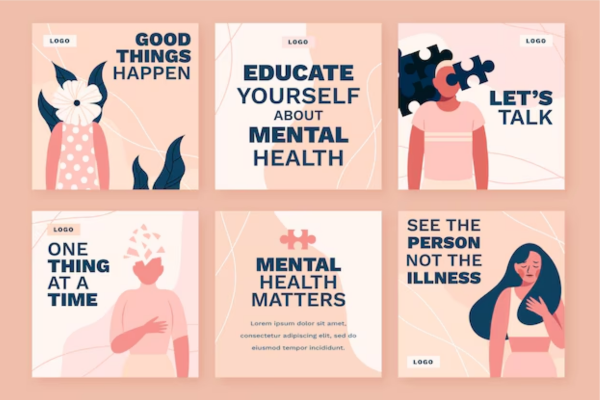
Mental health has become one of the most discussed and significant issues of the 21st century. With the rise of social media platforms like Instagram, awareness surrounding mental health has not only grown but evolved in form, style, and reach. Instagram, primarily known as a photo and video sharing app, has proven to be more than a space for lifestyle content—it has become a powerful tool for raising awareness, reducing stigma, providing resources, and fostering community around mental health.

This essay explores how Instagram supports mental health awareness campaigns, the tools and strategies used by advocates and organizations, the impact it has had on audiences, and a real-world example to illustrate its effectiveness.


1. Instagram as a Mental Health Awareness Platform

Instagram is inherently visual and interactive, making it an ideal platform to communicate nuanced and sensitive topics such as mental health. By using photos, infographics, videos, Reels, and Stories, campaigners can present complex issues in accessible and engaging formats.

Instagram supports mental health awareness through:

  • Reach and accessibility – with over 2 billion users globally.
  • Influencer participation – celebrities and creators openly discussing mental health.
  • Features tailored for wellness – such as content filters and mental health support tools.
  • Collaborations with mental health organizations – like NAMI, WHO, and Mental Health America.

2. Ways Instagram Supports Mental Health Awareness

A. Awareness Through Content Sharing

At the heart of every campaign lies the ability to share relatable and informative content. On Instagram, this can include:

  • Infographics about depression, anxiety, PTSD, and other conditions.
  • Reels and IGTV videos with tips on coping mechanisms and therapy.
  • Personal stories from users sharing their journeys to reduce stigma.
  • Quotes and affirmations that spread positivity and validation.

Hashtags like #MentalHealthAwareness, #EndTheStigma, and #ItsOkayToNotBeOkay help categorize this content and make it discoverable to users seeking support or information.


B. Leveraging Influencers and Public Figures

Influencers have a strong voice on Instagram. Many celebrities and digital creators now use their platforms to speak openly about mental health, creating ripple effects across their followers.

  • Celebrities like Selena Gomez, Dwayne “The Rock” Johnson, and Demi Lovato have spoken candidly about mental illness on Instagram.
  • Mental health influencers such as @the.holistic.psychologist or @anxietyhealer regularly post educational and supportive content.
  • The openness of these public figures normalizes mental health struggles and encourages followers to seek help.

C. Campaign Hashtags and Awareness Days

Every year, global campaigns like World Mental Health Day (October 10) or Mental Health Awareness Month (May) gain momentum on Instagram through:

  • Hashtag campaigns such as #MentalHealthMatters.
  • Branded filters and story stickers promoting awareness.
  • Virtual events like Q&As, live sessions with psychologists, and webinars.

These campaigns significantly increase visibility and engagement around mental health topics.


D. Supportive Communities and Peer Interaction

Instagram’s comment sections, DMs, and community-based pages create spaces where people can connect with others facing similar struggles.

  • Accounts like @letstalk.mentalhealth or @selfcareisforeveryone foster supportive dialogues.
  • Users find validation, comfort, and advice from others in the comments.
  • Peer-to-peer support, while not a replacement for therapy, helps reduce isolation.

E. Instagram’s Built-in Mental Health Features

Instagram has incorporated several features that show its commitment to mental health support:

  1. Search Interventions
    When users search for terms like “depression” or “suicide,” Instagram offers to connect them with mental health resources before showing any results. This includes:

    • A prompt offering to talk to a friend.
    • Contact information for mental health helplines.
    • Tips for self-care and support.
  2. Content Reporting Tools
    If someone posts something that suggests they’re struggling, users can report it. Instagram then:

    • Sends the user a supportive message.
    • Offers mental health resources anonymously.
  3. Time Tracking Tools
    Instagram includes features like “Your Activity” to help users manage screen time. Reducing overuse can help prevent social media fatigue and improve mental well-being.

3. Challenges and Ethical Considerations

While Instagram supports mental health, it is also essential to acknowledge challenges:

A. The Pressure to Appear Perfect

Instagram’s culture of aesthetic perfection can sometimes contribute to mental health problems, especially for young users who compare themselves to influencers’ curated lives. Campaigns must work against this by promoting authenticity and real-life imperfection.

B. Misinformation

Mental health is a complex field. Not all posts are accurate or evidence-based. Instagram must work to verify mental health professionals and promote fact-checked content.

C. Triggers and Harmful Content

Despite efforts, some content may still act as a trigger for individuals with anxiety, depression, or eating disorders. Content moderation and trigger warnings are essential.


4. Real-Life Example: The “#HereForYou” Campaign

Instagram itself launched the #HereForYou campaign in 2017 to spotlight mental health issues on the platform. It aimed to highlight how people use Instagram to talk about their struggles, get support, and build community.

Goals of the Campaign:

  • Break stigma around discussing mental health online.
  • Highlight user stories that reflect real-life experiences.
  • Encourage users to support each other using Instagram’s tools.

Execution:

Instagram featured short videos of users sharing personal mental health stories. It partnered with creators who had spoken openly about their struggles, such as:

  • @kellyu, a mental health advocate sharing her experience with anxiety.
  • @finkim, discussing life with bipolar disorder.
  • @papermagazine, amplifying these stories to broader audiences.

Impact:

  • The hashtag #HereForYou was viewed millions of times.
  • Thousands of users used it to post their own stories.
  • It helped normalize conversations about mental illness on a platform often associated with idealized content.
  • The campaign was praised for humanizing mental health and leveraging real voices, not just statistics.

5. How Students and Young Users Benefit

Instagram’s mental health campaigns are particularly impactful for younger users, who are the most active demographic on the platform.

Benefits Include:

  • Accessible mental health education in formats like short videos, infographics, and Reels.
  • Role models who make it safe to talk about emotions and seek help.
  • Reduced stigma around therapy, medication, and diagnosis.
  • Easy connection to hotlines, counselors, and peer support.

Students facing academic stress, identity issues, or loneliness can find reassurance, coping strategies, and a sense of belonging through Instagram’s mental health communities.


6. Conclusion

Instagram, often seen as a platform for selfies and social trends, has become a critical player in global mental health awareness efforts. Through hashtags, partnerships, storytelling, and community building, it creates space for authentic conversations, education, and support.

Campaigns like #HereForYou, the promotion of mental health influencers, and integrated support tools reflect the platform’s proactive role in not just acknowledging but actively supporting mental well-being.

The key to continued impact lies in ensuring authenticity, avoiding misinformation, promoting verified resources, and amplifying underrepresented voices. With mindful use, Instagram can be more than a social platform—it can be a lifeline and a source of healing, particularly for young, digitally connected users.


What are carousel posts and how can they be creatively used?

Introduction

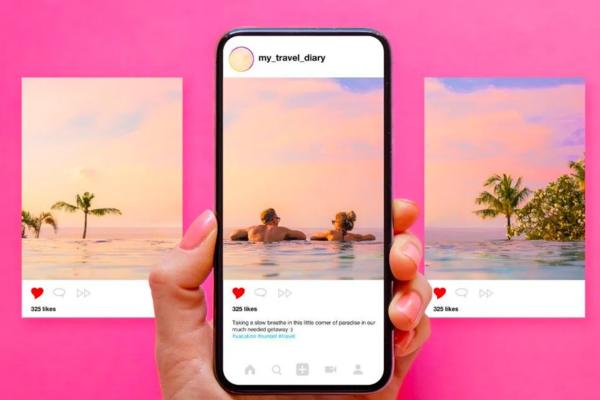
Instagram has evolved far beyond just a platform for single photo posts. One of its most powerful features is the carousel post—a post format that allows users to share multiple photos or videos in a single post that viewers can swipe through. Since its introduction in 2017, carousel posts have become a popular way for individuals, brands, influencers, and educators to tell richer stories, provide more detailed information, and engage audiences in a more interactive way.

This essay explores what carousel posts are, their unique benefits, and creative ways to use them to maximize engagement, communication, and aesthetic appeal. We will also look at a practical example to show how a student or creator can use carousel posts effectively.


1. What Are Carousel Posts?

Definition

A carousel post on Instagram is a single post containing a series of images and/or videos—up to 10 pieces of content—that users can swipe through horizontally. Unlike traditional single-image or single-video posts, carousel posts allow multiple pieces of content to be grouped together in one cohesive unit.

How Carousel Posts Work

  • When you scroll through your Instagram feed, carousel posts show the first image or video, and small dots beneath it indicate there is more content.
  • Users swipe left or tap arrows to view the next image or video in the sequence.
  • Carousel posts can combine different media types (photos and videos) in any order.

Why Use Carousel Posts?

  • More information in one post: Allows sharing of multiple angles, steps, or perspectives without spamming followers with multiple separate posts.
  • Higher engagement: Carousel posts tend to receive higher engagement rates because they encourage swiping and longer viewing times.
  • Better storytelling: Enables narratives that unfold sequentially, ideal for step-by-step tutorials, before-and-after comparisons, or detailed explanations.

2. Benefits of Carousel Posts

A. Increased Engagement

Instagram’s algorithm favors content that keeps users on the platform longer. Carousel posts invite swiping and more time spent viewing a post, signaling to Instagram that the content is valuable, which can boost reach.

B. Versatility in Content

Users can mix photos and videos, making carousel posts highly flexible. This allows creators to combine:

  • Close-ups and wide shots.
  • Static images and dynamic video clips.
  • Text-based graphics and real-life photos.

C. Detailed Communication

Carousel posts are perfect for sharing detailed information in digestible chunks rather than overwhelming followers with a single image or video.

D. Portfolio and Showcase

Artists, photographers, and brands use carousel posts to display collections or series in one place without crowding the feed.


3. Creative Ways to Use Carousel Posts

The creative potential of carousel posts is vast. Here are some impactful strategies:

A. Step-by-Step Tutorials or How-To Guides

For educational content, carousel posts allow breaking down complex processes into easy-to-follow steps.

Example: A cooking account might show the ingredients on slide 1, preparation steps on slides 2-7, and the final plated dish on slide 8.

B. Before-and-After Comparisons

Carousel posts are ideal for showing transformations, renovations, or progress over time.

Example: A fitness influencer posts a before-and-after workout transformation, with the first slide showing the “before,” followed by photos of workout routines, and ending with the “after” photo.

C. Storytelling and Sequential Narratives

Create a mini-story or narrative that unfolds over the slides.

Example: A travel blogger shares a day-by-day journey through a destination with photos and captions telling a story.

D. Product Showcases and Features

Brands use carousel posts to showcase multiple features, colors, or styles of a product in one post.

Example: A clothing brand shares various outfits styled with the same jacket on each slide.

E. Educational Infographics or Data Breakdown

Slides can present data or information stepwise.

Example: An environmental awareness page breaks down statistics on pollution, causes, and solutions across several slides.

F. User-Generated Content and Testimonials

A brand or influencer can share followers’ photos or reviews in a carousel, building trust and community.

G. Event Recaps and Highlights

Carousel posts can summarize event moments without posting multiple separate images.


4. Tips for Creating Engaging Carousel Posts

A. Design Cohesion

Ensure a consistent visual style across slides — use matching colors, fonts, and filters for a professional look.

B. Clear Story Flow

Organize content logically, guiding viewers through a narrative or logical progression.

C. Engaging Captions and Calls to Action

Each slide should add value, and the caption can invite users to swipe through all slides and comment or share.

D. Use Text Overlays

Add concise text to images to clarify messages or instructions without requiring users to read the caption.

E. Experiment with Media Mix

Mix photos, videos, graphics, and animations for dynamic, engaging posts.

F. Preview Before Posting

Review the carousel sequence to ensure smooth flow and no broken visual continuity.


5. Example: How a Student Uses Carousel Posts to Enhance Study Sharing

Meet Riya, a university student studying environmental science who wants to share her knowledge and revision tips with peers on Instagram.

Riya’s Goal:

To help fellow students grasp complex concepts and exam prep strategies while building her own Instagram presence as an educational content creator.

How Riya Uses Carousel Posts Creatively:

  • Slide 1: A visually striking title card – “Climate Change Explained in 5 Steps.”
  • Slides 2-6: Each slide covers one key point: causes, effects, solutions, statistics, and actions students can take, with easy-to-understand infographics and brief text.
  • Slide 7: A short 15-second video explaining carbon footprint calculation.
  • Slide 8: Summary card with a motivational quote and call-to-action: “Save this post for your exam prep! Share with friends.”
  • Slide 9: A slide inviting followers to comment their questions or thoughts.
  • Slide 10: A personal note from Riya with her Instagram handle and a prompt to follow for more study tips.

Why This Works:

  • The carousel format breaks down complex information into bite-sized, visually appealing chunks, making it easier to absorb.
  • The mix of infographics, text, and video caters to different learning styles.
  • The call-to-action encourages engagement, boosting reach.
  • Riya’s personal touch builds a connection with her audience.
  • Saving the post encourages repeated access, increasing long-term engagement.

Through this carousel, Riya not only shares valuable educational content but also creates engagement, grows her following, and establishes herself as a helpful resource.


6. Conclusion

Instagram carousel posts offer an incredibly versatile and engaging way to share multiple pieces of content in one post. Their ability to combine photos and videos, tell stories, educate, showcase products, and create community conversations makes them invaluable for users who want to deepen their interaction with followers.

Creatively using carousel posts allows content creators—whether students, influencers, educators, or brands—to stand out in crowded feeds, communicate more effectively, and foster higher engagement rates. Riya’s example demonstrates how thoughtful carousel design can enhance educational sharing while building a meaningful Instagram presence.

By leveraging design cohesion, storytelling techniques, diverse media, and clear calls to action, anyone can use carousel posts not just to post content, but to create memorable, impactful experiences for their audience.


Describe how businesses use Instagram to increase sales.

Introduction

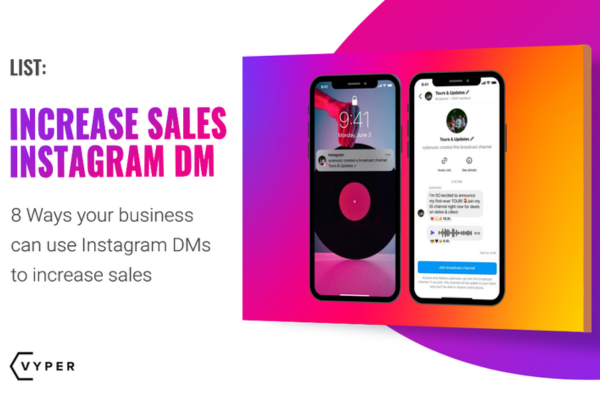
Instagram has emerged as one of the most influential platforms for businesses to connect with consumers, build brand identity, and drive sales. With over a billion active users worldwide and a visual-centric format, Instagram offers unique opportunities for businesses to showcase products, engage with customers, and facilitate direct purchases. From small startups to large corporations, companies leverage Instagram’s diverse tools and marketing features to boost their revenue streams.

This essay explores the various strategies businesses use on Instagram to increase sales. It also explains how the platform’s features facilitate customer engagement and conversion. Finally, a relevant example is provided to illustrate these concepts in action.


1. Building Brand Awareness and Trust

1.1. Establishing a Strong Visual Identity

Instagram is a visual platform, making it ideal for businesses to create a cohesive and appealing brand presence.

  • Businesses develop a consistent aesthetic — color schemes, logos, tone — to make their profiles instantly recognizable.
  • High-quality photos and videos showcase products attractively, influencing purchase decisions.
  • Visual storytelling helps businesses communicate their values and differentiate themselves from competitors.

1.2. Sharing Authentic Content

Consumers tend to trust brands that appear authentic and relatable.

  • Behind-the-scenes content, employee stories, or user-generated content (UGC) increase transparency.
  • Stories and Reels allow for casual, real-time engagement.
  • Authenticity builds emotional connections, increasing customer loyalty and likelihood of purchase.

2. Utilizing Instagram Shopping Features

Instagram has developed several features specifically designed to support e-commerce and boost sales.

2.1. Instagram Shopping Tags

Businesses can tag products directly in their posts and Stories, linking users to product pages.

  • Shoppable posts allow users to tap on product images for prices and details.
  • This reduces friction by enabling users to explore products without leaving the app.
  • It creates a seamless path from discovery to purchase.

2.2. Instagram Shops

Businesses can create an Instagram Shop, a customizable storefront within the app.

  • Shops allow businesses to showcase their full product catalog.
  • Users can browse, save items, and check out without leaving Instagram (depending on region).
  • Integration with Facebook Shops allows unified multi-platform selling.

2.3. Checkout on Instagram

In some markets, Instagram offers a checkout feature that lets customers purchase directly on the platform.

  • This shortens the buying journey, increasing impulse purchases.
  • Secure payment options and order tracking enhance user experience.

3. Engaging Customers Through Interactive Content

3.1. Stories and Reels

Instagram Stories and Reels provide businesses with engaging, ephemeral content that encourages interaction.

  • Polls, quizzes, and question stickers in Stories invite user participation.
  • Reels capitalize on trends and viral content to increase reach.
  • Frequent, interactive content keeps the brand top-of-mind.

3.2. Live Videos

Instagram Live allows businesses to interact with customers in real time.

  • Live product launches, Q&A sessions, and tutorials build excitement and trust.
  • Immediate feedback from viewers helps tailor marketing approaches.
  • Live shopping events can create urgency and boost sales.

4. Leveraging Influencer Marketing

4.1. Collaborations with Influencers

Influencers can extend a brand’s reach and credibility.

  • Influencers showcase products to their loyal audiences in authentic ways.
  • Micro-influencers, with smaller but engaged followings, are particularly effective.
  • Sponsored posts, giveaways, and reviews can drive traffic and sales.

4.2. User-Generated Content

Encouraging customers to share their own photos or videos using products amplifies word-of-mouth marketing.

  • UGC provides social proof, influencing purchase decisions.
  • Reposting UGC signals appreciation and fosters community.
  • Campaigns encouraging UGC (e.g., hashtags or contests) increase brand visibility.

5. Running Targeted Advertising Campaigns

Instagram’s integration with Facebook Ads Manager allows businesses to run highly targeted ad campaigns.

5.1. Audience Targeting

  • Businesses can target users by age, location, interests, behaviors, and custom or lookalike audiences.
  • Retargeting ads reach users who visited websites or engaged with previous content.

5.2. Varied Ad Formats

  • Photo and video ads showcase products in feeds.
  • Stories ads offer immersive, full-screen experiences.
  • Carousel ads display multiple products or features.
  • Collection ads combine images and shopping elements.

5.3. Measuring and Optimizing Campaigns

  • Instagram provides detailed analytics on ad performance.
  • Marketers can optimize targeting, creative, and budgets for maximum ROI.
  • Continuous testing improves campaign effectiveness and sales conversion.

6. Example: How the Fashion Brand “Alo Yoga” Uses Instagram to Increase Sales

Alo Yoga, a popular activewear brand, effectively uses Instagram to drive sales and build a loyal customer base.

How Alo Yoga Uses Instagram:

  • Consistent Brand Aesthetic: Alo Yoga’s Instagram feed features high-quality images of models wearing their products in aspirational lifestyle settings, reinforcing their brand as trendy and high-end.
  • Instagram Shopping: Alo Yoga uses shopping tags on posts and Stories, allowing users to shop directly from their feed.
  • Engaging Stories and Reels: They regularly post workout tutorials, wellness tips, and behind-the-scenes content in Stories and Reels, keeping their audience engaged and connected.
  • Influencer Partnerships: Alo collaborates with fitness influencers who authentically promote their products, expanding reach to targeted fitness communities.
  • User-Generated Content: The brand encourages customers to share their Alo Yoga outfits with branded hashtags, reposting this content to build community and trust.
  • Targeted Ads: Alo Yoga runs ads targeting fitness enthusiasts and wellness-focused demographics, using retargeting to bring back website visitors.

Result:

These strategies have helped Alo Yoga grow its Instagram following into a highly engaged community, increase web traffic, and boost direct sales through Instagram’s shopping features.


7. Conclusion

Instagram has become a vital tool for businesses aiming to increase sales by leveraging its visual appeal, interactive features, and shopping integrations. By building a strong brand presence, utilizing Instagram Shopping, engaging audiences through stories and influencer partnerships, and running targeted ads, businesses can convert followers into customers efficiently.

Brands like Alo Yoga demonstrate how an integrated Instagram marketing strategy can foster brand loyalty, community engagement, and ultimately drive significant sales growth. As Instagram continues to evolve, businesses that effectively adapt and harness its features will remain competitive in the digital marketplace.


How does Instagram engagement (likes, comments, shares) influence popularity?

Introduction

Instagram has become one of the world’s leading social media platforms, with over a billion active users sharing photos, videos, Stories, and Reels daily. In this crowded space, popularity often hinges on engagement—the likes, comments, shares, and other interactive behaviors users generate around a post or profile.

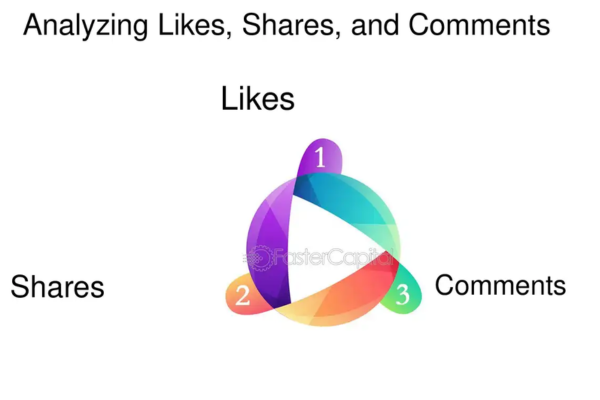
Engagement on Instagram is not just about vanity metrics; it plays a crucial role in determining how content is distributed, perceived, and valued by both the platform’s algorithm and the community. This essay explores the mechanics of Instagram engagement, its influence on popularity, and why it matters for individuals, brands, and influencers alike. A concrete example will demonstrate how engagement can propel an Instagram account to new heights.


1. Understanding Instagram Engagement

A. What is Engagement?

Engagement on Instagram refers to the measurable actions users take in response to a post or profile. The primary engagement types include:

  • Likes: When users tap the heart icon to show approval or appreciation of a post.
  • Comments: When users write their thoughts, questions, or reactions beneath a post.
  • Shares: When users send a post via direct messages or share it to their Stories.
  • Saves: When users bookmark a post for later reference.
  • Views: For videos or Stories, how many times content has been watched.

Together, these actions reflect how users interact with content, signaling its relevance and appeal.

B. Why Engagement Matters

Engagement is vital because it:

  • Indicates audience interest and connection.
  • Signals quality and relevance to Instagram’s algorithm.
  • Builds community and loyalty among followers.
  • Can drive organic growth by increasing visibility.
  • Attracts potential brand partnerships and sponsorships.

2. How Instagram Engagement Influences Popularity

Popularity on Instagram is often measured by follower count and post reach, but underlying these are engagement metrics. Here’s how engagement directly influences popularity:

A. Algorithmic Amplification

Instagram’s algorithm determines what content appears in users’ feeds, Explore page, Reels tab, and Stories queue. It prioritizes content with high engagement because such content is deemed valuable and interesting to users.

  • High engagement = More visibility: Posts with many likes, comments, shares, and saves are more likely to be promoted by Instagram’s algorithm.
  • Early engagement matters: Content that quickly receives engagement after posting is favored for wider distribution.
  • Diverse engagement signals: Comments and shares generally weigh more than likes because they indicate stronger user interest.

By boosting a post’s reach, Instagram increases the account’s exposure, potentially attracting more followers and growing popularity.

B. Social Proof and Credibility

Engagement acts as social proof, meaning users judge a post or profile’s value based on others’ reactions.

  • A post with thousands of likes and comments appears popular, encouraging new users to follow or engage.
  • High engagement can build trust and authority, especially for influencers, brands, or creators.
  • Conversely, low engagement might lead users to perceive an account as inactive or irrelevant.

Social proof fuels a virtuous cycle: more engagement leads to more followers, who engage even more.

C. Community Building

Comments and shares foster conversations and connections.

  • Meaningful comments allow users and creators to interact, deepening relationships.
  • Shared posts extend reach beyond immediate followers, tapping new audiences.
  • Active engagement builds a loyal, interactive community that supports ongoing popularity.

Accounts with engaged communities often experience higher retention and steady growth.


3. Types of Engagement and Their Impact on Popularity

Each type of engagement contributes differently to popularity:

A. Likes

Likes are the simplest form of engagement, showing quick approval.

  • They boost initial visibility.
  • Though less valuable than comments or shares individually, high like counts create immediate social proof.
  • Likes serve as a baseline metric for popularity.

B. Comments

Comments require more effort and represent deeper engagement.

  • They boost algorithmic ranking more significantly.
  • Comments create conversations and show that the content resonates.
  • Responding to comments can humanize accounts, encouraging repeat engagement.

C. Shares

Shares are powerful because users actively promote content to others.

  • Shared posts reach beyond the creator’s followers.
  • Sharing indicates content is highly valuable or relatable.
  • Shares can create viral effects, dramatically increasing popularity.

D. Saves

Saves suggest that users find content useful or inspirational.

  • Instagram interprets saves as a strong signal of content quality.
  • High save rates help maintain long-term visibility.

4. Factors That Influence Engagement and Popularity

Engagement and popularity do not happen by chance; several factors affect them:

A. Content Quality

Visually appealing, well-crafted content naturally attracts more engagement.

  • High-resolution photos, creative videos, and compelling captions perform better.
  • Educational or entertaining posts tend to get more saves and shares.

B. Consistency and Frequency

Regular posting keeps followers engaged and signals activity to the algorithm.

  • Consistency builds anticipation and loyalty.
  • Too few posts reduce chances of engagement; too many may overwhelm followers.

C. Audience Targeting and Relevance

Content that resonates with the target audience generates higher engagement.

  • Niche accounts often have smaller but highly engaged followers.
  • General content may attract more followers but less engagement per post.

D. Use of Hashtags and Captions

Hashtags increase discoverability beyond followers, while captions encourage interaction.

  • Asking questions in captions invites comments.
  • Relevant hashtags help reach interested users who may like, comment, or share.

E. Timing and Trends

Posting when followers are active and aligning with current trends or challenges can boost engagement.


5. Example: How Engagement Propelled “Emma’s Art” Instagram Account to Popularity

Emma is a young digital artist who started sharing her artwork on Instagram with only a few followers. Here’s how engagement influenced her rise in popularity:

Step 1: Posting High-Quality Content

Emma posted vibrant, detailed digital paintings and used thoughtful captions explaining her creative process.

Step 2: Encouraging Interaction

She regularly asked questions like, “Which color scheme do you prefer?” encouraging followers to comment and share opinions.

Step 3: Responding to Comments

Emma actively replied to comments, thanking followers and answering questions, building a loyal community.

Step 4: Using Relevant Hashtags

Emma used niche hashtags (#digitalart, #artprocess, #artistsoninstagram) to reach art enthusiasts beyond her followers.

Step 5: Leveraging Stories and Shares

Emma shared behind-the-scenes Stories and encouraged followers to share her posts. Followers reposted her work to their Stories, exposing her art to wider audiences.

Step 6: Early Engagement Boost

Emma noticed posts that gained likes and comments within the first hour performed better overall, so she timed posts when followers were most active.


Outcome:

  • Emma’s posts regularly received hundreds of likes, dozens of comments, and multiple shares.
  • Her engagement signaled to Instagram’s algorithm that her content was relevant and high quality, resulting in her work appearing on the Explore page.
  • This wider exposure attracted thousands of new followers in a short time.
  • Emma became recognized in digital art communities, leading to commissions and collaborations.
  • Her engaged follower base consistently interacted with new posts, sustaining her popularity.

6. Why Engagement Is More Important Than Followers Alone

Many people equate popularity with follower count, but engagement is a better indicator of true influence:

  • Accounts with millions of followers but low engagement are less valuable to brands and communities.
  • Smaller accounts with high engagement rates often have more impact.
  • Engagement demonstrates an active, interested audience, not just passive viewers.

7. Conclusion

Instagram engagement—likes, comments, shares, and saves—is fundamental to popularity on the platform. Engagement not only influences how Instagram’s algorithm distributes content but also shapes social proof, credibility, and community connection. Quality content, consistent posting, active interaction, and strategic use of hashtags and timing all contribute to maximizing engagement.

The example of Emma’s Art account clearly shows how leveraging engagement can transform a small, unknown account into a popular and influential presence. For individuals and brands aiming to grow on Instagram, focusing on engagement rather than just follower count is the key to sustainable success and popularity.


What role does Instagram play in digital marketing?

Introduction

In today’s digital age, Instagram has evolved from a simple photo-sharing app into a powerful platform for digital marketing. With over a billion monthly active users worldwide, Instagram offers brands an unparalleled opportunity to engage with diverse audiences through visual storytelling, influencer collaborations, and targeted advertising. Its highly interactive nature, combined with rich multimedia content formats, makes it an indispensable tool for marketers seeking to build brand awareness, generate leads, and drive sales.

This essay explores the multifaceted role Instagram plays in digital marketing, highlighting its features, strategies, benefits, and challenges. An example of a brand successfully leveraging Instagram for marketing is also included to illustrate these points.


1. Instagram as a Visual Marketing Platform

1.1. Power of Visual Content

Instagram’s core strength lies in its visual-first approach. Humans process images much faster than text, and visuals evoke stronger emotional responses, making them highly effective for marketing.

  • Brands use photos, videos, Stories, Reels, and IGTV to showcase products, services, and brand personality.
  • Consistent visual identity — including color schemes, typography, and style — strengthens brand recall and recognition.
  • Visual storytelling helps brands communicate messages quickly and memorably.

1.2. Diverse Content Formats

Instagram supports various content types that cater to different marketing goals:

  • Feed posts: Ideal for product highlights, announcements, and promotions.
  • Stories: Short-lived content that fosters immediacy and authentic engagement.
  • Reels: Short, engaging videos that capitalize on trends to increase reach.
  • IGTV: Long-form videos for in-depth tutorials, interviews, or behind-the-scenes content.
  • Shopping Tags: Enable direct product purchases within posts.

These formats provide marketers with creative flexibility and the ability to tailor content to specific audience preferences.


2. Instagram’s Audience Targeting and Advertising Capabilities

2.1. Precise Targeting

Instagram is owned by Meta (formerly Facebook), which offers advanced targeting options using detailed user data.

  • Advertisers can target audiences based on demographics (age, gender, location), interests, behaviors, and even past interactions.
  • Custom Audiences allow retargeting of website visitors or app users.
  • Lookalike Audiences help find new users similar to existing customers.

This precision enhances ad efficiency and return on investment (ROI).

2.2. Variety of Ad Formats

Instagram provides multiple advertising formats, such as:

  • Photo and video ads: Blend seamlessly into user feeds.
  • Stories ads: Full-screen, immersive ads between user Stories.
  • Carousel ads: Multiple images or videos in a swipeable format.
  • Shopping ads: Directly link products to purchase pages.
  • Explore ads: Appear on the Explore page, reaching users seeking new content.

These formats help marketers reach users at different stages of the sales funnel.


3. Influencer Marketing on Instagram

3.1. Rise of Influencers

Instagram is a hotspot for influencers — individuals with sizable followings who sway their audience’s opinions and purchasing decisions.

  • Brands collaborate with influencers to access niche or broad audiences.
  • Influencers provide authentic content that resonates better than traditional ads.
  • Sponsored posts, takeovers, unboxings, and reviews are common influencer strategies.

3.2. Micro and Nano-Influencers

Besides celebrities, smaller influencers (micro and nano) often have higher engagement rates and niche audiences.

  • Micro-influencers (10k–100k followers) are cost-effective for brands targeting specific communities.
  • Nano-influencers (under 10k followers) foster intimate, trusted relationships with followers.

Influencer partnerships boost brand credibility and trust, which are vital in digital marketing.


4. Engagement and Community Building

Instagram enables direct interaction between brands and consumers.

  • Features like comments, likes, direct messages, and polls facilitate two-way communication.
  • Building an engaged community fosters brand loyalty and advocacy.
  • User-generated content (UGC) campaigns encourage customers to share their experiences, creating social proof.

Engagement drives organic reach and enhances the brand’s online presence.


5. Analytics and Data-Driven Marketing

Instagram provides businesses with insights to measure performance and optimize strategies.

  • Metrics include reach, impressions, engagement rates, follower growth, and click-throughs.
  • Insights help identify what content resonates and when to post.
  • Data-driven adjustments improve targeting, messaging, and ROI.

This analytical approach enhances campaign effectiveness and resource allocation.


6. Challenges of Instagram Marketing

Despite its advantages, Instagram marketing comes with challenges:

  • Algorithm changes: Frequent updates affect content visibility, requiring marketers to adapt continuously.
  • Content saturation: High competition means standing out demands creativity and consistency.
  • Ad fatigue: Users can become overwhelmed with ads, reducing effectiveness.
  • Maintaining authenticity: Brands must balance promotional content with genuine engagement to avoid alienating audiences.

Successful marketers stay agile, monitor trends, and focus on authentic connections.


7. Example: Glossier’s Instagram Marketing Success

Glossier, a beauty and skincare brand, exemplifies successful Instagram marketing.

How Glossier Uses Instagram:

  • Visual branding: Glossier’s Instagram feed maintains a clean, minimalist aesthetic with pastel tones reflecting its product design.
  • User-generated content: The brand encourages customers to share selfies using its products, reposting them to foster community and trust.
  • Influencer collaborations: Glossier works with micro-influencers and beauty enthusiasts who authentically review and promote its products.
  • Engagement: Glossier actively interacts with followers through comments and Stories polls, making customers feel valued.
  • Shopping integration: The brand utilizes Instagram Shopping tags to streamline the purchasing process directly from posts.

As a result, Glossier built a loyal fanbase, boosted sales, and established itself as a digitally native brand, primarily growing through Instagram.


Conclusion

Instagram plays a pivotal role in digital marketing by offering a visually driven platform that connects brands with highly engaged audiences. Its versatile content formats, advanced targeting, influencer ecosystem, and interactive features enable marketers to craft compelling campaigns that build brand awareness, foster loyalty, and drive sales. While challenges like algorithm shifts and content saturation exist, strategic, authentic marketing on Instagram continues to yield significant benefits.

Brands like Glossier demonstrate how effectively leveraging Instagram’s marketing tools can create a vibrant community and a strong digital presence. As Instagram evolves, it remains an essential component of modern digital marketing strategies.


How to Become a Digital Marketing Specialist

Digital marketing is one of the fastest-growing fields today. Many people are interested in building a career in digital marketing, and becoming a digital...

What is SMM in Digital Marketing

SMM, or Social Media Marketing, is one of the most important parts of digital marketing. In simple words, SMM is the process of using...

What is Google Analytics in Digital Marketing

Google Analytics is one of the most important tools in digital marketing. It helps businesses understand how people interact with their websites and online...

What is Google AdWords in Digital Marketing

Google AdWords is one of the most important tools in digital marketing. Many businesses use AdWords to reach their target audience online and increase...

What Is CPM in Digital Marketing

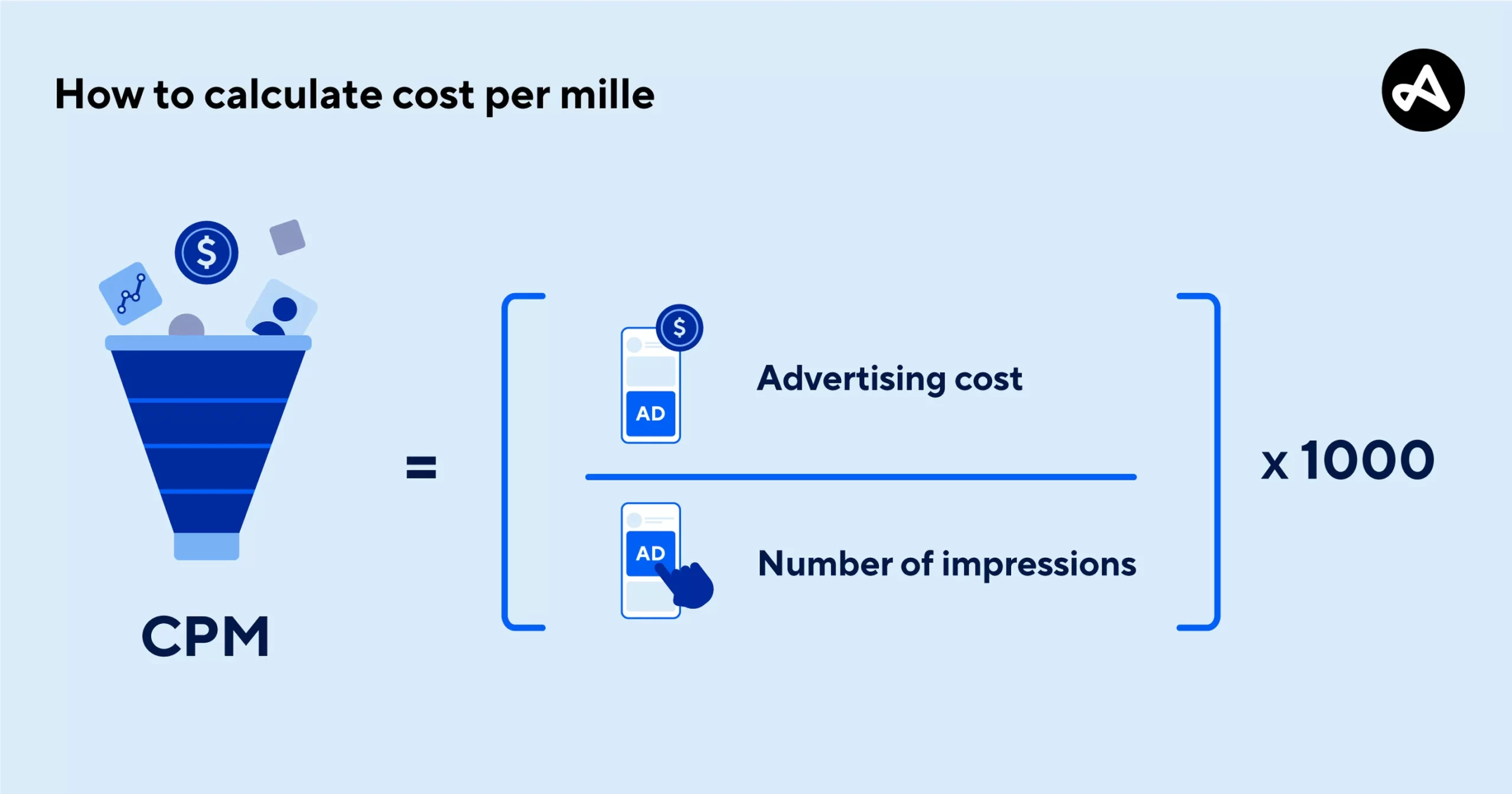
In digital marketing, understanding how your ads are priced and measured is very important. Different advertising models help marketers track performance and control spending....