Home Blog Page 36

How can students use Instagram for learning and educational content?

Introduction

Instagram is widely known as a social platform for sharing photos, videos, and stories, often centered around lifestyle, fashion, entertainment, and social networking. However, its role in education is growing rapidly. With over a billion users globally, Instagram offers innovative ways for students to access, engage with, and share educational content.

Despite its casual and visual nature, Instagram can be a powerful tool for learning when used mindfully. This essay explores the ways students can leverage Instagram for education, the types of learning content available, strategies for maximizing its benefits, and potential challenges to navigate. An example of a student using Instagram for academic growth helps bring these ideas to life.


1. Instagram as a Platform for Educational Content

A. Visual and Interactive Learning

Instagram’s format — focused on images, short videos, and Stories — aligns well with visual learning styles. Concepts that might be complex in textbooks can be explained through infographics, diagrams, animations, and short video tutorials. Visual aids enhance understanding and retention, especially for subjects like science, math, history, and language learning.

B. Access to Expert Knowledge and Diverse Perspectives

Many educators, institutions, subject experts, and educational organizations use Instagram to share knowledge and insights. Students can follow:

  • Professors or teachers who post course-related content.
  • Educational pages that provide daily facts, tips, and study hacks.
  • Science communicators explaining complex phenomena simply.
  • Language coaches offering vocabulary lessons and pronunciation guides.
  • Historical pages sharing important events through storytelling.

This access to expert content beyond traditional classrooms broadens learning opportunities.


2. Types of Educational Content on Instagram

Instagram supports several content formats that cater to different learning preferences:

A. Posts

Static images or carousel posts (multiple images) are great for sharing summaries, infographics, vocabulary lists, formulas, or step-by-step guides. These can be saved by students for quick reference.

B. Videos and Reels

Short videos or Reels are useful for bite-sized lessons, demonstrations, experiments, or pronunciation practice. Their brief, engaging nature helps maintain attention.

C. Stories and Highlights

Stories offer a more casual, ephemeral way to share daily educational tips, quiz questions, or flashcards. Stories Highlights allow users to save important content on their profiles for easy access later.

D. Live Sessions and IGTV

Live video sessions provide opportunities for real-time interaction, Q&A, or lectures. IGTV supports longer videos that can host detailed tutorials or discussions.

E. Collaborative and Community Features

Instagram’s comment sections and direct messaging enable students to ask questions, discuss topics, and connect with educators and peers, fostering a community of learning.


3. How Students Can Effectively Use Instagram for Learning

A. Following the Right Accounts

Students should curate their feed by following credible educational accounts relevant to their interests or academic needs. For example, following accounts dedicated to STEM education, literature, language learning, or exam preparation.

B. Engaging Actively

Passive scrolling is common on social media, but students gain more by engaging actively:

  • Taking notes on posts and videos.
  • Participating in quizzes or polls in Stories.
  • Commenting questions or answers.
  • Sharing useful content with peers.

Active engagement enhances comprehension and motivation.

C. Creating Educational Content

Students can deepen their learning by creating and sharing their own educational posts or Stories. This practice reinforces knowledge, builds communication skills, and can help peers.

D. Using Instagram for Study Groups and Collaboration

Students can create private group chats or use direct messaging to discuss assignments, share resources, and motivate each other. This virtual collaboration complements traditional study methods.

E. Time Management and Focus

Given Instagram’s entertainment focus, students should set boundaries to prevent distraction. Using features like “Your Activity” to monitor screen time or scheduling specific Instagram learning sessions can improve focus.


4. Benefits of Using Instagram for Learning

A. Accessibility and Convenience

Students can access educational content anytime, anywhere via mobile devices, making learning flexible and adaptable to their schedules.

B. Encouraging Lifelong Learning

Instagram’s informal style can encourage curiosity and continuous learning outside formal education.

C. Enhancing Digital Literacy

Using Instagram responsibly for learning helps students develop critical digital skills including evaluating sources, digital communication, and multimedia content creation.

D. Motivation and Community Support

Being part of learning communities on Instagram can boost motivation, reduce isolation, and provide encouragement through peer support.


5. Potential Challenges and How to Overcome Them

A. Information Overload and Misinformation

Not all content is accurate. Students must critically evaluate sources and cross-check information with trusted educational resources.

B. Distractions and Time Wastage

Instagram’s entertainment features can distract from study goals. Setting time limits and focusing on curated educational accounts can help.

C. Privacy and Safety Concerns

Students should be mindful about what they share and avoid oversharing personal details. Using privacy settings and avoiding engaging with inappropriate content is vital.


6. Example: How Mia Uses Instagram to Enhance Her Biology Studies

Mia is a high school student passionate about biology. She uses Instagram strategically to support her learning:

  • Mia follows several credible science educators like @thebiologyteacher and @sciencenerd_daily who post colorful infographics on anatomy, genetics, and ecology.
  • She watches Reels that explain complex processes like cellular respiration in under a minute, helping her grasp difficult concepts quickly.
  • Mia participates in weekly quizzes posted on Stories by a popular educational page, testing her knowledge and identifying gaps.
  • She saves helpful posts and highlights them in her “Biology” Story Highlights for easy revision before exams.
  • To reinforce her learning, Mia creates her own posts explaining biology topics she has studied. This practice improves her understanding and helps classmates who follow her.
  • Mia also joins an Instagram group chat with her biology classmates, where they share notes, ask questions, and support each other’s study efforts.
  • Being aware of distraction risks, Mia sets a daily Instagram usage limit using the app’s “Your Activity” tool to balance her study time with leisure.

This approach helps Mia use Instagram not just for socializing but as a dynamic learning tool that complements her formal education.


7. Conclusion

Instagram is far more than a social network for sharing selfies and lifestyle content. For students, it can be a versatile educational platform that offers visual learning, expert access, interactive features, and collaborative opportunities. By following credible accounts, engaging actively, creating educational content, and managing their time wisely, students can transform Instagram into a powerful tool for academic success.

However, users must remain critical of content quality and mindful of privacy and focus to reap Instagram’s educational benefits fully. Mia’s example demonstrates how intentional use of Instagram can enhance understanding, motivation, and connection in today’s digital learning landscape.
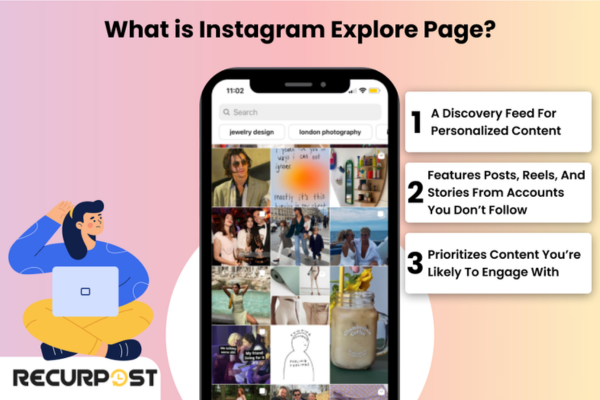
What is the Instagram Explore page, and how is it curated?

Introduction

Instagram’s Explore page is one of the platform’s most powerful features, designed to help users discover new content, accounts, and trends beyond their immediate network. Unlike the main feed, which shows posts from accounts a user follows, the Explore page offers a personalized stream of images, videos, Reels, Stories, and IGTV content tailored to the user’s interests. This feature plays a crucial role in content discovery, engagement, and growth for both casual users and creators.

Understanding what the Instagram Explore page is and how it is curated is essential for users seeking to maximize their experience and for brands and influencers aiming to expand their reach. This essay explains the function of the Explore page, the technology behind its curation, and its implications for users and creators, supplemented by a relevant example.


1. What is the Instagram Explore Page?

1.1. Definition and Purpose

The Instagram Explore page, often accessed by tapping the magnifying glass icon at the bottom of the app, serves as a content discovery hub. Instead of showing posts from followed accounts, it presents a collection of photos, videos, Reels, and Stories that Instagram’s algorithm predicts will be relevant and interesting to the user.

Its core purpose is to:

  • Help users discover new content that matches their tastes and interests.
  • Encourage exploration of different creators, topics, and trends outside their existing network.
  • Increase engagement and time spent on the platform by offering fresh, personalized content.
  • Provide opportunities for content creators and brands to reach new audiences.

1.2. The User Experience

When a user opens the Explore page, they see a dynamic grid of thumbnails representing posts and videos. The content ranges widely, including:

  • Popular posts trending globally or within the user’s region.
  • Posts similar to the user’s liked, saved, or commented content.
  • New accounts related to those the user follows.
  • Topic-specific content, such as food, fashion, travel, art, or fitness.
  • Reels and short videos tailored to the user’s preferences.

Users can interact with content directly from the Explore page by liking, commenting, sharing, or saving posts, or by following new accounts.


2. How Is the Instagram Explore Page Curated?

The Instagram Explore page is curated through a sophisticated, AI-driven recommendation system that uses machine learning algorithms to personalize content for each user. The curation process can be broken down into several key factors:

2.1. User Activity and Engagement Signals

Instagram collects data on the user’s activity to understand their preferences:

  • Likes and comments: The types of posts a user interacts with most.
  • Search history: Accounts and hashtags the user searches for.
  • Content saved: Posts the user saves to revisit later.
  • Direct interactions: Messages exchanged or posts shared.
  • Watch time: How long the user watches videos or Reels.
  • Profile visits: Accounts the user views frequently.

These signals help the algorithm gauge the user’s interests and prioritize similar content on the Explore page.

2.2. Content Analysis

The algorithm evaluates the content itself, analyzing:

  • Visual elements: Colors, objects, and composition of images or videos.
  • Captions and hashtags: Keywords that relate to trending topics or specific interests.
  • Engagement metrics: Popularity of the post globally and within the user’s network.

This helps Instagram match content with users who might find it relevant.

2.3. Collaborative Filtering and Similarity

Instagram uses collaborative filtering, a method where the system recommends content liked by users with similar tastes. For example:

  • If User A and User B have similar engagement patterns, content popular with User A might appear on User B’s Explore page.
  • This method expands content diversity while maintaining relevance.

2.4. Diversity and Freshness

To keep the Explore page engaging, Instagram balances personalization with content diversity:

  • Introducing new accounts or topics: Instagram may show content from creators the user has never interacted with before.
  • Trending and viral content: The algorithm boosts trending posts or Reels to capitalize on current events and popular culture.
  • Mixing formats: Posts, videos, Reels, and Stories are combined to create an engaging, varied experience.

3. Algorithmic Challenges and Ethical Considerations

The curation of the Explore page raises challenges related to:

  • Filter bubbles: Over-personalization may limit users’ exposure to diverse viewpoints and content.
  • Echo chambers: Users may only see content that reinforces existing beliefs or interests.
  • Content moderation: Balancing free expression with the removal of harmful or inappropriate content.
  • Transparency: Instagram does not fully disclose how the algorithm works, which can cause mistrust.

Instagram continuously updates its algorithm to address these challenges by encouraging content diversity and implementing community guidelines.


4. Implications for Creators and Brands

For content creators and brands, the Instagram Explore page is a vital tool for:

  • Reaching new audiences: Appearing on the Explore page can significantly increase visibility beyond current followers.
  • Growing follower base: Engaging content has a higher chance of being recommended.
  • Boosting engagement: Increased views, likes, and comments result from greater exposure.

Creators optimize their content for Explore by:

  • Using relevant hashtags and captions.
  • Posting high-quality, engaging visuals.
  • Encouraging interaction through calls to action.
  • Experimenting with formats like Reels, which are favored by Instagram’s algorithm.

5. Example: How a Travel Blogger Uses the Explore Page to Grow Their Audience

Consider a travel blogger named Sarah who shares photos and videos of her adventures worldwide. Sarah’s posts include scenic landscapes, local cuisine, and cultural experiences.

How Sarah’s Content Appears on Explore:

  • Sarah’s followers regularly like and comment on her travel posts, signaling to Instagram her content is engaging.
  • She uses relevant hashtags (#TravelGoals, #Wanderlust) and writes descriptive captions.
  • Her videos of unique destinations gain high watch time and shares.
  • Instagram’s algorithm identifies users who like similar travel content and recommends Sarah’s posts to them on their Explore page.
  • Users discovering Sarah’s content engage with her posts, follow her account, and share her stories.
  • Over time, Sarah’s audience grows significantly, allowing her to collaborate with travel brands and monetize her content.

This example demonstrates how the Instagram Explore page can amplify a creator’s reach through curated, personalized content discovery.


6. Conclusion

The Instagram Explore page is a powerful feature designed to help users discover personalized content beyond their immediate network. Its curation relies on sophisticated AI and machine learning algorithms that analyze user behavior, content characteristics, and collaborative filtering to recommend posts tailored to individual interests. By balancing personalization with content diversity, Instagram aims to keep users engaged and provide opportunities for creators and brands to expand their audience.

Understanding how the Explore page works can help users optimize their experience and creators harness its potential for growth. As Instagram continues to refine its algorithms, the Explore page will remain central to how content is discovered and consumed on the platform.


Explain how to maintain privacy and safety on Instagram.

Introduction

Instagram, with over a billion active users, is one of the most popular social media platforms worldwide. It offers tremendous opportunities for social interaction, creativity, and business promotion. However, like all social media, it also poses risks related to privacy and safety. Users, especially young people, are vulnerable to issues such as identity theft, cyberbullying, harassment, scams, and exposure to inappropriate content.

Maintaining privacy and safety on Instagram is crucial for protecting personal information, mental well-being, and digital security. This guide explains practical steps and best practices users can follow to safeguard themselves on Instagram. An example scenario will help contextualize these practices for better understanding.


1. Understanding Privacy and Safety Concerns on Instagram

Instagram users share photos, videos, Stories, location tags, and personal information. This openness can attract unwanted attention or malicious activity if privacy settings and safety habits are not managed carefully. Common risks include:

  • Oversharing personal details that could be used by identity thieves.
  • Cyberbullying and harassment from strangers or acquaintances.
  • Phishing scams via suspicious links or direct messages.
  • Exposure to inappropriate content not suitable for minors.
  • Account hacking through weak passwords or phishing.
  • Unintended sharing of location or sensitive information.

Understanding these threats is the first step toward creating a safer Instagram experience.


2. Steps to Maintain Privacy on Instagram

A. Set Your Account to Private

By default, Instagram accounts are public, meaning anyone can see your posts, Stories, and follower list. Switching to a private account restricts access to only approved followers.

How to do it:

  1. Go to your profile.
  2. Tap the menu (three lines) > Settings > Privacy.
  3. Under “Account Privacy,” toggle on Private Account.

This simple step drastically reduces who can see your content, helping you control your audience.


B. Manage Followers and Followers Requests

For private accounts, you must approve who follows you. Regularly review your followers list and remove unknown or suspicious accounts.

For public accounts, be cautious about who you accept as followers, especially if your posts include personal information.


C. Limit Personal Information Sharing

Avoid posting sensitive information such as:

  • Home address
  • Phone number
  • School or workplace
  • Daily routines or travel plans

Even indirect hints can be exploited. Instead, share general or non-identifiable information.


D. Control Story and Post Visibility

Instagram allows customizing who can see your Stories or posts.

  • Use the Close Friends feature to share Stories with a select group.
  • Restrict certain followers from seeing posts or Stories without blocking them.

To restrict followers:

  1. Go to the follower’s profile.
  2. Tap the three dots (menu) > Restrict.

Restricted accounts can still comment or message, but their interactions are limited and less visible.


E. Manage Tagged Photos and Mentions

Photos or posts where others tag you may appear on your profile. To control this:

  1. Go to Settings > Privacy > Tags.
  2. Enable Manual Approval for tags.
  3. Review tagged photos before they appear publicly.

Similarly, control who can mention you in comments, captions, or Stories to avoid spam or harassment.


F. Be Careful with Location Sharing

Location tags on posts or Stories reveal your whereabouts, potentially compromising your safety. Disable automatic location sharing or avoid tagging precise locations, especially when alone or at home.


G. Use Two-Factor Authentication (2FA)

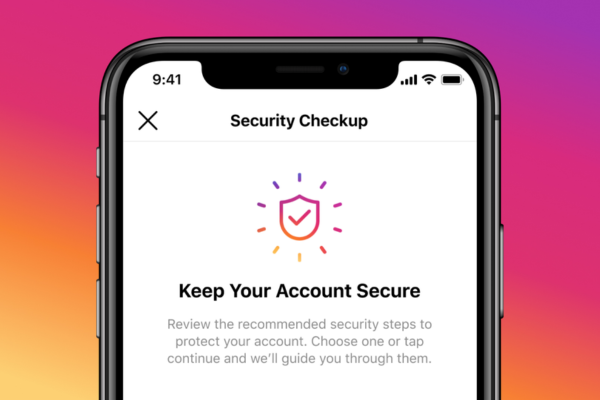
Adding 2FA adds an extra layer of security by requiring a verification code along with your password when logging in.

To enable 2FA:

  1. Go to Settings > Security > Two-Factor Authentication.
  2. Choose your preferred method (SMS or authentication app).
  3. Follow the setup instructions.

This helps prevent unauthorized access even if your password is compromised.


H. Create a Strong, Unique Password

Avoid common passwords or reuse of passwords from other sites. Use a combination of uppercase, lowercase, numbers, and symbols. Consider a password manager to generate and store secure passwords.


3. Steps to Maintain Safety on Instagram

A. Recognize and Report Abuse

Instagram provides tools to report abusive or inappropriate content, accounts, and messages.

  • Report harassment, hate speech, threats, or spam using the Report option on posts, comments, or profiles.
  • Block users who harass or threaten you.
  • Use the Restrict feature to limit interactions without full blocking.

Reporting helps Instagram identify and remove harmful content and protects users.


B. Be Wary of Suspicious Links and Messages

Phishing attempts often come through direct messages asking for personal info or links to fake websites.

  • Never click on suspicious links or provide passwords or financial details.
  • Verify sender identity if you receive unusual requests, even if from known contacts.
  • Avoid downloading files from untrusted sources.

C. Limit Third-Party App Access

Some apps request access to your Instagram account. Grant access only to trusted applications. Review connected apps periodically:

  1. Settings > Security > Apps and Websites.
  2. Remove access for unknown or unused apps.

D. Monitor Screen Time and Mental Health

Excessive Instagram use can impact mental health, especially if exposed to negative content or comparison pressures.

  • Use Instagram’s Your Activity feature to track and limit screen time.
  • Take regular breaks.
  • Follow accounts that promote positivity and avoid those causing stress or anxiety.

E. Educate Yourself and Others

Stay updated on new Instagram features and privacy policies. Encourage friends and family to adopt safe practices.


4. Example Scenario: How Sarah Maintains Privacy and Safety on Instagram

Sarah is a 19-year-old university student who loves sharing her photography and travel experiences on Instagram. Conscious about her privacy and safety, she follows several best practices:

  • Private Account: Sarah sets her Instagram to private, so only approved followers can see her posts and Stories.
  • Selective Followers: She carefully reviews new follow requests and removes anyone unfamiliar.
  • Limited Personal Info: Sarah avoids posting her exact location or daily schedules. Instead, she shares travel highlights without tagging the hotels or addresses.
  • Story Controls: She uses the “Close Friends” list to share more personal Stories only with close friends.
  • Tag Approval: Sarah enables manual approval for tagged photos and reviews any tags before allowing them to show on her profile.
  • Two-Factor Authentication: She activates 2FA to protect her account from hacking.
  • Strong Password: Sarah uses a complex password managed via a password manager.
  • Reporting and Blocking: When Sarah receives an unwanted comment from a stranger, she immediately reports and blocks the account.
  • Avoiding Scams: Sarah ignores direct messages asking for personal info or suspicious links.
  • Limiting App Access: She regularly checks and removes apps connected to her Instagram that she no longer uses.
  • Mental Health: Sarah monitors her Instagram use with the activity tool and ensures she follows inspiring, positive accounts.

By following these practices, Sarah enjoys Instagram without compromising her privacy or safety.


5. Additional Tips for Parents and Educators

  • Teach young users about the importance of privacy settings and respectful online behavior.
  • Encourage open communication about experiences on Instagram.
  • Promote digital literacy programs focusing on recognizing scams, cyberbullying, and privacy risks.

Conclusion

Instagram is a vibrant platform that offers numerous benefits but also poses risks related to privacy and safety. Maintaining control over personal information and interactions requires proactive steps such as using private accounts, managing followers, enabling two-factor authentication, and being cautious about sharing location or sensitive data.

By understanding the tools Instagram provides and practicing safe online habits, users can enjoy the platform’s benefits while minimizing threats. Whether you are a casual user like Sarah or a parent guiding a teen, being informed and vigilant is the best defense in today’s digital world.


What are the risks and benefits of using Instagram for teenagers?

Introduction

Instagram is one of the most popular social media platforms globally, especially among teenagers. With its visual-centric approach, interactive features, and global community, Instagram offers teenagers unique opportunities for self-expression, social connection, and learning. However, like any digital platform, Instagram also presents risks that can affect teens’ mental health, privacy, and well-being. Understanding these risks and benefits is essential for parents, educators, and teens themselves to navigate the platform safely and positively.

This essay explores the major benefits and risks of Instagram use for teenagers and provides an example to demonstrate both sides of the equation in real life.


1. Benefits of Instagram for Teenagers

1.1. Creative Expression and Identity Formation

Instagram’s visual format allows teenagers to express their creativity through photos, videos, Stories, and Reels. This kind of self-expression helps teens explore their identities, share their interests, and showcase their talents.

  • Teens can develop skills in photography, video editing, graphic design, and storytelling.
  • The platform encourages experimentation with different styles and narratives.
  • Sharing creative work with peers and receiving positive feedback can boost self-confidence.

1.2. Social Connection and Community Building

Instagram enables teens to connect with friends, family, and people who share similar interests or experiences, regardless of geographical location.

  • Teens can join communities based on hobbies, cultural identities, social causes, or fandoms.
  • The platform facilitates social interaction through likes, comments, direct messages, and group chats.
  • For shy or introverted teens, Instagram provides a less intimidating way to socialize.

1.3. Access to Information and Learning

Instagram is increasingly used for educational content, mental health awareness, activism, and more.

  • Teens can follow accounts dedicated to their academic interests, hobbies, or social causes.
  • Many creators provide tutorials, motivational content, and helpful advice.
  • Instagram exposes teens to diverse perspectives and cultures, broadening their worldview.

1.4. Developing Digital Literacy and Responsibility

Using Instagram helps teenagers learn important digital skills:

  • Understanding online etiquette and responsible sharing.
  • Managing privacy settings and digital footprints.
  • Navigating online communication and critical evaluation of content.

These skills are crucial for their personal and professional lives in the digital age.


2. Risks of Instagram for Teenagers

Despite these benefits, Instagram also poses significant risks to teenagers’ mental health, safety, and privacy.

2.1. Mental Health Concerns

Studies have linked excessive social media use with issues like anxiety, depression, and low self-esteem, particularly among teens.

  • Instagram’s highly curated content can lead to unrealistic comparisons and feelings of inadequacy.
  • The pursuit of likes and followers may cause validation addiction and social pressure.
  • Exposure to cyberbullying, negative comments, and online harassment is common and damaging.

2.2. Privacy and Safety Issues

Teenagers may unknowingly share personal information that can be exploited.

  • Sharing location, school, or other sensitive data increases risks of stalking or harassment.
  • Teen users may engage with strangers, exposing themselves to predators or scams.
  • Instagram’s algorithm can sometimes promote harmful or inappropriate content to teens.

2.3. Distraction and Academic Impact

Excessive Instagram use can distract teens from schoolwork, sleep, and physical activity.

  • Constant notifications and the urge to check the app can reduce concentration.
  • Late-night use may interfere with sleep hygiene, affecting overall health and academic performance.

2.4. Exposure to Inappropriate Content

Despite Instagram’s content guidelines, teens can encounter:

  • Violent or graphic images.
  • Sexualized or age-inappropriate material.
  • Misinformation or harmful trends (e.g., extreme dieting, risky challenges).

3. Balancing the Risks and Benefits

While the risks are real, they can be mitigated with awareness, education, and responsible use. Parents, educators, and teens can work together to:

  • Set healthy boundaries for screen time.
  • Use privacy settings wisely.
  • Foster open communication about online experiences.
  • Promote positive and supportive online communities.

4. Example: The Story of Emma — A Teen’s Instagram Journey

Emma, a 16-year-old high school student, began using Instagram to share her passion for photography and connect with friends. Over time, she gained followers who appreciated her creative work, which boosted her confidence and motivated her to improve her skills. Emma also followed educational accounts about mental health and environmental activism, which inspired her to participate in local community projects.

However, Emma also experienced some downsides. She occasionally felt pressured to post “perfect” photos and worried about getting enough likes. She encountered some negative comments and unfriendly messages, which affected her mood. Sometimes, she found herself spending more time on Instagram than she intended, leading to less sleep and difficulty focusing in class.

With guidance from her parents and school counselor, Emma learned to balance her Instagram use. She adjusted her privacy settings, limited her screen time before bed, and focused on following positive, inspiring accounts. Emma also used Instagram Stories to share authentic, behind-the-scenes moments, which helped her feel less pressure to be perfect. Through this balance, Instagram became a tool for growth, connection, and learning, rather than stress.


5. Conclusion

Instagram offers teenagers a powerful platform for creativity, social connection, and education. When used mindfully, it can contribute positively to identity formation, skill development, and social engagement. However, the risks—especially concerning mental health, privacy, and distraction—require careful attention and proactive strategies.

Teenagers, parents, and educators must work together to maximize Instagram’s benefits while minimizing its potential harms. By fostering digital literacy, promoting healthy habits, and maintaining open dialogue, Instagram can be a safe and enriching environment for teens to thrive in the digital world.


How do Instagram ads work, and how are users targeted?

Introduction

Instagram has evolved from a simple photo-sharing app into a powerful platform for businesses and marketers worldwide. One of its core strengths lies in its advertising capabilities, allowing brands to reach highly specific audiences with tailored messages. Instagram ads have become an indispensable part of modern digital marketing strategies due to their visual appeal, integration with Facebook’s vast advertising infrastructure, and advanced targeting options.

This essay will explore how Instagram ads work, the mechanisms behind user targeting, and why these methods are effective. An appropriate example will illustrate the process in a real-world context.


1. What Are Instagram Ads?

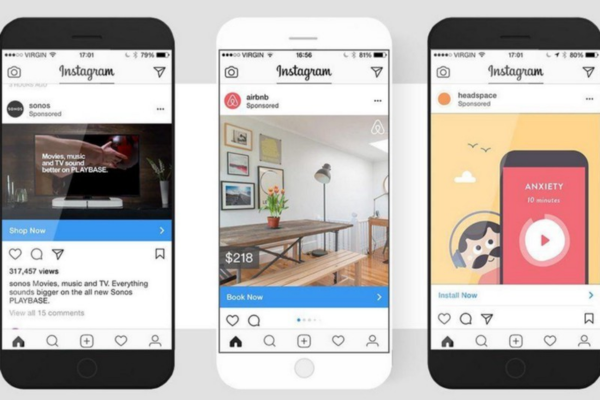
Instagram ads are paid promotional content displayed to users within the app. These ads can take various formats, including:

  • Photo Ads: Single images with captions.
  • Video Ads: Short videos up to 60 seconds.
  • Carousel Ads: Multiple images or videos users can swipe through.
  • Stories Ads: Full-screen vertical ads shown between users’ Stories.
  • Reels Ads: Ads embedded within the Reels feed.
  • Shopping Ads: Interactive posts that allow users to buy products directly.

Ads appear naturally within the Instagram feed, Stories, Explore tab, or Reels, making them feel less intrusive than traditional ads.


2. How Do Instagram Ads Work?

Instagram ads operate through Facebook’s Ads Manager, which controls both Facebook and Instagram advertising due to their shared ownership by Meta Platforms, Inc. This integration allows advertisers to run campaigns across both platforms simultaneously with unified targeting and analytics.

A. Creating an Ad Campaign

Advertisers start by defining campaign objectives within Ads Manager, choosing goals such as:

  • Brand awareness
  • Reach
  • Traffic (to websites or apps)
  • Engagement (likes, comments, shares)
  • App installs
  • Video views
  • Lead generation
  • Conversions (sales or sign-ups)

Based on the goal, advertisers design ads that align with user behavior and desired actions.

B. Ad Placement

Advertisers can select automatic placements, allowing Meta’s algorithm to decide where the ads perform best (Instagram feed, Stories, Explore, Reels, Facebook News Feed, etc.). Alternatively, advertisers can manually select specific placements.

C. Budgeting and Scheduling

Advertisers set a daily or lifetime budget and decide the campaign duration. Ads are then delivered within these constraints, optimized to maximize the campaign goal.

D. Ad Auction and Delivery

When Instagram users scroll through content, an auction system decides which ads to show them. This auction considers:

  • Bid: How much the advertiser is willing to pay.
  • Estimated action rates: Likelihood that the user will take the desired action.
  • Ad quality and relevance: Instagram favors ads that resonate with users.

The highest “total value” wins the auction, balancing cost and user experience.


3. How Are Users Targeted on Instagram?

Targeting is the backbone of Instagram’s advertising power. Instagram uses the extensive data Facebook collects across its platforms, combined with user activity on Instagram itself, to deliver highly relevant ads to the right people.

A. Types of Targeting

1. Demographic Targeting

Advertisers can target users based on:

  • Age
  • Gender
  • Location (country, region, city, or even zip code)
  • Language
  • Education level
  • Job title or industry

For example, a local boutique might target women aged 25-40 in a specific city.

2. Interest Targeting

Based on users’ activities, pages liked, and content interacted with, Instagram infers interests such as:

  • Fitness and wellness
  • Travel
  • Fashion and beauty
  • Technology
  • Food and dining

A sportswear brand, for instance, can target users interested in running or yoga.

3. Behavior Targeting

Instagram tracks online behavior such as:

  • Purchase history
  • Device usage
  • Travel habits
  • Engagement with similar content or ads

This helps show ads to users likely to respond based on previous actions.

4. Custom Audiences

Advertisers can upload their own lists (emails, phone numbers) to target existing customers directly. They can also retarget users who have visited their websites or used their apps through Facebook Pixel or SDK tracking.

5. Lookalike Audiences

Meta’s machine learning can create audiences similar to a brand’s existing customers or followers, expanding reach to users with similar profiles who might be interested in the brand.


B. Advanced Targeting Techniques

  • Layered Targeting: Combining multiple criteria (e.g., women aged 18-25 interested in sustainable fashion living in New York) to narrow down the audience.
  • Exclusion: Excluding existing customers from awareness campaigns to avoid redundancy.
  • Dynamic Ads: Personalized ads that automatically show products users have browsed or might like based on their online activity.

4. Why Is Instagram Ad Targeting Effective?

Instagram’s effectiveness lies in its ability to deliver highly relevant ads that resonate with users’ interests and behaviors. This reduces ad fatigue and improves ROI for advertisers.

  • Personalization: Ads feel tailored, increasing user engagement.
  • Visual Impact: Instagram’s focus on high-quality visual content maximizes attention.
  • Mobile-First Experience: Designed for smartphones, Instagram ads fit naturally into users’ scrolling behavior.
  • Data-Driven Optimization: Continuous learning algorithms improve ad delivery over time, ensuring maximum impact.

5. Example: How a New Fitness Brand Uses Instagram Ads and Targeting

Consider “FitPulse,” a startup selling innovative fitness trackers aimed at young adults passionate about health and technology.

Step 1: Campaign Objective

FitPulse wants to drive traffic to its website for product pre-orders, so it chooses the “Traffic” objective in Ads Manager.

Step 2: Audience Targeting

  • Demographics: Ages 18-35, both men and women, located in urban areas in the U.S.
  • Interests: Fitness, wearable technology, healthy lifestyle, running, yoga.
  • Behaviors: Users who have purchased fitness accessories online in the past six months.
  • Custom Audience: Retarget users who visited FitPulse’s website but didn’t purchase.
  • Lookalike Audience: Based on existing customers from email lists.

Step 3: Ad Format

FitPulse creates a video ad demonstrating the fitness tracker’s unique features, showing people using it in various workouts. The video is short, visually appealing, with a clear call-to-action button: “Shop Now.”

Step 4: Placement

They select automatic placements, allowing Instagram and Facebook to show ads where they perform best.

Step 5: Budget and Schedule

FitPulse sets a $50 daily budget for one month, ensuring steady exposure.

Step 6: Monitoring and Optimization

Using Ads Manager, FitPulse tracks:

  • Click-through rates (CTR)
  • Cost per click (CPC)
  • Website traffic from Instagram
  • Conversion rates

They notice that video ads in Instagram Stories generate higher engagement, so they increase the budget allocation there.


Outcome

Within weeks, FitPulse’s website traffic increases significantly, with a 30% rise in pre-orders attributed directly to Instagram ads. The targeted approach ensures ads reach motivated users, improving marketing efficiency and reducing wasted spend.


6. Conclusion

Instagram ads work by blending creative visual content with highly advanced targeting capabilities. Through the Facebook Ads Manager ecosystem, advertisers can design campaigns tailored to specific goals and reach carefully selected audiences based on demographics, interests, behaviors, and more.

This precision targeting, combined with Instagram’s visual and mobile-first nature, makes advertising on the platform highly effective. Whether a small startup like FitPulse or a global brand, Instagram ads offer scalable solutions to grow brand awareness, engage users, and drive conversions.

Understanding how Instagram ads work and leveraging sophisticated targeting methods enables marketers to maximize their return on investment while providing users with relevant, meaningful content — a win-win in today’s competitive digital landscape.


Discuss how Instagram helps brands build their identity.

Introduction

In the rapidly evolving digital landscape, Instagram has emerged as one of the most influential platforms for brand building. With over a billion active users worldwide, Instagram offers brands a unique space to craft, communicate, and reinforce their identity through powerful visual storytelling and interactive engagement. Unlike traditional advertising, which often focuses on direct promotion, Instagram enables brands to create a narrative that resonates emotionally with audiences, fostering loyalty and differentiation in a crowded marketplace.

This essay explores how Instagram helps brands build their identity by leveraging its visual-centric format, various content tools, and community engagement features. It also highlights how brands use Instagram strategically to define their personality, values, and positioning. An appropriate example is provided to illustrate the concepts in practice.


1. Understanding Brand Identity

Before discussing Instagram’s role, it’s important to define brand identity. Brand identity is the unique combination of visual elements, messaging, values, and experiences that a brand uses to distinguish itself from competitors and create a lasting impression on consumers.

Brand identity includes:

  • Visual elements: Logo, color palette, typography, imagery style
  • Brand voice: Tone and language used in communication
  • Core values: The beliefs and principles that guide the brand
  • Personality: The human traits or character that the brand embodies
  • Customer experience: How the brand interacts and engages with its audience

Instagram, as a predominantly visual platform, is especially effective in communicating these components in an authentic and engaging way.


2. Instagram’s Visual-Centric Platform

2.1. Consistent Visual Aesthetic

Instagram’s grid layout encourages brands to maintain a consistent visual style, which is crucial for brand recognition and identity. This can include a specific color scheme, filter, or photographic style that visually conveys the brand’s personality.

  • For example, a luxury brand might use sleek, minimalist photos with muted tones to convey elegance.
  • A playful children’s brand might opt for bright colors and whimsical images.

This consistency helps create a cohesive “look and feel” that users instantly associate with the brand.

2.2. Storytelling Through Images and Videos

Instagram allows brands to tell their stories not just through words, but through compelling images and videos that evoke emotions. Whether it’s showcasing the craftsmanship behind a product, the lifestyle associated with it, or the people who make the brand what it is, visual storytelling builds a strong brand narrative.


3. Leveraging Instagram Features for Brand Identity

Instagram offers multiple content formats that brands can use strategically:

3.1. Instagram Posts

  • The main feed is a curated collection of posts that serve as a brand’s digital portfolio.
  • Posts can feature product shots, user-generated content, behind-the-scenes glimpses, or aspirational lifestyle imagery.
  • Captions complement visuals with storytelling, brand messaging, and calls to action.

3.2. Instagram Stories

  • Stories enable brands to share authentic, in-the-moment content that is less polished but highly engaging.
  • Brands can use Stories for product launches, flash sales, or interactive polls to involve their audience.
  • Stories humanize the brand by showing behind-the-scenes moments or day-to-day operations.

3.3. Instagram Reels and IGTV

  • Reels and IGTV videos allow for deeper storytelling through longer or more dynamic content.
  • Brands use these features for tutorials, interviews, and narratives that showcase their expertise or values.

3.4. Highlights

  • Stories Highlights preserve important Stories on a brand’s profile, categorizing them into evergreen content.
  • Highlights can communicate core brand pillars such as “Our Story,” “Sustainability,” “Customer Reviews,” or “Events.”

4. Building Community and Engagement

Instagram is not just a broadcast channel—it fosters two-way communication that is vital for brand identity.

4.1. Direct Interaction

  • Responding to comments and direct messages shows the brand’s personality and values in real time.
  • Engaging with followers builds trust and loyalty, reinforcing a positive brand image.

4.2. User-Generated Content (UGC)

  • Encouraging customers to share their own content featuring the brand creates social proof.
  • Reposting UGC amplifies the community voice and portrays the brand as authentic and customer-centric.

4.3. Influencer Partnerships

  • Collaborating with influencers whose identity aligns with the brand helps extend the brand’s personality and reach.
  • Influencers humanize the brand and introduce it to relevant audiences in an organic way.

5. Instagram Analytics and Adaptation

Instagram provides brands with analytics on follower demographics, post engagement, and content performance. This data allows brands to:

  • Understand their audience better
  • Refine their messaging and visual style
  • Optimize posting times and content types

Continuous adaptation based on data helps brands stay relevant and reinforce their identity effectively.


6. Example: Nike’s Use of Instagram to Build Brand Identity

Nike is a global brand that has masterfully used Instagram to craft a strong and inspiring brand identity centered around athleticism, empowerment, and innovation.

How Nike Builds Its Brand Identity on Instagram:

  • Visual Consistency: Nike’s Instagram feed features bold, high-energy photos and videos of athletes in action. The color palette frequently includes Nike’s iconic black, white, and red, ensuring instant brand recognition.
  • Storytelling: Posts often tell stories of perseverance, diversity, and achievement. Nike shares not only professional athletes but everyday people, emphasizing that the brand is for everyone.
  • Instagram Stories: Nike uses Stories to give followers behind-the-scenes looks at product development, major sporting events, and motivational campaigns. They include interactive polls or countdowns for product launches.
  • Reels and IGTV: Through short videos, Nike offers workout tutorials, athlete interviews, and inspirational stories, deepening engagement.
  • Community Engagement: Nike actively responds to comments and features user-generated content from customers sharing their fitness journeys.
  • Influencer Collaborations: Nike partners with high-profile athletes and influencers whose values align with the brand’s mission, extending its reach and credibility.

Nike’s Instagram identity is powerful because it embodies its brand values visually and emotionally, creating a community of inspired and loyal followers.


7. Challenges and Considerations

While Instagram offers many opportunities, brands must be mindful of challenges in building identity:

  • Authenticity: Audiences are savvy and can detect inauthentic content. Brands must stay true to their values and voice.
  • Consistency vs. Creativity: Maintaining a consistent identity while experimenting creatively can be a balancing act.
  • Algorithm Changes: Instagram’s evolving algorithm requires brands to adapt strategies to maintain visibility.
  • Cultural Sensitivity: Global brands need to ensure content respects diverse cultures and values.

Conclusion

Instagram has revolutionized how brands build and express their identity in the digital era. By providing a visually rich, interactive, and community-driven platform, it allows brands to create immersive narratives that go beyond traditional marketing. Through consistent visual style, authentic storytelling, audience engagement, and strategic use of various Instagram features, brands can craft a compelling identity that resonates emotionally and intellectually with their audience.

Nike’s success on Instagram exemplifies how a well-crafted Instagram presence can solidify a brand’s identity, build community, and inspire loyalty worldwide. As Instagram continues to evolve, its role as a critical tool for brand identity will only grow stronger, making it essential for brands to master its potential in their marketing strategies.


What are influencers on Instagram, and how do they impact youth?

Introduction

In the digital age, social media platforms like Instagram have revolutionized the way people connect, share, and influence one another. Among the most significant phenomena on Instagram is the rise of influencers — individuals who have amassed a dedicated following and wield considerable power over their audience’s opinions, preferences, and behaviors. Instagram influencers can be celebrities, experts, or everyday people who have cultivated credibility in specific niches such as fashion, fitness, beauty, gaming, travel, or lifestyle.

This essay explores who Instagram influencers are, how they operate, and the profound impact they have on youth today. It will examine both positive and negative effects and provide an appropriate example to illustrate their influence in real-world scenarios.


1. What Are Instagram Influencers?

A. Definition and Characteristics

An Instagram influencer is a user who has built a substantial and engaged follower base by consistently sharing content that resonates with their audience. Unlike traditional celebrities who gain fame through movies, sports, or music, influencers gain prominence primarily through their ability to create relatable, authentic, and often niche content online.

Influencers range in size:

  • Mega-influencers: Celebrities with millions of followers.
  • Macro-influencers: Users with hundreds of thousands of followers.
  • Micro-influencers: Those with 10,000 to 100,000 followers, known for more niche and engaged audiences.
  • Nano-influencers: Users with a few thousand followers, often seen as highly authentic and personal.

They typically create content in specific fields such as fashion, beauty tutorials, fitness routines, travel diaries, gaming streams, or even activism. Their influence derives from their perceived expertise, authenticity, and the personal connection they build with their audience.

B. How Influencers Operate on Instagram

Influencers create posts, Stories, Reels, IGTV videos, and live streams to engage followers. They often collaborate with brands through sponsored posts, advertisements, or affiliate marketing, where they promote products or services in exchange for payment or perks.

The success of an influencer depends on:

  • Authenticity: Followers trust them because they seem genuine.
  • Engagement: The level of likes, comments, shares, and saves on their content.
  • Consistency: Regular posting keeps the audience engaged.
  • Visual Appeal: High-quality photos and videos help attract followers.
  • Community Interaction: Replying to comments and messages fosters loyalty.

2. Why Are Instagram Influencers Important?

Instagram influencers have become vital players in marketing and culture because they offer a more personal and relatable form of communication compared to traditional advertising. Brands partner with influencers to reach targeted audiences efficiently and authentically.

More importantly, influencers shape trends, opinions, and behaviors, especially among youth, who make up a significant portion of Instagram’s user base. The influence on youth is multifaceted and profound.


3. How Do Instagram Influencers Impact Youth?

A. Positive Impacts

1. Inspiration and Motivation

Many influencers inspire youth by sharing stories of personal growth, success, fitness journeys, or overcoming adversity. For example, fitness influencers who share their workout routines and healthy eating habits can motivate young people to adopt better lifestyles.

2. Education and Awareness

Influencers often use their platforms to educate followers on important topics such as mental health, environmental issues, social justice, or career advice. This can raise awareness and encourage activism among young people.

3. Creativity and Self-Expression

Instagram influencers showcase creativity through photography, fashion, art, or storytelling. This encourages youth to explore their creative sides, try new hobbies, and express themselves in unique ways.

4. Community and Belonging

Influencers foster online communities where youth can connect over shared interests and identities, reducing feelings of isolation. This sense of belonging can be especially important for marginalized groups.


B. Negative Impacts

1. Unrealistic Standards and Comparison

One of the most criticized impacts is the promotion of unrealistic beauty and lifestyle standards. Influencers often present highly curated, edited, and filtered images that create unattainable ideals. This can lead to feelings of inadequacy, low self-esteem, anxiety, and depression among young viewers.

2. Consumerism and Materialism

Many influencers promote consumer culture by showcasing luxury goods, fashion hauls, and expensive lifestyles. This can pressure youth to equate happiness with material possessions, sometimes beyond their means.

3. Misinformation and Harmful Trends

Some influencers share misleading information, especially related to health, diet, or wellness. Dangerous trends or challenges can spread quickly among youth due to influencers’ wide reach.

4. Privacy and Mental Health Concerns

The pressure to maintain an influencer lifestyle or constant online presence can affect mental health negatively for both influencers and their young followers. Moreover, youth may overshare personal information trying to emulate influencers, risking privacy issues.


4. Example: The Impact of a Fitness Influencer on Youth

Consider Alex, a fitness influencer on Instagram with around 150,000 followers, primarily teens and young adults interested in health and wellness. Alex regularly posts workout videos, healthy meal ideas, and motivational quotes, sharing their own fitness journey and struggles with body image.

Positive Impact

Many young followers start exercising regularly because they feel motivated by Alex’s approachable style. Alex openly discusses the importance of mental health, encourages followers to focus on progress, not perfection, and offers realistic fitness advice, which helps reduce feelings of discouragement among beginners.

Alex also uses their platform to raise awareness about mental health resources, breaking the stigma around therapy and self-care among youth. Followers comment on how Alex’s content inspires them to lead healthier and happier lives.

Negative Impact

However, some followers become overly focused on achieving Alex’s physique and might develop unhealthy obsessions with dieting or over-exercising. Despite Alex’s disclaimers, the carefully curated images and videos can unintentionally set unrealistic expectations.

Furthermore, Alex occasionally promotes fitness supplements, which might encourage some followers to try products without fully understanding potential risks. A few youth express anxiety about not matching Alex’s progress, leading to self-esteem issues.


5. Navigating Influencer Impact: Guidance for Youth and Parents

Given the mixed effects of Instagram influencers, it is crucial to approach their content critically.

  • Media Literacy: Youth should be educated to recognize that influencer content is often edited and selectively presented.
  • Balanced Consumption: Encouraging a balance of online and offline activities helps reduce overreliance on social media for validation.
  • Parental Involvement: Parents should discuss influencer content openly, helping children differentiate between entertainment and reality.
  • Mental Health Awareness: Platforms and influencers themselves are increasingly advocating for transparency and mental health support.

6. Conclusion

Instagram influencers are powerful figures in modern social media, capable of shaping youth culture, trends, and behaviors. They offer inspiration, education, and community, but also contribute to unrealistic standards and consumer pressures. The dual nature of their impact means youth, educators, and parents must cultivate media literacy and healthy social media habits.

The example of a fitness influencer like Alex illustrates both the positive motivational role influencers can play and the potential pitfalls of idealized online personas. As social media continues to evolve, the role of influencers will remain significant, underscoring the importance of critical engagement with the content youth consume.


How can Instagram be used as a tool for visual storytelling?

Introduction

In the digital age, visual content dominates the way we communicate, share experiences, and consume information. Instagram, launched in 2010, has emerged as one of the most powerful platforms for visual storytelling, with over a billion active users worldwide. Unlike traditional written narratives, Instagram leverages images, videos, and interactive features to craft stories that are immersive, engaging, and immediate. Visual storytelling on Instagram isn’t just about pretty pictures; it’s about creating meaningful narratives that connect with audiences emotionally and intellectually.

This essay explores how Instagram functions as a tool for visual storytelling, outlining its core features, methods, and strategies. It also provides a real-world example to demonstrate how users—from individuals to brands—effectively use Instagram to tell compelling visual stories.


1. The Power of Visual Storytelling on Instagram

1.1. What is Visual Storytelling?

Visual storytelling is the practice of using imagery, video, and visual elements to convey a message, evoke emotions, and narrate a story. On Instagram, this takes the form of:

  • Photographs
  • Videos
  • Stories
  • Reels
  • Carousels (multi-image posts)
  • IGTV (long-form video content)

By combining these elements, creators can tell layered, complex stories that transcend language barriers and appeal directly to human senses and emotions.

1.2. Why Instagram is Ideal for Visual Storytelling

Instagram is designed around visuals and user engagement, making it a natural fit for storytelling:

  • Mobile-first platform: Most users access Instagram via smartphones, allowing for immediate, on-the-go storytelling.
  • Visual focus: The platform emphasizes images and videos over text.
  • Interactive features: Stickers, polls, question boxes, and music add layers of engagement.
  • Multi-format capabilities: Users can share Stories, Reels, posts, and IGTV videos to diversify storytelling approaches.
  • Community engagement: Commenting, direct messages, and sharing enable two-way communication.

2. Core Instagram Features for Visual Storytelling

2.1. The Instagram Feed

The main feed is a curated gallery where users post images or videos to construct a visual narrative over time. A well-curated feed tells a story through consistent themes, colors, or subjects.

  • Carousels allow for sequential storytelling, where each image or video is a chapter or moment in the story.
  • Captions offer context, emotions, and additional narrative layers.
  • Users can use hashtags to connect the story to larger themes or communities.

2.2. Instagram Stories

Stories allow for ephemeral, real-time storytelling that disappears after 24 hours, making them ideal for:

  • Sharing behind-the-scenes moments
  • Daily updates
  • Quick, informal stories that complement the curated feed
  • Interactive elements like polls, questions, or quizzes to involve the audience

Stories can be saved as Highlights to create permanent collections, preserving ongoing narratives like travel adventures, brand campaigns, or personal milestones.

2.3. Instagram Reels

Reels are short, dynamic videos (up to 90 seconds) that allow users to tell stories through movement, sound, and quick edits. They’re ideal for:

  • Tutorials or how-to guides
  • Humorous or emotional storytelling
  • Showcasing products or events creatively

Reels benefit from Instagram’s algorithm to reach wider audiences, making them a valuable storytelling tool for creators seeking growth.

2.4. IGTV and Live Videos

IGTV is for longer-form video content, allowing deep storytelling through:

  • Documentaries
  • Interviews
  • Series or episodic content

Live videos offer real-time storytelling and direct engagement, where audiences can participate via comments or reactions.


3. Strategies for Effective Visual Storytelling on Instagram

3.1. Consistent Visual Style and Theme

Successful Instagram storytellers maintain a consistent aesthetic—color palettes, filters, or framing—to create a recognizable brand or personal identity. This consistency helps viewers instantly connect posts to the storyteller and builds a cohesive narrative experience.

3.2. Authenticity and Emotion

Stories that resonate tend to be authentic and emotionally engaging. Whether sharing personal struggles, triumphs, or joyful moments, authenticity invites empathy and loyalty from followers.

3.3. Sequencing and Narrative Flow

Using multi-image carousels, Stories, or Reels in sequence helps build narrative tension, resolution, and engagement. Each post acts as a “chapter,” inviting viewers to swipe or watch until the story concludes.

3.4. Using Captions to Enhance Visuals

While Instagram is visual-first, captions add crucial layers of meaning, context, or calls to action. Storytellers often use captions to:

  • Describe the scene or moment
  • Share background information or insights
  • Ask questions or encourage interaction

3.5. Leveraging Interactive Features

Polls, questions, quizzes, and stickers invite the audience to participate in the story, creating a dynamic narrative that evolves with audience input.


4. Example: National Geographic’s Instagram Visual Storytelling

A prime example of Instagram as a visual storytelling tool is National Geographic’s (@natgeo) account. With over 200 million followers, NatGeo is renowned for its breathtaking photography and compelling narratives about the natural world and human culture.

How NatGeo Uses Instagram for Visual Storytelling:

  • Stunning Images and Videos: Each post features world-class photography that captures nature, wildlife, and human stories with emotional depth.
  • Detailed Captions: The captions tell stories about the subjects, providing scientific facts, personal anecdotes, or cultural insights.
  • Carousels: They often use multi-image posts to showcase a sequence—such as a migration journey or the stages of conservation efforts.
  • Stories and Highlights: NatGeo uses Stories to share day-to-day happenings in the field, conservation updates, or interactive quizzes about wildlife.
  • Reels: Short videos capture fleeting moments—like a predator hunting or a plant blooming—engaging users with quick, powerful narratives.
  • Live Videos: Occasionally, NatGeo hosts live Q&A sessions with explorers and scientists, enabling real-time storytelling and interaction.

This multi-format approach allows National Geographic to educate, inspire, and mobilize its audience through immersive storytelling.


5. The Impact of Instagram Visual Storytelling

5.1. Building Community

Instagram’s visual storytelling fosters communities built around shared interests, values, and narratives. Users can follow stories that resonate with their own experiences or aspirations, creating emotional connections.

5.2. Driving Social Change

Visual stories on Instagram have been powerful tools for raising awareness about social, environmental, and political issues. Campaigns using storytelling can mobilize support, donations, and activism.

5.3. Enhancing Personal and Brand Identity

For individuals and brands alike, Instagram storytelling builds identity and loyalty. Authentic, engaging stories help followers feel connected and invested in the creator’s journey or brand mission.


6. Conclusion

Instagram is not merely a photo-sharing app but a powerful platform for visual storytelling. Through its diverse formats—from posts and Stories to Reels and live videos—it enables users to craft rich, immersive narratives that captivate and engage audiences worldwide.

The ability to combine imagery, text, sound, and interaction creates a multidimensional storytelling experience. Whether for personal expression, brand building, or social impact, Instagram provides the tools to tell stories that are timely, authentic, and visually compelling.

The example of National Geographic exemplifies the potential of Instagram to tell stories that educate, inspire, and connect people across cultures and geographies. As Instagram continues to evolve, so will the art and impact of visual storytelling on the platform.


How to Become a Digital Marketing Specialist

Digital marketing is one of the fastest-growing fields today. Many people are interested in building a career in digital marketing, and becoming a digital...

What is SMM in Digital Marketing

SMM, or Social Media Marketing, is one of the most important parts of digital marketing. In simple words, SMM is the process of using...

What is Google Analytics in Digital Marketing

Google Analytics is one of the most important tools in digital marketing. It helps businesses understand how people interact with their websites and online...

What is Google AdWords in Digital Marketing

Google AdWords is one of the most important tools in digital marketing. Many businesses use AdWords to reach their target audience online and increase...

What Is CPM in Digital Marketing

In digital marketing, understanding how your ads are priced and measured is very important. Different advertising models help marketers track performance and control spending....